
An outdoor leisure-boating guide to Loch Morlich near Aviemore, with Canadian canoe and kayak hire from the Boathouse, Glenmore Forest trails, family activities and Highland safety.
Loch Morlich in the Scottish Highlands offers an unusually accessible way to enjoy a mountain landscape from a small boat. The loch lies within Glenmore Forest Park near Aviemore, with a sandy beach, woodland and views toward the Cairngorm mountains. The official Visit Cairngorms tourism listing identifies Loch Morlich Watersports at the Boathouse as a provider of Canadian-style canoes, kayaks, windsurfing equipment and small sailing boats, including introductory instruction and casual hire. For travellers who want a gentle water-based day rather than an extended expedition, the combination of equipment, shore facilities and scenery is appealing. The practical challenge is to respect the loch's exposure to Highland weather and the season in which visitors travel.
A mountain beach rather than a seaside resort
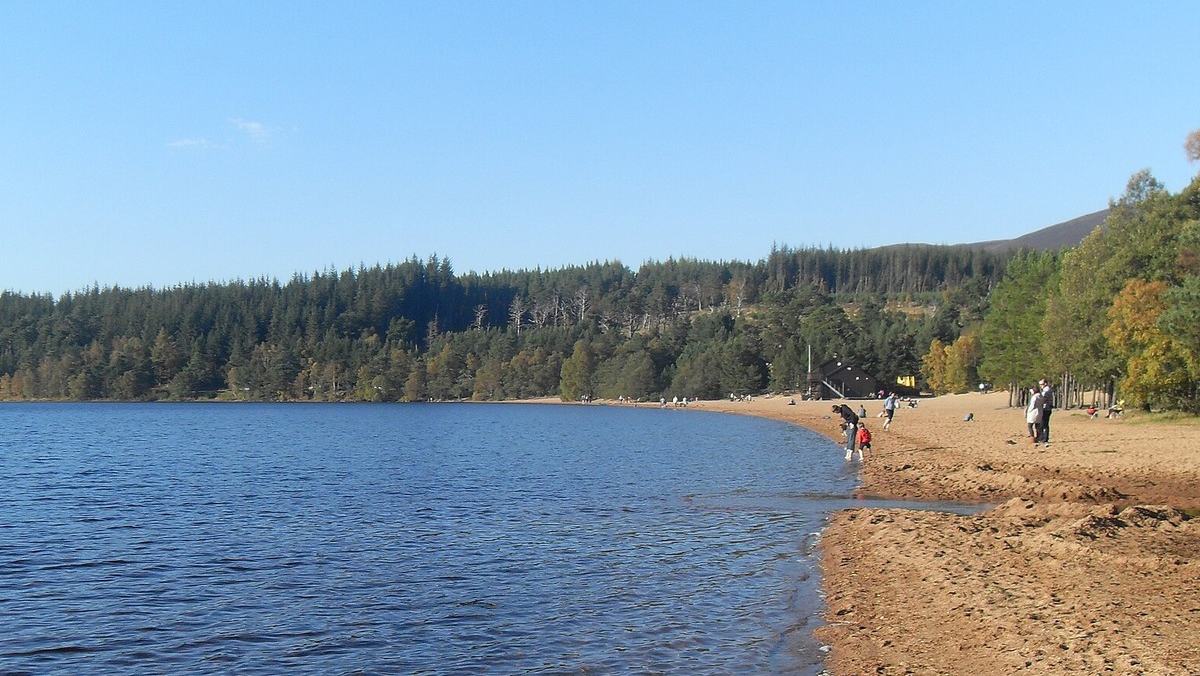
The long sandy shore gives Loch Morlich a distinct identity. Visitors may arrive expecting a forest walk and instead discover a beach framed by pines and rising mountain slopes. The landscape creates a different atmosphere from a coastal holiday: the water is fresh, the surrounding forest is close and changing cloud across the Cairngorms can transform the view within minutes. A paddle near shore allows visitors to notice these changes without covering great distances. It is important not to mistake the presence of sand for a warm or permanently sheltered environment. Cold water, wind and fast-changing weather remain central considerations for every user.
A named provider with a specific activity range
Visit Cairngorms describes Loch Morlich Watersports as offering canoe and kayak hire from the Boathouse, with lessons, courses and equipment rental for individuals and groups. Its listing specifically mentions large Canadian-style open canoes and kayaks described as easy to control. It also names small sailing boats and windsurfing equipment for more adventurous visitors. These are published provider offerings, not promises that every activity will be running on a particular day. A sensible traveller should consult current operating information and speak with the staff about conditions before choosing a boat or signing up for a lesson.
The seasonal operating window matters
The regional tourism listing gives a normal opening period of April to October, with daytime hours and a late-afternoon cutoff for canoe hire. Because this article is being prepared on 23 November 2026, casual hire should not be assumed to be open now. Travellers planning for spring or summer 2027 can use the listing as a starting point, but should still obtain direct confirmation of dates, equipment availability and any restrictions. Highland weather can also lead an operator to stop hire even during its advertised season. A flexible holiday plan is more enjoyable than relying on a single specific departure whatever the weather.
Open canoes make a sociable outing
Canadian-style open canoes appeal to couples and families because paddlers can work together, share conversation and carry a few suitable personal items. Their stability and capacity depend on the exact design, and an apparently roomy boat must not be overloaded. Before departure, staff should demonstrate how to board, where passengers must sit, how to turn and how to respond if the canoe becomes unstable. A short outing near the authorised hire area can be an ideal introduction. The aim is to enjoy travelling across a Highland loch, not prove that an inexperienced group can reach the farthest shoreline.
Kayaks provide an alternative perspective
Kayaks may suit individuals who want to control their own course, though different models require different handling and recovery skills. A sit-on-top designed for beginner hire behaves differently from a touring kayak, particularly in waves or cold water. Travellers should not choose equipment solely because its silhouette looks appealing in a photograph. Ask which craft is suitable for the current wind, water temperature and the participant's experience. A short instruction session may be valuable even for someone who has paddled on a warm, sheltered lake elsewhere. The consequences of entering cold Highland water can be more serious than expected.
Forest walking and boating belong together
Glenmore Forest Park offers a reason to stay after a rental session ends. Forestry and Land Scotland describes the Loch Morlich area as a destination for walking and exploring the surrounding forest, with routes that connect the beach to the broader landscape. A visitor can paddle during suitable conditions and then enjoy a woodland walk without undertaking a long transfer. Mixed groups may appreciate this arrangement: one person can hire a kayak while another explores nearby paths or relaxes by the shore. Route accessibility, trail conditions and parking need to be checked separately from watersports, especially in wet or wintry weather.
A cafe can make the outing less complicated
The official tourism entry refers to the Boathouse Cafe together with changing rooms and toilets. These facilities may make it easier for people to enjoy a short activity without carrying all the provisions required for a wilderness expedition. They should not be treated as guaranteed outside the normal season, and opening times can differ from the boat-hire operation. A packed snack or thermos may be a suitable alternative when services are limited. The convenience of a cafe is useful, but it does not replace proper clothing and a dry change for paddlers returning from the loch.
Scotland's weather sets the real itinerary
The Cairngorms are associated with rapid changes in weather, and a sheltered-looking beach can experience gusts, rain or reduced visibility. Wind along the loch may produce waves that become tiring for a small canoe. Check a local forecast and follow the operator's advice on whether to launch. A family should establish a simple turnaround point and return early if conditions begin to deteriorate. The fact that a large sailing boat remains afloat in a breeze does not establish that a novice canoe group should continue. Every craft and crew has different limits.
Cold water requires deliberate precautions
A calm sunny day may still involve water cold enough to make an unexpected capsize dangerous. Wear a properly fitted buoyancy aid, consider appropriate thermal clothing and understand the provider's recovery procedures. People who cannot swim confidently or who have mobility concerns should discuss those needs before accepting a hire craft. Keep a means of contacting staff where recommended and do not drift beyond the permitted operating area. Avoid carrying unsecured bags that may shift or be lost if the canoe tips. A simple safety briefing can be more valuable than any equipment accessory bought for the trip.
Children need a manageable first experience
Families may find the idea of paddling beside a sandy beach particularly attractive, but children's needs should determine the length and complexity of an outing. A child may enjoy twenty minutes on the water and then prefer to explore the beach rather than continue for another hour. Confirm the provider's minimum age and weight rules, correctly sized flotation equipment and seating arrangements. Adults should explain that passengers need to remain seated and keep hands clear of obstacles when coming ashore. A successful introduction builds confidence without relying on a long route or a difficult return into the wind.
Sailing and windsurfing are separate skills
The same watersports centre also advertises small sailing craft and windsurfing. These activities can offer a new challenge for people who already enjoy being on the water, but they require different equipment and instruction from canoeing. A sailing dinghy demands an understanding of wind direction, balance and the relationship between sail and rudder. Windsurfing adds board handling and recovery after falls. Ask for a properly organised lesson rather than taking unfamiliar equipment into exposed water. A mountain backdrop may make an activity spectacular, yet its suitability should still be judged by the weather and participant competence.
Wildlife and shorelines deserve space
The appeal of Loch Morlich includes its forest setting and the feeling of being close to nature. Visitors should keep a respectful distance from birds and other wildlife and avoid damaging vegetation at the edges of the beach. A quiet canoe can make wildlife observation enjoyable without having to approach an animal closely. Use binoculars if a distant view is desired, and do not pursue birds for photographs. Take litter away and use established paths and landing areas. A small craft has a relatively light presence when used carefully, but repeated careless landings can erode banks and disturb habitats.
A short photographic outing is enough
Some of Loch Morlich's finest views may be captured from shore, where the forest and Cairngorm mountains form a natural frame. On the water, a camera should never distract the person responsible for steering. Keep devices protected against splashes, and stop photographing if another craft approaches or the boat becomes unsteady. No image can provide an accurate measure of the conditions on a future day. The view can be calm and reflective on one visit and windswept on the next. Treat photography as a pleasant addition to a safe excursion, not the reason to take risks.
Public access is not unrestricted boating permission
Scotland's outdoor access traditions encourage responsible enjoyment of natural places, but organised commercial hire, protected areas and water safety still involve specific rules. Visitors using the watersports centre should follow the operator's permitted zones and return procedures. People bringing privately owned craft should check current access information, local restrictions and the suitability of equipment for cold-water conditions. Wildlife conservation and the needs of other users deserve attention. A route chosen from an online photograph is not a substitute for understanding the waters, weather and responsibilities attached to a small boat.
What the licensed photograph documents
The lead photograph, “Beach at Loch Morlich - panoramio,” was made by Keith Ruffles and is available via Wikimedia Commons under Creative Commons Attribution 3.0. It documents the actual Loch Morlich beach and Cairngorm setting rather than a generic Scottish loch. The image is credited to its creator with its source and licence; it is not claimed to show today's hire operation or conditions on 23 November 2026. Details of canoes, kayaks, sailing equipment and seasonal operation come from Visit Cairngorms and should be confirmed with Loch Morlich Watersports before a visit.
Planning a Highland boating holiday
Begin with the current Visit Cairngorms listing and the watersports operator's own information. Choose a suitable month, confirm the equipment and check whether instruction is required for the group's experience. Plan a brief, sheltered paddle with clear return conditions and leave space for a walk in Glenmore Forest or a stop at the beach. Bring warm and waterproof clothing even in summer. Loch Morlich rewards measured decisions: a quiet canoe journey in a pine-framed mountain landscape can be memorable without demanding advanced boating skills, a long distance or a rigid schedule.
Sources and photograph attribution
Official destination and boating guidance: Visit Cairngorms — Loch Morlich Watersports: Canoeing and Kayaking. Current access, rules, weather and reservations must be checked independently before travel.
Photograph: Keith Ruffles — “Beach at Loch Morlich - panoramio.jpg” (CC BY 3.0), via Wikimedia Commons. Resized to JPEG 1200×800 for editorial display. Source: https://commons.wikimedia.org/wiki/File:Beach_at_Loch_Morlich_-_panoramio.jpg. Licence: https://creativecommons.org/licenses/by/3.0. Original rights remain with the credited creator or as specified by the source and licence.
