
A guide to recreational kayaking and canoeing on Loch Ken, Scotland, with holiday-park hire, local instruction, launch access and practical family safety.
Loch Ken in Dumfries and Galloway is one of southwest Scotland's accessible inland watersport destinations, with wooded shores, wildlife habitats and organised activities for families and small-boat enthusiasts. Loch Ken Holiday Park describes kayak hire, canoeing and options for visitors bringing their own equipment, while nearby activity centres offer instruction and other water-based experiences. The setting can provide a gentle introduction to paddling in suitable conditions, but the loch also attracts sailors, motorboats and other users. A memorable family visit begins with choosing the correct operator, understanding access and planning a route that suits the least experienced passenger rather than attempting to travel the entire loch.
A waterside landscape in southwest Scotland
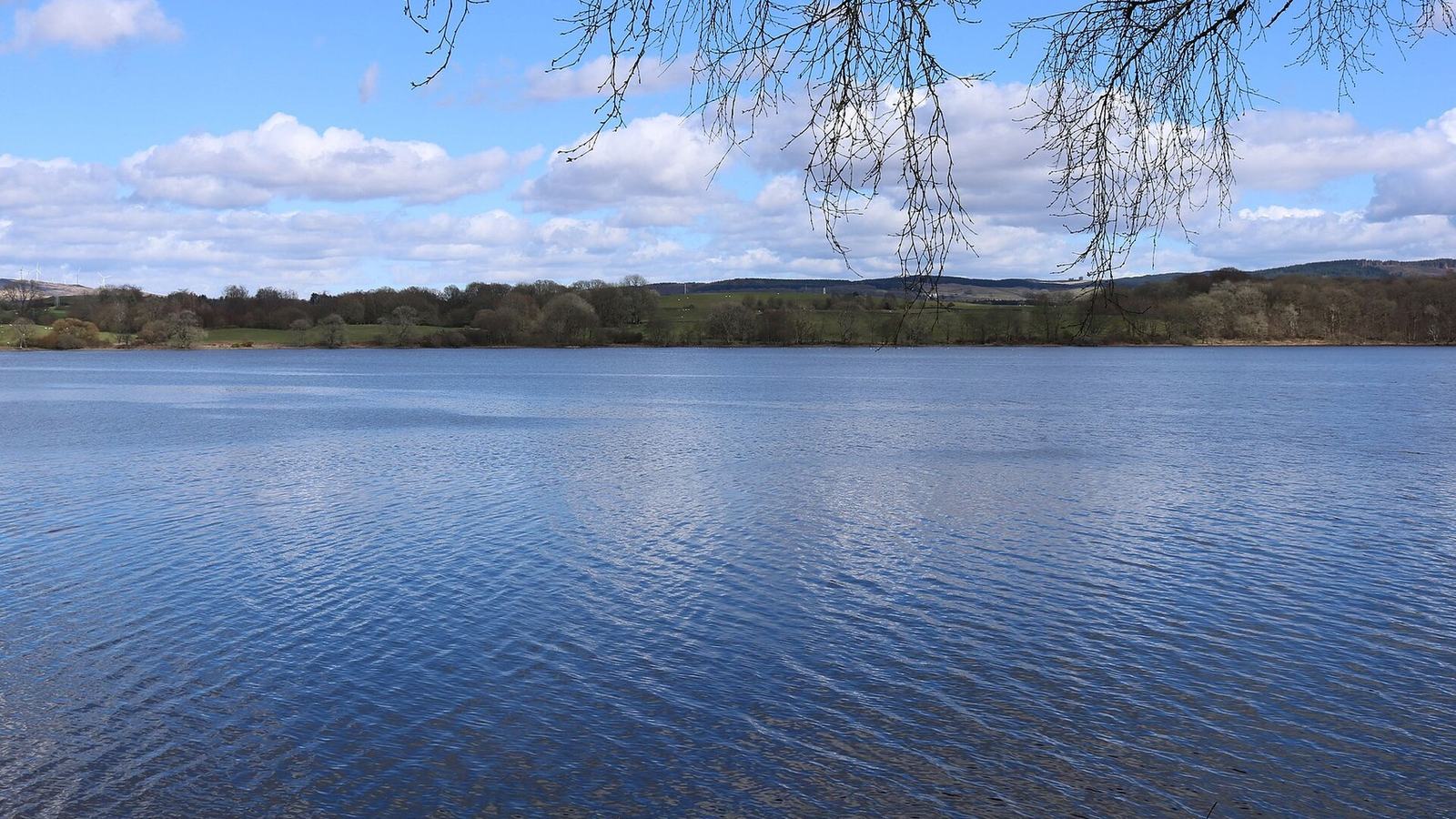
Loch Ken lies within the wider landscape of the Galloway and Southern Ayrshire UNESCO Biosphere, a region known for forests, wildlife and outdoor recreation. From a kayak, the loch provides close views of shoreline trees, changing reflections and the hills beyond. The scenery makes a short paddle rewarding even without a distant objective. Yet a broad, exposed section can behave differently from a sheltered inlet, particularly when wind increases. Visitors should choose a route around the conditions and ability of the crew. Small-boat travel is more enjoyable when everyone has time to appreciate the surroundings rather than concentrating on covering a large distance.
What the holiday park offers
Loch Ken Holiday Park’s watersports information describes activities including kayak hire and provides details for guests who bring their own craft. It is a useful source because the arrangements are tied to a specific waterside base, not an unspecified point on a map. Launching, storage and fees can depend on whether someone is staying at the park and which type of boat they bring. A visitor should confirm the current conditions directly before travelling with equipment. A reservation for accommodation does not automatically imply unrestricted boat access. Sorting out those details in advance makes the first day calmer and helps prevent a long journey ending with no appropriate place to launch.
The fatyak option
The holiday park advertises fatyak kayak hire, a form of broad, stable recreational kayak that may appeal to holidaymakers seeking a relaxed introduction to paddling. Stability should still be understood as relative rather than absolute, and a wide kayak can overturn if passengers move carelessly or conditions exceed its limits. Ask the operator how to board safely, where to paddle and what to do if the wind increases. The choice between single and tandem arrangements depends on weight capacity, physical ability and the equipment available. Children and first-time paddlers should follow the provider’s age and supervision requirements rather than assume a boat is suitable simply because it looks easy to use.
Galloway Activity Centre nearby
The wider Loch Ken area includes the Galloway Activity Centre, recognised for water sports such as sailing, windsurfing, canoeing, kayaking and other outdoor activities. This provides another option for visitors who prefer tuition or a more structured session rather than independent hire. A beginner can benefit from being shown basic strokes, turning and capsize procedures under supervision. Organised activities may operate on particular days or with minimum numbers, so booking and seasonal availability need checking. A family holiday can combine a short supervised paddling experience with time at a campsite or another land-based activity, avoiding the pressure to make every visitor independent on their first attempt.
Choosing an appropriate launching point
The presence of several activity providers does not mean every stretch of shore is open for private launches. A visitor bringing a kayak on a car roof needs to know which facility accepts outside craft, whether there is a fee and where parking and preparation are permitted. Loch Ken Holiday Park publishes its own arrangements for boats arriving by road or water, but those should not be generalised to other businesses or public sites. A boat ramp used by motorcraft may not be a suitable place to sort out paddles and personal flotation equipment. Preparing away from the water, then launching efficiently, reduces conflict with other users and keeps the start of the outing safe.
Sharing the loch with other vessels
Loch Ken supports a mixture of water-based activities, from quiet canoe trips to sailing and powered recreation. A kayak sits low in the water, making it harder to see against a wooded shore or a patch of reflected sunlight. Bright clothing, an appropriate lookout and a predictable route help reduce risk. Paddlers should avoid busy launching approaches and keep clear of organised activity areas when instructed. Motorboat operators must also be considerate of wake and speed around smaller craft. Everyone benefits from leaving adequate room for turning and manoeuvring. The safest route may be along an authorised, quieter section rather than through the busiest part of the loch.
Wind can reverse the day's difficulty
An outward paddle with a following breeze can feel effortless, tempting the crew to go farther than intended. The return may then involve hard work against the wind, particularly for a recreational kayak carrying inexperienced passengers. A visitor should check a current local forecast, observe the water before launching and set an early turnaround point. The loch can develop wind-driven chop despite appearing calm near shore. A conservative route is especially important for a solo paddler or a family with children. Deciding to return early when conditions change demonstrates skill and good judgement; it is not a failure to complete an outing.
Cold water in a Scottish loch
A mild day in Dumfries and Galloway does not guarantee warm water, and unexpected immersion can affect breathing and physical control. Every passenger should have correctly fitted buoyancy or lifejacket equipment and understand how to keep it on throughout the outing. Children must not be given loose adult-sized flotation as a substitute. Dress for the possibility of becoming wet rather than only for the temperature on land, and keep a means of contacting help protected from spray. A crew should learn how to recover after a capsize before heading far from the launch. The most useful safety gear is that which everyone understands and is prepared to use.
Watching wildlife without disturbance
The surrounding Galloway landscape is noted for its natural environment, and a quiet kayak may provide opportunities to watch waterbirds and shoreline animals. The low profile of a canoe does not mean it can approach wildlife without causing alarm. Birds may leave feeding or resting places if a boat moves too close, and nesting areas can be particularly sensitive. Binoculars make observation more rewarding without the need to cross a conservation boundary or enter a reedbed. A responsible visitor allows wildlife to behave naturally and carries rubbish back to shore. The beauty of an outing is often in the overall setting rather than a close encounter with a particular animal.
Paddling as a family activity
Family members may have very different levels of endurance and confidence. A route that feels short to a fit adult can be tiring for a child who is unfamiliar with paddling, especially if cold or wind develops. Choose the craft and session length with the least experienced participant in mind. A supervised hire experience can be preferable to a long independent journey. Bring water, suitable clothing and a simple plan that allows everyone to return to shore without pressure. The aim should be a positive first experience that encourages another visit, not a challenge to reach a distant point simply because it appears on the map.
A campsite base adds flexibility
A stay beside Loch Ken can make a water holiday easier to organise, as there is no need to transport equipment every day. It also allows boating plans to follow the weather instead of being fixed to a single arrival. A calm morning may suit a short paddle, while a windy afternoon can be spent on foot or relaxing at the park. Check the operator’s rules on where personal boats may be stored, whether locks are required and how equipment should be cleaned before entering the water. Leaving paddles or a kayak where they obstruct paths or launching access can create problems for other visitors. A thoughtful camping routine improves the whole experience.
Other outdoor activities in Galloway
The region offers cycling, walking, nature observation and other attractions, giving groups alternatives when paddling is not appropriate. VisitScotland’s information about the Galloway and Southern Ayrshire Biosphere places watersports alongside wildlife experiences and outdoor adventures. A family could enjoy a guided kayak session one day, then explore forest trails or nearby towns on another. This can be more relaxing than building a holiday entirely around one sport, especially when Scottish weather changes. If a planned session is cancelled for safety, the surrounding area remains worth visiting. A flexible itinerary turns weather awareness into a strength rather than an inconvenience.
Fishing and equipment considerations
Fishing is another established activity on inland lochs, and some visitors may want to combine paddling with angling from a small craft. This requires checking permissions, local fishing rules and whether the hire provider allows the activity. Hooks, rods and tackle need secure storage so they do not interfere with strokes or create a hazard during capsize recovery. A craft used for fishing still needs a lookout and must remain clear of other traffic. An angler should not anchor in a busy launch approach or block the passage of a sailing dinghy. The additional equipment should never push the boat beyond its permitted loading or make balance difficult.
Clean, drain and dry between waters
Owners visiting several Scottish lochs during the same holiday should avoid transferring invasive freshwater organisms on damp equipment. A kayak may retain water in seats, fittings and storage compartments even after the hull has been wiped down. Paddles and footwear can also carry material from one site to another. Cleaning and drying everything before moving to a new water body is a practical habit that helps protect local habitats. The same care applies to litter, fishing line and loose packaging, which should remain secured until they can be disposed of ashore. Good equipment management is a simple way to contribute to the long-term quality of the loch.
Seasonal operation and booking
A watersports listing confirms that activities are offered, not that every hire craft or instructor is available on a particular day. In late November, services may have reduced operating periods and cold conditions can change the suitability of a paddling trip. Contact the holiday park or activity centre about current dates, equipment, qualifications and cancellation procedures. Ask whether a lifejacket is included and whether the group needs to arrive early for a briefing. If bringing a private boat, clarify all access and fee arrangements before driving to the loch. A little preparation prevents uncertainty and allows a family to enjoy the destination rather than dealing with avoidable logistics.
A satisfying introduction to Galloway water
Loch Ken is attractive because it offers the possibility of uncomplicated paddling within a region rich in natural scenery, while local operators provide structured experiences for different abilities. The best outing is one that respects the loch’s shared use, weather and cold water, with a route that everyone can complete comfortably. A short supervised kayak session or an unhurried paddle from a recognised base may be all that is needed to appreciate the place. Combine time afloat with the region’s walking and wildlife opportunities, and keep the itinerary flexible. Responsible small-boat travel can make a modest distance feel like a complete holiday experience.
Sources and photograph attribution
Official destination and boating guidance: Loch Ken Holiday Park — Water Sports. Current access, rules, weather and reservations must be checked independently before travel.
Photograph: Billy McCrorie — “Loch Ken - geograph.org.uk - 5728247.jpg” (CC BY-SA 2.0), via Wikimedia Commons. Resized and converted to JPEG for editorial display. Source: https://commons.wikimedia.org/wiki/File:Loch_Ken_-_geograph.org.uk_-_5728247.jpg. Licence: https://creativecommons.org/licenses/by-sa/2.0. Original rights remain with the credited creator or as specified by the source and licence.
