
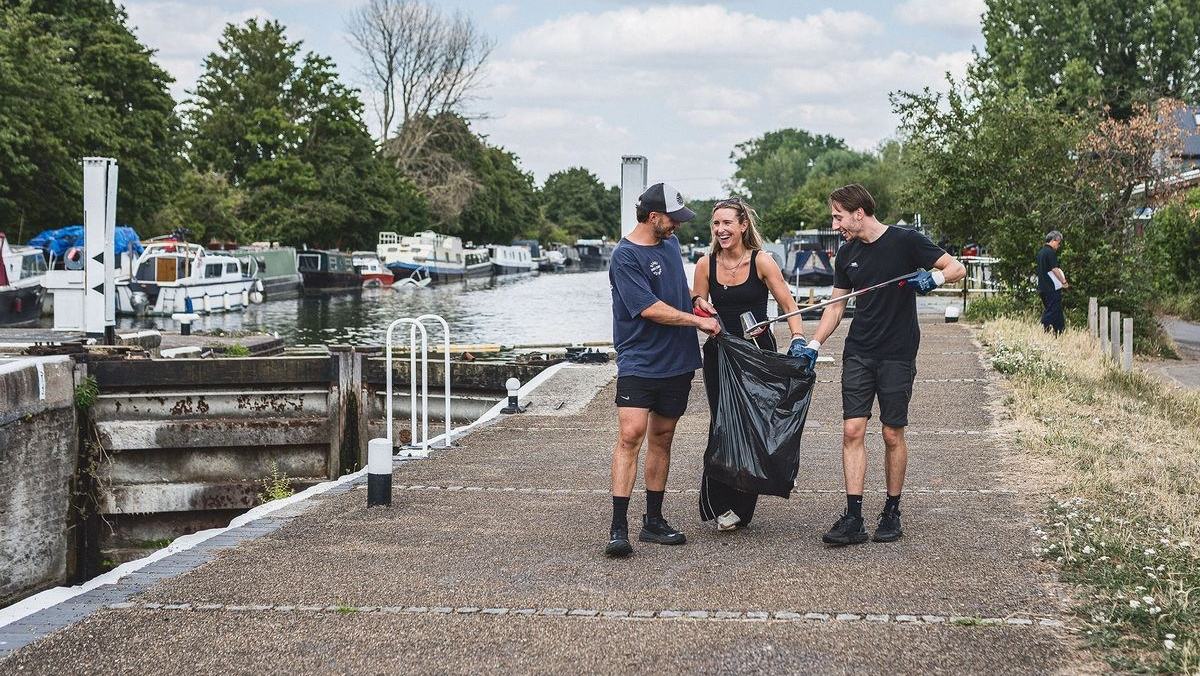
Canal & River Trust has launched The Little Canal Litter Pick, inviting people to record small clean-up efforts on an interactive map between now and 3 November 2026. Announced on 8 October, the campaign follows research suggesting that around 39 million items of litter could accumulate across England and Wales’s canals and towpaths annually without action. Plastics account for approximately 40 per cent of the recorded waste.
Small actions against a very large litter problem
Canal & River Trust has launched The Little Canal Litter Pick, inviting people to record small clean-up efforts on an interactive map between now and 3 November 2026. Announced on 8 October, the campaign follows research suggesting that around 39 million items of litter could accumulate across England and Wales’s canals and towpaths annually without action. Plastics account for approximately 40 per cent of the recorded waste.
The figures describe an estimated network-wide problem, not the volume found in any single boat basin. The charity already spends more than £4 million a year on litter and fly-tipping management, and its volunteers contribute around 200,000 hours annually. The campaign seeks to draw more local residents, walkers and boaters into that effort.
A map designed to make work visible
Participants are encouraged to collect litter safely, then record their efforts on a shared interactive map. The idea is to recognise even modest contributions, while giving the charity a clearer picture of places where waste repeatedly accumulates. The Trust estimates that approximately 2.6 million people picked litter beside its waterways in the past year.
A reliable map could help distinguish isolated problems from recurring hotspots. It will not, however, make rubbish disappear without continued work on bins, collection services and prevention. A single clean-up is useful, but sustained local teams and clear reporting routes are essential where waste returns rapidly.
How boaters can participate responsibly
A trip through a canal often reveals discarded packaging, floating bottles and rubbish trapped against vegetation or mooring pontoons. Anyone collecting it should use gloves or a litter picker and avoid sharp objects, contaminated material or anything that requires entering the water. Children should be supervised near banks and lock edges.
Boaters may be able to support a local group while moored, but should not approach hazardous debris with a boat hook while navigating or obstruct a lock landing. Waste collected during an activity should be disposed of through appropriate facilities. Navigation safety, wildlife protection and personal wellbeing come before attempting to recover every floating object.
Freshwater corridors worth protecting
Britain’s canals now form an important connected network of freshwater habitats as well as a distinctive recreational landscape. Litter can harm wildlife, spoil moorings and diminish the experience of a quiet towpath walk. The charity has also invested in technologies such as bubble barriers, specialist litter boats and a WasteShark aquatic drone.
The new campaign is supported by funds raised through the Postcode Lottery. Its strongest contribution may be to show how many individual actions combine into visible community effort. For leisure boaters, this is an invitation to support the places they use, while recognising that effective litter management also requires sustained infrastructure and investment. Where local residents have already organised regular clean-ups, a shared map may help attract newcomers and show their work to other groups. The campaign can also encourage people who seldom visit canals to discover how closely these habitats connect urban neighbourhoods with the countryside.
Source
Canal & River Trust