
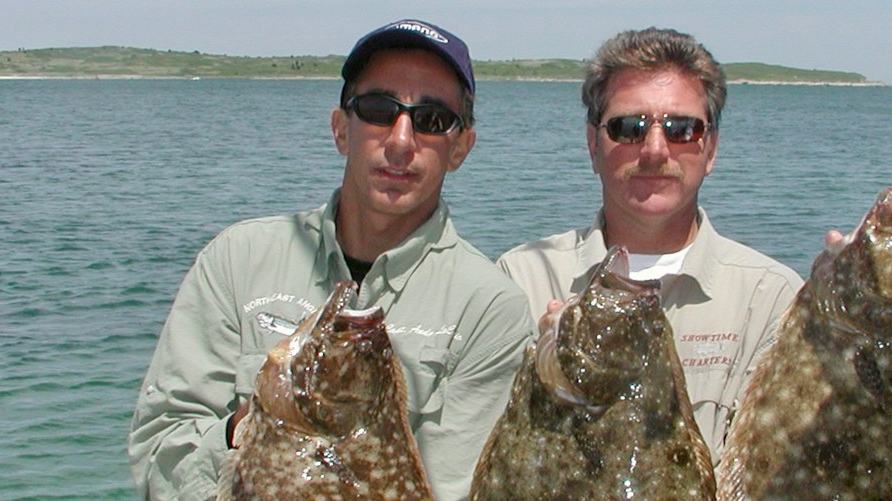
Yamaha Blue Life follows Capt. Andy LoCascio’s approach to summer flounder, using active light-tackle methods from a boat.
What to know
Fluke fishing can be much more active than simply dropping bait to the bottom. Light jigs and deliberate rod movement let anglers work the lure while the boat drifts.
The boat still needs to move at a useful speed. Too fast and the lure lifts away from the bottom, while too little movement can make the presentation look lifeless.
How to approach it
Depth and current determine how much weight is needed. Carrying several jig sizes allows the crew to adapt instead of forcing one setup to work everywhere.
Good drifts are worth repeating. Plotting the start and end points makes it easier to return to an area where fish are concentrated.
Where the practical value lies
This style of fishing suits smaller centre consoles and family boats because the gear is simple and the action happens close to the boat. It also keeps anglers engaged between bites.
An uncluttered deck helps because light tackle and multiple anglers can create tangles quickly. Rod holders and a clear landing area make the session easier.
Why it suits LBG readers
For LBG readers, fluke fishing offers a relatively affordable saltwater day. The boat does not need huge range or complicated equipment to be productive.
The main investment is attention. Reading drift, depth and bottom structure is what turns ordinary water into a better fishing session.
Source
Yamaha Blue Life