
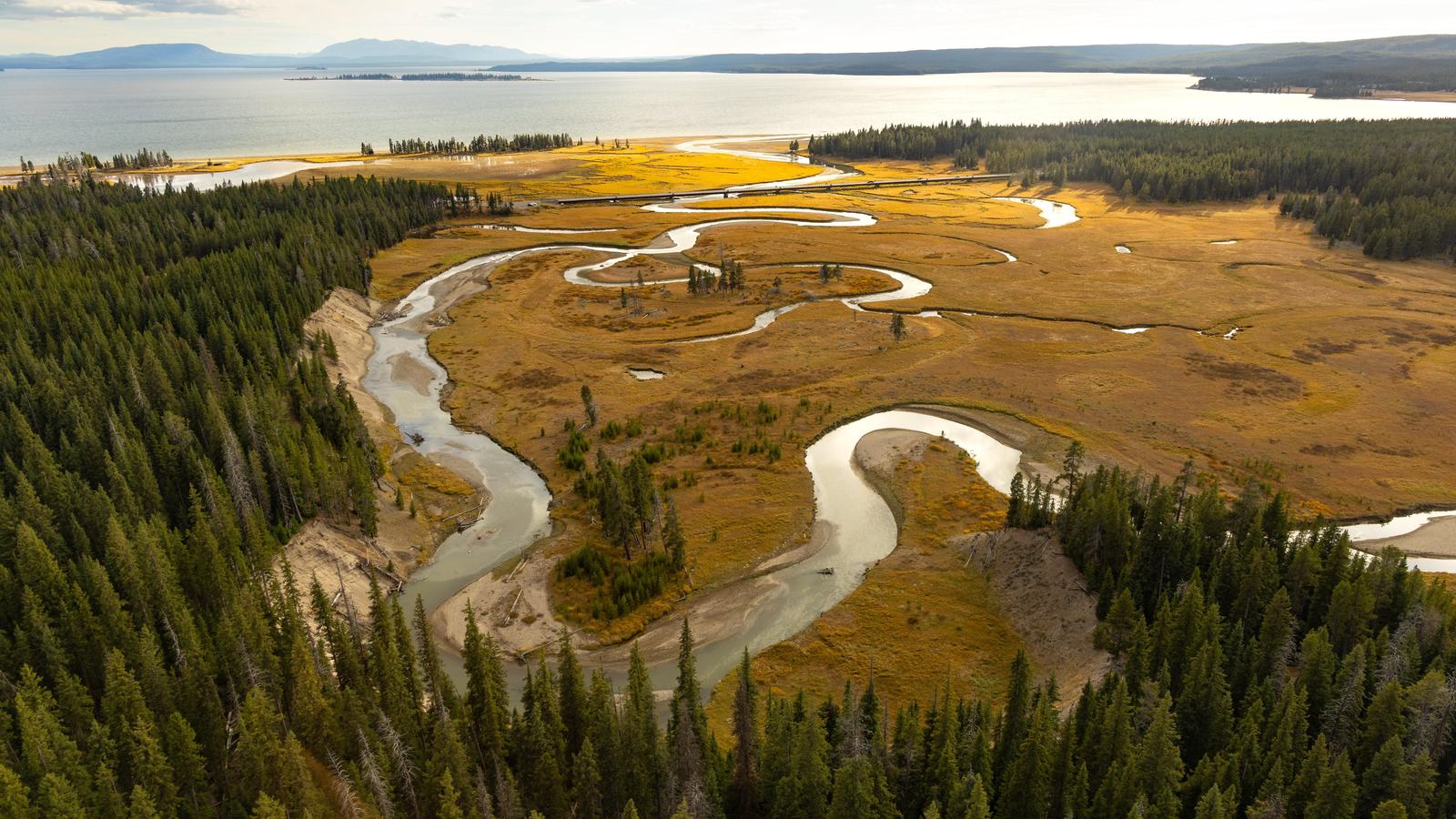
Yellowstone’s Lewis Lake permits motorboats as well as paddled craft, but inspection, park permits and mountain weather make advance planning essential.
A quieter boating destination in a famous park
Yellowstone is best known for geysers and wildlife, yet its southern lake country also offers a very different way to experience the national park. Lewis Lake sits near the South Entrance road and is one of only two Yellowstone lakes on which motorised boating is authorised. The other is Yellowstone Lake. Lewis Lake also welcomes appropriately equipped nonmotorised boats, making it an unusual shared destination for paddlers and small powerboat crews within a tightly protected landscape.
A day on Lewis Lake is not a casual case of towing a trailer into the park and finding any convenient shore. Yellowstone regulates when boats may operate, what types of craft are allowed and what inspections must take place before launch. The water is cold even when the land feels summery, and weather can create dangerous waves. Those factors are reasons to plan a short and conservative route rather than simply treating the lake as another recreational reservoir.
The published boating season generally begins on the Saturday of Memorial Day weekend and ends on October thirty-first, subject to current park directions and any closures. This matters for visitors planning a late-autumn trip: the road or campsite may look inviting while the legal boating season is about to end. Check the park’s current boating page and facilities information before travelling, particularly if the journey depends on a ranger station or permit counter being open.
Permit first, then the inspection
Every watercraft must pass the park’s aquatic invasive species inspection and have the appropriate Yellowstone boating permit before it enters park waters. Kayaks, canoes and motorboats are all included, even when they have been used on another clean-looking lake recently. The aim is to keep invasive organisms from spreading into a sensitive watershed. Arrive with a clean, drained and dry boat, and allow enough time for staff to complete the required checks.
Yellowstone’s current visitor guidance distinguishes the locations that sell permits from those that perform inspections. The Lewis Lake Ranger Station can conduct inspections in its published season, but the park instructs boaters to purchase a permit at Grant Ranger Station beforehand. This is an important piece of the driving itinerary: going straight to the ramp may mean an unnecessary return journey. Verify operating hours before departure because ranger services and seasonal availability can change.
Fees differ for motorised and nonmotorised boats and for short-term or seasonal permits. Check the latest park fee table rather than relying on an older amount printed in a guide. Equipment and activity limits also matter: personal watercraft and water-skiing are not permitted, and craft must meet the park’s size limits. A valid registration from another state does not replace Yellowstone’s own entry and inspection process.
The launch and water demand mountain judgment
Lewis Lake has a developed access point on its southeastern shore, but the existence of a launch is no guarantee of gentle water. Wind can cross the lake and build steep, cold waves that are difficult for a small craft to manage. Watch conditions from shore before launching, check the weather forecast and understand how the boat will get back if the wind shifts. For an introductory outing, a sheltered near-shore route is a more sensible goal than a long traverse.
Cold-water immersion is the most serious risk for paddlers. A person unexpectedly entering water at Yellowstone elevation can lose dexterity quickly, even in sunshine. Everyone should wear an appropriate life jacket; paddlers should choose immersion clothing suited to the conditions rather than assuming a light shirt is sufficient. Keep a means of communication protected from water, and do not rely on a distant engine or another tourist to provide an immediate rescue.
Motorboat operators should keep wakes and speed controlled near launching and shore areas, give paddlers a generous margin and respect wildlife. A boat that can cover distance quickly still needs a full fuel reserve and working navigation equipment. The lake’s shorelines can look similar from the water, particularly when clouds obscure mountain landmarks. Record the return point and allow ample daylight, with a route that can be shortened if conditions change.
Know the boundary between Lewis and Shoshone
The adjoining Shoshone Lake region attracts adventurous paddlers, but it is not simply an extension of motorboat water. Access from Lewis Lake involves the Lewis River channel and a much more deliberate nonmotorised backcountry journey. A powerboat crew must not assume that an apparently navigable connection permits engines beyond the designated motor zone. Consult the current park boating map and regulations, then keep to the lawful operating area for the vessel.
A longer backcountry plan also changes the safety calculation. Carrying camping equipment and moving between water bodies requires route knowledge, an understanding of permitted overnight sites and time for difficult weather. Wildlife corridors are not spectator attractions to approach by boat, and shoreline landings should follow park restrictions. For most visitors a measured Lewis Lake trip, ending where it started, offers ample mountain scenery without adding unnecessary logistical complexity.
Lewis Lake is rewarding because its waters provide an unexpected perspective on Yellowstone’s quieter southern landscape. The access rules may initially seem demanding, but they protect the lake as well as future boaters. Obtain the right permit at the right station, present a thoroughly cleaned craft for inspection and treat wind and water temperature as decisive. With those preparations, a short boating visit can become a memorable part of the park rather than an avoidable incident.
Primary planning source: National Park Service Yellowstone boating regulations, checked against current boating guidance. Consult the original National Park Service guidance and current notices before departure.