
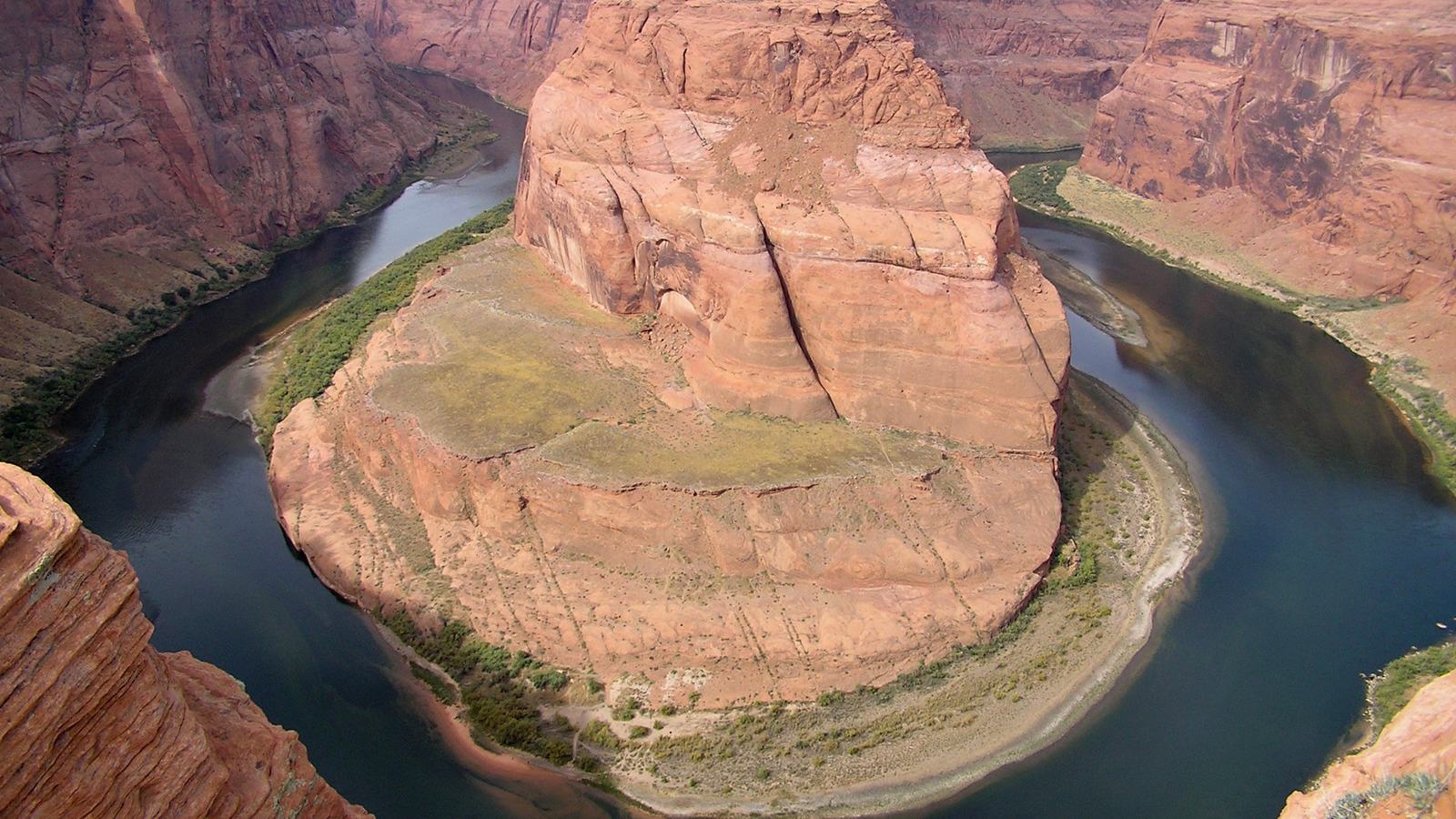
Lees Ferry offers a distinctive Colorado River paddle below Glen Canyon Dam. Cold water, changing flows, backhaul logistics and a mandatory free permit shape the adventure.
A river gateway with its own kind of journey
Lees Ferry is a rare vehicle-access point on the Colorado River between the canyon walls of northern Arizona. Within Glen Canyon National Recreation Area, it serves both large Grand Canyon river expeditions heading downstream and smaller outings upstream towards the reach below Glen Canyon Dam. For recreational kayakers, the attraction is the possibility of drifting through striking sandstone scenery on cold, clear water. This is not the same boating environment as the broad recreational reaches of Lake Powell above the dam.
The National Park Service describes two broad ways to enjoy the upstream stretch. Some paddlers launch at Lees Ferry, work upstream for a manageable distance and then float back. Others arrange a motorboat backhaul to carry themselves and their kayaks upstream, allowing a longer downstream return. Either option requires thinking through the landing, the water flow and the realistic capabilities of the paddler rather than expecting the current to deliver a guaranteed easy ride.
The access road arrives from US Highway 89A near Marble Canyon, and the river launch is supported by basic visitor facilities rather than a luxury marina. Prepare the boats before occupying the ramp so other users can move through safely. Guided providers and authorised backhaul operators may be useful for unfamiliar visitors, but services should be checked and booked directly. Local knowledge cannot replace personal flotation, weather awareness and the ability to control the kayak.
Backhauls, dam releases and river navigation
The river’s flow is influenced by releases at Glen Canyon Dam. Conditions can change between departure and the return, while the water remains extremely cold regardless of the weather above the cliffs. The park advises paddlers to check the day’s dam outflow before planning a journey. A strong current or wind can make the effort required to paddle upstream much greater than the distance suggests, and a long downriver drift still requires active steering and attention.
There is no public put-in immediately below Glen Canyon Dam, so a long trip through the upper reach cannot simply begin by unloading a kayak at the structure. Where a backhaul is used, confirm the authorised operator, meeting time, equipment arrangements and intended drop-off. Plan the downstream route without assuming a particular beach will provide a convenient exit. The aim is to return safely to Lees Ferry, not to reach the dam at all costs.
Federal restrictions prohibit recreational river travel upstream of closure buoys approximately a quarter-mile below the dam without the required Bureau of Reclamation permission. The park also sets seasonal protections, including a restricted river area near Kayak Beach during the osprey breeding season. Review the current superintendent’s rules before departure, and let a qualified operator explain any active closures. An impressive canyon setting does not make restricted water available for casual exploration.
The permit and life-jacket rules are essential
Everyone travelling by watercraft between Glen Canyon Dam and Lees Ferry must obtain a free Lees Ferry backcountry permit, with one permit required per group. The National Park Service provides self-service kiosks near the launch: leave the required copy and carry the other. The permit does not reserve a campsite or give exclusive rights to a part of the river. It simply forms part of the rules for a group using this highly distinctive corridor.
The NPS requires every occupant of a hand-propelled craft on this reach to wear a US Coast Guard-approved life jacket while underway. This is a mandatory rule, not a suggestion for children or inexperienced paddlers. Wear suitable thermal layers for a cold-water accident, secure loose gear and protect any communication equipment from immersion. All paddlers should understand what to do if a member capsizes or loses a paddle, especially where the river is remote from a road.
The upstream paved launch section at Lees Ferry is for boats using the river above the landing, while the downstream gravel section serves groups starting trips through the Grand Canyon. NPS guidance limits ordinary use of public access ramps and docks to thirty minutes per party for launching or retrieval, unless special permission applies. Have boats loaded and organised before occupying scarce ramp space, and show consideration for commercial guides, anglers and other river users.
Camping, packing out and choosing a safe day
The river corridor offers designated camping areas for those arranging an overnight trip, but the backcountry permit does not reserve a place. Campers should review the current park map and arrive with a fallback plan rather than counting on one particular beach. NPS guidance states that trash receptacles are not available at upstream river campsites, so every visitor must bring all waste back out. A compact dry bag for rubbish is as necessary as one for spare clothing.
Desert heat can be severe while the water remains cold, creating a deceptive combination of sun exposure and immersion risk. Carry more drinking water than a short paddle might seem to demand, sun protection, a repair kit and a means of signalling for help. Check upstream and downstream wind forecasts, and allow time for delays at the shared launch. A kayak trip can be shortened or postponed if forecasts, flow or the skills of the group do not support the plan.
Lees Ferry rewards a measured journey that respects both the power of the river and the people who share it. It provides a memorable way to understand Glen Canyon from water level, but only after sorting out how the craft will travel upstream, how the party will return and which rules apply. Secure the free permit, wear the required life jacket and heed closure buoys. Good logistics turn the day into an adventure rather than a rescue problem.
Primary planning source: National Park Service Lees Ferry visitor and boating regulations. Consult the original National Park Service guidance and current notices before departure.