
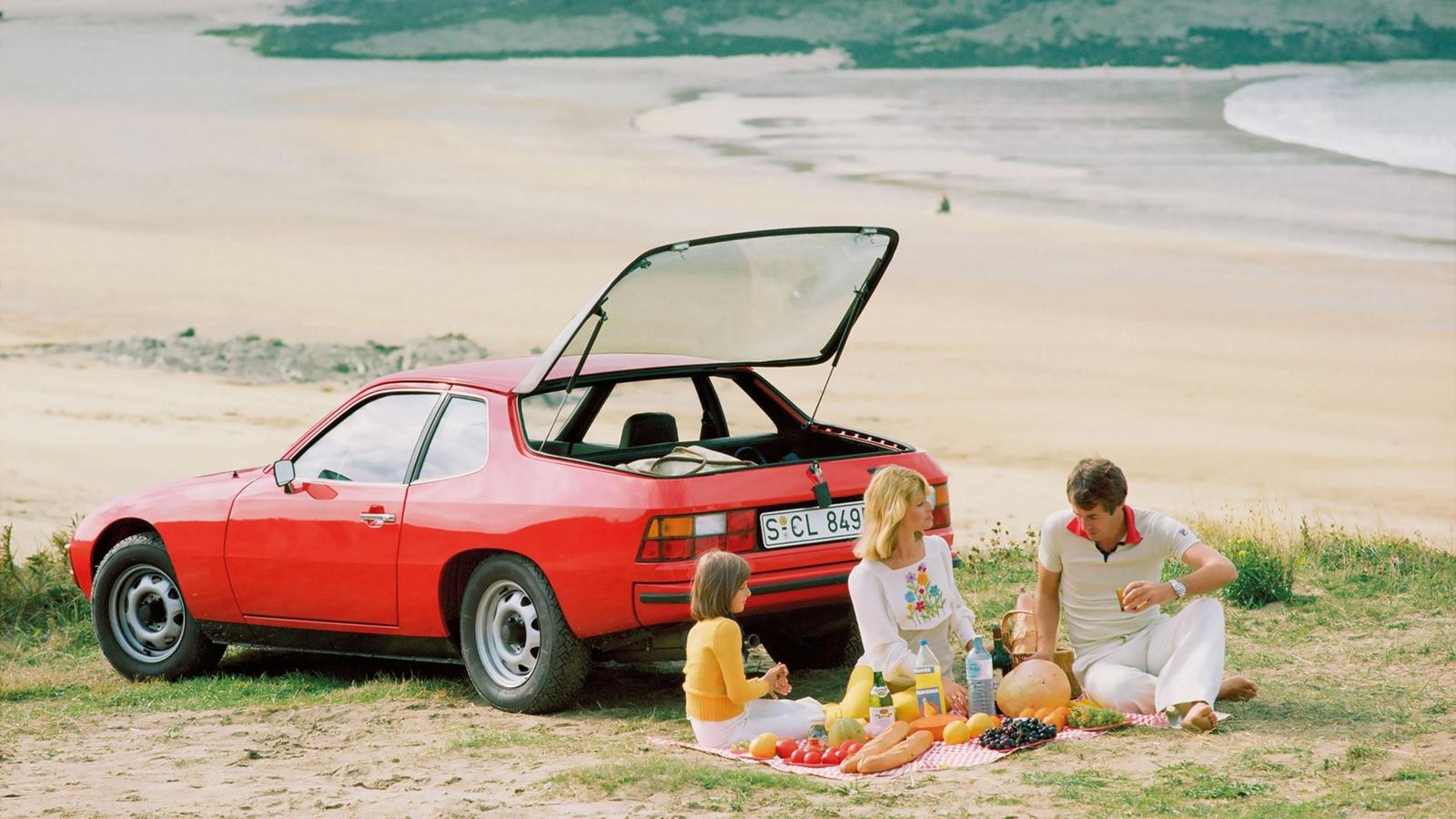
Porsche's 50-year retrospective traces the 924 from a Volkswagen development contract to a front-engined sports car that broadened the brand.
A different definition of a Porsche
A car may be used for the journey to a harbour, even if the boat stays at its destination. This motoring announcement is lifestyle coverage and does not itself establish trailer-towing suitability. For the 12.00–23.99-metre luxury-yacht market, this development has a specific place in the wider marine and travel picture. The Porsche 924 arrived in 1976 with its engine at the front, transmission at the rear and a large glass hatch above a practical 2+2 interior. In a 50-year retrospective published in July 2026, the manufacturer revisits how that layout challenged the familiar image created by the rear-engined 911.
The transaxle arrangement used a rigid connecting shaft to link engine and gearbox, supporting a different approach to weight distribution. The design was conceived as more than an inexpensive alternative: Porsche's team regarded it as a possible direction for the brand's future.
From a Volkswagen brief to a Porsche
The development began as project EA 425 for Volkswagen, with Porsche's designers working within a largely defined mechanical package. When Volkswagen cancelled the programme during the economic and strategic changes of the mid-1970s, Porsche bought it back and continued the car under its own name.
Designer Harm Lagaaij recalled that the team began without a strong precedent for this particular Volkswagen concept. Its long bonnet, pop-up headlights and rear glass hatch were already taking shape before the change in ownership.
A sports car for everyday use
The 924's layout allowed more room for passengers and luggage than the familiar pure two-seat image might suggest, and Porsche even marketed it as a family sports wagon. Those practical details gave the model its own identity alongside the 911 instead of asking customers to see it as the same car in a different body.
Its clean 1970s lines also helped establish a design language that continued through later front-engined transaxle models. The anniversary account places that change in the context of a company seeking both technical and commercial breadth.
Why the idea still matters to collectors
The original 924 is now a way to trace a moment when Porsche experimented openly with its engineering identity. Period sketches, advertising and the company's photographs show how the car moved from clay-model proportions to an unfamiliar but recognisable shape.
The source is a current 50th-anniversary retrospective, not a new production release or an invented price forecast. Buyers of individual surviving cars should evaluate mechanical condition, originality and documentation separately. A stay or purchase can accompany a coastal cruise without becoming a marine service in its own right. Guests should confirm availability, travel arrangements and the stated specifications with the original provider before building an itinerary around it. For anyone transporting a boat or trailer, check the specific vehicle’s approved tow rating, braked and unbraked limits, nose weight, licence requirements and real loaded trailer mass. Styling or engine output alone does not establish suitability.
Source
Porsche Newsroom