
An original Glenorchy and Lake Wakatipu small-boat guide covering scenic viewpoints, conditions, safety, local transport and shore activities.
A village at the head of a great lake
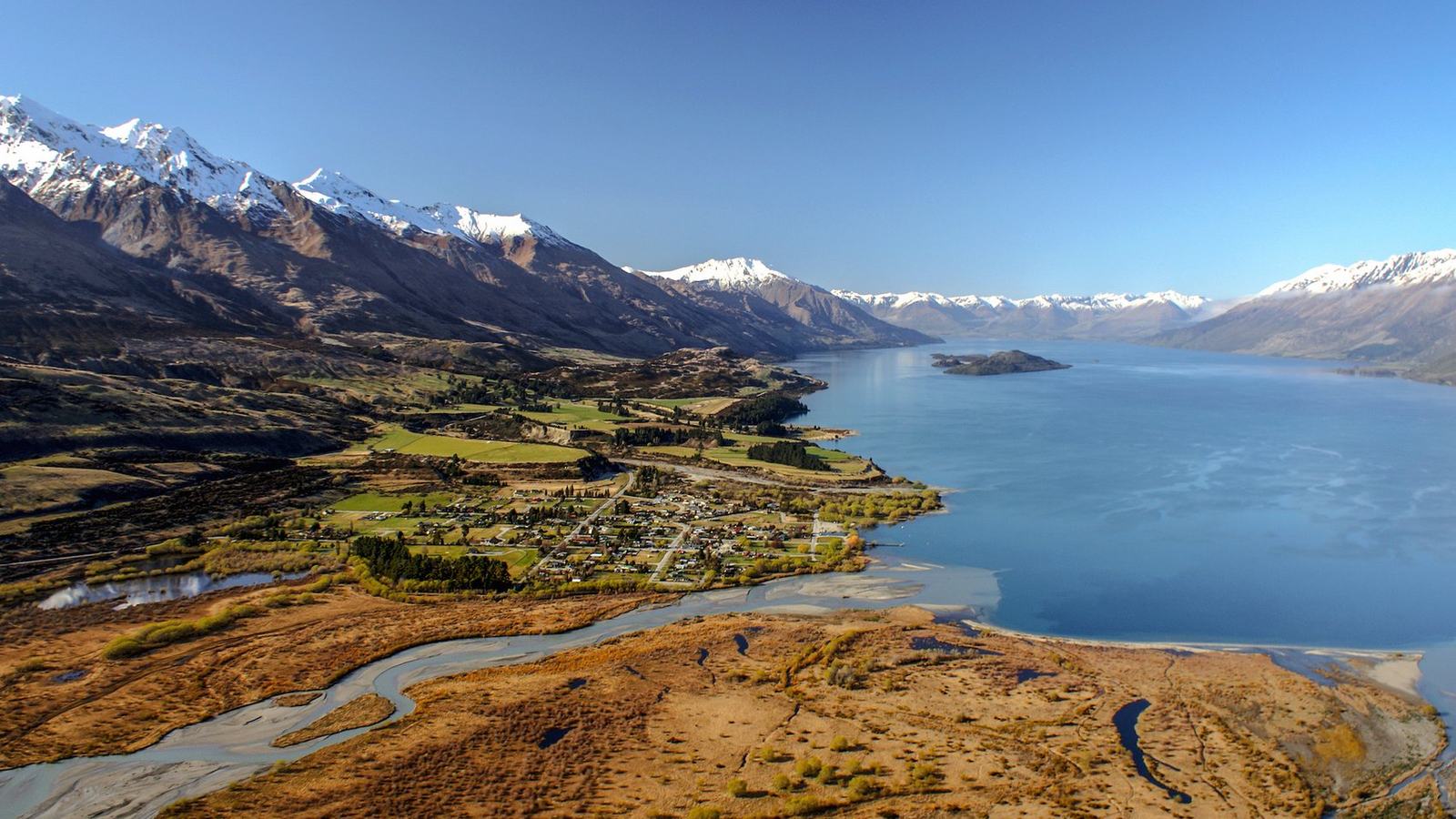
Glenorchy sits where the northern end of Lake Wakatipu meets the mountain landscape of Otago. The New Zealand Department of Conservation identifies the village as a gateway to the surrounding valleys and walking areas. For a boating visitor, this geographic position is the attraction: water reaches toward wooded hills and dramatic peaks, creating a very different atmosphere from Queenstown's busy visitor waterfront. A small-boat excursion can be a peaceful way to appreciate the setting, but lake conditions must govern what happens. No picturesque photograph can establish that any particular launch, rental or route is safe on a given day.
The meaning of the head of the lake
The northern shores can feel almost enclosed by mountains even though Wakatipu is a substantial inland lake. Glenorchy provides a useful starting point for understanding this landscape, not a promise that every part of the water can be visited on a short trip. Before choosing a route, look carefully at the shape of the shoreline and the distance between landings. A sheltered corner beside the settlement may be very different from a longer open-water passage. The sensible plan is to explore a manageable area with a straightforward return instead of treating the shoreline as an invitation to travel as far as the eye can see.
Arriving from Queenstown
Many visitors reach Glenorchy by road from Queenstown, following scenery that encourages frequent stops. That journey should form part of the day's timing rather than be regarded as incidental. Confirm the road conditions, parking possibilities and actual departure point directly with the operator or the relevant public authority. Small-boat facilities, privately operated services and walking access may have separate arrangements. Allow time to ask questions, fit equipment and change clothing before launching. If a booking includes transport, establish whether the pickup is in Queenstown, Glenorchy or another location. Unhurried arrival reduces the temptation to skip important safety checks.
Selecting the right boating experience
A guided kayak, small powered craft and larger sightseeing vessel provide different ways to engage with the lake. A kayak encourages quiet observation but requires the paddler to steer, balance and propel the boat. A powered craft can cover more water while introducing navigation, speed and fuel-management responsibilities. Visitors should select an option appropriate to their experience, physical ability and the day's conditions, rather than assuming that a particular type is always offered at Glenorchy. Ask the supplier about the launch location, group size, equipment, expected time afloat and whether the excursion can be adapted or cancelled for weather.
The view from near the surface
From a low boat, the surrounding slopes seem taller and reflections can become as captivating as the mountain shapes themselves. On calm water, even small ripples change the appearance of the landscape. Look at the transition from vegetation to lake, the line of distant valleys and the shifting layers of cloud above the peaks. Such observations require no heroic distance. A quiet circuit can offer more than a hurried attempt to reach a distant point. Photographers should keep cameras secured and avoid standing or leaning in a small boat. The safest position for a compelling view is usually the one the skipper or guide approves.
Alpine-lake wind and exposure
Lake Wakatipu is a large body of water where wind and waves can make small-craft boating demanding. Conditions in a sheltered bay should not be used as evidence of what lies around the next point. Review the official forecast and seek local advice immediately before departure, paying attention to wind direction, stronger gusts, rain and visibility. Consider how weather may change during the outing and how difficult returning could become. An offshore breeze may create a deceptively easy outward journey. A prudent operator will favour an early return or cancellation over an impressive but unsafe itinerary.
Cold-water precautions
The air can feel pleasant while the lake remains cold enough to make immersion serious. Wear a correctly fitted personal flotation device and clothing chosen for the water temperature as well as the weather above it. A waterproof bag should carry dry layers and essentials, but it cannot compensate for an inadequate safety plan. Ask whether an operator supplies suitable immersion protection, what rescue procedures are used and whether participants need prior paddling experience. A phone in a waterproof pouch is convenient, but reception and power should not be presumed. A suitable means of summoning assistance is especially important away from easy shore access.
Launch and landing etiquette
Boat handling begins before leaving the shore. Prepare equipment away from the access point where possible, so others can launch and recover safely. Secure loose items, check flotation devices and agree on a meeting point for the group. If using a kayak, practise basic steering and stopping near a suitable shore before exploring further. When returning, observe waves and other traffic before approaching a landing. A jetty, beach or apparent ramp may carry restrictions or practical hazards, so verify current rules and avoid occupying facilities intended for other users. A controlled recovery is part of a successful day's boating, not an afterthought.
Looking toward the mountains
The visual appeal of Glenorchy lies in the contrast between open water and the high country beyond it. A short trip may offer changing views of the settlement, the broader valley and the slopes that rise above the shoreline. It is better to describe those scenes accurately than promise a precise sighting or route that has not been confirmed. Local guides can help identify landscape features and explain how weather affects what can be seen. Where a mountain appears close, remember that perspective can make distances deceptive. The aim is to appreciate the lake's scale without making unnecessary crossings.
Wildlife without disturbance
Birds and other wildlife may be visible around the shore and water, but no visitor should expect a guaranteed encounter. Keep a generous distance from animals, especially when they are resting or nesting, and do not steer closer merely for photographs. Avoid feeding wildlife, dropping food into the lake or making repeated noisy passes along sensitive shorelines. A small craft is especially well suited to quiet watching when paddled responsibly. Follow any conservation restrictions and take every item of rubbish away. The best observation is often a brief encounter that leaves an animal behaving naturally after the boat has moved on.
Pairing water time with the shore
The Department of Conservation's Glenorchy information emphasises the area's walking opportunities, giving visitors a reason to balance boating with time on land. A lakeside walk can reveal details of vegetation and valley geography that are less obvious from the water, while a boat makes the full landscape easier to understand. Check current track status and access rules before combining activities. Do not turn a half-day of boating into a rushed schedule that also assumes a lengthy hike. Weather may favour a shorter shore excursion instead of a launch. This flexibility helps make the visit satisfying even when lake conditions are unsuitable.
Families, beginners and comfort
A family outing requires more than enough seats. Confirm whether the chosen craft and operator can accommodate children, non-swimmers or participants with limited mobility. Everyone should have a correctly sized flotation device, and the route should reflect the least experienced person's abilities. Ask about toilet facilities, sheltered waiting areas and how far participants must carry equipment. A guided short trip may be ideal for beginners, but only if the guide makes the conditions and physical demands clear. There is no value in disguising an exposed alpine-lake excursion as effortless sightseeing. Comfort begins with realistic expectations.
Questions for the operator
Before payment, establish exactly what the booking includes, whether equipment and transport are provided, and what happens if the wind prevents departure. Ask how many people will be in the group, what language the briefing uses and whether there are age or weight restrictions. Clarify the route's general exposure and how a change of conditions would affect its duration. Written cancellation and refund terms matter. Visitors bringing their own craft should instead verify appropriate launch permissions, local navigation rules and the capabilities of the boat itself. A supplier's clear answers are often a better sign of professionalism than elaborate promotional claims.
A simple preparation checklist
The practical essentials include weather information, appropriate flotation, safe clothing, fresh drinking water, sun protection, a dry layer and reliable communications. Carry an offline map or suitable chart when the route warrants it and tell a responsible person on shore where the boat intends to go. Protect car keys, medication and other irreplaceable items from water. Avoid overloading a small craft with hard cases and loose gear that can affect balance. Check the boat's condition before departure, including any paddle, steering or propulsion system. Each item serves a purpose; equipment should be chosen for actual conditions rather than a generic packing list.
An illustrative half-day
A measured first visit might begin with a forecast review and a briefing on shore, followed by a conservative outing within suitable water near Glenorchy. Spend the opening minutes assessing comfort and boat handling, then pause at safe locations to enjoy the mountain landscape. Turn back with generous time and energy in reserve. After a controlled landing, change into dry clothes and consider a short permitted walk if conditions allow. This is a planning model, not an advertised tour or a promise that the route will be available. The lake, the operator and the group's abilities must determine the actual itinerary.
The reward of an unhurried visit
Glenorchy's attraction is not a record distance or a list of completed activities. It is the opportunity to see water, mountains and a small village in relation to one another. A short safe paddle or carefully conducted boat excursion can provide that perspective without venturing far from a suitable landing. When wind or weather prevents the trip, enjoying the landscape from shore remains worthwhile. Use official conservation information for the wider setting and current local advice for the boating decision. The strongest memory is likely to be a moment of quiet observation rather than a timetable fulfilled at any cost.
Sources and photograph attribution
Official destination and boating guidance: New Zealand Department of Conservation — Glenorchy area. Current access, rules, weather and reservations must be checked independently before travel.
Photograph: Vladka Kennett — Glenorchy at the Head of Lake Wakatipu.jpg (CC BY-SA 3.0) via Wikimedia Commons. Original image resized as JPEG. Historic genuine photograph of Glenorchy and Lake Wakatipu; not a 2026 rental fleet, current tour, lake forecast or guaranteed paddling itinerary. Source: https://commons.wikimedia.org/wiki/File:Glenorchy_at_the_Head_of_Lake_Wakatipu.jpg. Licence: https://creativecommons.org/licenses/by-sa/3.0. Original rights remain with the credited creator or as specified by the source and licence.
