
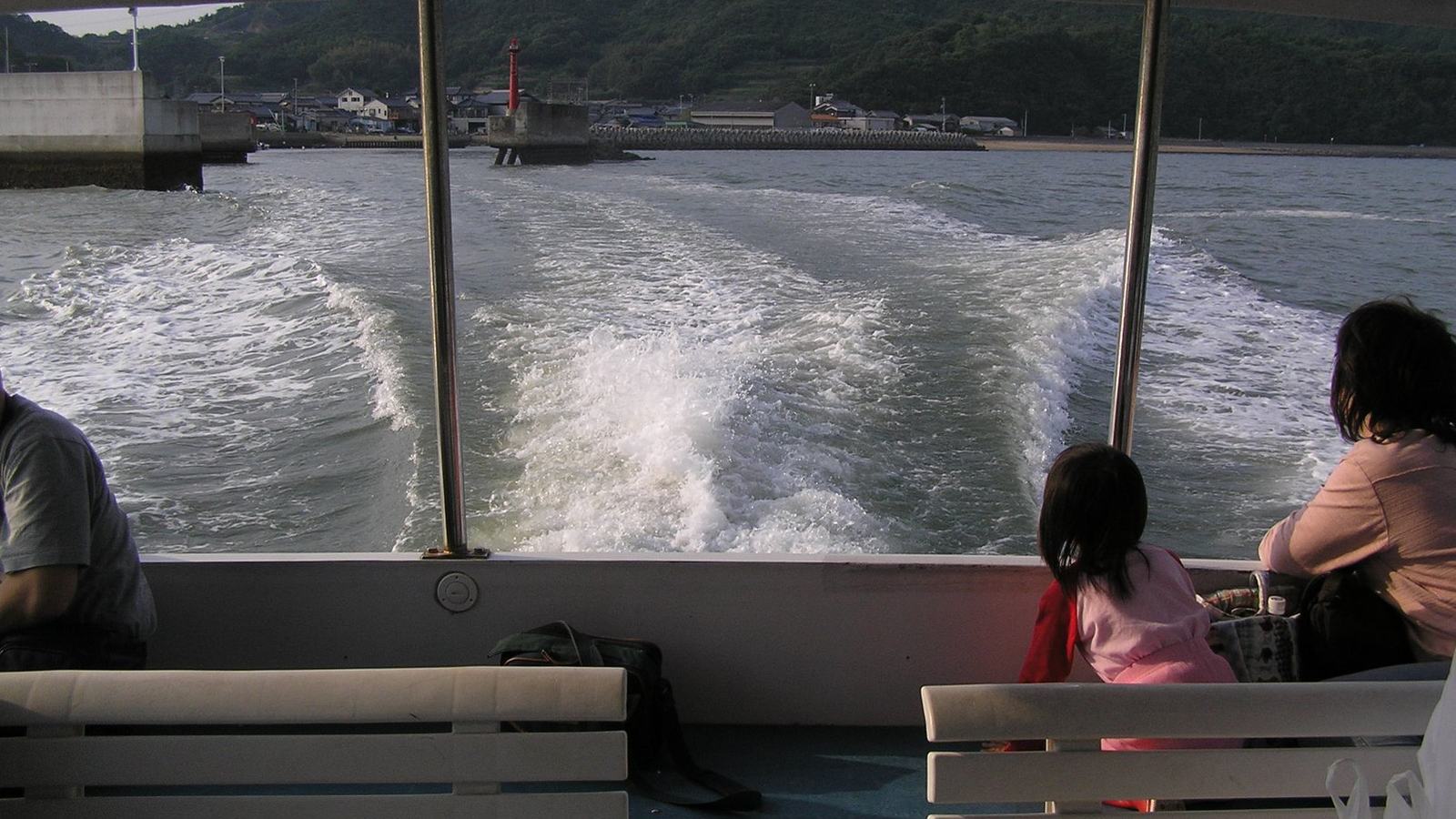
Original Inujima ferry travel feature on Hoden Port, coastal scenery, island art, walking routes, practical safety and visitor planning.
A ten-minute crossing to a different pace
Inujima lies in the Seto Inland Sea near Okayama and offers a rewarding example of how a brief ferry ride can change the character of a day. Japan's official National Tourism Organization describes an approximately ten-minute ferry journey from Hoden Port and highlights the island's art and industrial heritage. For boating enthusiasts, this is not a voyage demanding expensive equipment or an ambitious route: it is an opportunity to appreciate small-scale island transport and the relationship between a working landing and a compact community. The water crossing is part of the experience, and its simplicity leaves time to explore the island respectfully.
The island's distinctive character
Inujima's name is often translated as Dog Island, referring to a rock form that suggests a sitting dog. Its present reputation is more closely linked to art, with projects that reuse and reinterpret the island's industrial history. A passenger arriving by ferry sees a place smaller and quieter than Japan's metropolitan destinations. The visit should not be reduced to a collection of photographs of buildings, because the harbour, shoreline and connections between land and sea are equally revealing. The sensible itinerary leaves room for walking slowly, following designated access routes and observing daily island life without assuming that every corner is part of a public attraction.
Planning the ferry from Hoden Port
The official tourism information identifies Hoden Port as the mainland connection, making the starting point clear even though travellers must separately verify schedules and operator arrangements. Confirm the exact terminal, ticket payment methods and return departures before leaving, particularly if travelling outside a busy holiday period. A crossing described as ten minutes still requires time for reaching the port, waiting, boarding and navigating the island after arrival. If the last available return boat is missed, the resulting inconvenience may be considerable. Avoid building an itinerary that relies on catching a single service without checking alternative arrangements and current availability.
Why a ferry suits the destination
A ferry is more than the fastest way to arrive: it reveals the geography that defines Inujima. From the deck, passengers can see the island's relative scale, nearby water traffic and the changing silhouette of its shoreline. The experience depends on the route and visibility, so a travel feature should not promise a particular photograph or sighting. Follow crew instructions about boarding, seating and moving around the vessel. Even a short sheltered-water passage can be affected by wind and weather. Keep bags secure and avoid standing where movement might interfere with other passengers or safe operation.
The Seto Inland Sea setting
The Seto Inland Sea is a network of islands and channels rather than an open ocean shoreline. This creates an appealing sense of proximity between different places, but the water is also used by commercial and local traffic. A visitor on a ferry can appreciate this working landscape by watching vessels carefully without blocking circulation areas. Island hopping may look straightforward on a map, yet transfers often depend on different routes and schedules. Inujima should be planned on its own terms rather than treated as a guaranteed stop on a continuous excursion to every well-known art island in the region.
Art and reused industrial spaces
The Inujima Seirensho Art Museum is part of the island's well-known cultural identity, connected with a former copper refinery and the broader art initiatives associated with the Setouchi region. The contrast between historic industrial structures and contemporary artistic presentation is especially striking on a small island. Check current admission, opening days, reservation requirements and any restrictions on photography directly from the attraction's operators. An island's popularity as a cultural destination does not make every building or courtyard publicly accessible. Approaching the museum with time to understand its historical context can be more rewarding than rushing through only to see a famous exterior.
Shoreline walking after arrival
Walking is central to an Inujima visit because the island's intimate size encourages exploration on foot. Use marked paths and local signage, and allow for changes in elevation, uneven surfaces and weather. Sensible footwear is preferable to clothing chosen solely for a photograph. Visitors should remain aware that some lanes are residential and that residents deserve privacy. A calm coastal path can offer a perspective on the water that differs from the ferry deck, including the rhythm of small harbours, rock edges and the relationship between homes and boat access. Do not enter restricted coastal structures or private property.
Choosing when to visit
Season and day of the week can significantly affect the practicality of a small-island outing. Check attraction opening days, ferry departures and likely weather for the specific date. A quiet island may offer a more reflective experience, but it may also have fewer services available. Rain and wind can change walking conditions and reduce the comfort of a ferry transfer. Avoid assuming that every advertised café or facility operates all year. If travelling as part of a longer regional journey, reserve flexibility for changes to transport schedules and unexpected delays. The best visit is one that leaves enough time for both crossings.
Respecting local island life
Inujima is a living place, not an outdoor museum where visitors may enter every doorway or photograph everyone without consent. Keep noise considerate near homes, respect private signs and support local services where possible. Carry rubbish away if public disposal facilities are limited, and avoid leaving packaging beside paths or on the shore. Ask permission before photographing identifiable residents. Small islands can be particularly sensitive to crowding around landings and narrow lanes, so be patient when groups disembark. A respectful approach helps the artistic visitor economy coexist with the ordinary needs of the community.
What to pack for the outing
The simplest packing list is often the most practical: comfortable walking shoes, water, sun protection, a light rain layer, any required medication and a secure day bag. Check whether payment cards are accepted for the services you plan to use, and carry suitable alternatives if necessary. Keep a copy of the ferry schedule accessible without relying entirely on mobile reception. If visiting galleries or museums, verify any bag restrictions ahead of time. Photography equipment should be portable enough for walking and boarding. Avoid bulky luggage unless a local storage arrangement has been confirmed, because a small ferry and island paths are not designed around excessive baggage.
Travelling with children or limited mobility
A ten-minute ferry crossing sounds simple, but passengers should still check the boarding arrangements, potential steps and the amount of walking required on the island. Families may want a shorter itinerary with ample breaks, while those with limited mobility should ask about accessible transport, toilets and entrances before committing. The island's lanes and heritage spaces may not have the same facilities as a large urban museum. A responsible plan considers each traveller's comfort rather than assuming that a short boat trip makes the entire excursion effortless. Clear communication with operators can prevent avoidable difficulties at the terminal.
Photography with context
The best images may show the ferry approaching a low harbour, an industrial form beside the sea or the texture of an ordinary island lane. Avoid presenting photographs as evidence of current vessel departures, museum openings or conditions on the day of publication. A historical image can illustrate the island accurately if it is labelled honestly and its rights are clear. Follow museum photography rules and do not use drones or other equipment without checking relevant restrictions. A respectful photograph conveys the island's relationship to water and art without intruding on the privacy of people who live there.
Food and comfort without assumptions
Small islands may have limited food outlets and changing opening hours. Check whether the restaurants or cafés you hope to use are operating on your intended date, especially outside major festival periods. Carry drinking water and a modest snack when appropriate, but follow any museum policies about food in exhibition spaces. Plan time for rest rather than trying to visit every point of interest between two tightly spaced ferries. Weather can make a covered waiting space particularly valuable. Travellers who need specific dietary arrangements should not assume that suitable options will be available without confirmation.
Beyond the famous art circuit
Inujima is often discussed alongside other art destinations in the Seto Inland Sea, but there is merit in giving the island its own day or substantial part of one. The journey becomes more meaningful when the small harbour, ordinary homes and industrial heritage are viewed as connected parts of a place rather than isolated attractions. A ferry ticket is an entry into an environment whose water links it to surrounding communities. Combining several islands may be possible, but routes and schedules must be checked carefully rather than inferred from proximity. A thoughtful itinerary can favour depth over the number of islands visited.
A realistic day-trip rhythm
Begin by checking the ferry operator's latest timetable and the opening information for cultural attractions. Reach Hoden Port early enough to identify the boarding location without rushing. During the crossing, follow crew guidance and enjoy the view of the island as it approaches. After arrival, choose a manageable walking route and make time for the principal art attraction if it is open and accessible. Pause for food or a rest, then return to the landing with a generous margin before departure. This is an illustrative planning sequence, not a confirmed timetable or guaranteed programme for every date.
The pleasure of a short voyage
Inujima shows that meaningful boating travel need not involve a long passage. A ferry journey of only a few minutes can introduce a distinctive island community, a compelling history and shoreline views that make the crossing memorable. The best visit combines current transport information, considerate walking and curiosity about the relationship between art and place. Use Japan's official tourism information as a foundation, verify the actual ferry and museum arrangements separately, and be prepared for weather or seasonal changes. A small island explored without haste often leaves a stronger impression than a much longer, hurried itinerary.
Sources and photograph attribution
Official destination and boating guidance: Japan National Tourism Organization — Inujima Island. Current access, rules, weather and reservations must be checked independently before travel.
Photograph: 松岡明芳 — 2004-05-22 Inujima,犬島 084.jpg (CC BY-SA 4.0) via Wikimedia Commons. Original image resized as JPEG. Historic documentary photograph of Inujima in Japan dated 2004; not a current ferry, vessel or art facility opening. Source: https://commons.wikimedia.org/wiki/File:2004-05-22_Inujima%2C%E7%8A%AC%E5%B3%B6_084.jpg. Licence: https://creativecommons.org/licenses/by-sa/4.0. Original rights remain with the credited creator or as specified by the source and licence.
