
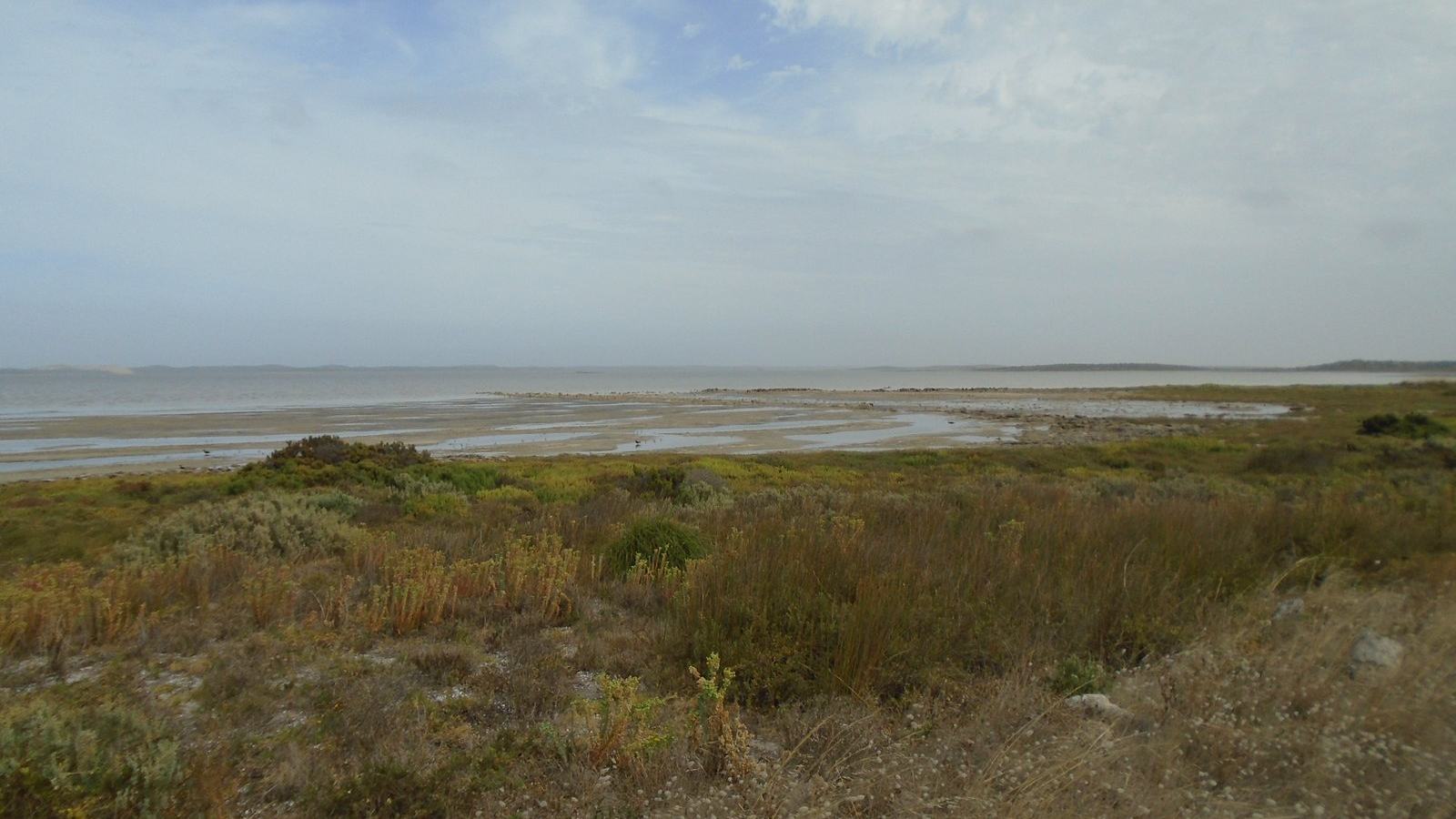
Original Coorong canoeing feature covering lagoon access, South Australian birdlife, wind and water levels, conservation and land activities.
A different kind of boating landscape
South Australia's Coorong National Park is a landscape of lagoons, channels, dunes and expansive skies. It provides an alternative to the sheltered marina, with an atmosphere shaped by long horizons and wetland life. South Australia's official parks information describes kayaking and other water-based experiences within the park, alongside its conservation importance. That does not mean the entire lagoon system is safe or open for independent paddling in all conditions. Access, water level, winds and environmental rules matter. A canoe or kayak can bring visitors close to the patterns of the shoreline, but the best journey begins with an accurate understanding of where paddling is permitted.
Understanding the geography
The Coorong stretches along a long coastal lagoon environment separated from the Southern Ocean by narrow landforms. This distinction matters for small craft: the landscape is not equivalent to the calm water of a sheltered city lake, and exposure can change markedly over short distances. Before launching, study the particular area rather than assuming that the name of the national park identifies one straightforward waterway. Some places are accessible from roads or established visitor points, while others demand more planning. Follow the official park maps and advice about access, conservation areas and suitable launch sites. Distances can be deceptive across broad, nearly level water.
Why paddling fits the experience
A paddle craft travels quietly enough to reveal small movements on the water. The bow divides reflections, birds may be observed from a respectful distance and subtle changes in the shoreline become noticeable. It is an appealing contrast to moving quickly between viewpoints by car. Yet slow travel also means that wind and fatigue deserve a generous margin. A canoe loaded for a day trip may handle differently from an empty training boat, and a kayak is not immune to waves or current. An experienced guide can help beginners select a realistic and environmentally appropriate circuit rather than attempting a distant landmark without a route plan.
The lagoons and their changing surfaces
One of the Coorong's defining qualities is variation. Light can turn the water silver or grey; shallow sections and sand margins may appear different with changing conditions. The lagoon's shape can concentrate wind and produce chop, even without an obvious ocean swell. A small-craft route should consider water depth, visibility and the possibility that landing places are unsuitable or sensitive. Avoid dragging a boat across fragile wetland vegetation or attempting to cross shallows simply because they appear accessible. Take the time to observe the water from shore before deciding whether an outing makes sense. A landscape that looks gentle in a photograph may demand experienced navigation.
Birds are part of the story
The Coorong is important for waterbirds, making patient observation one of the most rewarding reasons to visit. Birds may be feeding, resting or moving between habitats, and their behaviour should govern how close a visitor approaches. A low kayak or canoe can be less intrusive than a noisy craft, but only if the paddler keeps an appropriate distance. Never pursue a flock for a photograph or land beside resting birds. Use binoculars and maintain the quiet that makes observation enjoyable. The appearance of any particular species cannot be guaranteed; conditions, season and natural movement will determine what is present.
Cultural meaning of Country
The region has deep significance for Aboriginal peoples, including the Ngarrindjeri community, and should not be described as unoccupied wilderness waiting to be discovered. Visitors should approach cultural interpretation with respect and rely on authoritative local information. Follow directions about culturally sensitive places and do not remove objects or disturb sites encountered on shore. A guided experience with appropriate cultural knowledge may offer insight that an independent sightseeing visit cannot provide. Even without a formal interpretive programme, simple conduct matters: respect names and stories, avoid trespass and understand that the landscape carries relationships and responsibilities beyond recreation.
Choosing an appropriate starting point
A launch site should be selected from current official guidance and checked in person before carrying a craft to the water. Look for a safe way to enter, sufficient depth, a clear return route and room to avoid disturbing other visitors or shoreline wildlife. Do not assume that any pull-off beside the road permits boating or parking. If using a commercial provider, confirm the actual meeting point, equipment supplied and the part of the lagoon system the trip will cover. The Coorong's length makes vague directions particularly unhelpful. Good preparation begins with a precise place, a conservative route and a credible alternative if conditions change.
Wind is the essential decision
A long, relatively open waterway can provide substantial wind exposure. Check the local forecast, current warnings and the direction in which a headwind would develop. A breeze that assists the outbound paddle can turn the return into a tiring and potentially unsafe effort. Set a time and distance at which the group will turn back, with enough energy left for unexpected delays. A forecast should be updated near departure rather than assumed from a booking made days earlier. If a guide cancels because of wind, that decision should be respected. No photograph or scheduled activity is worth taking a poorly prepared craft onto hazardous water.
Sun, heat and hydration
South Australian conditions can involve strong sunshine, and a day on reflective water increases the importance of protection. Carry adequate drinking water, a hat that will not blow away, suitable sunscreen and clothing that provides coverage without limiting movement. Heat should be considered alongside wind and immersion risk. There may be few comfortable places to pause on an exposed shore, so identify permitted stops before leaving. A shaded picnic spot visible on a map might not have access from a canoe. Avoid relying on natural water for drinking. The party should be able to complete the route comfortably without assuming that facilities will appear along the shoreline.
Flotation and emergency preparation
Everyone afloat should wear a correctly fitted personal flotation device. Paddlers should also know how to control the craft, assist someone after capsize and communicate with others in the group. A waterproof phone can be useful, but coverage should not be considered guaranteed. Choose appropriate navigation and emergency equipment for the location and leave a route and return time with someone on land. Carry first aid and a dry layer even on a warm day, because weather changes can make wet clothing uncomfortable or dangerous. A guided short session may suit a beginner; a longer independent expedition needs skills and equipment proportionate to its exposure.
Working with the tides and water levels
Depending on the chosen part of the Coorong, water levels and connections to other waterways may affect access and route conditions. Travellers should not rely on photographs taken in a different season or year to judge what is navigable. Seek current advice about water depth, restricted channels and any environmental closures. A low-water section can damage a kayak or disturb sensitive habitat if paddlers try to force a passage. The better decision is to modify the route rather than drag a boat through an area where travel is unsuitable. The landscape's variability is part of its ecological interest and should be treated respectfully.
Conserving the shoreline
Wetland habitats can be fragile even when the terrain looks empty and robust. Keep to approved access points, avoid disturbing vegetation and do not leave food or waste behind. Boats, paddles and footwear should be cleaned as required to reduce the risk of spreading unwanted organisms between waterways. Shorebird resting areas are not convenient picnic sites merely because they are flat and dry. If camping is part of the plan, verify the park's designated sites, fees and current fire restrictions. A small-boat outing can have a light environmental footprint, but this depends on the choices of the people taking part.
Photography with restraint
The Coorong's long lines and expansive skies invite photographs of subtle colour rather than dramatic objects. The strongest image may be a quiet horizon with reflected cloud, a curve of sand or a group of birds viewed from a distance. Keep cameras secured and avoid standing in a canoe or leaning over an edge. Never approach nesting or resting birds for a close-up. A historical licensed photograph may correctly illustrate the landscape, but it must not be described as today's water level or a guaranteed wildlife encounter. The photographer's discipline should be the same as the paddler's: allow the environment room to remain undisturbed.
A visit that also includes land
A day in the Coorong need not consist entirely of paddling. Official park information provides guidance on land-based access and activities that can complement a short trip on the lagoon. Walking at designated points can reveal different views of dunes and wetlands while allowing visitors to take a break from the boat. Before combining activities, check track conditions, weather and how far each location is from the chosen launch. An itinerary with fewer stops and more time to look can be better than an exhausting circuit that requires repeated packing and unpacking. Shore-based alternatives are particularly worthwhile if boating conditions deteriorate.
Choosing a provider or paddling independently
A licensed provider should be able to explain the intended route, group size, safety equipment, likely weather limitations and cancellation policy. Ask about the paddling competence required and what happens if a guest becomes tired. Independent paddlers must take responsibility for navigation, launch permissions, communication and rescue readiness. The park's apparent openness is no substitute for local knowledge. Visitors should also ask about any restrictions affecting wildlife or culturally important areas. A well-informed decision about whether to go with a guide is more valuable than choosing an excursion purely on advertised length or price.
The pleasure of watching a wetland slowly
A quiet Coorong visit is likely to be remembered for atmosphere: light over still channels, a distant bird movement or the feeling of open space. These experiences are often subtle rather than spectacular, and that is their appeal. The paddler's task is to move with care through a protected environment whose ecological and cultural significance exceeds its recreational value. Start with South Australia's official park advice, confirm the day's weather and permitted access, then select a route that fits the weakest member of the group. Turning back early or enjoying the wetlands from shore can be the best decision of the day.
Sources and photograph attribution
Official destination and boating guidance: National Parks and Wildlife Service South Australia — Coorong. Current access, rules, weather and reservations must be checked independently before travel.
Photograph: Pimlico27 — Coorong National Park.jpg (CC BY-SA 4.0) via Wikimedia Commons. Original image resized as JPEG. Authentic historical landscape photograph of Coorong National Park, South Australia; not current water levels, an operator or a wildlife sighting. Source: https://commons.wikimedia.org/wiki/File:Coorong_National_Park.jpg. Licence: https://creativecommons.org/licenses/by-sa/4.0. Original rights remain with the credited creator or as specified by the source and licence.
