
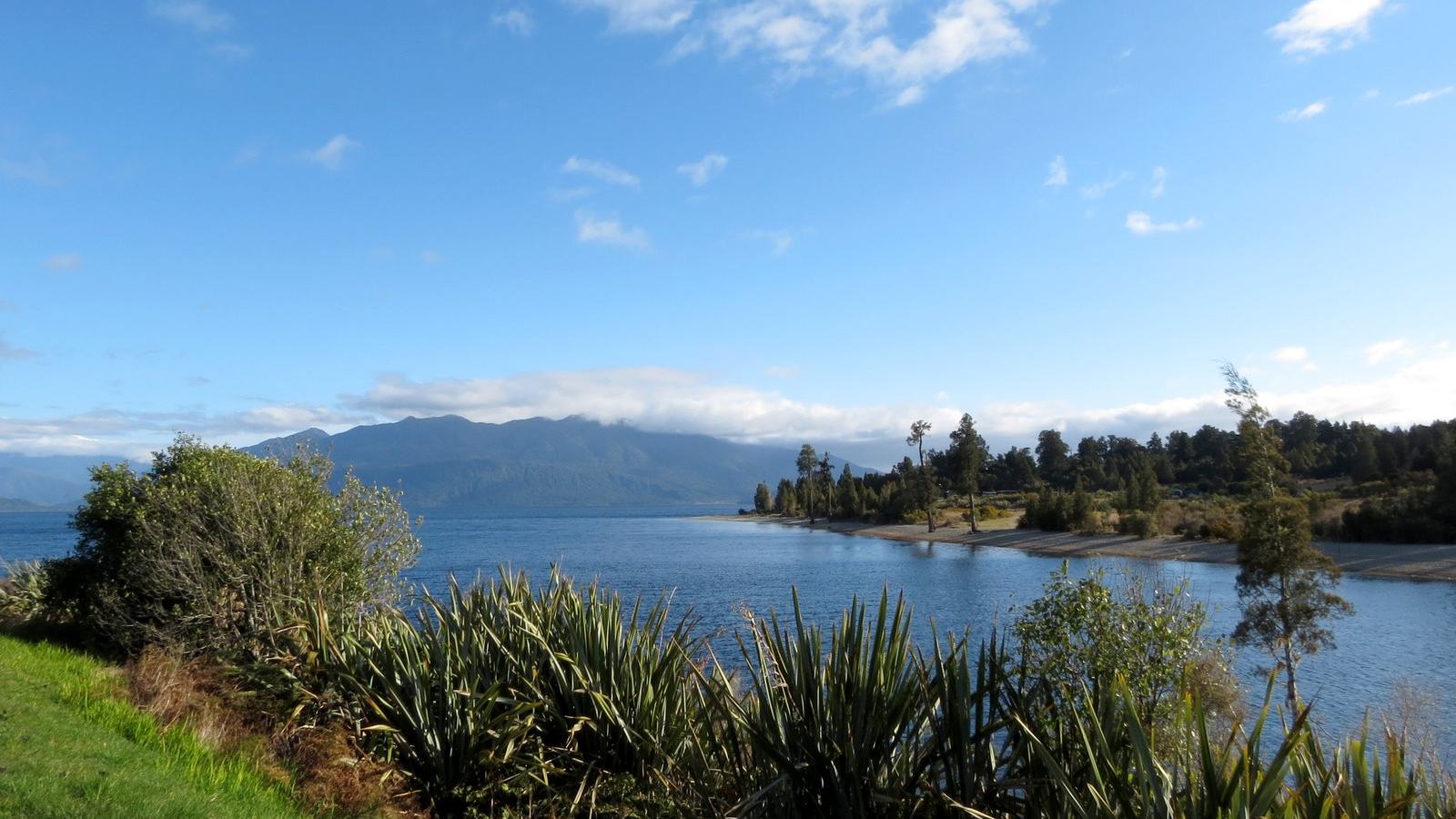
Original Lake Brunner boating feature covering the Moana waterfront, small-craft launching, forest and wetland scenery, safety and visitor access.
A freshwater escape on the West Coast
Lake Brunner is a West Coast New Zealand setting in which a small boat can offer a fresh perspective on an inland landscape of forest, water and mountain horizons. The Department of Conservation identifies boating, fishing and walking among the recreational possibilities in the Lake Brunner area, while also drawing attention to the surrounding wetlands and rainforest ecosystems. That combination is more meaningful than a simple claim that the lake is beautiful. Travellers can appreciate a natural environment from the water while remaining alert to the practical demands of lake navigation. The ideal outing is not necessarily long; careful planning and unhurried observation can make a modest circuit deeply satisfying.
Where the lake fits into a journey
The settlement of Moana and its lakeside area provide a useful focus for understanding Lake Brunner access. Before arriving, check the actual launching location, road access and current facilities rather than assuming that every shore is available to small craft. A public map may suggest many possible landing places, but a visible beach or jetty is not automatically open to visitors. Local travel planning should include time for unloading equipment, checking the weather and returning before conditions deteriorate. If the visit forms part of a larger West Coast itinerary, avoid inserting a boat trip between tightly scheduled road or rail connections. Freshwater boating is more rewarding when the day has a margin for change.
The view from a small hull
A boat travelling close to the surface reveals details that disappear from a roadside lookout. Trees form repeating reflections, small changes in wind affect the colour of the water, and the shoreline unfolds in sections rather than as one panoramic image. A small motorboat, canoe or kayak will offer different advantages and limitations; none is automatically the best for every visitor. A powered craft can cover more distance but requires attention to speed, wakes and navigation. A paddle craft can be quiet and intimate but exposes its occupants to wind and fatigue. Choose the craft for the conditions and the group's capability, not because a particular photograph looks irresistible.
The importance of Moana's boating facilities
Lake access is a practical part of the experience, especially for visitors with a trailer boat. Before towing, confirm that a ramp can accommodate the craft and vehicle, and check parking and launch rules. Never block a ramp while fitting equipment that could have been prepared elsewhere. If using a rental or guided service, clarify whether the provider launches at Moana or another location and whether transport is included. On recovery, keep the boat controlled while the vehicle is retrieved and give other users room to work. A well-managed launch reduces stress and allows the day to begin with attention on the lake rather than a queue or a preventable equipment problem.
Reading the lake before setting out
Lake conditions can differ dramatically from those at the shore. Wind may create short, steep waves across exposed water, and weather moving through the surrounding hills can change visibility. Study the forecast, observe the surface and ask people with current local knowledge about conditions rather than relying on a general regional outlook. A route that follows sheltered water in one wind direction may be unpleasant on the return. Mark practical places to turn back and remain conscious of the distance to the launch. Do not equate a freshwater setting with harmless water: a cold lake can be as serious as coastal water if someone is immersed.
Exploring forest edges responsibly
The Department of Conservation describes the area as having rich birdlife and a variety of wetland and rainforest environments. From a small boat, that means opportunities to appreciate the boundary between open lake and vegetated shore. It does not justify pushing into reeds, landing in sensitive habitat or disturbing birds at close range. Stay within permitted boating areas and keep a respectful distance from wildlife. If a stretch of shoreline looks especially attractive, pause to observe from the water rather than automatically disembarking. Responsible sightseeing leaves plants intact, avoids unnecessary noise and keeps the lake clean for both wildlife and other people.
A gentle paddle has its own rewards
For visitors who have suitable experience and access, paddling can turn Lake Brunner into a slower and more contemplative excursion. A canoe makes it easier to listen to the shore, while a kayak may suit an individual who is comfortable managing a low, enclosed craft. Neither should be taken into exposed water without appropriate skills. Begin with a short controlled route near a safe launching area, verify that everyone can steer and stop, and resist the temptation to paddle toward a distant landmark without a return plan. Wind often becomes more noticeable when heading back against it, so preserve energy and consider shortening the trip before the group becomes tired.
Fishing and other uses of the lake
Lake Brunner is also known in Department of Conservation information as a place for fishing, which means recreational boaters may share water with anglers and other users. Watch for lines, stationary craft and people concentrating on the shore. Avoid excessive speed or wake near anyone operating a small boat, and remain alert to local navigation rules. Anyone planning to fish must separately check applicable licences, seasons, catch limits and permitted methods; a general travel feature does not establish fishing entitlements. A family sightseeing trip need not include angling to appreciate the lake. Understanding how other visitors use the water makes every outing more considerate.
Warm clothing on cool water
The West Coast's changing weather makes practical clothing an essential part of boating, not merely a comfort issue. Dress for conditions on the lake and the consequences of immersion, not just the air temperature while loading the boat. Every occupant should have a correctly fitted personal flotation device. Carry a dry change of clothes, drinking water, food appropriate to the duration and a way to keep essential belongings protected from spray. A light rain layer may help in passing showers, but clothing for cold-water immersion may be necessary for some activities. Local specialists can advise on wetsuits or other protection based on the actual season and conditions.
An emergency plan suited to the water
Before departure, tell someone reliable where the boat is going and when the group expects to return. Check fuel or battery capacity for powered craft and make sure everyone understands the plan if propulsion fails. Carry appropriate communication and signalling equipment, recognising that mobile-phone coverage may be inconsistent. Paddlers should practise rescue methods and agree how to respond to separation or capsize. Essential safety equipment must be reachable, not buried beneath luggage. Navigation aids and maps are useful only when the crew can interpret them. A conservative circuit with reliable communication is more valuable than a longer route undertaken without a credible way to summon help.
Shoreline stops and access etiquette
A calm cove can look like a perfect picnic site, but landings must be permitted and environmentally appropriate. Follow Department of Conservation advice, respect private land and check any current access restrictions. If a landing is allowed, secure the boat without damaging shoreline vegetation and be ready to depart if the weather changes. Keep food packaging and other waste in a sealed bag. Do not wash dishes or use soap in the lake. A floating lunch or a return to a designated public facility may be simpler than trying to find a remote campsite for a short day trip. The objective is rest and observation, not creating a footprint on an undisturbed bank.
Combining boating with a walk
The wider Lake Brunner area includes walking opportunities, some associated with forest and historic landscapes. A balanced visit can pair a short water excursion with time ashore, allowing two complementary views of the same environment. The boat offers broad reflections and an understanding of the lake's scale; walking makes the textures and sounds of the forest more immediate. Verify individual track conditions, access and expected duration through official sources before setting out. A trail suitable in dry weather may become difficult after rain. Leave enough time to change clothes and pack boating equipment before starting the next activity rather than treating the entire day as one uninterrupted expedition.
The difference between a rental and ownership
Visitors hiring a boat should ask what is included: safety equipment, fuel, instruction, navigation boundaries, support and the policy if conditions deteriorate. A rental agreement may restrict where the craft can travel, even if the lake appears open. Owners bringing a boat must account for road transport, ramp compatibility and current local rules, as well as the craft's maintenance condition. For either group, confirm whether the boat is legally and practically suitable for the number and experience of people aboard. The simplest route often produces the best day, particularly when a party is unfamiliar with the lake and cannot rely on the operator's local guidance after departure.
Photography that respects the outing
Reflections can make Lake Brunner a compelling photographic subject, but capturing them should not become a hazard. Keep cameras and phones secured and avoid standing in a small craft or changing position suddenly to compose a shot. An early or late period may produce appealing light, yet return-time and weather considerations always take precedence over colour. Photograph shoreline vegetation from a sensible distance, and seek consent before featuring identifiable strangers. A photograph chosen for editorial illustration should accurately depict the lake and carry its own rights information. It must not be presented as proof of a specific operator, vessel or current weather condition.
What to check before travelling
Consult the Department of Conservation's Lake Brunner area information for current activities, environmental guidance and alerts. Add a reliable weather forecast and any relevant navigation or boating rules. If launching, verify the ramp and access details directly; if hiring, obtain the operator's instructions and cancellation policy in writing. Ask about the availability of flotation devices for children and non-swimmers and whether the planned route is appropriate for beginners. Do not assume that a place advertised for boating can safely accommodate every craft or a group with little experience. Preparation is about making good decisions before difficulties arise, not filling a checklist after an incident.
A worthwhile day without excess distance
An ideal first visit may begin by observing the lake from shore, then selecting a modest sheltered route that suits the day's wind and the group's abilities. Travel slowly enough to appreciate the forests and changing reflections, avoid sensitive habitats, and turn back while everyone has energy in reserve. Recover the craft carefully and leave time to enjoy a short walk or a relaxed meal near an appropriate visitor area. If conditions are poor, an entirely shore-based day can still reveal the character of the lake. Lake Brunner rewards visitors who let its natural setting determine the pace instead of measuring success by kilometres covered.
Sources and photograph attribution
Official destination and boating guidance: New Zealand Department of Conservation — Lake Brunner area. Current access, rules, weather and reservations must be checked independently before travel.
Photograph: Katja Schulz — Lake Brunner - 31445219568.jpg (CC BY 2.0) via Wikimedia Commons. Original image resized as JPEG. Authentic photograph of Lake Brunner on the West Coast, New Zealand; not evidence of a current rental vessel, specific weather conditions or access. Source: https://commons.wikimedia.org/wiki/File:Lake_Brunner_-_31445219568.jpg. Licence: https://creativecommons.org/licenses/by/2.0. Original rights remain with the credited creator or as specified by the source and licence.
