
An original Spreewald boating feature covering canoe routes, locks, designated entry points, nature protection, village stops and seasonal tips.
A watery landscape south of Berlin
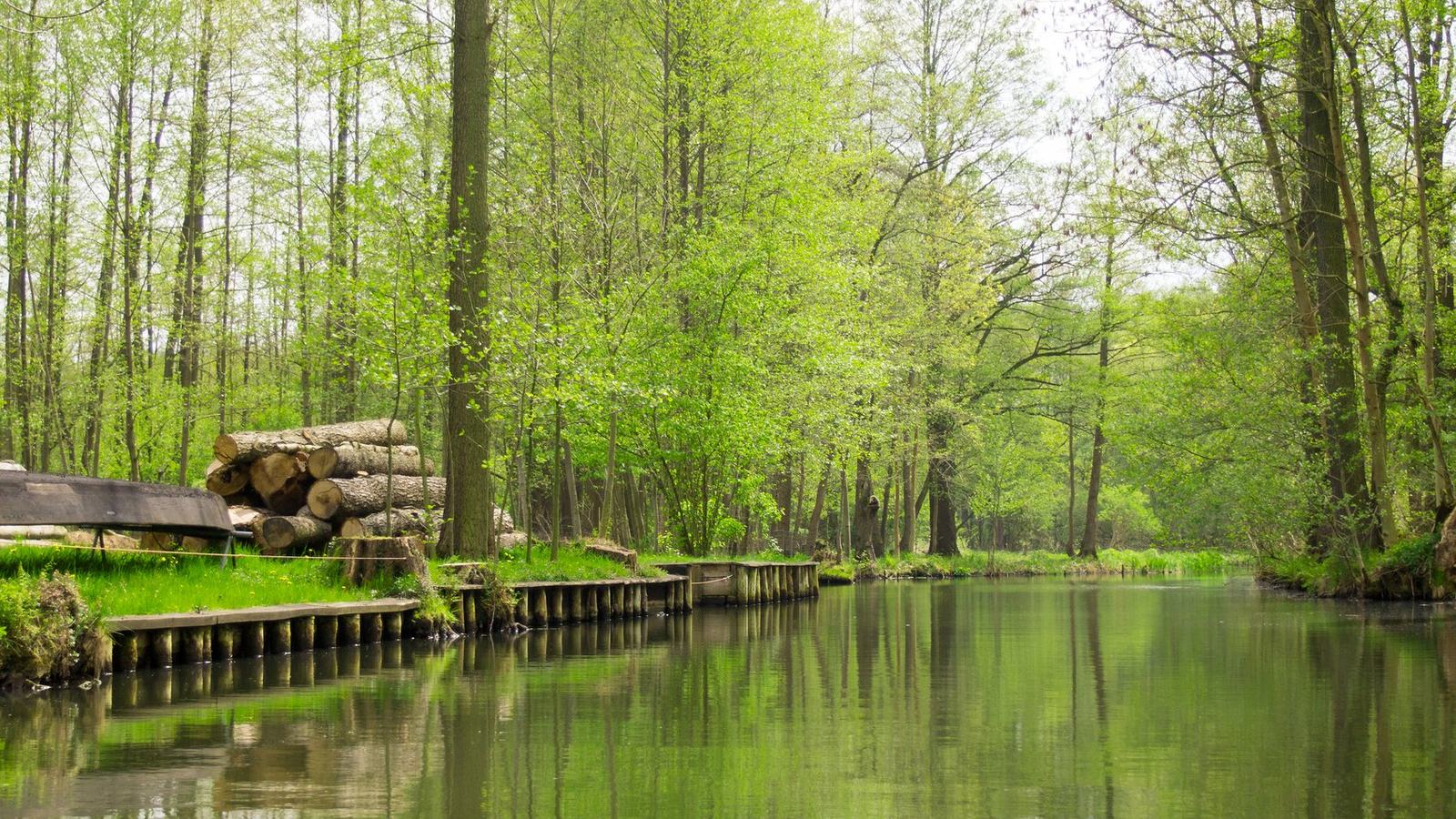
Germany's Spreewald offers a quieter style of boating holiday than a coastal marina or fast-moving river. The region is known for a network of waterways threading between forest, meadows and traditional villages, with much of its landscape designated as a UNESCO biosphere reserve. Its official tourism organisation describes a network formed over a long period, including more than 1,000 kilometres of waterways, of which over 200 kilometres can be navigated. Visitors can choose between canoeing, paddling and more leisurely trips in traditional punts, rather than assuming every channel is suitable for a motorboat. For the small-craft traveller the pleasure is immediate: a low boat moves among trees and houses, past bridges and sometimes towards an old hand-operated lock. The experience works best when the chosen route matches the crew's ability and respects the protected landscape.
A labyrinth is appealing but needs navigation
The Spreewald's network can seem like a maze on a map. A narrow channel may open into a wider reach and then divide again among trees and settlement. That variety is part of what makes the region distinctive, but it creates a practical challenge for a newcomer. The destination tourism website lists canoe routes and entry points, indicating that planning matters even when the water appears gentle. A visitor should use current route information rather than setting off on an improvised circuit simply because a channel looks inviting. On a sheltered stretch it may be easy to enjoy the reflections and forget the route behind. A little preparation means the return journey does not become a race against fading daylight or closing hire hours. Local maps and the advice of a rental provider are useful safeguards.
Canoes, kayaks and Canadian canoes have different strengths
The official tourism organisation welcomes paddlers using kayaks, canoes and Canadian canoes, along with stand-up paddleboards. The right choice depends on experience, passenger number and how far someone intends to travel. A kayak may feel responsive to a paddler already comfortable with the technique, while an open Canadian canoe can offer an agreeable shared experience when handled correctly. Neither is immune to tipping or drifting, especially in gusts or when loaded awkwardly. A family should not assume that the largest-looking craft is automatically suitable for children without instruction. Hire companies can explain seating, weight limits and how to handle the selected boat. The difference between a relaxed two-hour excursion and an all-day journey begins with an honest decision about what the group can comfortably manage.
The traditional punt offers another way to travel
Some visitors prefer to sit while a local boatman moves a traditional Spreewald punt through the channels. That option takes the pressure off paddling and allows passengers to concentrate on the surroundings. It also offers a connection to a region in which boats have long been part of everyday movement and commerce. A punt tour is not the same activity as hiring a self-propelled canoe, and departure points, prices and seasonal availability may differ. The best choice depends on whether the holidaymaker wants to learn a physical boating skill or enjoy a guided, unhurried journey. Even when someone else operates the craft, passengers should follow boarding and safety instructions. The waterways are shared spaces rather than a museum exhibit running on a fixed track.
Hand-operated locks are part of the charm
Spreewald's official paddling guide mentions hand-operated locks among the features travellers may encounter. A lock can be fascinating because it reveals how water levels and navigation have been managed within a complicated river landscape. However, a visitor should not assume that every lock is open at every hour or that a novice can operate it without guidance. The relevant instructions, local signs and any directions from lock staff must take priority. Depending on the route, a paddler may need to wait, assist with an approved procedure or choose a different passage. These small interruptions can become a memorable part of a trip if sufficient time has been allowed. The experience is very different from simply crossing open water, and that difference helps explain the region's appeal.
Villages feel close from a low boat
The tourism website highlights picturesque Spreewald houses, garden restaurants and wooden bridges along canoe routes. From the water, the relationship between settlements and the waterways becomes particularly visible. Homes and gardens may sit directly beside a channel that visitors are using, so the pleasure of looking around carries a responsibility to respect private property. A low canoe can bring travellers close to people's daily lives without giving permission to land in their gardens or take intrusive photographs. Moving slowly is a good way to enjoy the atmosphere and reduce disturbance. A stop at a permitted restaurant or landing can add to the experience, provided the group observes local mooring rules. The best village visit leaves residents as comfortable with tourism as the tourists are with their visit.
A UNESCO biosphere reserve needs careful visitors
The Spreewald is described by its tourism organisation as a UNESCO biosphere reserve, and that designation reflects a landscape where nature protection matters alongside local human activity. Paddlers should use designated routes, avoid disturbance to wildlife and take all waste away. The tourism site directs visitors to detailed rules intended to protect sensitive plants and animals. Those rules should be read before departure rather than guessed from signs encountered halfway through a journey. A quiet boat is not automatically harmless if it enters restricted areas or if people get out onto a fragile bank. The region's natural character is its main attraction. Respecting its protections is therefore part of enjoying it, not an unrelated administrative inconvenience.
Wildlife encounters should remain unforced
A paddler may notice birds, fish and the patterns of plants along the water's edge. The protected landscape provides opportunities for patient observation, but no particular species should be promised for a given tour. A person drifting into a narrow inlet to photograph a bird may accidentally disturb a sensitive habitat. The safer and more considerate approach is to stay on permitted waterways and observe from an appropriate distance. A guide familiar with the area may help interpret what can be seen without encouraging close pursuit. The quiet rhythm of paddling offers its own reward even when wildlife remains hidden. Reflections, changes in light and the sound of moving water often provide the most memorable details of a journey.
Entry points need to be chosen before departure
The official website lists designated paddling entry points and provides information for people bringing their own boats. A visitor should confirm where launching is permitted, whether parking is available and where the boat must be returned. These are particularly important questions in a region with many canals and small settlements. An entry point convenient for a private canoe owner may not be the same as the departure used by a rental business. Travelling by public transport can introduce another layer of planning if equipment needs to be carried. Using a known launch and a mapped route is usually more relaxing than exploring access possibilities while already tired or running behind schedule. The provider's current operating information should be checked before making travel arrangements.
Renting a boat or bringing your own
Spreewald's tourism site provides a directory of canoe and boat-hire providers as well as information for visitors using private equipment. Each approach has advantages. Renting may eliminate the need to transport a boat and can give access to local advice, while bringing one's own craft allows a familiar setup. Neither option removes the need to respect waterway rules and navigation restrictions. The tourism organisation points out that privately owned canoes should be labelled properly, a detail that could be overlooked by someone accustomed to paddling in another country. A boat owner should not assume that familiar practices automatically satisfy local requirements. Checking the entry-point guidance and relevant regional rules before setting out is a small but worthwhile part of preparation.
Long routes need a different level of planning
The official tourism information also promotes multi-day paddling, with water-hiking rest areas and opportunities for overnight stays. A longer journey can be attractive to people who want to experience the landscape beyond the busiest tourist sections, but it requires more than booking a short afternoon rental. Camping rules, permitted stopping places, water, weather and the capacity of the boat all matter. A tent or dry bag can affect trim and handling if loaded carelessly. A family planning an overnight trip may need a guided arrangement or a simpler route than experienced paddlers would choose. The destination's ability to support multi-day trips does not mean every waterway is suitable for them. Selecting an achievable itinerary is part of responsible outdoor recreation.
The Spreewald badge offers a playful challenge
The tourism organisation describes a Spreewald badge programme based on visiting fifteen checkpoints, with a gold badge among the possible achievements. This can provide an extra focus for paddlers who enjoy working towards a small goal. However, collecting checkpoints should never take priority over weather, time or the needs of the group. A visitor should confirm the programme's current rules and whether the chosen route is appropriate for their ability. Someone new to canoeing may have a better day simply completing one attractive section calmly. The badge is an optional reason to explore, not a requirement for enjoying the reserve. It can encourage people to discover new places when approached with care and a realistic schedule.
Regional food can fit naturally into the day
A paddle through the Spreewald can be combined with a stop for lunch where a suitable restaurant or landing is available. The tourism website notes garden restaurants along some routes, reflecting the relationship between food and the waterside holiday experience. Famous regional products, including pickles, form part of the Spreewald's wider identity, though individual menus and opening hours change. A visitor should not assume that a restaurant shown on a map will always have a free landing or seating. Booking arrangements and local signs take priority. The pleasure comes from making time for a break without treating the journey as a checklist. A modest meal after paddling may become as memorable as the route itself when the atmosphere is allowed to unfold at an unhurried pace.
Summer weather is not the only consideration
Different seasons change the atmosphere of the Spreewald's waterways. In warm weather, boats and visitors may be numerous, while cooler periods can offer a quieter experience if providers are operating and conditions are suitable. A late-November visitor should not assume that summer rental hours continue unchanged. Daylight is shorter and some facilities may be closed. Water temperature and weather should also influence clothing and the choice of route. An excursion that looks gentle in a photograph can be uncomfortable when the crew is cold or wet. Checking current hire availability and planning an alternative activity is preferable to expecting a year-round schedule from a generic tourism listing. The region can reward repeat visits, but each season requires different preparation.
A destination for a slower kind of boating
The official Spreewald tourism guide establishes the essential facts: an extensive waterway network, more than 200 kilometres of navigable routes, canoe and paddle opportunities, traditional bridges and locks, and protected natural areas. Specific hire options, current closures and local rules must be checked before visiting. A licensed historical photograph of Spreewald waterways can show the characteristic landscape but should not be used as proof of an available departure or a particular 2026 weather forecast. The appeal of the Spreewald is not speed or spectacle. It is the chance to explore how forests, villages and water fit together from the low perspective of a small craft, with enough time to notice details that would be easy to miss from a road.
Sources and photograph attribution
Official destination and boating guidance: Official Spreewald Tourism — Paddling. Current access, rules, weather and reservations must be checked independently before travel.
Photograph: Hoang Minh Thao Mai — Along a canal at the biosphere reserve Spreewald, Brandenburg.jpg (CC BY-SA 4.0) via Wikimedia Commons. Original image resized as JPEG. Historical Spreewald canal and protected-landscape photograph in Germany; not a current hire, specific canal tour or weather forecast. Source: https://commons.wikimedia.org/wiki/File:Along_a_canal_at_the_biosphere_reserve_Spreewald%2C_Brandenburg.jpg. Licence: https://creativecommons.org/licenses/by-sa/4.0. Original rights remain with the credited creator or as specified by the source and licence.
