
A Lake Ihema boating lifestyle guide covering guided Akagera wildlife safaris, wetland scenery, dangerous-animal distancing and park booking.
A lake excursion within a savannah national park
Akagera National Park in eastern Rwanda offers a different boating experience from a scenic canal, tropical beach or open-sea cruise. The park contains savannah, woodland, wetlands and several lakes, and Rwanda's official tourism organisation identifies a guided boat trip on Lake Ihema as one of its memorable activities. The attraction lies in the opportunity to observe waterbirds and other wildlife from a professionally operated passenger boat in a protected landscape. Lake Ihema is known for hippos and Nile crocodiles, which makes responsible distance and competent operation particularly important. This is not a destination where visitors should casually hire a canoe and set off independently to approach animals. The boat outing is one part of a wider safari visit and works best when organised through the appropriate park operator under current rules.
A national park shaped by water and grassland
Visit Rwanda describes Akagera as a landscape of relatively warm, low-lying plains containing savannah, woodland, wetlands and a dozen lakes. The different habitats support a broad range of wildlife and create an experience unlike a more heavily forested park. The presence of water is especially important because many animals depend on it, though their behaviour and visibility change with conditions and time of day. A boat trip provides a particular perspective on the wetlands while a road-based safari reveals other parts of the park. Visitors should not treat those activities as substitutes for one another or assume all animals can be seen from the lake. Each offers a different view of a larger protected ecosystem, making a balanced itinerary more interesting than a race to photograph as many species as possible.
Lake Ihema is the boating centrepiece
The official tourism description singles out Lake Ihema for boat safaris. It mentions pods of hippos, Nile crocodiles and abundant waterbirds, including birds associated with an island within the lake. These features explain the attraction of being on the water, but they are possibilities to observe under suitable conditions rather than guaranteed sightings. The lake's wildlife also introduces hazards absent from an ordinary family boating pond. A responsible tour operator determines where the vessel may travel and how close it is appropriate to approach animals. Passengers should remain seated or move only as directed, keeping hands and belongings within safe areas of the boat. The excitement comes from observation, not from attempting to interact with wildlife.
Hippos need space and respect
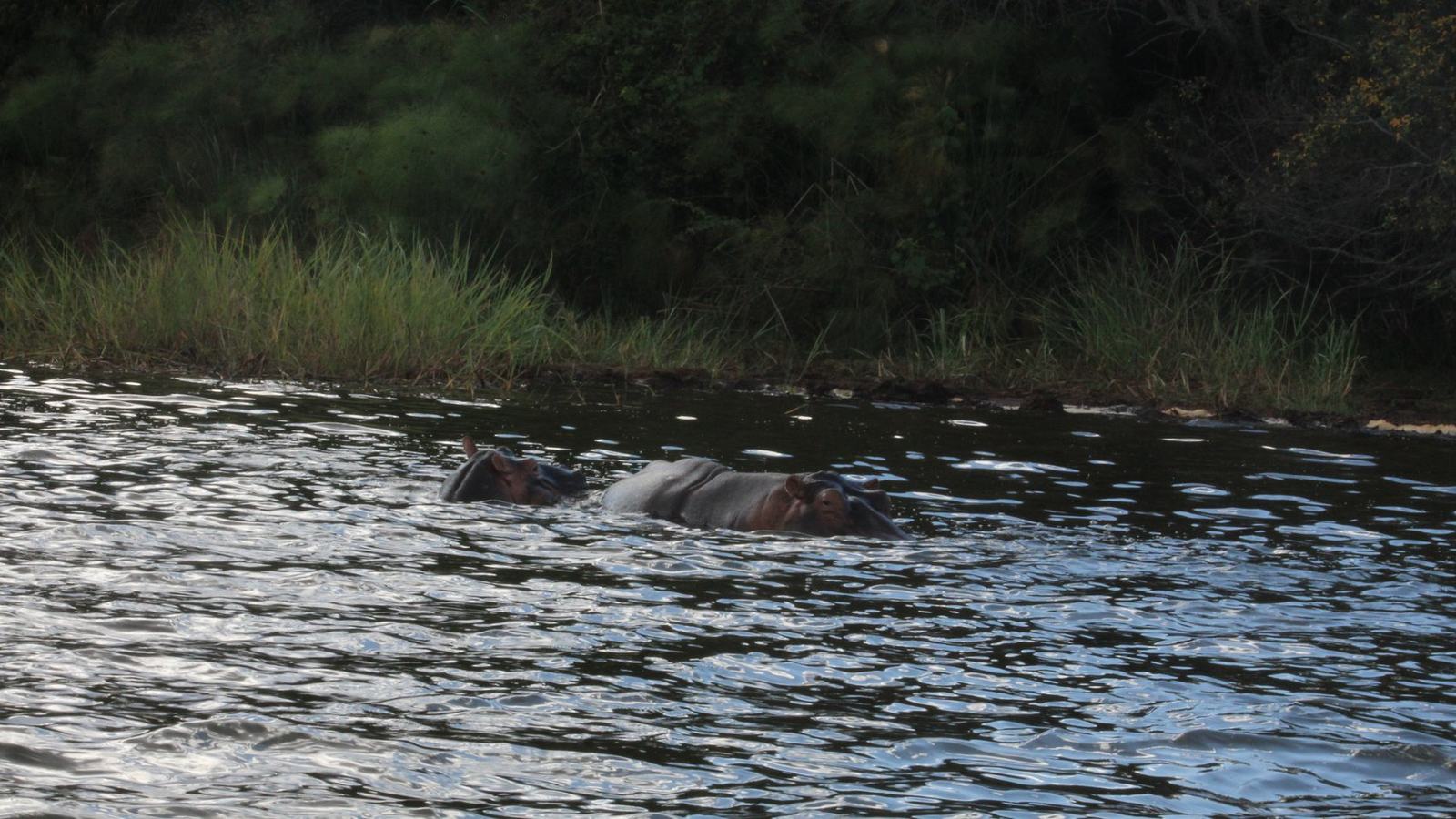
Hippos may be one of the species travellers most hope to see at Lake Ihema, but they are large wild animals whose behaviour cannot be controlled. A boating safari should never be treated as an opportunity to approach a group for a dramatic close-up photograph. The boat crew must use local knowledge and current conditions to maintain appropriate distance. Passengers should avoid shouting, throwing objects or trying to attract an animal's attention. A sighting from farther away can be both safer and more natural. A traveller should not assume that every dark shape in the water is a hippo or that an animal will remain in a predictable location. Guided interpretation can help explain what is being observed while preserving the separation between people and wildlife.
Crocodiles make independent boating inappropriate
Nile crocodiles are another part of the wildlife highlighted by Visit Rwanda. Their presence means that casual swimming or unsupervised paddling around the lake should not be assumed safe or permissible. A guided passenger boat operates under different arrangements from a privately hired kayak, and visitors need to respect that distinction. A person who enjoys recreational canoeing elsewhere may be tempted to imagine Lake Ihema as an adventurous place to explore independently, but that would overlook the nature of the environment. Appropriate park regulations and guide instructions are essential. The goal is to observe wildlife from a suitable vessel without creating risk for passengers or animals. A memorable photograph is never worth compromising those responsibilities.
Birdwatching benefits from time and patience
Visit Rwanda reports that Akagera supports hundreds of bird species, giving bird enthusiasts considerable reason to explore the park. The lake and surrounding wetlands may offer opportunities to observe birds feeding, resting or moving between habitats. The exact species seen on a particular trip will depend on conditions and season. A guide may help identify birds and explain their behaviour, but no ethical operator can promise a fixed list of sightings. Binoculars can be useful, provided passengers keep them secure and remain aware of the boat's movement. Photography should be approached from a stable position rather than by leaning over the side. Sometimes the most rewarding moment is quietly watching a bird at a distance without interrupting its activity.
A safari boat is not a pleasure-boat rental
The word boating can mean different things in different environments. On a European lake a visitor might rent a dinghy or electric boat; on Lake Ihema the attraction is a wildlife excursion organised within a national park. The route, boarding arrangements and behaviour on board need to follow the park's operating procedures. Private motorboat hire or unsupported independent paddling should not be presumed available merely because a tourism website advertises a boat trip. Visitors should ask the park or an approved operator about permitted products, age restrictions, duration and the availability of guide services. The presence of dangerous wildlife is part of why those distinctions matter. A properly structured tour can be relaxing while still requiring care and respect for the environment.
The park offers much beyond its lakes
Akagera is also promoted as a savannah safari destination, with visitors travelling by vehicle to observe animals on land. Visit Rwanda describes elephants, buffalo, giraffes, zebras, antelope, monkeys and other wildlife as part of the park's wider appeal. A boat trip on Lake Ihema should not be advertised as a guarantee of seeing every one of those species from the water. Some are better suited to observation on appropriate driving routes. Combining a guided vehicle safari with a boat excursion may offer different perspectives, depending on current programmes and how much time is available. A traveller should understand the practical schedule and avoid trying to fit too many activities into a short visit. The park's diversity is best appreciated when enough time is left for unhurried observation.
Conservation work gives context to the visit
Rwanda's tourism authority describes conservation efforts at Akagera in partnership with African Parks, including work to protect wildlife and improve park management. The history of animal reintroductions and anti-poaching measures forms part of the park's modern story. Visitors should recognise that a safari is not merely a holiday product; it takes place within a protected system whose long-term health depends on management and responsible tourism. A boat trip can introduce people to the value of wetland habitats without permitting access to every area. The official description provides broad background but should not be used to invent up-to-date population counts or specific conservation outcomes beyond what is documented. Guided interpretation may help explain the park's ongoing work in an accessible way.
The wider landscape is worth noticing
The contrast between water, marsh vegetation and savannah can be striking from a low passenger boat. A traveller may notice changes in plant life along the shore or the relationship between islands and open lake. A sunny day may produce reflections and vivid colours, while cloud or rain can create a different atmosphere. No guide can guarantee that the water will look identical to a promotional photograph. The pleasure of the trip often lies in being receptive to the scene that actually appears rather than insisting on a particular image. An appropriate camera and binoculars can help, but they should not take attention away from crew directions. Observing patiently is especially valuable where wildlife may move unpredictably.
Planning access through the park
Visit Rwanda says the park is explored on land by vehicle, whether through a tour operator or on an approved self-drive route, and recommends using a guide. Accommodation may be available at lodges, camps or other designated options. That land-access information matters because the boat trip is not necessarily reachable by independent public transport at the time a visitor wants. A traveller should establish how to reach the boat's boarding point, which park fees apply and whether a separate reservation is necessary. It would be misleading to assume the boat departs from any hotel or that entry to the park automatically includes a lake safari. The most reliable arrangement comes from the current park booking service and the actual operator of the excursion.
Time of day and conditions shape the tour
Wildlife behaviour and light can differ between morning and afternoon, but a general destination guide cannot establish which departure will produce the most sightings on a particular date. The operator is responsible for deciding whether conditions are safe and whether a route is appropriate. A visitor should ask about operating hours, the likely duration and what happens if weather interrupts the programme. The lake may appear calm in an image, yet wind and other conditions can affect small passenger craft. Flexibility is important, particularly if the trip is part of a wider safari schedule. A well-organised holiday allows an alternative activity without forcing the boat to depart when circumstances are unsuitable.
What to take on a wildlife boat excursion
Passengers should follow the operator's advice about clothing and equipment. In a warm environment, sun protection and drinking water may be useful, while rain or wind can affect comfort. A secure bag can help prevent phones and other belongings from falling into the water. Wildlife photography benefits from a suitable lens rather than attempts to move dangerously close to the side of the boat. The operator should explain any required buoyancy equipment and seating arrangements. Children may need additional supervision and must meet whatever conditions apply to the particular tour. Travellers should not assume that a familiar leisure-boat routine from another country is appropriate around wild hippos and crocodiles.
Photography should support observation, not disturbance
Lake Ihema offers striking wildlife subjects, but the best image is not necessarily the closest one. A guide may ask passengers to remain quiet or stay in a particular area while animals are nearby. Those instructions should be respected even if a photograph would appear more dramatic from another position. Using a long lens can help avoid the temptation to approach too closely. A licensed photograph showing a bird over Lake Ihema is an appropriate visual introduction to the place, but it must not be represented as evidence of a particular 2026 tour or guaranteed sighting. Readers should know the image's provenance and understand that each visit involves different conditions and animal movements.
Overnight stays can change the pace
A traveller staying inside or near Akagera may have more freedom to combine a morning activity with rest and other safari experiences. Visit Rwanda mentions lodges and designated camping or bush-camp options, though availability and conditions depend on the operator and season. An overnight stay can be attractive for people who prefer a less rushed visit, but it should not be assumed that every accommodation package includes the lake excursion. Booking terms may separate park fees, vehicle activities and boat tours. Someone travelling only for a day should plan time for entry, movement within the park and the boat's actual schedule. The most satisfying safari is one that makes room for uncertainty rather than relying on a rigid list of expected animal encounters.
A boating destination with a different kind of responsibility
Akagera's Lake Ihema demonstrates how a small passenger craft can provide access to a wildlife experience that would be very different from viewing animals on foot or from a road. The lake is part of a protected landscape, and the animals are wild rather than habituated performers. Responsible boating here means following park rules and the decisions of professional guides, especially near hippos and crocodiles. The opportunity to observe waterbirds from a safe distance can be memorable even when larger animals remain out of view. A visitor should value the health of the environment and the safety of the tour more than achieving a particular photograph. Those priorities make the trip a meaningful form of nature travel.
What the official tourism guidance confirms
Visit Rwanda identifies a boat excursion on Lake Ihema as a highlight of Akagera National Park, noting hippos, crocodiles and wetland birdlife. It also documents the park's wider savannah setting, guided safari opportunities and conservation background. Actual routes, fees, operating schedules and sightings must be checked through the park and relevant operator. This is not a recommendation to launch a private canoe on a wildlife lake. A licensed historical photograph of birds at Lake Ihema illustrates the landscape without claiming to show a current departure. For leisure-boat travellers, Akagera offers an unusual perspective: a boating outing where patience, conservation and responsible observation matter more than speed or distance travelled.
Sources and photograph attribution
Official destination and boating guidance: Visit Rwanda — Akagera National Park. Current access, rules, weather and reservations must be checked independently before travel.
Photograph: Anatole1234,0785474017 — Imvubu mumazi muri Parike Akagera, 0785474017.jpg (CC BY-SA 4.0) via Wikimedia Commons. Original image resized as JPEG. Historical photograph of Akagera National Park in Rwanda and its wildlife or wetland landscape; not a current Lake Ihema boat safari, registered operator or promised animal encounter. Source: https://commons.wikimedia.org/wiki/File:Imvubu_mumazi_muri_Parike_Akagera%2C_0785474017.jpg. Licence: https://creativecommons.org/licenses/by-sa/4.0. Original rights remain with the credited creator or as specified by the source and licence.
