
A practical small-boat feature on Kumarakom canoeing, Alappuzha shikara boats, Vembanad lagoon scenery, local communities and visitor safety.
A slower journey through Kerala's waterside life
Kerala's backwaters are known for canals, lagoons, lakes and villages whose daily life remains closely connected to water. For travellers who enjoy small craft, Kumarakom provides a chance to explore by canoe or kayak rather than experience the entire landscape from a large passenger houseboat. Kerala Tourism's official boating guide identifies Kumarakom as a place for canoeing and kayaking in its intricate network of canals and lagoons, close to Vembanad Lake. It also describes related experiences around Alappuzha, including smaller shikara boats that can enter narrow channels. The most rewarding approach is to choose an outing that suits the visitor's experience and the local conditions. A leisurely paddle can offer a close view of waterways and shore communities, but these places are inhabited working landscapes rather than canals maintained solely for tourists.
Kumarakom is associated with Vembanad Lake
The official tourism authority places Kumarakom within the backwater region linked to Vembanad, Kerala's largest lake. The broad lake and its smaller connected waterways give a varied setting, from relatively open water to more enclosed canals. Those conditions are not interchangeable for a beginner. A large lake can be affected by wind and boat traffic, while narrow channels require careful handling near other craft and inhabited banks. Local guides can help visitors choose a route that matches their ability instead of attempting to follow the most attractive line on a map. The appeal is the chance to notice how water shapes the countryside and the way people travel, work and live beside it. The experience is as much about a change of pace as a particular sightseeing landmark.
A canoe can reach a different viewpoint
A canoe or kayak moves through the backwaters at a human pace, allowing passengers to observe vegetation, small bridges and buildings close to the bank. It can also be physically demanding, especially in warm weather or when a route is longer than expected. A first-time visitor may prefer an organised excursion with suitable instruction instead of hiring an unfamiliar craft and exploring independently. The operator should explain the route, equipment and what happens if the weather changes. Guests also need to consider other traffic: a quiet paddle does not mean there are no motorised vessels, workboats or local residents using the same waterways. Keeping to an appropriate course and respecting passing boats makes the experience safer and more pleasant for everyone.
The region has several kinds of boat journey
Kerala Tourism distinguishes between houseboat cruises, smaller shikara rides and canoeing or kayaking. A visitor should not use those terms as if they meant the same product. Houseboats may support longer stays and carry substantial facilities, while a shikara can provide a shorter passenger ride with a different viewpoint. A canoe requires the people aboard to be involved in its movement or to travel with a paddling guide. Each choice offers different levels of comfort, contact with the surroundings and flexibility. For Leisure Boat Guide readers especially interested in small craft, the value of a canoe or shikara can be the ability to observe the waterways more closely. It is essential, however, to confirm the actual vessel, capacity and itinerary rather than rely on a generic backwater photo.
Alappuzha adds another dimension
The official boating guidance highlights Alappuzha, also known as Alleppey, as an important centre of backwater tourism. Houseboat cruises are particularly associated with the area, but the tourism authority also mentions shikara rides that explore narrower canals and villages. A traveller staying in Kumarakom may be interested in these options as part of a longer Kerala holiday. They should not assume that services in one town depart from the other or operate under identical booking terms. The two areas belong to the wider backwater network, but each trip has its own meeting point and route. A flexible itinerary can allow visitors to experience different forms of boating without attempting to include every attraction in one day. Planning around real travel time matters more than compiling a long list of famous place names.
The banks are people's homes and workplaces
One of the distinguishing qualities of the backwaters is the presence of settled communities along the waterways. Homes, boats, landing places and shops form part of a landscape that visitors may otherwise imagine only as tranquil countryside. A canoe moves close enough to see daily life, making respect especially important. Tourists should not approach private property or photograph residents intrusively because a guide has brought them nearby. Noise and unnecessary disturbance can be unwelcome, and narrow canals may be used for ordinary transport or work. A good local guide can provide cultural context while helping visitors understand appropriate behaviour. The experience is richer when visitors remember that the backwaters belong first to the people who live and work there.
Vembanad is a lake, not a single tour
Kerala Tourism describes boat experiences on Vembanad Lake as providing views of the waterside landscape and local life. A visitor should recognise that the lake is large and that routes from different starting points may cover quite different areas. The name Vembanad alone does not describe the length, comfort, equipment or exposure of a particular trip. A person looking for a gentle canoe experience should ask whether the route stays within sheltered channels or ventures onto a broad lake. The answer may depend on weather, water level and the guide's judgment on the day. The sensible choice is not always the longest excursion. A smaller, well-planned circuit can reveal more of the environment than a hurried trip trying to reach several distant locations.
Birds and plants can reward patient visitors
Kerala's backwaters can offer opportunities to notice birdlife, water plants and the changing scenery around lagoons and canals. Wildlife should be treated as a possibility rather than a promised attraction. A visitor should avoid disturbing birds or forcing a craft close to a particular animal merely to obtain a photograph. Quiet paddling can encourage careful observation, but it does not remove the need to stay alert to the route. A guide may point out habitats or explain how water levels and vegetation influence the landscape. The official boating overview mentions birdwatching possibilities elsewhere in Kerala, including Kadalundi, but that does not mean the same species or experience can be guaranteed on a Kumarakom canoe outing. Accurate expectations make encounters more enjoyable when they happen naturally.
Warm weather calls for practical preparation
A leisurely backwater excursion may still involve heat, humidity, sun and the physical effort of paddling. Visitors should ask the operator what clothing, buoyancy equipment and drinking water are appropriate for the trip. A hat or sun protection may be useful, but personal comfort needs vary. Electronic devices should be protected from splashes and carried securely. Beginners can underestimate how much energy is required to paddle against wind or current, particularly in a loaded canoe. A shorter guided route may therefore be more suitable than a long independent excursion. The goal is to return feeling refreshed rather than exhausted, with enough time to enjoy the local setting before and after the activity. Weather conditions should be checked close to departure.
The waterways are shared with other boats
Backwater travel is not confined to tourist paddlers. Passenger boats, local craft and other traffic may use the same channels, while some sections connect to larger water bodies. A canoe sits relatively low on the water and may be difficult for the helmsman of a larger vessel to see in certain conditions. Paddlers should follow their guide's instructions, remain visible and avoid obstructing busy channels. They should not assume that a boat travelling slowly will automatically stop for them. Navigation decisions need to reflect the route actually being used, not just a description of a peaceful village canal. Good operators can explain the likely traffic and where guests should paddle. That local knowledge can be a strong reason to choose an organised excursion in an unfamiliar destination.
Smaller shikara boats can suit non-paddlers
Not everyone wants to steer or paddle. Kerala Tourism describes shikara rides as smaller boat experiences in the Alappuzha region, offering a way to explore narrow canals without taking responsibility for the vessel. Such trips can be attractive to families or people who prefer to sit and enjoy the scenery. The term shikara does not identify one universal design or seating arrangement, and the details of an individual craft must be checked with the operator. A passenger should still follow crew instructions, including any requirements for boarding or buoyancy equipment. Choosing a professionally operated small boat may provide the close-to-the-water atmosphere visitors seek without requiring them to master paddling techniques during a short holiday. The practical differences between vessel types are worth understanding before booking.
Responsible tourism makes the journey better
The backwater landscape is vulnerable to the effects of careless visitor behaviour. Litter, noise, intrusion into private areas and poor operating practices can diminish the experience for residents and later travellers. A visitor can help by choosing an operator that treats local waterways respectfully and by following appropriate waste and access rules. It would be misleading to claim that a specific company has been independently certified as sustainable unless that evidence is available. General statements about eco-friendly holidays are not enough. The practical test is how an excursion operates, what equipment it uses and whether it respects the people and environment encountered. A short canoe trip can have a modest footprint when managed thoughtfully, but the word canoe alone is not a substitute for responsible conduct.
Booking details matter more than package labels
A website might advertise a backwater cruise, village canoe tour or shikara ride, but the description may not state how much time is spent in narrow canals or on open water. Before confirming a booking, visitors should ask about the meeting point, total duration, group size, type of craft, equipment and cancellation procedure. People with mobility needs or young children may require additional information about boarding and suitability. A quotation should specify what is included rather than leave the visitor to infer meals, transfers or private use of the boat from a promotional photograph. Kerala Tourism advises checking with operators for updates and ensuring that appropriate safety measures are in place. That straightforward advice is particularly useful where many different products share the label backwater tour.
Combine boating with the wider Kerala journey
A canoe outing can be the centrepiece of a day without becoming the entire holiday. Kerala offers cultural, culinary and natural experiences beyond the water, and spending time in the surrounding communities may help visitors understand the setting they see from a boat. The tourism authority also identifies additional boating locations including Kollam, Poovar and Periyar Lake, but these are separate destinations with their own practical requirements. A traveller should resist the temptation to treat them as all being within a single local canal circuit. Distances and travel time matter when planning a longer itinerary. The best journey can combine one well-chosen small-boat activity with enough time to rest, eat locally and learn about the region without constant transfers.
The photograph should reflect the right geography
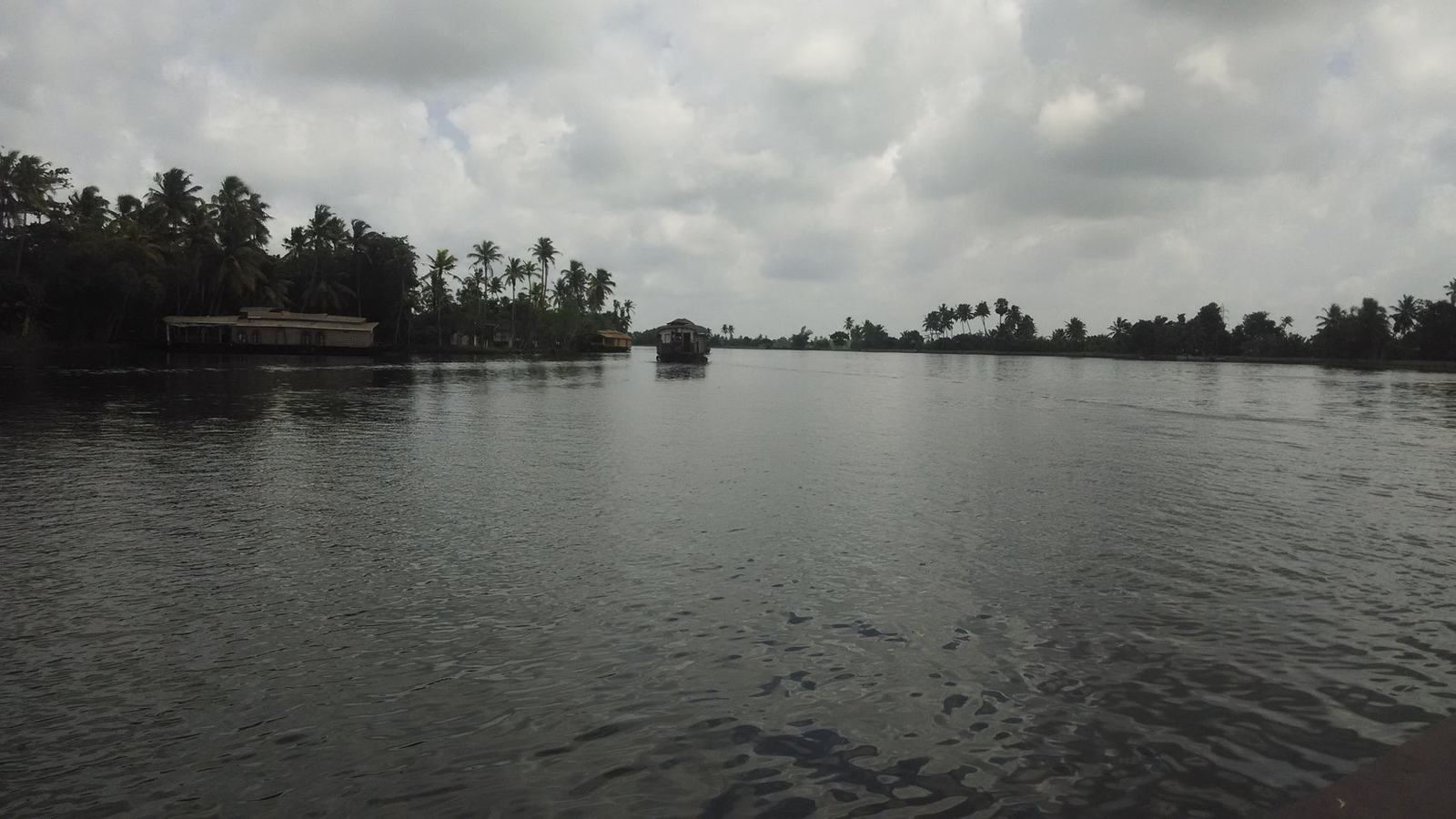
A licensed historical photograph of the Vembanad waterway near Alappuzha can illustrate the broad backwater region, but it must not be described as a picture of a specific Kumarakom canoe tour or a current operator's boat. That distinction matters in a region where different waterways and craft types can look superficially alike. A visitor hoping for a narrow village canal may be disappointed by a large-lake excursion if the route was not clearly explained. Editorial accuracy helps readers choose the experience they actually want. The photograph is an invitation to imagine the broader setting, while the text provides the practical reasons to ask questions before booking. Both can contribute to better expectations when their limits are stated clearly.
A small-craft way to appreciate the backwaters
The official Kerala Tourism guidance confirms canoeing and kayaking in Kumarakom, the wider Vembanad setting and related small-boat experiences around Alappuzha. It does not promise one fixed route, fare or departure time for every operator. A successful outing should be chosen according to the traveller's comfort, actual weather, group needs and the provider's arrangements. The reward is a slower perspective on the relationship between water and everyday life in Kerala. Whether paddling a canoe or travelling in a smaller passenger craft, visitors can experience the canals with greater intimacy than a long-distance journey alone might offer, provided they respect the working waterways and the people whose home they are visiting.
Sources and photograph attribution
Official destination and boating guidance: Kerala Tourism — Boating Experiences in Kerala. Current access, rules, weather and reservations must be checked independently before travel.
Photograph: Navaneeth Krishnan S — Alappuzha Pallathuruthi Vembanad Kayal.jpg (CC BY-SA 3.0) via Wikimedia Commons. Original image resized as JPEG. Historical photograph of the Vembanad backwater region near Alappuzha, not a specific Kumarakom canoe operator or trip. Source: https://commons.wikimedia.org/wiki/File:Alappuzha_Pallathuruthi_Vembanad_Kayal.jpg. Licence: https://creativecommons.org/licenses/by-sa/3.0. Original rights remain with the credited creator or as specified by the source and licence.
