
Explore Québec’s Forillon National Park by sea kayak: an original future-season guide to cliffs, safe routes, Parks Canada marine advice and tour dates.
Québec's Forillon National Park meets the sea with the drama of a long headland: wooded slopes, rocky points, working maritime communities and the open water of the Gulf of St Lawrence. Seen from a kayak, the coastline changes character at every small headland. The same setting that makes a short guided paddle memorable also demands serious attention to conditions. Parks Canada promotes sea-kayaking experiences in the park, while its dedicated marine-safety advice warns of shoals, reefs, boat wakes, tides and cold water. For publication in November 2026, there is an important seasonal distinction: the park's listed 2026 guided sea-kayaking operation has finished. This is a guide for thoughtful future planning, not a claim that tours are running today.
Where the land meets the Gulf
Forillon occupies the northeastern tip of the Gaspé Peninsula, a place where the shape of the coast is part of the attraction. Visitors encounter steep shoreline, broad coastal views and sheltered-looking bays separated by exposed passages. A kayak provides a low viewpoint, bringing the edges of the rock, the changing water colour and the scale of the cliffs into focus. But the headland is not one continuous protected paddling basin. Conditions can differ substantially from a photograph taken in a nearby bay. Selecting one suitable departure area is more realistic for a visiting leisure paddler than imagining an uninterrupted expedition along the entire park coast.
A choice between guided and independent paddling
Parks Canada's sea-kayaking information identifies organised excursions associated with Grande-Grave and Gaspé Bay. Guided outings can be particularly sensible for visitors who do not know local tidal conditions, commercial vessel movements or safe shoreline access. Independent paddlers need their own route, rescue and communications plans, and should check whether their intended landing or launch is allowed. Paying for a tour is not simply paying to rent equipment; it can provide local expertise and an appropriate decision to turn back. Equally, competent visiting paddlers should not infer that every section shown in a tour advertisement is suitable to undertake without a guide.
The 2026 season has already ended
The operator schedule published on the official Forillon sea-kayaking page ran from June 22 to September 7, 2026, and Parks Canada's service updates identify the park's principal seasonal activities as finished by late autumn. This matters because a November article can easily create the false impression that a scenic experience is available immediately. For a later season, check the park website again for operators, dates, booking arrangements and changing access rules. Published dates are historical 2026 information, not confirmation of a 2027 programme. A destination guide is most valuable when readers understand the difference between a permanent stretch of coast and a service that operates for only part of the year.
The safety issues that photographs cannot show
Parks Canada's marine-safety page specifically identifies reefs and shoals around Cap-des-Rosiers, Cap-Bon-Ami, Cap-Gaspé and the sandbanks near Penouille. A shoal can complicate a route even when the water beyond looks inviting. Submerged rocks may be hard to spot under glare, and the safest line may be very different at different water levels. The official warnings also draw attention to wakes from passing vessels, which can strike a kayak after the larger boat has gone by. A realistic plan should include an actual chart or authorised local information, not only an attractive map image. The paddler's decisions should be made for the day's conditions and skill level.
Penouille and the more sheltered approach
The Penouille area is known for its coastal landscape and shallow-water features. It may appear gentler than a dramatic exposed cape, but Parks Canada's advice identifies sandbanks there as a navigational factor. A kayak can ground in unexpected places, and a person standing up to drag it may damage sensitive habitats or find footing less secure than expected. Rather than promise a particular paddling route, a cautious visitor should look at the official access information and the actual tide before selecting a launch. It is entirely legitimate to enjoy the coastal scenery from shore if water conditions or park access restrictions make a paddle unsuitable.
Seeing wildlife without pursuing it
Marine wildlife is part of Forillon's appeal, and seals are often associated with the region's guided kayak experiences. Responsible observation means allowing animals to control the distance. A paddler should not chase a seal, separate adults from young or manoeuvre into a resting group just to obtain a photograph. Wildlife is not a scheduled performance, and an outing without a close sighting can still be rewarding. There are practical benefits to keeping a respectful separation: a distracted paddler in a small craft can drift near rocks or into the path of another vessel. Binoculars and an unhurried pace are often more useful than attempting to close the gap.
Wind, current and the return journey
Sea kayaking invites a familiar error: setting off with a favourable wind and discovering on the way home that progress is much harder. Around an open headland, wind direction relative to the shoreline can create rougher water than a paddler expects. Currents and tidal movement may alter the route or reduce the speed made good. The itinerary should therefore have a conservative turnaround time, straightforward escape points and a weather threshold agreed before launching. Checking a forecast is necessary but not enough; the crew should assess the water at the actual departure location. If a change is already visible, shortening the route is sensible seamanship, not a failed holiday.
Cold water changes the risk calculation
The Gulf of St Lawrence can remain cold even when the shore is warm enough for casual summer clothing. An unexpected immersion is not merely uncomfortable. Cold water can rapidly interfere with breathing, coordination and self-rescue. A correctly fitted buoyancy aid, clothing selected for the water rather than just the air temperature, and practical rescue capability should be standard preparation. A visitor using a hired kayak should understand how the outfitter addresses clothing, flotation, capsize recovery and the possibility of an assisted return. Solo paddling magnifies many of these risks, especially when the coast has limited easy landings.
Sharing water with other craft
A quiet kayak and a larger motorboat occupy the same water but experience it differently. A yacht or tour boat may generate wake long before a kayaker has assessed where it will arrive. From the cockpit of a small craft, vessel direction and speed can be difficult to judge against a complex shoreline. Paddlers should remain visible, keep a lookout and avoid lingering in channels or near busy approaches. Motorboat crews also have an obligation to keep an effective lookout and navigate responsibly. Both groups benefit when recreational paddling stays predictable, especially in places where sightseeing tours and ordinary local boating overlap.
A sensible itinerary for first-time visitors
A first visit could centre on one approved coastal launch, a short guided excursion and an additional afternoon observing the same coast from a trail or viewpoint. This avoids the pressure to squeeze an ambitious paddle between a long road journey and evening accommodation. If booking a guided departure, arrive early enough for equipment fitting and instruction, and ask whether the experience is appropriate for the weakest paddler in the group. If conditions lead to a cancellation, a land-based alternative should already be in mind. Forillon is a significant destination even when a kayak remains on its rack.
Working with the actual local rules
National parks manage their shorelines for conservation as well as recreation. A tempting beach does not automatically provide authorised landing, launching or camping. Consult Parks Canada for the current rules on access, closures, wildlife, overnight stays and the use of any motorised craft. Independent paddlers should also verify local maritime requirements, including required safety equipment and weather information. A GPS route downloaded from another person's trip is not permission to enter a restricted area. Good preparation involves confirming that a proposed activity is both safe and allowed, and accepting that the answer can change during the year.
Photography without disturbing the coast
The strongest coastal pictures often come from the changing shape of the water or the contrast between a small kayak and the large shoreline. They do not require a paddler to push into sea caves, approach seals or climb onto fragile coastal vegetation. Saltwater, spray and capsize risk also make camera equipment a secondary priority. Secure any camera properly, keep hands available for boat control and allow companions to enjoy the experience without being asked to hold position in exposed water. Taking fewer, more carefully considered photographs can produce a better record of a genuinely safe outing.
Why a small boat suits this landscape
For a visitor interested in craft under twelve metres, Forillon demonstrates both the appeal and the limitations of compact recreational boats. A kayak is light, quiet and capable of giving an intimate view of an extensive coastline. It also has little speed reserve, limited carrying capacity and no ability to ignore a deteriorating sea state. The attraction is not to make the sea seem tame; it is to match the journey to a human-scale vessel. That makes route selection, a trained crew and accurate local information central to the experience instead of unglamorous details left until the last moment.
Building a future-season checklist
Before travelling, confirm when the park's sea-kayaking services operate, whether a guided place is available, where the departure point actually is and which restrictions apply. Compare the published forecast with the level of exposure on the intended route; carry appropriate flotation and communications equipment; and arrange transport and accommodation without relying on an unconfirmed sailing. If bringing a personal boat, seek explicit guidance rather than assuming the tour operator's arrangements apply to private visitors. Remember that the date of an online photograph is not a reliable statement of current access or navigational conditions.
The reward is a measured day afloat
Forillon is an ideal place to rediscover the value of a modest objective: a short passage close to an authorised shore, time to notice the form of the cliffs and enough flexibility to return before anyone becomes tired or cold. The landscape can reward patient observation just as surely as a long-distance voyage. The right conditions and an experienced guide can make kayaking a memorable part of a Gaspé holiday, while a forecast calling for exposed water may justify staying ashore. That decision-making is central to responsible leisure boating, and it protects both visitors and the wild coastline they have come to see.
Sources and photograph attribution
Official destination and boating guidance: Parks Canada — Forillon National Park Sea Kayaking. Current access, rules, weather and reservations must be checked independently before travel.
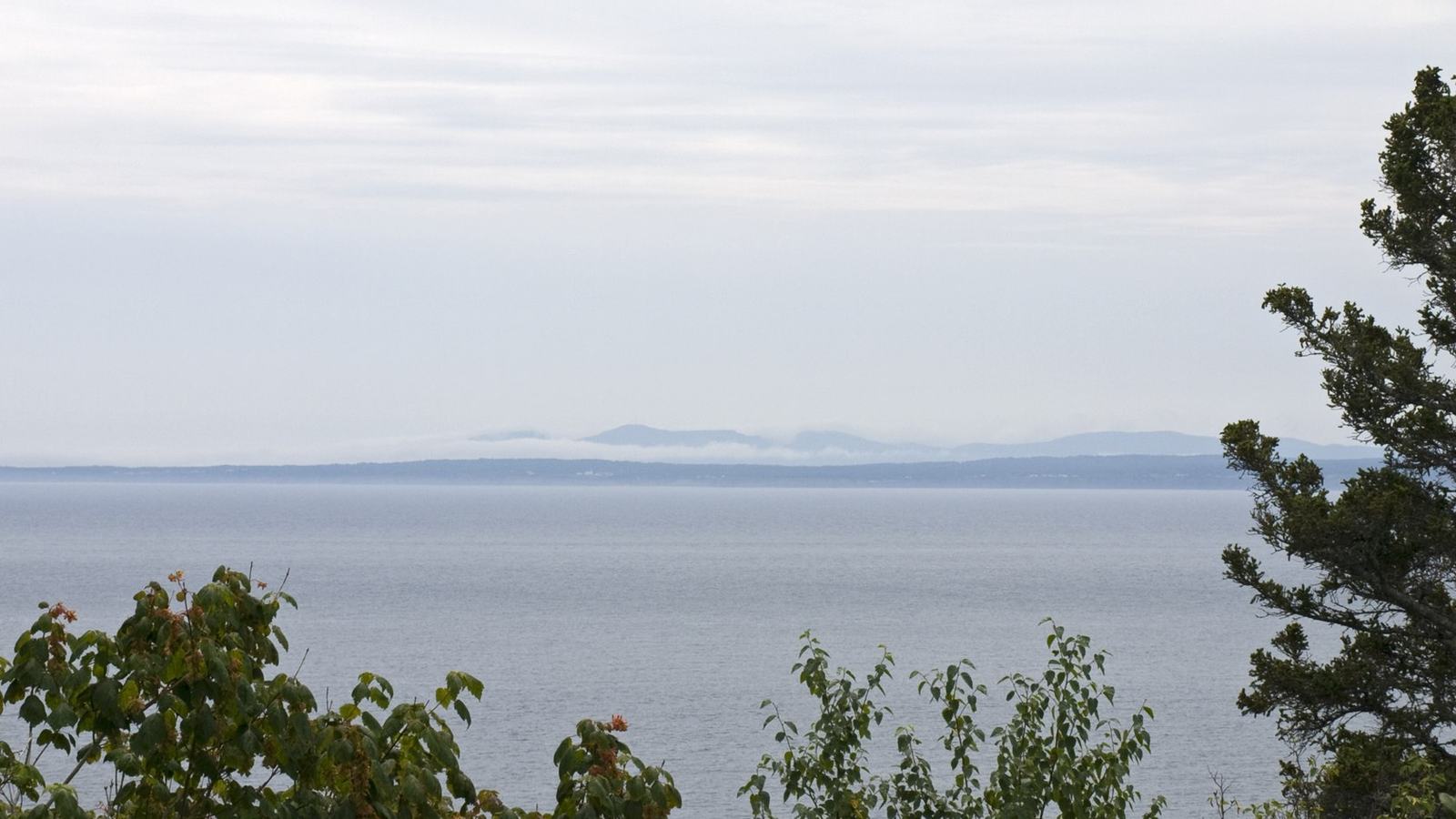
Photograph: Ymblanter — Forillon National Park Gaspé Bay seen from the coast 1.jpg (CC BY-SA 4.0), via Wikimedia Commons. Resized and converted to JPEG for display. Source: https://commons.wikimedia.org/wiki/File:Forillon_National_Park_Gasp%C3%A9_Bay_seen_from_the_coast_1.jpg. Licence: https://creativecommons.org/licenses/by-sa/4.0. Original rights remain with the credited creator or as specified by the source and licence.
