
A complete Xochimilco trajinera guide with city-authority visitor tips, official embarkation, chinampa agriculture, conservation and safe canal travel.
South of central Mexico City, Xochimilco offers a distinctive form of small-boat travel: a flat-bottomed wooden trajinera propelled through surviving canals by an experienced boatman. The brightly painted boats are instantly recognisable, but they are more than colourful tourist transport. The canals preserve part of an agricultural landscape shaped over centuries by chinampas, raised plots associated with the lake system of the Valley of Mexico. The borough government of Xochimilco describes its network of canals and authorised boat landings as part of a UNESCO-recognised cultural landscape. For leisure boaters, the experience is a reminder that waterways can be working heritage sites rather than conventional navigation routes.
What a trajinera really is
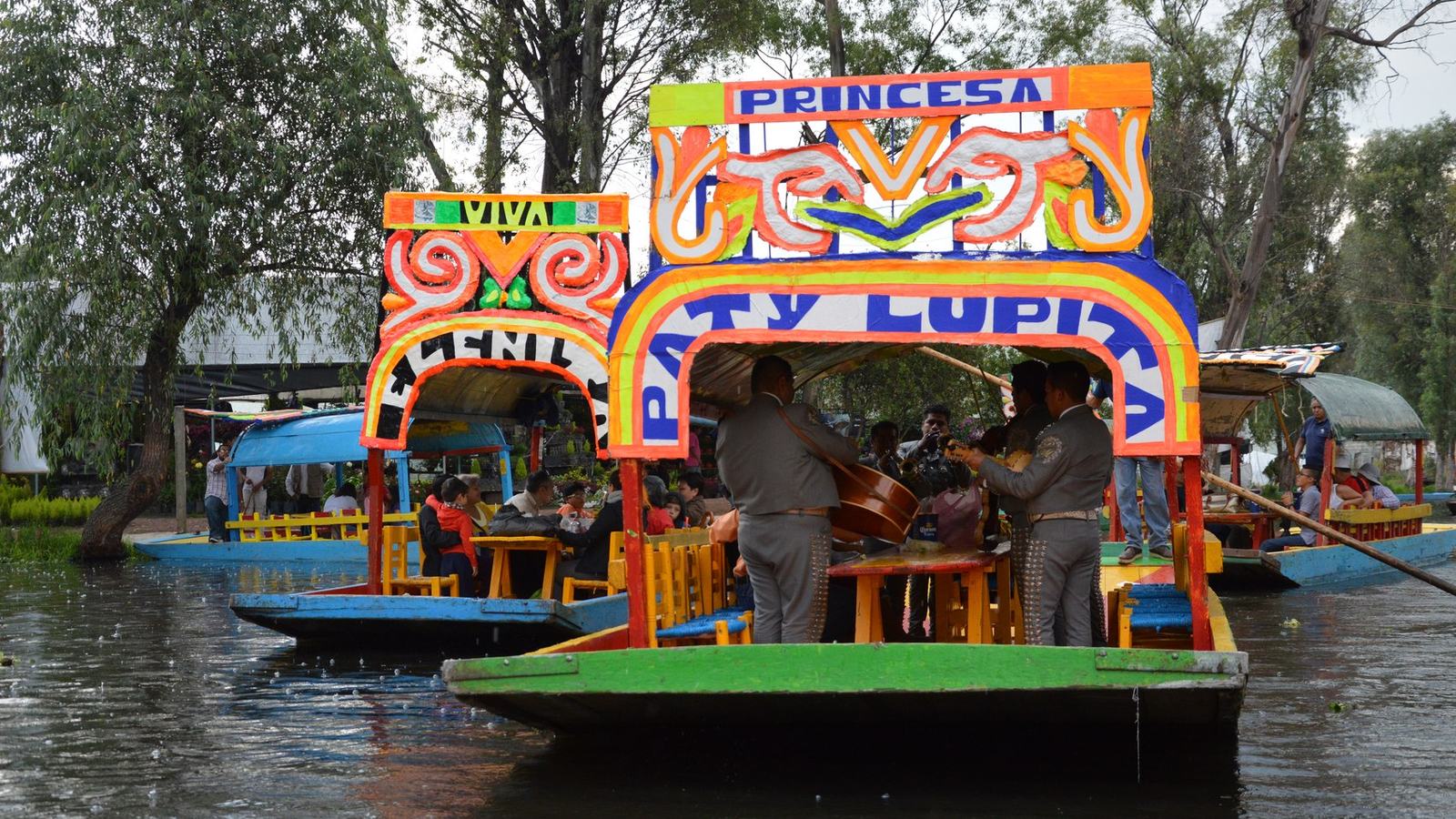
A trajinera is a broad, shallow-draft passenger craft that travels slowly along the canals, usually with a covered seating area and an ornamental painted arch. It is traditionally moved with a long pole rather than an engine. The low speed allows visitors to observe gardens, canal edges, other boats and the activity of the surrounding neighbourhoods. A trajinera should not be confused with a private tender available for unrestricted self-hire. The person operating it understands the channels, traffic and landing arrangements. Visitors generally purchase a timed boat excursion, not ownership of the vessel's route or permission to leave its approved area.
The chinampas are the destination's foundation
The borough's official tourism material explains that Xochimilco's exceptional cultural value is linked to the historic transformation of a lacustrine environment into productive agricultural land. Chinampas are often called floating gardens, but that shorthand can mislead people into imagining loose rafts wandering freely through the canals. They are established agricultural plots shaped by water management and soil. A boat excursion is an opportunity to understand how cultivation, canals and settlement have been connected for generations. A visitor should avoid stepping onto working plots without permission or treating crops and private gardens as convenient picnic sites.
Several embarcaderos serve different routes
Xochimilco has multiple authorised embarkation points, called embarcaderos, and the type of trip may differ according to where visitors start. The local government provides information about tourist services and boating areas, including traditional departures and more ecologically oriented routes. A journey chosen for music and social atmosphere may not resemble one selected for quieter canals and agriculture. Before leaving the city centre, confirm the exact landing point with the operator. A generic instruction to go to Xochimilco can lead travellers to the wrong pier, where the planned booking may not be recognised. The first task is to identify the actual boat and departure location.
Cuemanco offers another perspective
Mexico City's official visitor guidance highlights the Cuemanco embarcadero as an access point for ecological tours of Xochimilco. Its wider area includes canals and a plant-market setting, creating a different impression from the more celebratory tourist zones. A visitor interested in the chinampa landscape may prefer a quieter excursion that emphasises agricultural heritage and wetland ecology. However, no one should assume that every boat from Cuemanco follows the same route or schedule. Ask the authorised operator which canals are included and what can realistically be observed. Respect for working agriculture is central to making the excursion more than a colourful ride.
The cultural atmosphere on the water
Trajineras are associated with social gatherings, music, food and distinctive painted decorations. On some routes, musicians and vendors operate from separate boats, creating a floating social environment. Visitors can enjoy this atmosphere while being considerate of other passengers and people living beside the canals. Music should not be treated as a reason to ignore navigation or safety instructions. The boatman still needs room to work the pole and manage passing traffic. A family looking for quiet birdwatching may wish to choose a different circuit from a group celebrating an occasion. Both can be valid experiences when planned honestly.
Agree the hire arrangement first
One of the most common practical questions is whether the advertised fare covers the whole boat, a person or a period of time. The local authorities publish guidance and regulated pricing information, but visitors should verify the current terms at the official landing rather than accept an unsolicited offer from someone away from the ticket area. Confirm the duration, total price, number of passengers and any extras before boarding. Food, music and stops may involve additional charges, and none should be assumed to be part of a basic boat hire. A simple agreement reduces misunderstandings and allows passengers to enjoy the water without repeated arguments about the fare.
Avoid confusing a guide with the boatman
The boatman who manoeuvres the trajinera has an active safety and navigation role. Some excursions also include an interpreter or cultural guide, while others are primarily transport. Ask in advance if explanations about chinampas, wildlife or local history are important to the group. A boatman may be knowledgeable about the canals without having agreed to deliver a long formal commentary in a visitor's language. Treating crew members with courtesy improves the experience and recognises the skill involved in managing a heavy passenger boat through confined waterways. The most meaningful visit often includes listening to local perspectives rather than demanding a rehearsed performance.
Keep the vessel stable
The flat-bottomed appearance of a trajinera can create a false impression that the deck is impossible to destabilise. Passenger movement, weight distribution and nearby boat wakes still matter. Follow instructions about where to sit or stand and avoid gathering everyone on one side for a photograph. Children should be supervised near the edge, while anyone with limited mobility should ask about boarding steps and support. Do not climb onto the decorative roof or arch. The boatman's manoeuvring space must remain clear, particularly when two trajineras pass close together. A comfortable canal cruise is not a licence to ignore ordinary small-boat safety.
Water quality deserves caution
The canals are part of an urban wetland system, not a swimming pool. Visitors should not lean overboard to trail hands in the water, attempt to swim or use the water for drinking. The historical landscape has faced substantial environmental pressures, and cleanliness can vary along the network. Avoid dropping food, plastic cups or cigarette ends into the canals. Bringing a reusable bottle and taking rubbish back to a designated collection point are modest but useful steps. A local agricultural ecosystem depends on the condition of its water, and visitors have a responsibility not to add to its burden.
Conservation beyond the tourist boats
Xochimilco is known internationally for the axolotl, an unusual salamander whose natural habitat is threatened. Its conservation status does not mean tourists will regularly see one in an open canal, nor should boat operators promise an encounter. Protected breeding projects and ecological education may be available through appropriate organisations. A responsible visitor treats wildlife with caution and does not ask the boatman to enter sensitive vegetation to search for animals. The most valuable lesson from the canals may be how a densely populated city and a fragile wetland must coexist. Protecting the environment preserves both biological diversity and the agricultural traditions that shape the area.
Photography without obstructing boats
The painted boat arches and reflections in the canal make compelling pictures, especially where several trajineras pass one another. Passengers should stay safely inside the vessel and avoid leaning towards passing boats. A wide image that shows the working waterway and neighbouring chinampas can convey more than a close-up of a boat's bright name board. Ask permission before photographing people at work on agricultural plots, musicians or other visitors at close range. Do not direct a boatman into an awkward manoeuvre simply to improve a composition. The most successful photos are made while respecting the rhythm of the canal.
A cultural visit, not an artificial theme park
It can be easy to focus on music and colour while overlooking the people who cultivate the land or maintain the waterways. The UNESCO status reflects a living cultural landscape, not a manufactured entertainment district. Travellers who choose a tour with explanations of chinampas may learn how land and water are managed and why those traditions matter. Buying from local producers or participating in a responsible educational experience can deepen that understanding. The goal should not be to consume every possible attraction in a short excursion. A thoughtful boat trip can encourage appreciation for an area whose residents continue to rely on its waterways.
Planning transport from central Mexico City
Xochimilco is some distance from the historic centre of Mexico City, and travel time varies with traffic and transport choices. Visitors should check the exact embarcadero rather than selecting the first location that appears in a search result. Official city travel information can help establish appropriate public transport or other practical options. It is worth allowing time to find the pier, confirm the boat and use nearby facilities before departure. A rushed arrival may make travellers more vulnerable to misleading offers or confusion about prices. The outing works best as a substantial part of the day, not a hurried interruption between unrelated attractions.
Choosing a quieter tour
A person particularly interested in wildlife, agriculture or photography should ask about ecological or interpretive circuits rather than assume that a popular festival-style trajinera trip will meet those interests. Quieter routes may still share the water with working boats and local residents, so absolute silence cannot be promised. Nevertheless, the pace can allow the visitor to notice birds, plant life and farming activity that a louder outing might obscure. The borough's authorised operators are the appropriate source for what is genuinely offered. Any claim of special access to protected areas should be confirmed rather than accepted merely because it sounds exclusive.
Families and group celebrations
Trajineras can be a memorable group outing, but the experience should be matched to the passengers. Families should verify capacity, flotation arrangements and how younger children are supervised. Large groups should understand the cost of food or music services before ordering. A celebratory atmosphere should not involve unsafe intoxication or behaviour that puts the boatman in difficulty. Visitors wanting a peaceful educational trip should avoid dates and circuits dominated by parties where possible. Being clear about the group's purpose in advance makes a satisfactory booking more likely and helps operators direct people to a suitable route.
Seasonal and weather considerations
A city canal may appear sheltered, yet rain, wind and changing conditions can influence the comfort and operation of an open-sided boat. Bring suitable layers and sun protection according to the forecast, and avoid carrying heavy luggage that cannot be stowed. Check whether a particular circuit or embarkation point is operating when planning a public holiday or a period of maintenance. The timing of local festivals may also affect crowding and prices. No general travel article can guarantee a smooth journey or a specific timetable for a future date. The correct information is what the authorised service provides for the actual visit.
Why Xochimilco matters to boaters
Xochimilco demonstrates how water transport can preserve a relationship between culture, agriculture and urban life. The trajinera is slow and modest by design, yet it can reveal a landscape that could not be experienced from a road. Its value depends on local boatmen, responsible tourism and efforts to protect the canals. Travellers who confirm official arrangements, support the area's working communities and respect the wetland can enjoy the famous colour and music while learning something deeper. The lesson is not that all waterways should become tourist attractions, but that boating can help people understand and care for a living heritage landscape.
Sources and photograph attribution
Official destination and boating guidance: Mexico City Official Tourism Guide — Xochimilco Boat Launch Tips. Current access, rules, weather and reservations must be checked independently before travel.
Photograph: Ivo Kruusamägi — Trajineras and canals of Xochimilco 06.jpg (CC BY-SA 4.0), via Wikimedia Commons. Resized and converted to JPEG for editorial presentation. Source: https://commons.wikimedia.org/wiki/File:Trajineras_and_canals_of_Xochimilco_06.jpg. Licence: https://creativecommons.org/licenses/by-sa/4.0. Original rights remain with the credited creator or as specified by the source and licence.
