
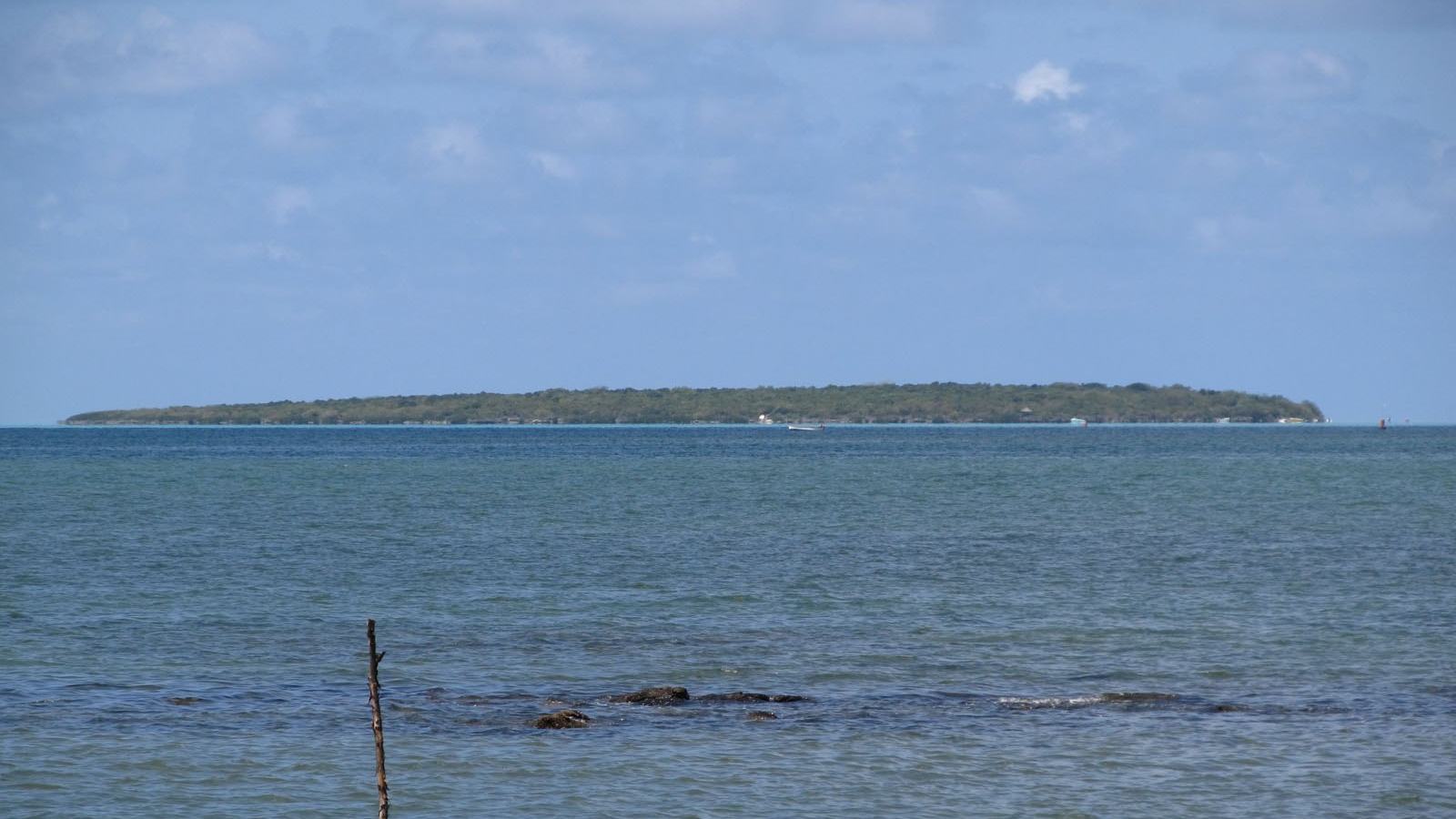
An original guide to Mauritius’s Île aux Aigrettes conservation boat trips, ecological restoration, rare wildlife, guided access and respectful travel.
Just off the southeast coast of Mauritius, Île aux Aigrettes offers a short water crossing into a remarkable conservation story. This low coral-limestone island has been protected as a nature reserve since 1965, and the Mauritian Wildlife Foundation has spent decades restoring native plants and reintroducing rare species. The official Mauritius tourism website describes guided visits that can reveal tortoises, reptiles and birds, including the pink pigeon and Mauritius fody. For leisure-boat travellers, the destination is a reminder that an island close to the mainland need not be open for independent landing. The best way to experience Île aux Aigrettes is through the authorised conservation operation, where the boat crossing is the beginning of a carefully managed visit.
A small island with an important role
The Mauritian Wildlife Foundation identifies Île aux Aigrettes as a reserve of approximately 26 hectares, about 850 metres from the mainland in Mahébourg Bay. The short distance may suggest an easy trip, but its ecological importance is far greater than its size. The island preserves an unusual example of dry coastal forest once much more widespread in Mauritius. Its location away from the larger island has helped conservationists manage restoration work, although the ecosystem remains vulnerable to accidental introduction of pests and damage from visitors. A responsible tour allows people to see this work without treating the reserve as an ordinary beach or anchorage.
The boat journey has a purpose
A short crossing from the mainland is part of the standard Mauritian Wildlife Foundation ecotour. According to the foundation, the guided experience generally lasts around one and a half to two hours, including the boat transfers and a walk around points of interest. The boat is a controlled way to bring guests into a conservation area rather than an unrestricted water taxi whose passengers may wander independently. Ask the operator where and when to meet, whether the crossing is included in the booking and what conditions could lead to cancellation. A tiny passage across a bay still involves weather, boarding arrangements and a real skipper's judgement.
What makes the forest different
Most of the Mauritian mainland has volcanic origins, but Île aux Aigrettes is formed of coralline limestone. The distinction helps explain its different soil and native vegetation. The Mauritian Wildlife Foundation describes the island as containing surviving elements of dry coastal forest that were heavily reduced elsewhere by clearance and introduced species. Visitors walking with a guide can see how restoration requires more than planting a few trees. Conservation staff must manage unwanted species, help native plants establish and maintain the conditions needed by wildlife. The tour can be valuable for anyone interested in how islands recover after many decades of disturbance.
A reserve restored through long effort
Conservation on Île aux Aigrettes is not a recent tourist fashion. The foundation's account identifies the protected status established in 1965 and describes sustained work to bring back native plants and animals. Restoration is a long process, and a visitor may notice both established woodland and areas where active management continues. This is one reason to remain on designated walking routes and follow instructions without shortcuts. Young plants and sensitive soil can be damaged by feet or equipment, while an apparently empty path may be closed to protect ongoing work. The island is a working conservation site whose needs take precedence over a visitor's preferred photograph.
Birds are part of the story
Mauritius's official tourism information highlights birds such as the pink pigeon, Mauritius fody and Mauritius olive white-eye as species visitors may learn about. Their presence reflects years of conservation work, not a guarantee that every tour will see all of them. Wild birds may move through dense vegetation or remain out of sight, and the quality of an experience should not be measured by the number of species photographed. A local guide can explain habitat and behaviour even when an individual animal is difficult to observe. Keep a respectful distance, remain quiet when requested and avoid drawing attention to a nesting or feeding area.
Giant tortoises and other reptiles
Guided visitors may encounter large tortoises and a range of reptiles associated with the island's restoration. These animals can attract attention because they are unusual to many travellers, but close contact is not automatically appropriate. Do not touch or feed them unless the conservation guide explicitly instructs otherwise for a managed educational activity. A tortoise's slow movement does not mean it is indifferent to being surrounded by cameras. Keep the group together and let the guide explain the ecological role of the animals. An observation made without pressure on the wildlife is more informative and more likely to be consistent with the reserve's goals.
Why independent landing is not assumed
Île aux Aigrettes is a managed nature reserve, not a recreational island where any arriving dinghy may put passengers ashore. The Mauritian Wildlife Foundation operates guided access, with its own departure and touring arrangements. A private boat owner should not interpret the short crossing distance as permission to land or use reserve facilities. Ask the foundation about its current visitor rules and book through the authorised programme. Even where other parts of Mahébourg Bay allow boating, those arrangements do not override conservation protections. Choosing the official transfer is a way to support the work that makes the visit worthwhile rather than an inconvenience to be avoided.
Boarding a small visitor boat
Passengers should follow the skipper's directions when stepping between the quay and the craft, keeping hands away from pinch points and allowing others time to settle. Ask about suitable personal flotation equipment, particularly when travelling with children. An island transfer may be short, but slips and unexpected movement can occur just as easily near shore as on a longer journey. Limit luggage to what the operator recommends and secure cameras or bags so they do not fall overboard. Anyone with reduced mobility should discuss boarding arrangements before booking. A careful transfer helps start the nature visit calmly and avoids distracting the crew from safe handling.
Booking a guided visit
The Mauritian Wildlife Foundation provides direct information about ecotours, tailored visits and conservation-focused experiences on the island. Standard tour arrangements differ from specialist birdwatching, photography or school programmes. A visitor should confirm the current itinerary, departure time, group size, cost and included equipment before travelling to the meeting point. A tourism website describing the reserve is not evidence of real-time availability. Booking through the foundation or an authorised partner helps ensure that the fee supports a managed visit and that expectations are clear. Ask what happens if rough weather prevents the boat transfer and whether an alternative date is possible.
Tailored tours need advance discussion
Some visitors want a longer wildlife-photography session or a particular educational focus. The foundation describes tailored experiences that may be arranged in advance rather than as spontaneous additions to a standard visit. These should be discussed directly, including the degree of access permitted and the conduct expected around animals. Specialist interests do not mean that a photographer may leave marked paths or approach nesting birds without restrictions. In fact, more time on the island often brings a greater responsibility to avoid interference. A guided approach can still provide excellent images while putting the needs of conservation staff and wildlife first.
Keeping unwanted species out
Islands undergoing restoration can be especially vulnerable to animals, insects or seeds brought in on clothing, bags and equipment. Visitors should follow any biosecurity procedures required by the operator and check their belongings before boarding. Food scraps and waste should be kept contained rather than left where wildlife might find them. A privately owned boat can transport organisms in lockers or on equipment, another reason not to attempt unauthorised landings. The restoration work behind a tour may take years; a careless introduction of a pest can undo substantial progress. Respect for basic precautions is one of the most useful ways tourists can contribute to the project.
The ecosystem is not a petting zoo
Rare animals may be accustomed to the presence of conservation workers and guided groups, but that does not make them domesticated. Visitors should allow wildlife to choose its own distance and not assume that a close encounter is a right purchased with a ticket. Keep children from running towards an animal, and do not use food to attract it. The guide may explain why an individual species is being monitored or how its habitat is being managed. That knowledge is the real value of the tour. A brief glimpse of a bird can become much more meaningful when a visitor understands the conservation history behind its return.
Climate and clothing for the walk
Mauritius can be warm and humid, and weather can change between boarding the boat and walking under the forest canopy. Comfortable footwear suitable for a guided nature trail, sun protection and drinking water can make the outing more pleasant. Ask the foundation whether particular footwear or clothing is recommended, and avoid bringing unnecessary bulky equipment that is difficult to manage on a small transfer boat. Rain may make a trail slippery, while bright conditions near the water increase glare. Passengers should be ready to follow the guide if a route is shortened or modified for safety or conservation reasons.
The photographer's responsibility
The island's wildlife, native trees and coastal setting provide many opportunities for photography. However, a long lens is often more appropriate than moving close to a bird or reptile. Remain within the group's designated route and avoid blocking the guide or other visitors. Flash photography may be restricted around animals, so ask before using it. Taking portraits of staff or other visitors also calls for permission. A photograph that shows the ecological setting can be more informative than a dramatic close-up. The aim should be to document a remarkable restoration landscape rather than create a picture that depends on disturbing its inhabitants.
Mahébourg Bay beyond the reserve
The surrounding bay gives the visitor a wider sense of Mauritius's maritime landscape, with protected islands and coastal settlements visible from the water. It would be misleading, however, to treat every nearby island as subject to the same visitor rules. Some places may have different access arrangements, while others are especially sensitive or privately managed. The Mauritian Wildlife Foundation also advertises a separate South East Islets Adventure involving other islets and historical locations. That is a distinct programme with its own duration and booking requirements. A standard Île aux Aigrettes ecotour should not be assumed to include those additional destinations or activities.
Conservation tourism and local benefits
A guided nature reserve tour can help connect travellers with the people who work to protect Mauritian wildlife. Paying for an authorised visit supports the interpretation and visitor management that make conservation-focused tourism possible. Guests should still ask transparent questions about what their booking includes and behave respectfully towards staff and local communities. The reserve is not an exhibit detached from the island's history; its present condition results from ecological challenges and persistent human effort. A well-run visit can encourage visitors to support similar projects elsewhere and think about the effects of recreational boating on other fragile island habitats.
Planning a responsible future visit
Start with the foundation's current information rather than rely on a years-old travel article or a photograph of the island taken from an excursion boat. Check the authorised departure point, whether the tour is available on the intended date, what clothing is needed and how poor weather affects the transfer. Families should discuss age suitability and flotation equipment, while visitors with mobility limitations should obtain specific boarding guidance. Do not assume that a nearby marina or privately owned tender provides an alternative entrance. The point of the visit is to appreciate a protected forest, and its protection depends upon people accepting managed access.
What the small crossing reveals
Île aux Aigrettes demonstrates that a short boat journey can lead to an exceptional nature experience without requiring a long offshore voyage. The island's importance comes from the native forest, the rare animals and the continuing work of restoration, not from the distance across the bay. Arriving by an authorised conservation boat, walking with an informed guide and respecting the living habitats allows visitors to see how ecological protection and responsible tourism can reinforce each other. For leisure boaters, the lesson is especially relevant: the freedom of travel on water is most valuable when exercised with care for the places it makes accessible.
Sources and photograph attribution
Official destination and boating guidance: Mauritius Tourism Promotion Authority — Île aux Aigrettes Nature Reserve. Current access, rules, weather and reservations must be checked independently before travel.
Photograph: carrotmadman6 from Mauritius — Ile aux Aigrettes (6219450442).jpg (CC BY 2.0), via Wikimedia Commons. Resized and converted to JPEG for editorial presentation. Source: https://commons.wikimedia.org/wiki/File:Ile_aux_Aigrettes_(6219450442).jpg. Licence: https://creativecommons.org/licenses/by/2.0. Original rights remain with the credited creator or as specified by the source and licence.
