
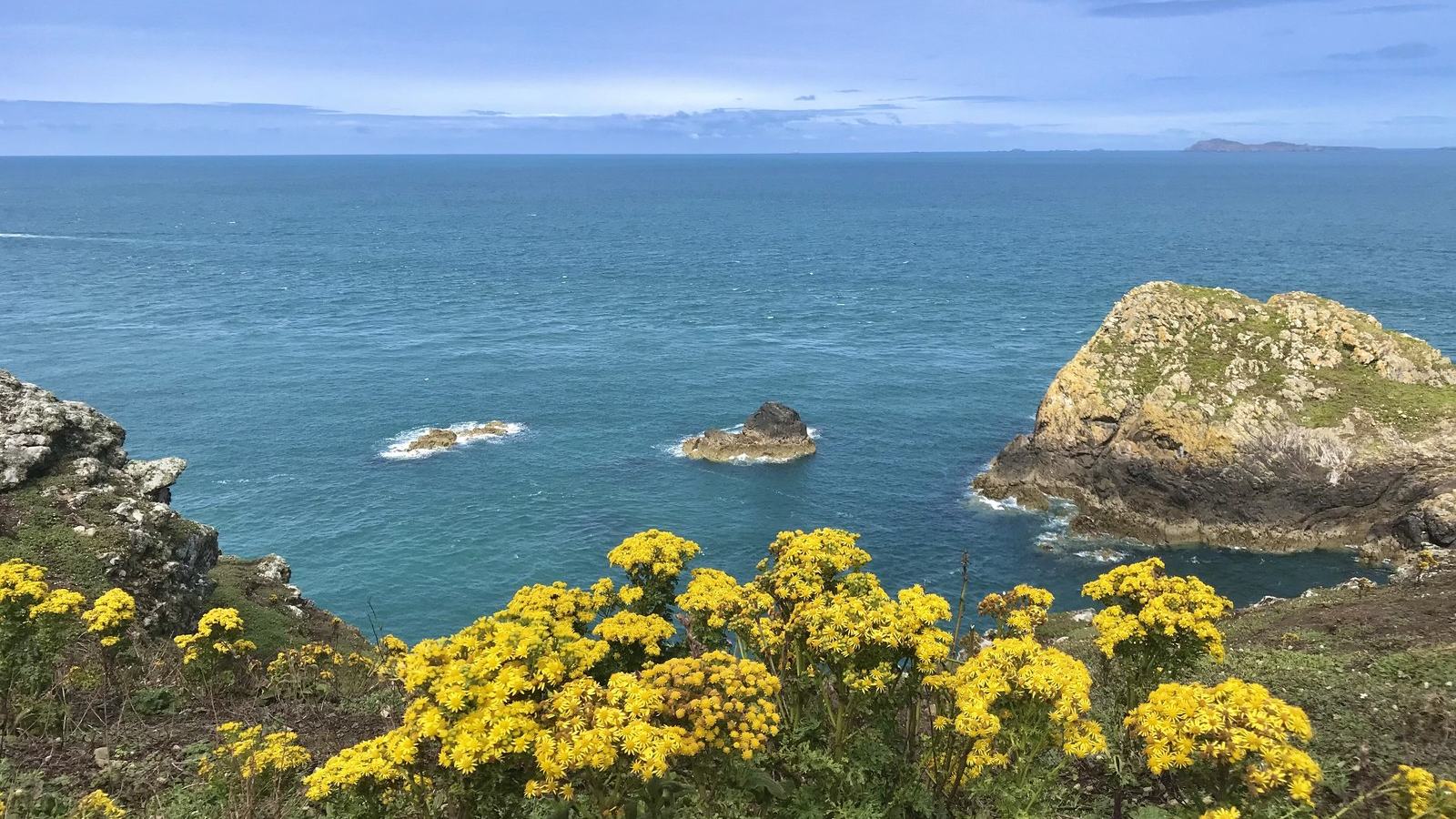
A complete 2027 small-boat visitor guide to Skomer Island, covering opening dates, private-boat landing times, day fees, wildlife protection and safe travel.
Skomer, off the Pembrokeshire coast in west Wales, rewards visitors who understand that a wildlife island is not an ordinary beach stop. Its seabird colonies, coastal paths and sensitive vegetation are managed by the Wildlife Trust of South and West Wales, which has now published practical arrangements for the 2027 season. The island is closed to visitors for the remainder of 2026, and the next day-landing arrangements concern the period from 26 March to 30 September 2027. Small-boat owners can plan a memorable future visit, but a convenient patch of water near the shore is not permission to land. The trust has specific hours, fees and an arrival system designed to protect wildlife and keep visitors safe.
Why Skomer is worth the crossing
An island reached by boat offers a change of rhythm before the first step ashore. Skomer's coastal cliffs, grass-covered slopes and densely occupied bird habitats create an experience far removed from a marina promenade. In spring and summer, visitors may encounter puffins and other breeding seabirds, while the timing of individual species' presence is never guaranteed. The best reason to go is to learn about the whole protected environment rather than obtain one close photograph. A quiet walk along the designated paths can reveal how the island's offshore setting influences wildlife, human access and conservation work. The sea crossing is an essential part of that story.
The dates matter more than enthusiasm
The trust's private-landers page states that Skomer is now closed to all visitors in 2026. For 2027 it gives a visiting window from 26 March to 30 September, with private-boat landing hours on Tuesday through Sunday. These dates describe the planned open season, not a guarantee that the sea will be calm or a particular visit possible. A skipper should check for changes before departing and accept that conditions may prevent any landing. Weather in exposed Pembrokeshire waters cannot be controlled by booking early. Travellers building a wider holiday around Skomer should have alternative activities ashore and avoid relying upon one narrow opportunity.
Two landing windows, not a private marina
For private boat arrivals the published 2027 windows are 10 a.m. to 12:30 p.m. and 2:30 p.m. to 5 p.m. They are visiting periods, not invitations to tie up indefinitely or enter the landing area at any hour. The correct approach is to read the trust's current arrival instructions and speak with the island team as required. A boat should be ready to leave according to the rules, without blocking the operational area. The crew needs enough time to walk, return and embark safely. When an exposed landing becomes difficult through wind or swell, even an advertised visiting window may be unsuitable for a private vessel.
What the landing fee covers
The Wildlife Trust's information lists a 2027 day landing fee of £24 for adults and £15 for children, and tells private landers to bring cash to pay island staff. Fees and procedures can be revised, so the current official page should be checked before the trip. The fee is separate from a skipper's fuel, berth or other boating costs, and it should not be confused with the fare for a commercial passenger boat. Arriving without the correct payment or awareness of the visiting rules risks a disappointing day. Good small-boat planning includes the ordinary administrative details that allow the conservation team to manage access.
A passenger service is another option
Visitors who do not want to navigate their own vessel can consider the authorised day-trip boat service from the mainland, departing from the Martin's Haven area. The Wildlife Trust's day-trip information links to the operator responsible for landing passengers on Skomer. The passenger ticket and private-landing arrangements are not identical, and a fare bought for one cannot be assumed to apply to the other. A commercial voyage can make sense for visitors whose interest is birdwatching or walking rather than boat handling. Its schedule remains subject to the same coastal weather. Confirm the actual sailings and whether ticket sales for the intended date have opened.
The first rule is to protect nesting birds
Skomer's remarkable wildlife depends on undisturbed places to nest and feed. Visitors should remain on marked paths and never step across vegetation because a puffin looks closer from a different angle. Seabirds can occupy burrows that are hard to see from above, so a single careless shortcut may damage an active nest. Staying on the path is not an inconvenience imposed upon photographers; it is essential to the reserve's purpose. The island is best enjoyed at a patient pace. Let birds approach or move naturally, and resist any temptation to encourage them with food, calls or a camera pushed into a burrow.
A puffin photograph is not the whole visit
Puffins are an obvious draw, but Skomer supports a much broader seabird environment. The trust's visitor information explains the importance of the island for several breeding species, including Manx shearwaters. Some are more easily observed at certain times than others, and a midday landing will not reproduce every wildlife experience described in a nature documentary. Binoculars can reveal birds at comfortable distances without creating disturbance. A wildlife encounter has value even when the animal remains some way from the path. Thoughtful visitors measure their success by what they learned, not by how closely they could approach a nesting bird.
A small boat faces a real coastal passage
Navigating off Pembrokeshire requires attention to wind, sea state, visibility, tidal movement and other vessels. A competent skipper needs proper charts, suitable communications and an independently planned safe return. The fact that a commercial landing boat can operate under its own procedures does not establish that a privately owned tender or small motorboat is equally suitable for the conditions. The crew's experience, vessel size and equipment all matter. Before leaving shore, establish a turnaround point and decide who will remain responsible for the boat during the island visit. A beautiful forecast photograph is not a substitute for current marine information.
The landing itself deserves a briefing
Getting from a moving small craft to an island landing can be harder than crossing calm harbour water. Passengers should understand how to remain seated, when to move, which bags to carry and how to use handholds without trapping fingers. No one should jump onto slippery rocks or attempt to pull the vessel alongside a structure not designated for private visitors. Follow official landing instructions and the crew's directions. If an arrival requires risk-taking, abandoning the attempt is the sensible decision. The day's objective is not simply to touch the island but to do so without injury or damage.
Walking routes and realistic time
Once ashore, visitors need to choose a route according to the remaining landing window. A circuit that appears short on a map may take longer because people pause to observe wildlife or negotiate uneven ground. Plan conservatively, allowing time to return to the designated departure point and board safely. The Wildlife Trust manages access primarily to protect the reserve, so wandering away from marked paths is not an acceptable way to save time. If the weather begins to change, shorten the walk. A careful visit to one wildlife area is better than a frantic lap of the island undertaken to fit every viewpoint into an afternoon.
Bring what you need, take away waste
An island reserve should not be treated as a fully serviced seaside resort. Bring appropriate drinking water, food, weatherproof clothing and any personal medication, while checking the latest official information on facilities. Secure food before landing and never leave scraps that could attract wildlife or damage the habitat. Rubbish should be taken back to the mainland. A compact waterproof bag is particularly useful for transfer from a tender. A camera, binoculars and a spare layer may be more rewarding than an elaborate collection of equipment that slows the group and creates more opportunities for things to fall into the sea.
Children need a clear plan
A family visit can be inspiring, but adults must account for the awkwardness of boat transfer, uneven paths, changing weather and time restrictions. Children need suitably sized flotation equipment during the voyage and close supervision near cliffs and landing areas. Explain why they cannot approach burrows or run towards birds. A responsible visit is an opportunity to teach that beautiful animals are not there for human entertainment. If the youngest person is tired, the group should turn back rather than demand a full circuit. The right introduction to an island nature reserve is one that leaves everyone safe, interested and willing to return.
Photographer responsibilities on shore
Long lenses and patience are more useful than walking into a breeding area. Photographers should keep tripods and bags out of the path and avoid creating a crowd that forces other walkers towards the vegetation. Flash or intrusive close work can be disruptive, particularly around nesting animals. A landscape frame that shows puffins against the coast may express Skomer's character better than a tight portrait. Take note of the bird's behaviour and end the interaction if it appears disturbed. The island's conservation rules are intended to protect every visitor's experience, including the experience of wildlife that cannot choose to leave its habitat.
Keeping the boat plan independent of the weather
The skipper should know the intended crossing, landing procedure, latest safe return time and an alternative destination if conditions deteriorate. Do not rely on the presence of other small boats as proof that an approach is suitable. Their draft, local knowledge and equipment may differ significantly. When the forecast is marginal, a land-based coastal walk may be the more rewarding choice. If the island team indicates that private landings are suspended, the decision must be respected without searching for an unmonitored cove. The reserve is a working conservation site, not a challenge to overcome by finding a loophole.
The cultural value of careful access
Skomer illustrates a useful principle for the wider leisure-boating world: small craft can provide intimate access to natural places, but that access works only when visitors accept limits. Landing fees, seasonal windows and restrictions on where people walk make it possible to share a sensitive island without overwhelming it. The trust's published arrangements help skippers make decisions early and reduce last-minute confusion for staff. Paying attention to these details is part of supporting the reserve. A visitor who changes plans because the sea is unsafe or the island is closed has not wasted the day; they have made the correct choice.
Planning now for the 2027 season
As of 25 November 2026, the practical next step is to read the Wildlife Trust of South and West Wales's private-landers information, note the 2027 visiting dates and follow any further updates before travel. Passenger-boat travellers should use the separate day-trip booking information, including its published ticket-release schedule. Private boat owners must confirm their route, landing arrangements and vessel suitability independently. There is time to prepare carefully without pretending that next summer's weather can already be known. With realistic timing, respect for seabirds and a sound return plan, Skomer can be a memorable small-boat destination precisely because it remains wild.
Sources and photograph attribution
Official destination and boating guidance: Wildlife Trust of South and West Wales — Visiting Skomer Island and Private Landings. Current access, rules, weather and reservations must be checked independently before travel.
Photograph: Diana Celine — Skomer Island puffin landscape 06.jpg (CC BY-SA 4.0), via Wikimedia Commons. Resized and converted to JPEG for editorial presentation. Source: https://commons.wikimedia.org/wiki/File:Skomer_Island_puffin_landscape_06.jpg. Licence: https://creativecommons.org/licenses/by-sa/4.0. Original rights remain with the credited creator or as specified by the source and licence.
