
A practical guide to canoeing and small-boat trips in Linnansaari National Park, including the Saimaa ringed seal, Oravi excursions and seasonal planning.
There are boating landscapes where the attraction lies not in a famous landmark but in an entire pattern of water, forest and small islands. Linnansaari National Park in Finland's Lake Saimaa region is one of them. Visit Finland's summer route through Savo describes a day devoted to canoeing in Linnansaari and an evening seal safari, while the destination's recognised services include guided paddling and canoe or kayak hire from Oravi. For the owner of a small recreational craft, this is an appealing example of how lake travel can connect wildlife conservation and slow outdoor recreation. November is not a sensible month to assume summer paddling conditions, however. A visit should be planned for an appropriate season with current local guidance.
An archipelago made for quiet exploration
Linnansaari protects a mosaic of lake islands, wooded shores and stretches of open water. Its boating appeal comes from the contrasts: an intimate sheltered channel can open into a more exposed expanse of Lake Saimaa, while a landing on an approved island may lead to a forest path and a completely different view. Visit Finland describes Linnansaari as one of the region's characteristic island landscapes and a particularly important habitat for the endangered Saimaa ringed seal. Small boats allow visitors to experience this geography without treating it as a fast transit corridor. Still, the very abundance of islands makes accurate navigation and conservation awareness essential.
Starting from Oravi
The village of Oravi is repeatedly identified in Visit Finland's official tourism listings as a gateway for adventures in Linnansaari and neighbouring waters. Rental listings include kayaks, canoes and rowing boats, and guided trips can suit people who would rather learn the area with local help. A visitor should not assume that a rental craft automatically includes a guide, or that every vessel can undertake every proposed route. Ask the operator where to launch, what equipment is supplied, how long the outing should take and where landings are permitted. A clear return arrangement matters, especially when the group includes inexperienced paddlers.
Why the Saimaa ringed seal is central
The Saimaa ringed seal is a freshwater subspecies found in this lake system and is a focus of conservation efforts. Visit Finland describes the Linnansaari area as one of its important habitats and highlights wildlife watching as a major attraction. That does not mean every kayak trip will include a sighting, and responsible operators should never promise that paddlers can approach an animal closely. The seal's scarcity makes restraint particularly important. A distant glimpse through binoculars can be an extraordinary experience, while pursuit, repeated approaches or encircling an animal with boats can cause harm. The wildlife's behaviour, not the tourist's wish for a photograph, must set the distance.
Summer is a season, not a guarantee
The Visit Finland itinerary is framed around summer travel. In the darker and colder parts of the year the challenges are completely different, potentially including ice, reduced daylight and water temperatures dangerous after immersion. Anyone using the itinerary to plan a future holiday should verify local seasonal opening, launch conditions and weather before committing. Even in summer, exposed lake water can become uncomfortable when the wind rises. A paddle designed for a pleasant afternoon should not be forced into an unsuitable autumn day simply because accommodation has been booked. The most useful boating skill can be the willingness to stay ashore.
Canoe, kayak or small motorboat
Each type of craft offers a different way to appreciate Linnansaari. Canoes are useful for stable group exploration when conditions and skill suit them; kayaks can make steady progress with a compact profile; small motorboats offer greater range but bring noise, wake and different navigational responsibilities. An environmentally sensitive itinerary should be planned around the craft actually available rather than the most ambitious route seen online. Lake Saimaa is vast, and short distances on a map can take longer than expected. Respect local speed rules, restricted areas and other lake users, and never use a motorboat's capability as an excuse to approach wildlife.
What a guided trip changes
A local guide can explain why an apparently attractive shore is unsuitable for landing, how routes are adjusted to wind and where wildlife is best observed without disturbance. Visit Finland lists guided kayaking trips within Linnansaari and Kolovesi, giving visitors a practical way to experience the area without owning specialist navigation equipment. Not every guide offers the same departure location, language or level of instruction, so confirm the actual service rather than relying on the category label. A guided trip may involve short paddling sessions and interpretation or a demanding longer outing. Honest communication about swimming ability, stamina and previous paddling experience helps ensure the right choice.
The distinct beauty of a lakeside landing
A permitted stop on an island can reveal a different part of the park's character. From the water, wooded slopes appear continuous, but on foot visitors may notice old-growth trees, rocky ground and traces of traditional island life. The ability to go ashore must not be assumed for every island. National-park rules and sensitive areas may restrict access, while private property can remain private despite a public-looking beach. Use designated landings and follow park instructions. Never drag a hull through vegetation or climb across fragile rock covered in plants simply to reach a photographically attractive lookout.
Wildlife watching requires quiet discipline
The appeal of slow boating is that it allows observation without the continuous sound of an engine. But paddles, voices and the presence of several vessels can still disturb animals, particularly when they are resting or feeding. If a seal surfaces, keep your distance and allow it to choose its own direction. Do not follow repeatedly or attempt to anticipate where it will appear next. Birds nesting on small islands also deserve space; one landing in the wrong place can have consequences disproportionate to its apparent footprint. Quiet discipline is not about removing enjoyment, but about experiencing the park without altering the behaviour that visitors came to see.
Reading the weather on a large lake
A sheltered shore can create false confidence before the boat rounds an exposed point. Wind can build fetch across Lake Saimaa, producing chop that surprises beginners in narrow canoes. Forecasts should be checked before departure, while conditions on the water must continue to be assessed throughout the trip. Know which shorelines offer practical shelter and identify a conservative turning point. A small group should travel at the pace of its least confident member and avoid pressing into more open water to complete an arbitrary route. Returning early can preserve the pleasure of the day and reduce the risk of a tiring passage against the wind.
Immersion risk and flotation
Lake water can be cold even when the weather feels comfortable on shore. Everyone should wear a properly fitted personal flotation device and know what to do if a canoe capsizes or a kayak overturns. Dry spare clothing, protected communications and an appropriate method of calling for help are valuable. Rental providers may supply essential gear, but visitors should confirm precisely what is included rather than assume that a photograph of a buoyancy aid represents an adequate safety briefing. Avoid taking a child in an unsuitable boat merely to keep a group together. Safety equipment and route choice should be appropriate to the actual passengers, not an idealised average adult.
Photography from a low boat
A kayak's viewpoint makes reflections, reeds and forested islands visually compelling. The water surface can appear almost level with the camera, creating pictures that express the scale of the lake. Use a secure waterproof case and take photographs from a stable position without suddenly shifting weight. Photographing seals calls for particular restraint: a long lens and a distant vantage point are preferable to approaching an animal for a close-up. Landscape pictures can be equally rewarding and present no pressure on wildlife. The most useful photographs may show the relationship between boat, island and open water rather than isolate a species from its habitat.
Working with local services
Visit Finland's listings identify Oravi-based businesses and kayaking tours as ways to explore the wider region, but a listing does not confirm immediate availability or an operating schedule. Check directly with the company for the intended season, exact meeting place, group size and weather cancellation rules. A guided wildlife safari differs from a self-hire kayak trip; the equipment, format and responsibility for route choice are not interchangeable. Ask if reservations must be made in advance and whether participants need any minimum age or previous paddling experience. Transparent arrangements help visitors choose a trip suitable for their abilities rather than arrive with mismatched expectations.
Camping needs its own research
The possibility of moving from island to island can tempt paddlers to plan an overnight adventure. A national park is not simply a series of unregulated campsites. Overnight stays, fires, waste disposal and landing areas must follow the current national-park rules and any local access restrictions. If camping is allowed at a designated place, plan water and food supplies and know how to protect the site from damage. Carry waste out when required. A novice crew should not treat an overnight paddle as a straightforward extension of a short afternoon rental. The additional load, forecast uncertainty and need for navigation after fatigue create very different demands.
Conservation has practical consequences
Tourism and species protection can coexist when visitors understand the limits of their presence. Avoid speeding past resting animals, keep away from sensitive shores and observe any temporary navigation restrictions. Where special local guidance exists for seal breeding periods or protected sites, follow it even if the location seems deserted. Small recreational boats have a low footprint compared with some forms of tourism, but many small disturbances can accumulate. A visitor who asks a guide about conservation rules is likely to learn far more about the place than one who treats the rules as an irritation.
Building a balanced Saimaa holiday
A worthwhile itinerary need not include a long, exhausting passage. A short guided paddle, a walk on an approved island and a land-based visit to the surrounding Savo region can provide a richer impression than a rushed circuit of distant bays. Visit Finland's broader Savo route links lakes, sauna traditions and wildlife experiences, showing that the destination can reward travellers even if one boat trip is changed by weather. Keep a flexible day for paddling and another activity for poor conditions. Rest and time ashore are not failures of boating ambition; they allow the experience to be enjoyed safely.
The quiet achievement of a small craft
Linnansaari demonstrates why the pleasure of leisure boating is not measured only in speed or distance. A kayak or canoe can bring the islands of Lake Saimaa into human scale, allowing paddlers to appreciate both the wooded shoreline and the conservation work behind the rare ringed seal. A good visit combines careful seasonal timing, honest assessment of the crew, a suitable craft and respect for protected habitats. The reward might be a seal seen far away, a peaceful channel or simply the pleasure of moving quietly between forested islands. Each is a worthwhile reason to return.
Sources and photograph attribution
Official destination and boating guidance: Visit Finland — Summer Savo Route: Lakes, Saunas and Seal Safaris. Current access, rules, weather and reservations must be checked independently before travel.
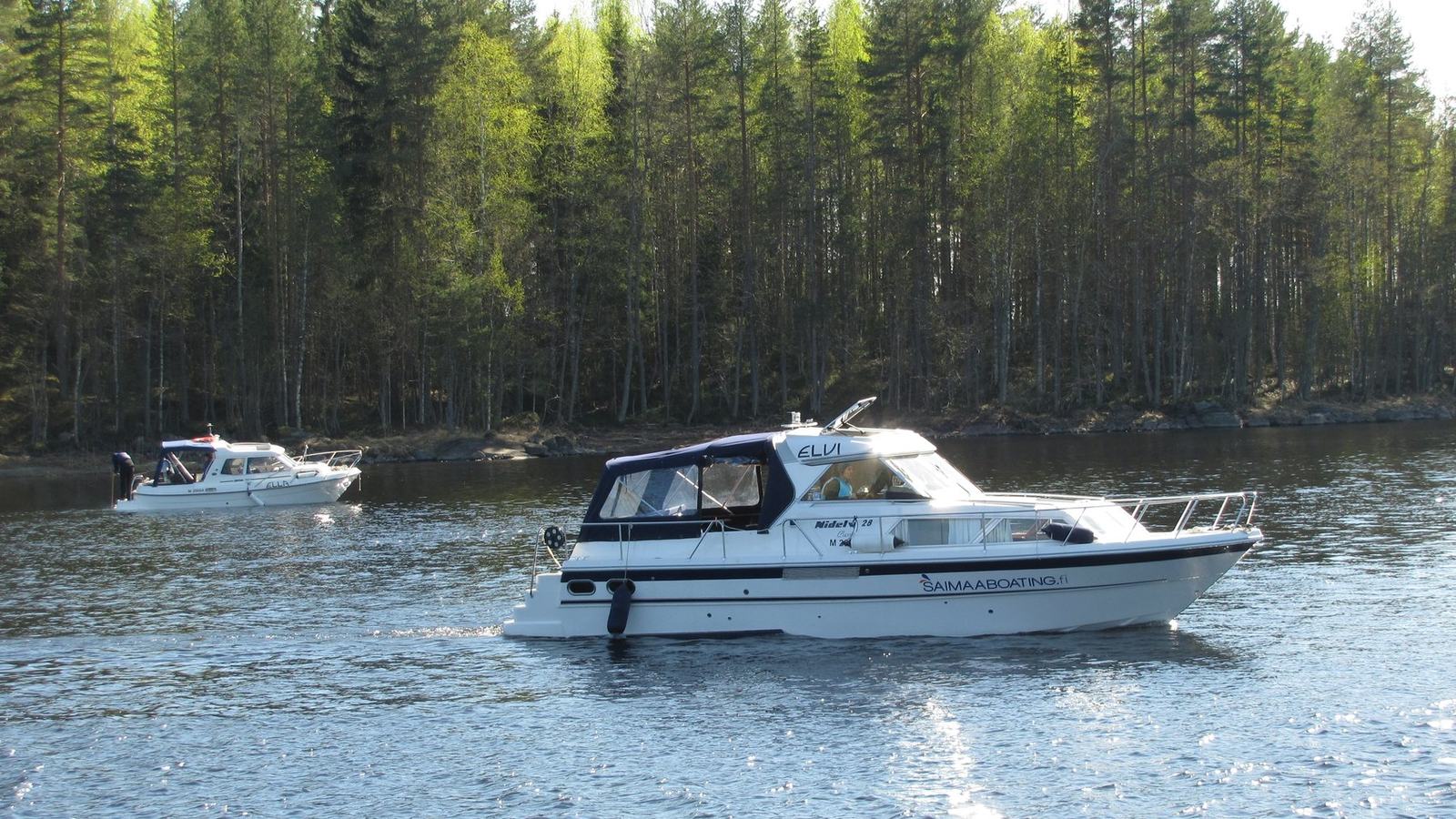
Photograph: Periegetes — Boats in Linnansaari bay.jpg (CC BY-SA 4.0), via Wikimedia Commons. Resized and converted to JPEG for editorial presentation. Source: https://commons.wikimedia.org/wiki/File:Boats_in_Linnansaari_bay.jpg. Licence: https://creativecommons.org/licenses/by-sa/4.0. Original rights remain with the credited creator or as specified by the source and licence.
