
A long-form guide to Singapore’s Pulau Ubin kayaking, mangrove habitat, island transport, coastal safety and conservation-sensitive visitor choices.
Singapore's waterways are often associated with container ships, marinas and a gleaming urban skyline. Pulau Ubin, off the northeastern coast, offers a different picture. The island retains areas of mangrove forest, coastal wildlife habitat and a slower rhythm of village life. The Singapore Tourism Board highlights Ubin Bisect Kayaking among the country's distinctive outdoor experiences, while Singapore's National Parks Board provides authoritative guidance on island access and conservation. A kayak can introduce visitors to this side of Singapore, but the experience must be planned around tides, weather, boat traffic and any operator's access arrangements. It is not an invitation to paddle wherever an attractive satellite image shows a creek.
An island that remains distinct
Pulau Ubin's appeal is not that it hides the city completely, but that the pace and landscape feel different from the mainland. Boats arrive at the jetty near a village setting, and the island's interior has paths, forest, former quarry landscapes and places to observe coastal life. National Parks describes it as an important reserve of natural and cultural heritage. A visitor interested in paddling can combine a water-based experience with time ashore, provided the itinerary leaves enough margin for weather and transport. Trying to experience the entire island in one rushed trip would overlook much of its character.
Getting there starts with a bumboat
National Parks says the usual visit begins at Changi Point Ferry Terminal, where bumboats carry passengers across to Pulau Ubin. That crossing is distinct from a separately booked guided kayaking activity. A traveller should confirm whether an outfitter meets clients on the mainland or on the island, and what the package includes. A ticket for the passenger boat should not be mistaken for kayak hire, nor should a photograph of kayaks on a beach be treated as evidence that equipment can be rented without advance arrangements. The simple act of arriving by water provides a useful introduction to the island's maritime geography.
What Ubin Bisect Kayaking promises
The Singapore Tourism Board describes Ubin Bisect Kayaking as a way to explore mangrove scenery and encounter wildlife on the island. That description gives the subject of the experience, but not a guarantee that every creek or route is open on a particular date. Ask the authorised operator for the current itinerary, start and finish location, duration, minimum age, experience requirement and included equipment. A guided group may adjust its passage to conditions or conservation restrictions. That flexibility should be welcomed; a route changed to avoid sensitive habitat or unsafe water can be a better experience than a rigid trip completed against sensible advice.
Mangroves as living coast protection
Pulau Ubin's mangroves are not merely decorative green backdrops. National Parks highlights the ecological importance of these coastal systems, which provide habitat and help protect shorelines. Their exposed roots, tidal channels and changing water levels can make an extraordinary subject for observation from a small boat. At the same time, the roots are easily damaged by grounding hulls or people stepping onto them. A quiet kayak does not make its passage impact-free. Appropriate routes, adequate water depth and careful paddling can keep contact with vegetation to a minimum and allow guests to appreciate the setting without leaving a trace.
Tides affect what is possible
A mangrove channel that looks navigable at high tide may be little more than mud at low water. Tide height can change where a guide chooses to paddle, how quickly a group can move and which landing sites are available. Visitors should not assume that the same photograph represents conditions all day. Someone exploring independently needs local tidal information and enough experience to recognise the consequences of falling water, not simply the physical ability to propel a kayak. The easiest solution for a first visit is often to use a qualified local guide whose route planning takes changing conditions into account.
Chek Jawa is a different kind of visit
On Pulau Ubin's eastern side, Chek Jawa Wetlands has a well-known combination of coastal and mangrove habitats. National Parks describes boardwalks, natural areas and conservation-sensitive features that visitors can observe from designated routes ashore. This must not be confused with unrestricted kayak access to intertidal flats. Certain visits are best undertaken on foot from an approved trail rather than by putting a boat into shallow or sensitive areas. If combining kayaking with a Chek Jawa walk, check current opening and access notices, and avoid scheduling the two activities so tightly that a change in tide disrupts the entire day.
Wildlife rewards restraint
Pulau Ubin supports a rich range of coastal birds and other wildlife. National Parks notes the importance of the island's mangrove ecosystems and its role as habitat for uncommon species. A kayak may provide chances to observe birds feeding or moving along the edge of the vegetation, but no ethical operator can promise a close encounter with a particular animal. Never follow wildlife into a narrow creek simply to improve a photograph. Keep voices and paddle movements controlled where appropriate, allow animals space to move, and remember that a small group can still create disturbance through repeated approaches.
Heat, rain and thunderstorms
Singapore's tropical setting brings practical requirements that differ from a cold-climate canoe trip. Heat and humidity can become tiring during sustained paddling, while heavy rain may reduce visibility and make shore transfers uncomfortable. Thunderstorms are particularly serious for a low, exposed vessel on open water. Check official weather warnings before setting out and follow the leader's decisions if the trip is delayed or cancelled. Carry drinking water and sun protection, but do not assume that a warm climate removes the need for an appropriate flotation device. Conditions can change faster than an inexperienced group expects.
A crowded waterway needs a lookout
The broader waters around Singapore are used by working vessels as well as recreational craft. Small kayaks are low in the water and may be difficult to see against a complicated shoreline or bright reflection. An authorised paddling route should account for traffic and local restrictions; participants must remain together as instructed rather than separating to obtain a photograph. Keep a proper lookout, avoid blocking a channel and do not assume that a larger boat can manoeuvre quickly. A guided nature outing still takes place within a real navigational environment, not an isolated attraction designed solely for tourists.
Equipment should be confirmed before booking
A good operator should explain which kayak, paddle, buoyancy aid and safety equipment are provided, and whether guests need particular clothing or footwear. The fit of a flotation device matters more than its appearance in a promotional photograph. Tell the operator about any swimming or paddling limitations, and ask whether the route is suitable for children. Do not rely on the vague label “beginner-friendly” without asking what the water is likely to be like. There may be moments of open-water paddling, boat wakes or manoeuvring in a confined channel. Honest discussion before booking is more useful than bravado at the launch.
The island's village heritage
A Pulau Ubin visit has a cultural dimension beyond its natural scenery. National Parks recounts the island's community history and continuing relationship between people and the landscape. A guided paddle followed by a walk near the village can show how water access has shaped everyday life and transport. Visitors should respect residents, avoid entering private areas and ask before photographing people at close range. The island is not a fabricated heritage set. Its value partly lies in the fact that people still use and care for the place, so tourist behaviour should remain considerate and unobtrusive.
Photography without interference
The contrast between mangrove roots, green water and light filtering through foliage can be particularly rewarding from kayak height. A compact waterproof camera may be more practical than bulky equipment that requires a paddler to let go of the paddle at an awkward moment. Choose a safe position, keep the camera attached and listen for instructions about stopping. Photography should never involve grounding a kayak, forcing a passage through vegetation or approaching a bird's resting place. A picture of the mangrove setting often tells a stronger story than a hurried close-up achieved at the expense of the animal's comfort.
Combining kayaking with island exploration
A balanced day might include the bumboat crossing, a pre-booked kayaking tour and time on land to visit a permitted walking area or enjoy a meal. Such a plan needs margins for travel, showers and the operator's check-in requirements. It should not assume that every attraction is within easy walking distance of the kayaking departure point. Use National Parks' current visitor information to identify paths, facilities and notices, and do not arrange a late return that depends on an unverified final bumboat service. Families may be better served by one substantial water activity rather than a tightly packed collection of stops.
Conservation notices have practical force
Singapore's National Parks Board publishes notices affecting parts of Pulau Ubin, including access and conservation works. A path, boardwalk or shoreline visible in an old blog may not be open in the same way today. Check the official notices immediately before travelling and accept any temporary closure. Restoration work in a mangrove area can make it particularly important to avoid unplanned landings or shortcuts through soft ground. Visitors who want to support a healthy natural environment should see these limitations as part of the island's stewardship rather than obstacles to be circumvented.
Private paddlers should not copy a tour route
Owning a kayak or being confident on a sheltered recreational lake does not automatically confer knowledge of Pulau Ubin's coastal waters. An independent outing requires research into launch permissions, legal navigation routes, tide, weather and rescue arrangements. The published existence of a guided experience is not a blanket statement that all guests can bring and launch their own boats at the same place. The difference matters when the tour passes through an area under local management or makes arrangements unavailable to unaffiliated visitors. Seek current official advice and an appropriately qualified local contact before attempting an independent itinerary.
A different way to experience Singapore
Pulau Ubin demonstrates the appeal of compact, low-powered recreational craft in a densely developed region. By going slowly and respecting mangrove habitat, paddlers can notice an island landscape that a faster vessel might pass without understanding. The best experience combines a reliable guide or carefully verified independent plan with sensible weather decisions, awareness of other boats and restraint around wildlife. It is not necessary to travel far to encounter a distinctive environment; the important journey is from seeing the island as a destination on a map to understanding why its coastal habitats and living community deserve care.
Sources and photograph attribution
Official destination and boating guidance: Singapore Tourism Board — Unique Experiences: Ubin Bisect Kayaking. Current access, rules, weather and reservations must be checked independently before travel.
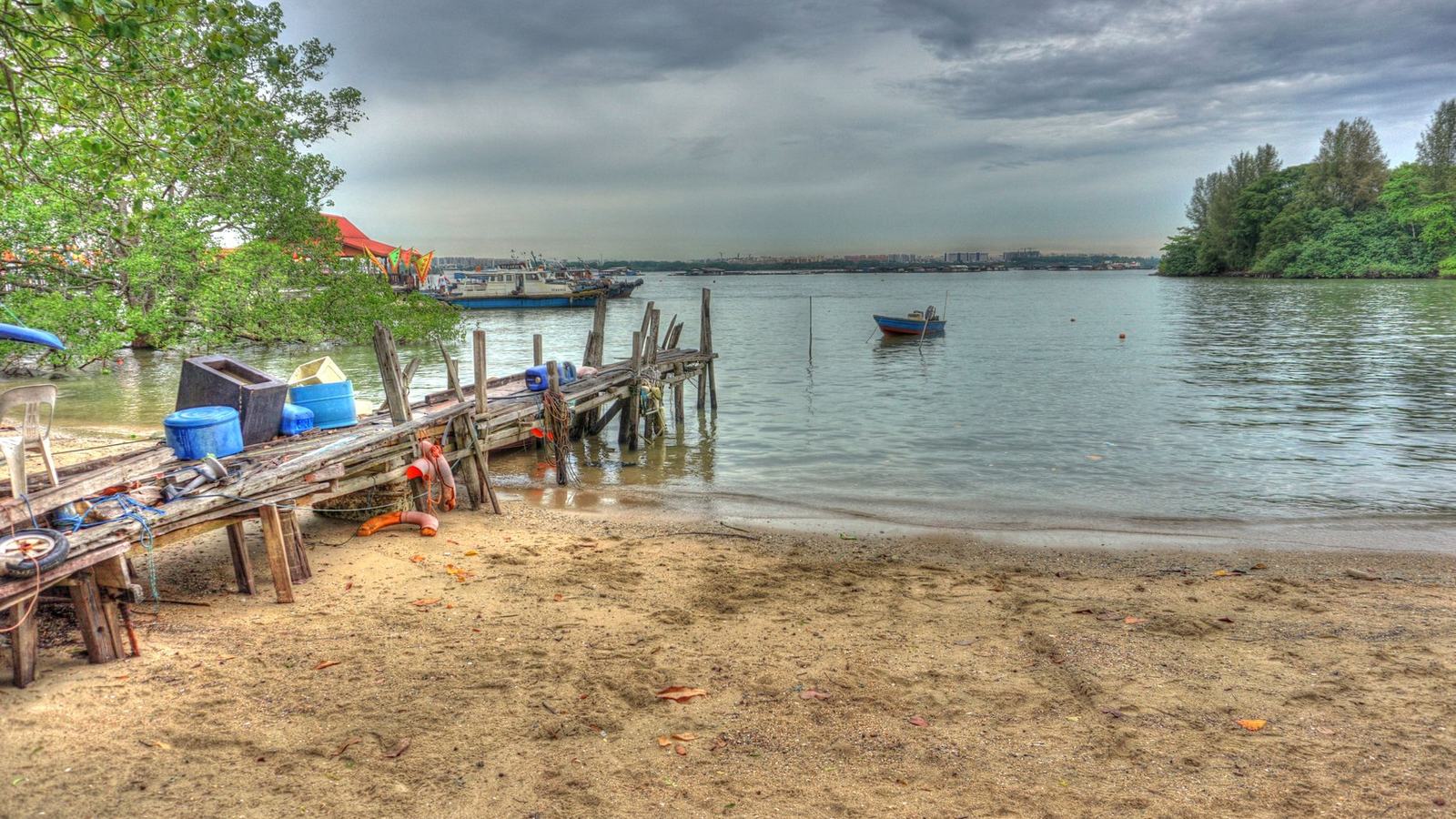
Photograph: Mike Cartmell from Singapore, Singapore — Boats at Pulau Ubin (26402809353).jpg (CC BY 2.0), via Wikimedia Commons. Resized and JPEG encoded for display. Source: https://commons.wikimedia.org/wiki/File:Boats_at_Pulau_Ubin_(26402809353).jpg. Licence: https://creativecommons.org/licenses/by/2.0. Original rights remain with the credited creator or as specified by the source and licence.
