
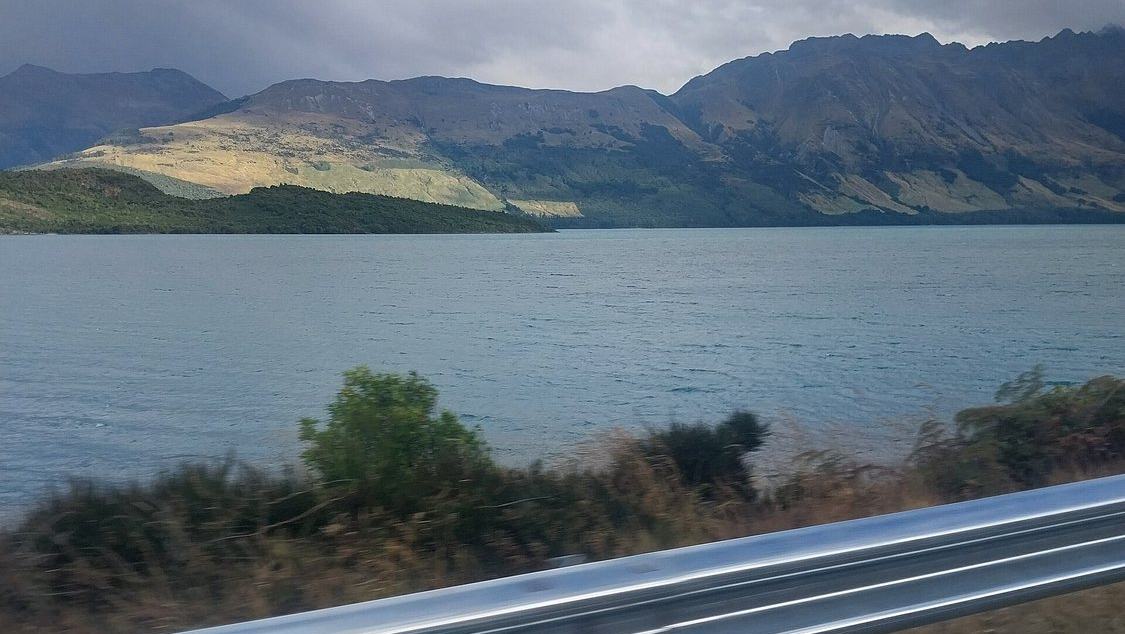
Lake Whakatipu offers extraordinary alpine boating beside Queenstown, but its cold water, mountain weather and local rules require thoughtful small-boat planning.
A beautiful lake that takes its safety seriously
Lake Whakatipu, often written Wakatipu in older material, stretches through New Zealand's Southern Alps beside Queenstown and towards Glenorchy. The Queenstown Lakes District Council describes an 80-kilometre lake covering around 293 square kilometres, with very deep water and temperatures often around 8 to 10 degrees Celsius. That is an appealing setting for a small sailboat, kayak or powered dayboat, but the scenery should not distract from the conditions. Mountain winds can be energetic, the water is cold and the scale is much larger than the waterfront beside central Queenstown suggests.
The best first outing begins close to a suitable launching place rather than with an ambitious attempt to travel the length of the lake. A family can enjoy a short scenic cruise while maintaining easy access to shelter and the starting point. A vessel that feels comfortable in the marina may behave differently once wind and waves build across an open arm. Local forecasts, the crew's experience and the actual boat must govern the itinerary. The lake rewards care as much as curiosity.
The Queenstown waterfront is only a beginning
Queenstown's waterfront gives visitors a direct view of lake traffic, from passenger vessels to smaller recreational craft, while the surrounding mountains provide a remarkable backdrop. Seeing boats move regularly can make boating appear effortless, yet this busy area also requires a proper lookout and predictable low-speed manoeuvring. For someone trailering a private boat, the first task is to identify an approved ramp that can take the boat's length, trailer and tow vehicle. A convenient parking area beside the lake is not necessarily a lawful launching place.
Check the council's local waterways information, any harbourmaster notices and the current maps before choosing a start. Confirm whether permits, fees or local rules apply to a particular activity. If visiting with limited experience, professional hire or a guided excursion may be a more appropriate introduction than taking a private boat into unfamiliar alpine water. The goal is to be comfortable enough to observe the landscape, not to prove that a compact boat can travel anywhere.
Local speed limits affect the route
The council's boating guidance and New Zealand's national rules emphasise safe speed appropriate to visibility, weather and traffic. A general five-knot restriction applies in specified close-range situations, including near shorelines, swimmers, diver flags and other craft, subject to the current law and any designated exceptions. These rules matter because popular parts of Whakatipu can bring a wide variety of users into the same stretch of water. A dayboat moving quickly towards a scenic bay can surprise swimmers or paddlers who have little ability to get out of its path.
A five-knot restriction is not a licence to make a large wake merely because a skipper remains just below a posted figure. Reduce speed early when approaching a landing or another boat, and remember that distance from shore or another craft can be deceptive against an expansive mountain backdrop. Consult the district's current Navigation Safety Bylaw 2025 and official chart or guide for any mapped access lanes or special conditions. Speed planning should begin with the route, not an assumption that every open-looking area has the same rules.
Lifejackets are not optional detail
The Queenstown Lakes District Council states that everyone aboard a vessel shorter than six metres must wear a lifejacket or appropriate personal flotation device, and that the equipment must be correctly sized and fit for the activity. Children and inexperienced swimmers require particular attention regardless of the boat's size. The council also stresses that flotation should be worn when conditions are rough or adverse. These requirements are especially important on cold alpine water, where a person immersed unexpectedly may lose heat and movement quickly.
Passengers sometimes keep a lifejacket nearby in calm weather and assume that is enough. On a small open craft, a sudden fall or capsize may give no time to retrieve equipment from a locker. Wear properly fitted gear before departure and check that buckles, straps and inflation mechanisms are in sound condition. A paddler needs a device suitable for paddling, while a powerboat passenger needs gear appropriate to their circumstances. Safety equipment only helps when it is accessible and used correctly.
Glenorchy is a destination, not a casual dash
The lake's northern end around Glenorchy is one of the region's celebrated scenic areas, with mountain vistas and the influence of the Dart and Rees river systems. It can be tempting to turn an afternoon cruise into a full-lake journey simply because the route looks straight on a map. An eighty-kilometre lake is too substantial for such casual planning in a small dayboat. Distance, refuelling, weather and return options need careful assessment, and river mouths may have shifting shallows or conditions that demand different navigation skills.
For a first visit, it may be better to travel to Glenorchy by road and enjoy the northern shore separately rather than undertaking a lengthy open-water passage. If an experienced skipper does plan a longer cruise, use appropriate charts and current local advice, and establish realistic fuel reserves and alternate safe destinations. Pay attention to where a forecast wind could make the return uncomfortable. Not reaching a distant landmark on one trip is a sign of sensible judgement, not an unsuccessful holiday.
The water can be cold in any season
The council's published temperatures illustrate why alpine boating requires more than ordinary summer clothing. Air temperature and bright sun may be pleasant while the lake remains cold enough to make unexpected immersion hazardous. Prepare for the crew to become wet, chilled or delayed, particularly if kayaking or sailing in an open craft. Carry dry layers in waterproof storage, an appropriate method of calling for assistance and equipment that matches the route. A conservative distance from shore can be more important than a high maximum speed.
Wind patterns can change quickly around mountain faces and valleys. Check forecasts close to departure and remain alert for darkening skies, stronger gusts or a steepening surface. A low-powered motorboat may have enough thrust in calm water but struggle in a headwind with heavy passengers. A paddler may become exhausted on the return leg. Make the decision to turn back early, while it remains straightforward, rather than after the crew is already tired. The safest itinerary preserves easy alternatives.
Communications require a specific plan
Queenstown Lakes District Council provides practical emergency information for recreational boaters. For a life-threatening emergency, New Zealand's emergency number is 111; the council also identifies VHF channel 16 for marine distress calling and channel 5 for emergency radio communications on Lake Whakatipu. The Coastguard assistance number *500 can be used from a mobile phone for non-emergency help. Equipment and channels should be verified before the outing, and passengers should understand how to summon help if the skipper becomes incapacitated.
Do not assume a phone will maintain a usable signal at every point of a large lake. A charged phone in a waterproof case is helpful, but additional communications may be appropriate for a longer or more exposed route. Tell someone ashore the vessel's identity, intended operating area and expected return time. A position that can be communicated accurately is more useful to rescuers than a vague description of distant mountains. Before departure, check where the radio and emergency equipment are stored and how they operate.
Check the vessel, not just the forecast
A brief pre-departure inspection should cover hull condition, drain plugs, battery or fuel, steering, propulsion and the required safety gear. The council also recommends carrying an anchor, bailer, spare fuel where relevant, torch and warm clothing. For a very small craft, the exact equipment will differ, but every skipper needs a plan for a failure of propulsion or a sudden change in conditions. An overloaded boat may be particularly vulnerable when waves begin to build. Passengers and gear should remain within the vessel's approved limits.
Give the crew clear instructions on boarding, seating and movement. Children should not be allowed to stand abruptly in a narrow boat or reach over the side near a propeller. When hiring a craft, ask for a demonstration of the kill switch, throttle and steering before leaving. When using a personally owned boat after a long storage period, test the equipment before taking it into a remote part of the lake. Good habits are easier to practise at a sheltered launch than during a breakdown.
Protect the water and share it considerately
The Whakatipu region is both a major tourism destination and a place with important freshwater ecosystems. Recreational vessels can move aquatic pests between lakes on hulls, trailers and wet equipment. Follow the council's marine-pest guidance and clean, drain and dry equipment as required. Do not dump rubbish, bait, oil or wastewater into the lake. A responsible boater also respects private shorelines, designated access areas and sensitive places where wildlife may be disturbed by noise or wake.
Share busy stretches with passenger craft, paddlers and people enjoying the waterfront. Avoid cutting close ahead of larger vessels or leaving too little room for a kayak to manoeuvre. If planning a swim stop, stop the engine safely and make sure that a person in the water can return aboard without encountering the propeller. A quieter, shorter cruise can provide more time to notice the lake's changing light and mountains than a high-speed passage across the same stretch of water.
The right Whakatipu day is a manageable one
A first small-boat visit to Lake Whakatipu should be built around one accessible launch, a conservative scenic route and a return with ample daylight. Check the council's current bylaw, local waterway guide, weather and any restrictions before travelling. Choose shelter and comfort over an ambitious distance, especially when a child or inexperienced crew member is aboard. The district's official information offers unusually clear advice on cold water, lifejackets and emergency contact arrangements. Using it is part of enjoying the destination rather than an obstacle to a relaxed holiday.
The rewards of this alpine lake are immediate: changing mountain views, clear water, a sense of scale and the pleasure of being aboard a small craft in a distinctive landscape. None requires an extended passage or excessive speed. With suitable equipment, a careful lookout and a willingness to turn back, a short outing can be a memorable Queenstown experience. The most successful day is one that ends safely with the boat secured and everyone eager to return.
Sources: Queenstown Lakes District Council's waterways and Lake Whakatipu guidance, official boat-safety information and Maritime New Zealand waterway rules. Photograph: Lake Wakatipu, 13 April 2026, by Danny William Wilson, Wikimedia Commons, CC BY-SA 4.0; resized for publication.
