
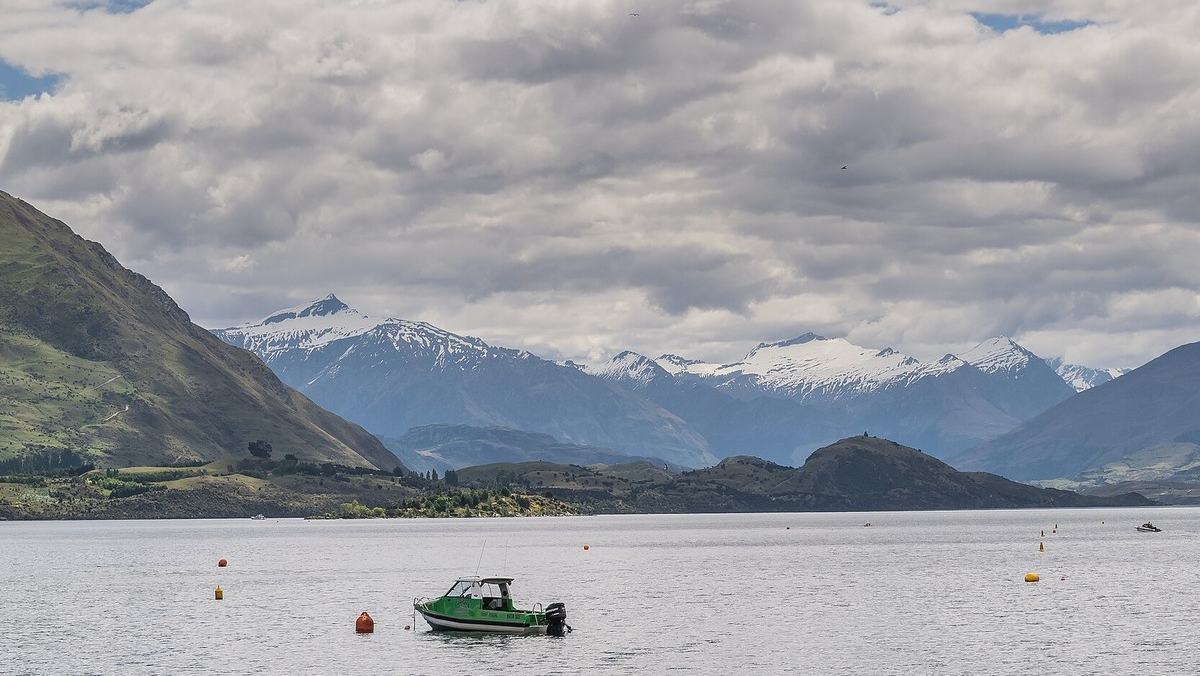
Explore Lake Wānaka by kayak from Roys Bay with official lakefront providers, Paddle Wānaka's guided and freedom-hire options, Ruby Island routes and small-craft safety.
A southern lake best approached from the waterfront
Lake Wānaka, surrounded by the mountains of New Zealand's Southern Alps, invites visitors to see its famous scenery from the water. The town waterfront at Roys Bay is a practical place to begin. Official Wānaka tourism information lists kayak and stand-up paddleboard rental providers operating along the lakefront, while Paddle Wānaka describes both short independent hires and organised trips. This gives travellers a choice between an uncomplicated introduction to paddling and a more structured excursion that explores selected stretches of the lake.
For a small-craft visitor, choosing the right experience is important. A board or kayak can be perfectly comfortable in a sheltered bay yet become demanding on wider water when the wind rises. The official operators advertise different activities for different abilities, but a visitor should never treat a photograph of calm water as a guarantee of conditions. The best day begins with the local forecast, a reliable provider and a route that allows an easy return.
Roys Bay as the gateway
Roys Bay places kayaking within easy reach of the town centre. Paddle Wānaka describes a beachfront rental operation where visitors can hire a kayak or paddleboard without organising transport to a remote launch. This suits travellers who want an hour or two on the water and then a relaxed afternoon ashore. It also creates a convenient meeting point for a group in which not everyone wants to paddle.
A central location does not mean that the water is free from hazards or that every section of shore is a permitted launch. Follow the operator's instructions and use recognised access rather than carrying equipment across an arbitrary stretch of beach. Confirm parking and arrival arrangements, particularly during busy holiday periods. A short walk from accommodation to the hire point can be pleasant, but a visitor should still allow time for a safety briefing and equipment fitting before departure.
What Paddle Wānaka offers
Paddle Wānaka's own activity pages distinguish between freedom rentals, guided kayaking and longer self-guided experiences. Its Roys Bay rentals are intended for visitors who want to choose a modest route within the operator's permitted area. Guided options provide additional structure, local advice and a planned itinerary. That distinction is useful for families choosing between a simple paddle and an outing that includes more distant scenery.
The operator's published information mentions a Bay Explorer guided tour lasting about three hours, as well as shorter rental periods. These descriptions help establish the type of experience on offer, but times and routes may change with weather or operating arrangements. Ask about actual availability, minimum ages, equipment and whether the chosen trip is suitable for people who have not kayaked recently. A good booking conversation avoids disappointment later.
Ruby Island as an appealing destination
Ruby Island is one of Lake Wānaka's recognisable landmarks and appears in the operator's description of guided outings. A kayak trip toward an island can feel more adventurous than a simple circuit near town, but the water between the departure point and the destination must be assessed carefully. Even a relatively short crossing can be exposed to wind, and a visitor should not assume it is suitable for an independent beginner merely because a guided tour includes the area.
If Ruby Island is part of the chosen itinerary, follow the provider's route and any requirements about landing or walking ashore. Not every visitor will want to leave the kayak, and the decision may depend upon conditions and the abilities of the group. An island should be treated as a possible highlight of a properly organised trip rather than a mandatory destination that must be reached regardless of weather.
The Wānaka Tree and shoreline perspectives
Lake Wānaka is known internationally for the tree standing in shallow water near the waterfront. The landmark is included in descriptions of the Bay Explorer guided excursion, which offers an unusual angle on familiar scenery. A kayak can provide a beautiful perspective, but the popularity of the location means paddlers should behave carefully around other visitors and keep a sensible distance from the tree itself.
Avoid touching or damaging the tree or approaching so closely that another person cannot enjoy the view. Photography from a small craft should be done from a stable position with the camera secured. A memorable picture is not worth an unexpected capsize or a collision in shallow water. A guide's advice on approaching the location is more useful than following the exact path of a photograph found online.
Choosing between freedom hire and a guide
Freedom hire can be rewarding for people who are already confident paddlers and want to control their own pace. It also requires independent judgment about weather, the route and when to turn back. A guided trip may be preferable for beginners, families or visitors who want commentary and knowledge of the local environment. Neither option is automatically better; the choice should follow the ability of the group and the experience they hope to have.
Ask the rental provider how far an independent hire is allowed to travel and what procedure to follow in deteriorating conditions. For an organised trip, confirm the approximate distance, the amount of paddling involved and whether there are opportunities to rest. The published Bay Explorer route is described as approximately seven kilometres in some provider booking information, which is a meaningful amount of work for someone entirely new to the activity. A participant should not rely only on the tour's stated duration when assessing suitability.
A practical first hour on the water
A beginner should begin near the permitted Roys Bay launch and spend time learning how the craft responds to the paddle. Practice turning, stopping and moving in a straight line before travelling away from the beach. If using a tandem kayak, the two paddlers need to coordinate their strokes and avoid sudden changes in seating position. A stable start helps the crew relax and enjoy the scenery.
A simple route might follow a short stretch of the bay while remaining within the operator's guidance. Agree on a turnaround point and keep enough energy for the return. It is unnecessary to reach Ruby Island or another distant landmark to make a short rental worthwhile. The view back toward town and the mountains can be as memorable as the route outward.
The lake's changing wind
Lake Wānaka can become more demanding when the wind rises, and a low-powered kayak may struggle to return against a strong headwind. Before launching, ask the operator what the forecast means for the route. Observe the surface of the lake and listen to any local warning. A calm patch near the beach is not proof that the same conditions extend beyond a headland.
A conservative paddler should turn back before fatigue or weather creates pressure. People with their own craft may be tempted to venture farther because they are not constrained by rental time, but they still need to return safely. Wind direction, temperature and daylight can all change during an outing. A planned route should include enough flexibility to shorten the journey without losing enjoyment.
Stand-up paddleboarding from the town
Stand-up paddleboards offer another way to experience the waterfront, and official Wānaka tourism information identifies several providers offering equipment for hire. A SUP can be enjoyable in calm conditions and allows a paddler to appreciate the water from an upright perspective. However, a board can be difficult to control when the wind freshens, particularly for someone who is still learning to balance.
Ask the provider about board size, suitable conditions, flotation equipment and local rules regarding leashes. Beginners may need to start kneeling and remain close to shore until they feel comfortable. A board is not a substitute for a kayak on a windy day simply because it looks less complicated. Choosing the right craft for the actual conditions is part of a safe and satisfying visit.
Family supervision and suitable equipment
A family outing should be designed around the least experienced participant. Children may love the idea of kayaking but become tired or cold sooner than adults expect. Make sure the chosen craft has the appropriate capacity and that everybody understands where to sit and how to move safely. A well-fitting personal flotation device is essential, and the group should be briefed on what to do if a paddle is dropped or someone becomes frightened.
Comfortable clothing, drinking water, sun protection and a means of communication should accompany even a short trip. A waterproof bag helps protect essentials, but it must not be packed so awkwardly that it interferes with the paddler's movement. If one person has health or mobility limitations that affect their ability to paddle, discuss them with the provider before booking. The objective is a rewarding shared experience, not completing a route at any cost.
The value of an experienced local guide
A guide can explain the best way to move through Roys Bay, the significance of landmarks and how the chosen route responds to the day's weather. This can be particularly helpful where a trip includes a more distant point or a water crossing. Visitors may learn more about the landscape than they would from a map alone, while the guide remains responsible for assessing whether the excursion is appropriate for the group.
However, joining a tour does not eliminate a guest's need to follow instructions and speak up when uncomfortable. Participants should listen during the briefing, keep within the group and avoid independent detours for photographs. A guided excursion works best when everyone is willing to move at an agreed pace and return if conditions make the planned route unsuitable.
Lakefront culture and a balanced itinerary
Wānaka offers many activities beyond kayaking, which makes a short paddle an appealing part of a longer stay. A visitor could arrange a morning rental and spend the afternoon exploring the waterfront, dining or walking. Another day might be reserved for a guided excursion if the weather and the party's ability are suitable. This arrangement avoids trying to turn a holiday into a single extended trip on unfamiliar water.
The town's central waterfront can be busy during peak periods. Arriving early and following the operator's instructions helps reduce congestion. If all equipment is booked, a shore walk can be a perfectly worthwhile alternative. A flexible itinerary preserves the pleasure of being in a beautiful place even when a specific activity is unavailable.
Wildlife and responsible behaviour
The lake's shoreline and surrounding landscape deserve respect. Avoid disturbing birds or other wildlife, and keep a safe distance from areas where animals are resting or feeding. Do not land on an attractive beach without establishing that access is permitted, and never leave litter or fishing line behind. A kayak allows quiet movement, but that quietness does not justify approaching sensitive places too closely.
Those bringing privately owned equipment should clean and dry it appropriately when moving between waterways. This helps reduce the risk of transporting unwanted organisms and supports the protection of freshwater environments. On a guided trip, follow instructions about environmental restrictions and permitted stopping points. The quality of a destination depends partly on visitors leaving it undisturbed.
A scenic route is not a guarantee of safety
Published routes and tour descriptions help a visitor imagine a holiday, but they cannot account for every day's conditions. A trip to Ruby Island, for example, may be perfectly suitable with a guide and a particular group on one morning yet unwise for an independent beginner in a different forecast. Avoid using a digital map distance as the sole measure of difficulty. Exposure, wind, experience and the return route all matter.
A sensible visitor listens to local advice and is willing to choose a shorter trip. Even a one-hour paddle can reveal a distinctive mountain panorama and the pleasure of moving under one's own power. The measure of success is the comfort and safety of the participants, not whether the boat has visited every landmark.
Confirming seasons and bookings
Paddle Wānaka's website describes its organised activities and rental arrangements, while the official Wānaka tourism organisation identifies the lakefront operators. Current rates, opening periods and booking conditions should be checked again directly because they can change. The operator's pages refer to the return of seasonal activities in October 2026, but that does not guarantee every type of equipment or tour is available on every day thereafter.
Before travelling, establish the meeting place, whether a particular activity requires advance booking and what happens when wind makes the planned route unsuitable. If booking from overseas, allow for New Zealand's time zone and the local season rather than assuming the same conditions as at home. A little preparation ensures the experience begins with the water, not with a search for a missing rental confirmation.
Wānaka from the water
The appeal of Lake Wānaka is the way a modest kayak can make a grand landscape feel personal. From Roys Bay, visitors can enjoy mountain views, a town waterfront and the possibility of a guided exploration toward Ruby Island. The same lake supports both short introductory paddles and more structured excursions, but the choice must be matched to skill and conditions.
With a trustworthy operator, suitable equipment and a conservative route, the day can be wonderfully simple. Paddle for a while, appreciate the changing shoreline and return with time to enjoy the town. That combination of accessible recreation and distinctive scenery makes Lake Wānaka a memorable destination for people who prefer exploring by small craft.
Sources and photograph attribution
Official destination and boating guidance: Wānaka Official Tourism — Kayaking and Paddle Boarding. Current access, rules, weather and reservations must be checked independently before travel.
Photograph: Krzysztof Golik — “Lake Wanaka 03.jpg” (CC BY-SA 4.0), via Wikimedia Commons. Resized to JPEG 1200×800 for editorial display. Source: https://commons.wikimedia.org/wiki/File:Lake_Wanaka_03.jpg. Licence: https://creativecommons.org/licenses/by-sa/4.0. Original rights remain with the credited creator or as specified by the source and licence.
