
A boating and nature guide to Lake Viverone in Piedmont, where canoes, pedal boats and sailing mix with waterfront dining, birdwatching and Bronze Age archaeology.
Lake Viverone in northern Italy offers a leisurely mix of water, nature and village life. Located between the Canavese and Biellese areas of Piedmont, it is described by the country's official tourism website, Italia.it, as the region's third-largest lake, with a glacial origin and an attractive northern promenade. In summer, visitors can enjoy pedal boats, canoes and sailing boats, while organised lake cruises provide another way to appreciate the shoreline. The destination is particularly interesting because its recreational setting includes an ancient submerged settlement and valuable habitat for birds. A small-craft outing can become part of a broader holiday that combines time on the water with history, food and an unhurried walk.
The lake has a varied personality
Viverone's northern lakeside is associated with a promenade, restaurants and leisure facilities, while the more secluded southern shore includes reed beds and wooded areas. This contrast makes the lake appealing to travellers with different interests. A family might remain near a managed beach for an introductory paddle, while a nature enthusiast may prefer an authorised path to a birdwatching viewpoint. The distinction is important because a quiet, vegetated bank is not necessarily a suitable or permitted place to land. Understanding where recreation is concentrated can help visitors choose an enjoyable route without disturbing the habitats that make the lake distinctive.
Italia.it confirms several ways to get afloat
The national tourism organisation describes summer pedal-boat outings, canoe rental and sailing boats, along with boat tours available on certain public holidays. Such information establishes genuine boating possibilities, but it should not be mistaken for a specific provider's live booking schedule. Operating seasons, hire terms and weather conditions can affect availability. Visitors should research the current operator and obtain direct confirmation of equipment, pricing and any permitted zones before travelling. A short rental can offer considerable enjoyment without committing to an elaborate expedition, particularly if the group is new to handling small craft.
Pedal boats suit a relaxed first outing
A pedal boat can be appealing to families and groups whose members prefer an easy shared activity rather than learning kayak strokes. It may provide a more stable-feeling platform, but capacity and operating limits still depend on the actual design. The operator should explain where passengers may sit, how to steer and what to do if the pedals or rudder become difficult to operate. A short excursion close to the hire area is a sensible introduction. Avoid trying to reach a distant bank simply because it looks nearby on a map. Wind, fatigue and other traffic can make the return more demanding than expected.
A canoe creates a closer connection with the water
Canoeing on Viverone can provide a quieter way to appreciate the shoreline, especially when the crew chooses a modest route away from busy recreation areas. Paddlers should learn basic turning and stopping techniques before leaving. A double canoe or kayak requires communication between its occupants, and luggage needs to be secured to maintain stability. The correct boat for a newcomer is not necessarily the one that looks fastest. Ask for equipment and a route suited to the group's fitness, paddling experience and the conditions expected on that day. A satisfying short trip is one completed comfortably rather than a long one that becomes exhausting.
Sailing invites a different skill set
The national tourism guide also identifies sailing among activities possible on Lake Viverone. A small sailing boat can offer a fascinating lesson in how wind moves a craft, but a visitor should seek instruction when unfamiliar with sail handling or local waters. Wind speed and direction may change over the day, and open water can feel substantially different from a sheltered harbour. A sailing lesson should explain basic controls, balancing, right of way and a safe recovery procedure. The availability of sailing boats does not mean every novice can simply hire one and cross the lake independently. Matching equipment to skill remains essential.
Organised cruises give a broader view
Italia.it mentions the possibility of lake tours on public holidays, offering a way to see the landscape without managing a rental boat personally. This may appeal to visitors who prefer a comfortable passenger experience or who have limited mobility, although boarding accessibility needs confirmation. A sightseeing cruise can also help travellers understand the lake's geography before trying a kayak near shore. The exact schedule, route, duration and fare should be checked with the relevant operator. No specific November 2026 departure can be inferred from a general tourism description, and visitors should avoid arranging a tightly timed itinerary around an unconfirmed service.
Northern-shore life is part of the holiday
The northern promenade is described as having kiosks, restaurants and places to stop for a drink or family lunch. It can make an introductory boat hire easier to combine with a relaxed afternoon on shore. A visitor might paddle in suitable morning conditions and later watch other craft from a cafe rather than spending the entire day moving between activities. Seasonal openings vary, so local establishments should be checked before arrival. The area's appeal is not limited to summer sport: walks beside the lake can also reveal the landscape during cooler months, even when rental activity is not operating.
The southern shore rewards respectful observation
The official guide describes the lake's southern bank as wilder, with richer vegetation and opportunities to observe birds. It also refers to a nature trail and a wooden footbridge leading to a birdwatching tower. This is a strong argument for combining boating with a walk rather than attempting to enter every interesting habitat by kayak. Reed beds can be important resting or nesting areas, and approaching them from the water may disturb animals more than a distant observation point would. Use the established path and binoculars, maintain distance and leave sensitive parts of the shore undisturbed.
Waterbirds are not a photographic attraction to pursue
Italia.it identifies ducks, coots, mallards, gulls and grebes among birds that may be observed in the lake environment, including those present during migration. Encounters are not guaranteed, and an individual season may provide a different mix of species. A quiet canoe can make observation pleasant, but using a boat to chase birds or enter their feeding areas would be irresponsible. The goal should be to watch normal behaviour without affecting it. A camera with a suitable lens can capture details from a respectful distance. Wildlife should be valued as part of the landscape, not as an obligation to obtain a close-up image.
A Bronze Age settlement lies beneath the water
One of Viverone's distinctive historical features is the submerged settlement described by Italia.it on the southern side of the lake. The national guide connects it to the Bronze Age and notes the discovery of thousands of wooden stakes that once supported houses. This story adds depth to a holiday that might otherwise be limited to beaches and boating. It should not be treated as an underwater attraction to be explored independently. Archaeological remains are protected cultural resources, and disturbance or unauthorised diving can cause harm. Visitors can appreciate the history through interpretation and responsible viewing from approved locations.
Folklore should remain separate from history
The national destination page recounts a legend about the lake's former name, San Martino, and a submerged bell tower whose chimes can supposedly be heard when particular winds blow. This is regional folklore rather than an independently verified historical event, and a responsible travel article should keep that distinction clear. Such stories can enrich a lakeside walk or a conversation with local residents without being presented as fact. The more firmly documented archaeological settlement provides a separate and fascinating link to the past. A boat journey becomes more memorable when visitors understand both the cultural imagination surrounding a place and its verifiable history.
Villages and churches extend the itinerary
Italia.it highlights Piverone and the remains of the Romanesque church known as Gesiùn among attractions near the lake. A short drive or walk through surrounding countryside can introduce travellers to vineyards, old buildings and a part of Piedmont that is easily missed when visitors focus exclusively on the water. Any cultural visit should be checked for current access and conservation restrictions. The best schedule may place a boating activity on one day and a village excursion on another, giving both enough time. A sense of place comes from noticing more than the scenery seen from a single beach.
Food and the Piedmont landscape belong together
The lake's setting among vineyards and villages creates opportunities to enjoy regional food after a paddle. A promenade restaurant can provide a relaxed place to meet relatives who did not go aboard, while a visit to a nearby village may introduce different local dishes. Do not assume a restaurant serves fish from the lake or wine from a named vineyard unless its provenance is confirmed. A leisurely meal can still be part of discovering the area without making exaggerated claims about ingredients. In a modest boating holiday, the pleasures of the shore may be just as important as the time spent afloat.
Water safety remains a central responsibility
A clear, inviting lake can conceal hazards associated with depth, changing wind and cold water outside summer. Paddlers should wear appropriately fitted flotation devices, understand the operator's permitted area and avoid long crossings without the necessary skills. A lakefront cafe or busy beach is not evidence that the entire waterway is protected from waves. A safe plan includes a conservative distance, a known return location and a way to summon assistance. Children require direct supervision, and passengers should remain within the boat's approved loading. A modest craft can provide wonderful freedom only when used within sensible limits.
The lake should be shared respectfully
Viverone supports different uses, including sailing, paddling, swimming and sightseeing. Canoes need to remain visible and predictable around larger craft, while every boater should keep clear of marked swimming zones. Avoid placing a kayak in the path of an organised passenger cruise and do not block an access ramp when stopping to photograph the shore. Local navigation regulations must guide the exact route. Respecting other water users also includes controlling noise near nature areas and never treating private shore facilities as public landing sites. A thoughtful visitor contributes to the relaxed character that makes the lake attractive.
Choosing a suitable season
The tourism guide describes summer beach and boating activity, and this article is being prepared in November 2026. Travellers must therefore verify which rentals, cruises and facilities are operating on their intended dates rather than assume year-round availability. A future warm-season visit may suit families keen on swimming and pedal boats, while a cooler-month trip might focus on walks, local food and historical attractions. Weather still matters in either case. Planning several alternatives reduces disappointment if wind or rain makes a water session unsuitable.
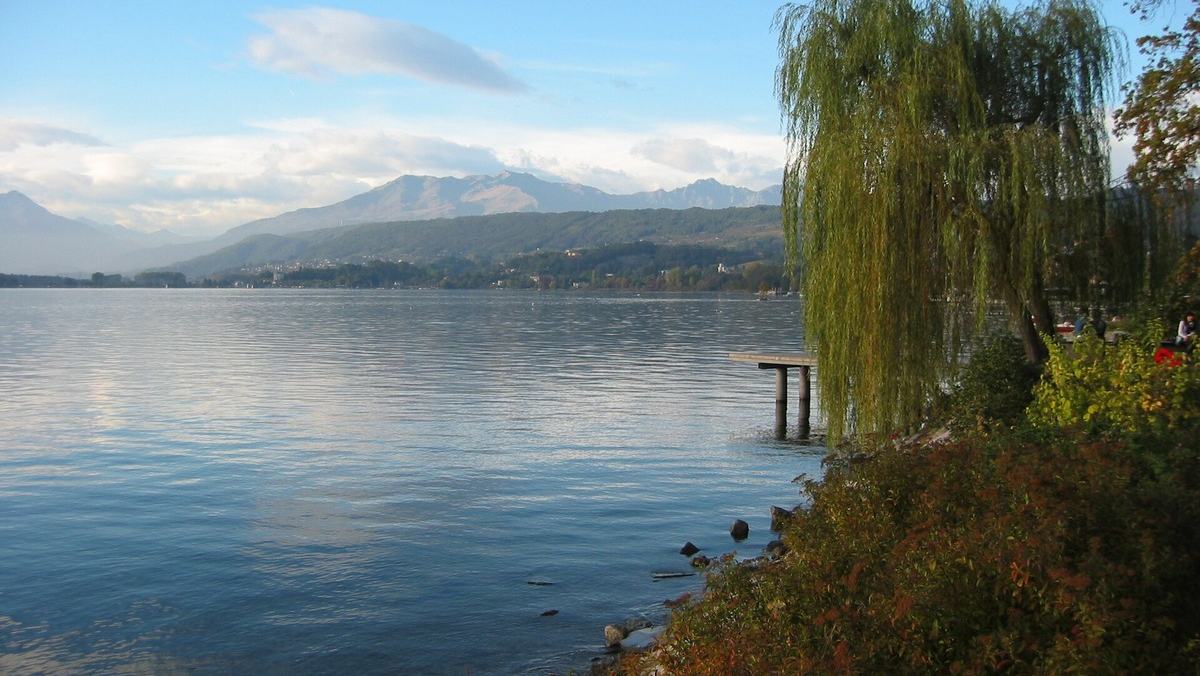
The image documents Lake Viverone itself
The lead photograph, “Lago Viverone,” was created by Rollopack and distributed through Wikimedia Commons under Creative Commons Attribution-ShareAlike 3.0. It records the actual lake landscape and is credited with its original photographer and licence. It is not presented as evidence that a particular canoe operator is open now or that a current tour is running. The geographical and cultural details in this article draw on Italy's national tourism portal, while operational choices should be verified with local providers. Documentary imagery is most valuable when its origin and limitations are transparent.
Building a Viverone lakeside itinerary
Start with the official Italia.it destination guide, choose a sheltered small-boat outing and obtain current details from the relevant rental or cruise operator. Leave time for the northern promenade, a birdwatching walk on authorised trails and a cultural excursion toward Piverone. Confirm the weather, local navigation rules and availability of flotation equipment before going afloat. Lake Viverone can offer a rewarding holiday without an ambitious route or large boat. The contrast between lively beaches, wildlife-rich shorelines and ancient heritage makes a modest afternoon on the water part of a much richer experience.
Sources and photograph attribution
Official destination and boating guidance: Italia.it — Lake Viverone and the Church of Gesiùn, Italy's official tourism portal. Current access, rules, weather and reservations must be checked independently before travel.
Photograph: Rollopack — “Lago Viverone.JPG” (CC BY-SA 3.0), via Wikimedia Commons. Resized to JPEG 1200×800 for editorial display. Source: https://commons.wikimedia.org/wiki/File:Lago_Viverone.JPG. Licence: http://creativecommons.org/licenses/by-sa/3.0/. Original rights remain with the credited creator or as specified by the source and licence.
