
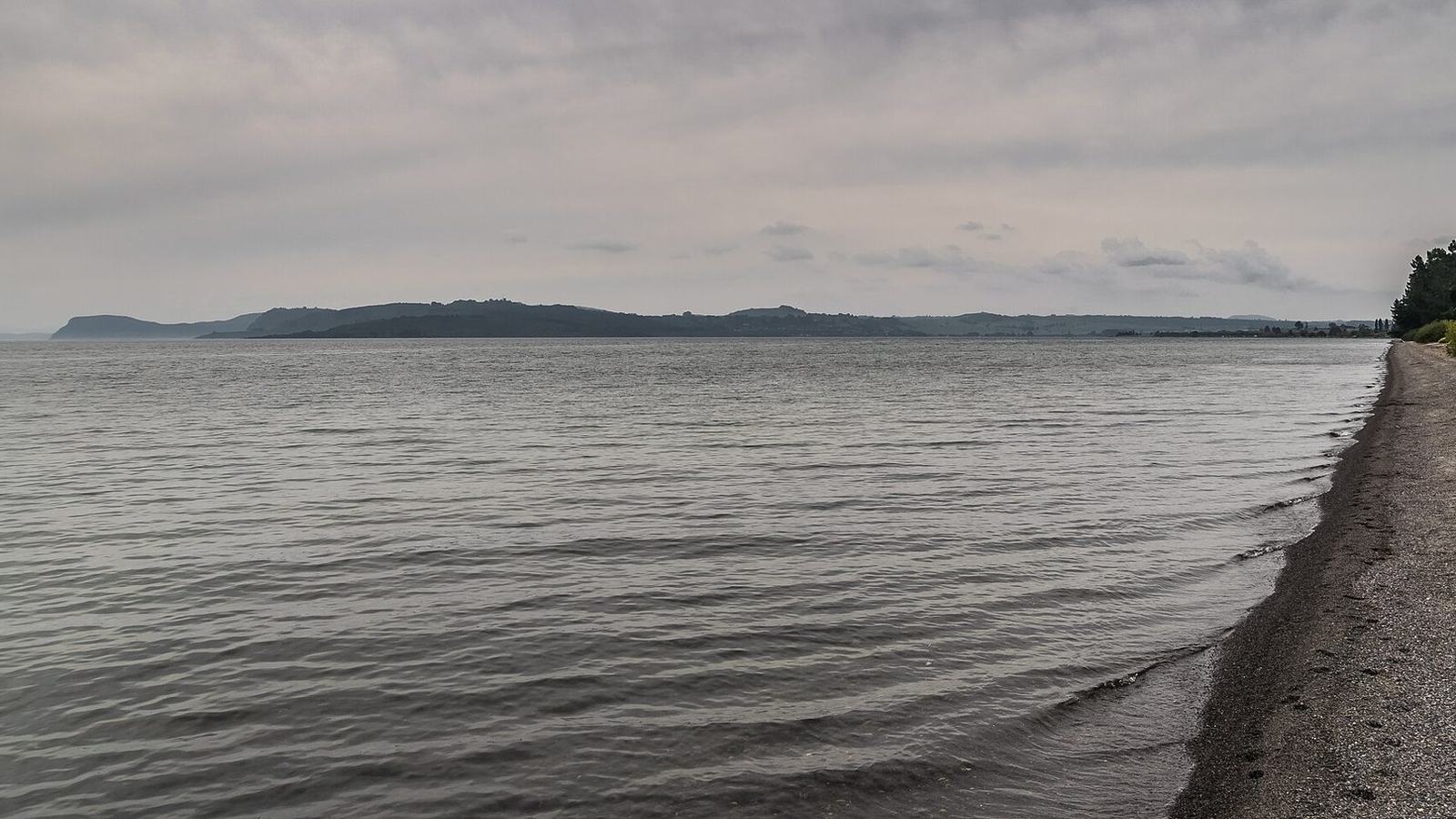
A practical Lake Taupō dayboating guide covering permitted ramps, cold-water preparation, charted hazards and local speed rules for compact leisure craft.
The lake is beautiful, but it is a real passage
Lake Taupō in New Zealand's central North Island invites the kind of small-boat day that begins with a scenic launch and ends with a view across a vast inland horizon. Its scale is part of the attraction, but it also means the lake should be approached with the same seriousness as open coastal water. Wind has room to build uncomfortable waves, the water can be cold and a distant shore may be harder to reach than it appears in photographs. The Lake Taupō Harbourmaster's official guidance is unusually helpful because it brings ramp permits, navigation hazards, local rules and practical safety advice together. For an owner of a trailer boat, a modest runabout or a small fishing craft, that information is more useful than a generic list of pretty bays. The best trip is planned around conditions and the crew's experience, not the maximum distance the boat could travel on a calm day.
Choose the launch point before the route
The Harbourmaster lists launch facilities in areas including Taupō Boat Harbour, Two Mile Bay, Three Mile Bay, Acacia Bay, Motutere, Motuoapa, Kinloch and several places around the southern and western shore. A name on that list is only the beginning of the decision. Check the ramp's current status, whether it suits the towing vehicle and whether the prevailing wind may make retrieval difficult. Parking and queuing space can matter as much as water depth on a busy weekend. Selecting a ramp close to the intended outing reduces exposed travel time and leaves more energy for enjoying the water. An owner unfamiliar with the lake should resist launching at one end simply because a longer cruise sounds more adventurous. Local knowledge is worth more than a headline mileage figure.
The permit is not optional at covered ramps
The official Harbourmaster information explains that a permit is required for use of the relevant government-operated boat ramps. It offers digital options for a 24-hour period and several longer stays, alongside other arrangements. The page also distinguishes privately operated Kinloch Marina, which has its own ramp-permit system. Rules and fees can change, so confirm the present arrangement directly rather than relying on an old forum post. The guidance warns of enforcement where a required permit cannot be produced. For a visitor, the practical solution is simple: identify the exact ramp, obtain the correct permit in advance and retain it in a form that can be shown when requested. A permit is separate from a fishing licence, the vessel's safety obligations and any berth permission. Having one does not confer the others.
Launch without blocking other boaters
A smooth launch is a small piece of choreography. Prepare the boat in the designated area before occupying the ramp: load equipment, check the drain plug, organise lines and brief passengers. The Harbourmaster advises keeping the ramp clear by moving the floating boat to an appropriate waiting position while the vehicle and trailer are parked. The reverse process matters on return, when several crews may be eager to retrieve at once. Do not leave a trailer on the slope while searching for equipment or discussing the next destination. A careful ramp routine protects the boat, saves time and reduces conflict. If the wind pushes across the launch area, reconsider whether that site is appropriate for the day rather than forcing an awkward recovery for the sake of following the original plan.
Know the hazards that may not announce themselves
The Harbourmaster identifies specific charted dangers including Horomatangi Reef, hazards around Motutere Bay, Kawakawa Bay and Whakaipo. It warns that not every obstacle is marked by a buoy or beacon. Even when a mark is present, the skipper must use an appropriate chart to understand exactly what it identifies. This is an important lesson for owners of smaller boats: apparent clear water and a shallow draft do not replace route planning. Carry a suitable up-to-date navigational chart or reliable equivalent, understand its symbols and avoid assuming that a smartphone map designed for roads will show underwater hazards. If a chosen bay is unfamiliar, enter conservatively and turn back when uncertain. A photograph of a shoreline cannot confirm safe water for a particular propeller, keel or draught.
Respect local speed and wake rules
The Harbourmaster's published guidance gives a general five-knot limit within 200 metres of shore or structures and within 50 metres of another vessel, with additional restrictions in some areas. It also identifies lower limits at particular entrances, such as the Kinloch marina entrance and a section of the Waikato River. This article is not a legal chart of every restricted zone; skippers must consult the current bylaw, signs and local notices. On a compact powerboat, low speed helps preserve control near swimmers, jetties and other users. It also reduces wash that can disturb anchored vessels or erode sensitive edges. A small vessel is capable of creating a large nuisance when operated inconsiderately, especially close to shore. Let safe passing distances and the actual conditions govern speed even where a higher legal limit might apply.
Lifejackets and the six-metre threshold
The local navigation safety bylaw materials explain a specific requirement for wearing lifejackets on vessels six metres or less while making way, in addition to carriage requirements on larger vessels. They also address communications equipment, including the need for a suitable means of contacting someone ashore and waterproof protection for equipment carried on craft under six metres. Owners should check the current consolidated bylaw and any applicable exceptions rather than rely on a paraphrase. For family boating, the practical approach is even clearer: fit lifejackets before leaving the ramp and make sure children and less confident passengers understand how they work. An unused jacket tucked beneath a seat is little help in a sudden capsize. The boat's size does not make cold water, wind or an unexpected fall less dangerous.
Cold water changes the safety calculation
The official Lake Taupō boating guidance calls particular attention to hypothermia. A sunny afternoon can give a false sense of comfort, especially in an open boat where the crew is dry and sheltered from the breeze. Immersion is an entirely different experience. Carry dry warm clothing and suitable protective layers, and consider how quickly everyone could be recovered from the water if needed. Someone with poor mobility may struggle to climb back aboard a high-sided craft without a ladder or assistance. Brief passengers about staying with the vessel where appropriate and how to raise the alarm. A communication device should work in the relevant area and have adequate battery capacity for the journey. This is not a place to treat a mobile phone in an unsealed pocket as the entire emergency plan.
A simple day rather than an ambitious crossing
An enjoyable first outing can stay within an easily manageable section of the shore, perhaps combining a short scenic cruise with a sheltered stop where lawful and suitable. Avoid advertising any particular bay as guaranteed protection: shelter changes with wind direction, and water conditions can change during a meal or a walk. Set a time to reassess the forecast and an earlier turning point than the fuel range would strictly require. The skipper should also think ahead to retrieval. Returning after dark or when the ramp is exposed to fresh wind may turn an otherwise calm day into a difficult final hour. The lake is large enough for repeated visits, so there is little benefit in trying to see everything at once.
Fishing brings separate responsibilities
Lake Taupō is well known for trout fishing, but boating permission is not the same as angling permission. The official guidance identifies Department of Conservation licensing arrangements for the Taupō fishing district and warns that licences from other districts are not automatically valid. It also points readers toward rules on fishing methods, closed waters, seasons and catch limits. These details should be verified before bringing rods and tackle aboard. A skipper who is confident about motorboat rules but unfamiliar with fishing restrictions still needs to do that homework. Even when not fishing, give anglers adequate room and avoid creating unnecessary wash. The appeal of a shared lake depends on different users understanding one another's activities.
Crew routines that make the day calmer
Before leaving the shore, walk through basic roles. Who handles the bow line? Who watches for other craft when reversing from the ramp? Where are the lifejackets, first-aid supplies and spare clothing? Can another adult stop the engine and call for assistance if the skipper becomes unwell? Carry enough fuel with a margin, a suitable anchor where appropriate and equipment required by local rules. Secure items so they do not slide beneath the controls. Tell someone ashore where the party intends to travel and when to expect a return message. This preparation does not need to feel formal or intimidating. The point is to make small decisions on land so that everyone can enjoy the water without avoidable uncertainty.
How to plan the next visit
Start with the official Harbourmaster pages for ramp permits, current safety guidance, hazards and the consolidated navigation bylaw. Then consult an appropriate weather forecast, recent notices and current charts for the chosen part of the lake. If a permit or rule is unclear, ask the responsible office before launching. Lake Taupō offers much to a compact leisure boat, from broad views to secluded-feeling shoreline, but its pleasures are better appreciated with realistic route limits. Respect for cold water and local regulation is not at odds with spontaneity; it is what makes spontaneous stops possible. The most satisfying day often finishes with time to spare, the crew warm and comfortable, and another part of the lake still waiting for a future outing.
Sources and picture credit
Official guidance: Lake Taupō Harbourmaster information and current bylaws and policies. Image: Lake Taupo 06 by Krzysztof Golik, CC BY-SA 4.0; resized without cropping. Recheck current permits, navigation notices and rules before departure.
