
A detailed small-boat holiday guide to Lake Sonoma’s coves, launch facilities and primitive boat-in camping, with practical US Army Corps and water-safety advice.
Lake Sonoma, in the coastal foothills of northern California, invites a different sort of boating holiday from the nearby wine-country road trip. Its branching shoreline and small inlets make it attractive to canoeists, recreational motorboat owners and anglers seeking quieter stretches of water. The US Army Corps of Engineers manages the reservoir and describes both established launch facilities and boat-in camping opportunities. It is tempting to picture a spontaneous weekend with a boat and a tent, but reservations, water levels and the distinction between wake and no-wake areas deserve advance attention. A small craft can reveal the lake's character particularly well when the trip is planned around safe access rather than maximum distance.
A reservoir among the Sonoma hills
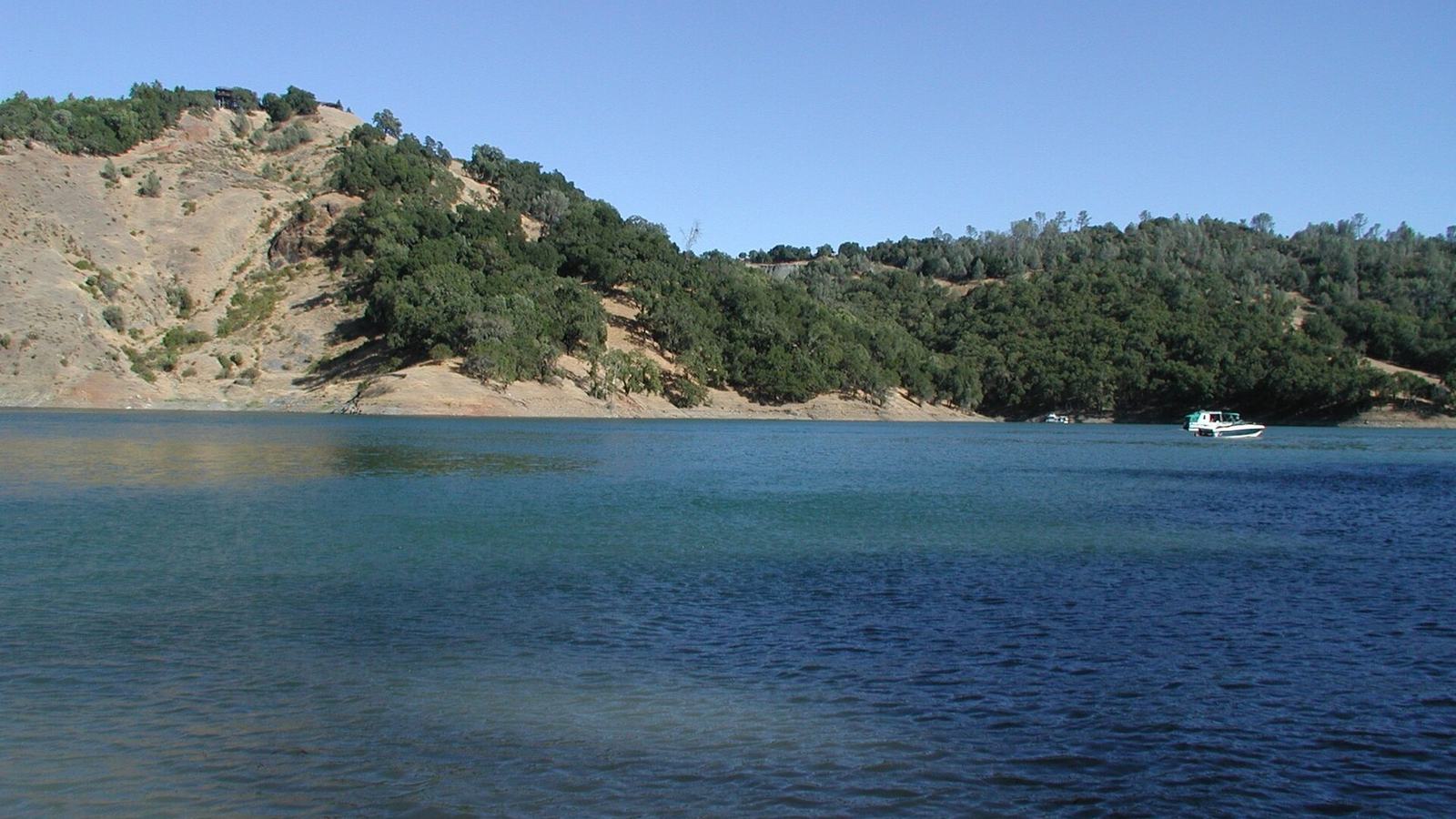
Lake Sonoma sits amid a landscape of dry slopes, wooded coves and rolling countryside that changes colour with the seasons. From a boat, the shoreline appears much more intricate than it does from a roadside overlook, with fingers of water creating opportunities for short journeys. The setting may be especially appealing to visitors who enjoy pairing outdoor activities with a stay in Sonoma County. A canoe brings paddlers close to the surrounding hills, while a small motorboat can make farther reaches accessible when conditions and local rules permit. Neither choice makes the reservoir immune to wind, heavy recreational use or the need to understand where landing is allowed.
What the Army Corps says about boating
The San Francisco District of the US Army Corps of Engineers describes Lake Sonoma as a boating and fishing destination and reminds operators that California boating laws and Coast Guard requirements apply. Its guidance also distinguishes between areas where water-skiing is allowed and places designated as no-wake. Those distinctions matter to small craft because a quiet paddle may be more appropriate in a protected cove than in an area used for faster recreation. The official page is the correct starting point for launch information, operating notices and restrictions. An old visitor photograph does not establish whether a particular ramp or beach is open on the day of travel.
A small boat is not limited to the main channel
The reservoir's shape offers a choice between exploring a short shoreline section and following longer stretches toward a distant bay. For an inexperienced crew, a modest out-and-back journey can be more rewarding than attempting to cover as much of the water as possible. Small motorboats have the advantage of range, while canoes can travel quietly and allow detailed observation of the landscape. The appropriate course depends on wind, available daylight, fuel or battery reserves, and the operator's experience. Obtain a current lake map and identify the relevant speed and wake areas before setting off, rather than deciding from the boat where every channel must lead.
The attraction of boat-in camping
One of the reservoir's distinctive features is its network of primitive campsites that can be reached by boat or, at some locations, by hiking. The Army Corps states that boat-in campground sites are available through reservations, although individual facilities may be affected by high water or other closures. The important planning point is that a shoreline campsite is not simply available on demand. A camper must select and reserve the appropriate site, understand the permitted access route and bring enough equipment to manage independently. An exciting arrival by boat can quickly become uncomfortable if the crew discovers that its chosen cove has no authorised place to stay.
Reservations and seasonal availability
Recreation.gov provides booking information for Lake Sonoma's recreation areas, while the Army Corps maintains operational notices affecting campsites and launches. This creates two checks for a visitor: whether a reservable site remains available and whether access to it is practical under current conditions. Holiday weekends may be popular, and water level changes can alter the convenience of landing even when a reservation exists. Book with enough flexibility to respond to weather or closures, and read cancellation terms before arranging boat transport. A reservation confirms access to a named facility under its conditions, not a guarantee that the weather will permit an unprotected crossing to reach it.
Preparing a boat for an overnight stay
Camping gear adds weight and changes how a small craft handles. A canoe packed with tents, food, cooking equipment and water may sit lower in the water than on a casual day paddle. In a motorboat, the additional mass can affect acceleration, freeboard and trim. Pack heavy items low and securely, protect anything that must remain dry and stay within the boat's specified loading limits. A camping plan should also include a reliable way to secure the vessel at the destination without damaging shore vegetation. The crew must consider both the voyage and what will happen when it reaches a primitive site with fewer facilities than a roadside campground.
The importance of a suitable launching point
Lake Sonoma has developed boating facilities, including a public ramp, but the exact access arrangement and fee should be checked before departure. Launching a trailerable boat is a different operation from carrying a canoe or kayak down to a permitted shoreline entry point. Vehicle parking, ramp surface, water level and the need for a day-use pass can all affect the itinerary. Visitors should avoid assuming that any picnic area is an authorised launch. A hand-carried craft still needs a safe route to the water, and a solo paddler should think carefully about lifting an awkward hull over steep or uneven ground.
Understanding no-wake areas
No-wake restrictions exist for reasons that include public safety and protection of the shoreline. In a small motorboat, travelling slowly through a narrow or protected area is not just a legal formality: a boat's wake can disturb other users and contribute to erosion or unsafe movement near moored craft. Speed should be reduced appropriately near paddlers, swimmers and designated quiet areas. Kayakers should not assume that no-wake zones eliminate all waves, since wind and passing traffic can still disturb the surface. Learn the current buoyage and local notices and allow enough time to complete the planned journey at the speeds actually permitted.
Yorty Creek and family recreation
The Corps' visitor information identifies Yorty Creek as one of the recreation areas associated with Lake Sonoma and cautions visitors that glass is not permitted at the swimming beach there. That small rule illustrates the broader responsibility of using family recreation facilities. A day involving swimming and boating needs proper separation between activities, careful supervision of children and attention to any restricted launching or traffic areas. A quiet picnic by the water may be a better activity for a child who tires easily than an ambitious boat trip. Current amenities and access should be checked independently, as they may not match an old website photograph.
Fishing from a compact craft
Anglers are part of the reservoir's boating audience, and a small open motorboat or fishing kayak can be an enjoyable platform when operated within its limits. Gear should be secured so hooks, tackle and landing nets do not obstruct the operator or create a hazard during a capsize. Anglers must follow California licensing and current fishing regulations, which can change separately from the lake's general boating rules. Fishing activity should not justify entering a restricted waterway or tying to infrastructure without permission. A quiet cove can be appealing, but a responsible visitor still maintains a lookout and respects the space needed by other users.
Weather matters even near a sheltered shoreline
An inland reservoir can develop wind-driven waves that make progress demanding for a canoe or uncomfortable for a heavily loaded runabout. A winding lake also means that some reaches may be sheltered while others receive a longer, more exposed fetch. A paddler should plan the journey so that returning against the wind remains feasible; a motorboat operator should consider fuel, freeboard and the limits of the hull. Weather forecasts need to be supplemented by observation on arrival. If conditions are unsuitable, the crew can enjoy walking or picnicking instead of pressing on simply because a boat was transported to the lake.
Water levels affect familiar places
Reservoir levels can vary as water is managed and seasonal conditions change. An inlet that looks spacious at one level may contain exposed hazards, while a low ramp can become awkward for a trailer. Conversely, high water can temporarily affect camping access and shoreline facilities. The Army Corps' operational notices should be checked before departure, and a chart or navigation app should not be treated as a guarantee of current depth. Approach unfamiliar shorelines cautiously and avoid assuming that the route used on a previous visit remains the best one. A small boat's shallow draft may help with access, but it does not eliminate grounding risks.
Safety equipment and shared responsibility
A properly fitted lifejacket is central to any small-boat outing, especially when there are children or people who are not confident swimmers aboard. Motorboats need the safety equipment required for their class and operation; paddlers should carry suitable flotation, communication equipment and a practical rescue plan. A skipper should also tell someone ashore where the boat is going and when it is expected back. Campsite-bound crews may be away from facilities and mobile coverage, making self-reliance particularly important. The goal is not to turn a relaxing outing into a technical expedition, but to ensure that ordinary equipment problems or weather delays do not become serious emergencies.
Keeping a remote campsite pleasant
Primitive boat-in camping can feel peaceful precisely because facilities are limited. That places greater responsibility on visitors to manage food, rubbish and sanitation appropriately. Follow site-specific rules, avoid damaging vegetation to create a makeshift landing and never assume a fire is permitted simply because a fireplace appears in a photograph. Seasonal fire restrictions can be especially important in California. Use secure food storage and leave no litter, fishing line or loose equipment behind. A small-boat camper has a direct responsibility to keep the landing area suitable for the next visitor and to avoid adding pollution to the reservoir.
Combining boating with other Sonoma activities
A Lake Sonoma holiday may include more than being afloat. The surrounding recreation lands provide opportunities for walking, observing wildlife and spending time away from the busiest boat facilities. Visitors can also build a longer regional stay around other Sonoma County attractions without trying to fit everything into a single boating day. The key is to leave enough time for loading and retrieving the boat, particularly if several family members are helping. A relaxed schedule is safer than returning at the last minute in gathering darkness. A short, successful paddle with plenty of time ashore may be a stronger memory than a rushed circuit of the reservoir.
A lake for measured exploration
Lake Sonoma offers an appealing combination of small-boat cruising and overnight waterside adventure, but the best trips follow the conditions rather than fight them. Choose an authorised launch, check current Army Corps notices, understand no-wake areas and reserve a proper campsite if staying overnight. Keep the route modest enough that weather, loading and energy reserves remain manageable. In return, a canoe or compact motorboat can reveal quiet corners of a landscape that deserves more than a quick glance from the road. The pleasure is not in reaching every inlet: it is in finding a safe pace that makes the whole day enjoyable.
Sources and photograph attribution
Official destination and boating guidance: US Army Corps of Engineers — Lake Sonoma Boating. Current access, rules, weather and reservations must be checked independently before travel.
Photograph: Colin Marquardt, Colin Marquardt — “Sonoma Lake from waterside.jpg” (Public domain), via Wikimedia Commons. Resized and converted to JPEG for editorial display. Source: https://commons.wikimedia.org/wiki/File:Sonoma_Lake_from_waterside.jpg. Licence: https://creativecommons.org/publicdomain/mark/1.0/. Original rights remain with the credited creator or as specified by the source and licence.
