
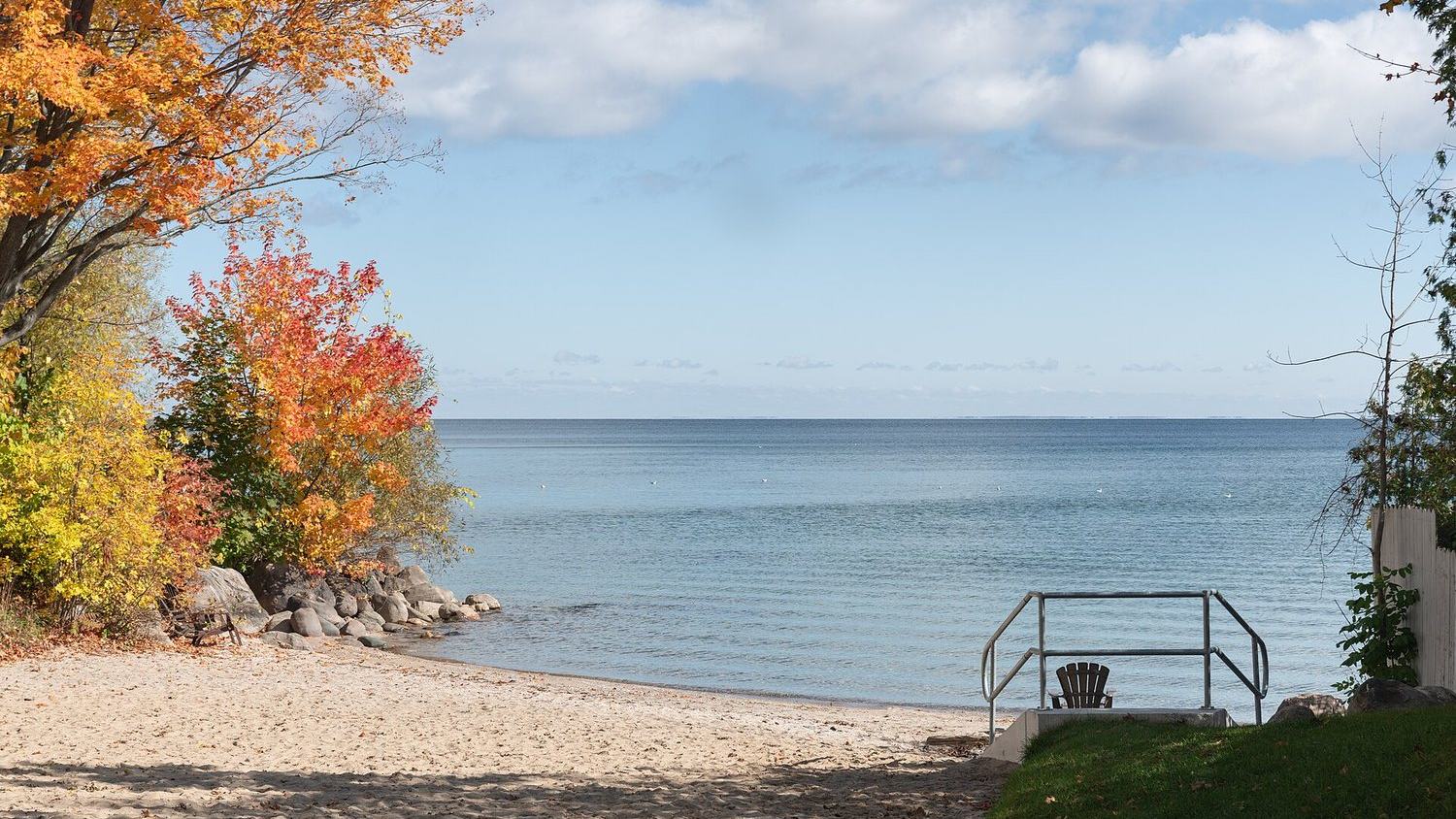
Lake Simcoe offers a varied Ontario small-boat escape, with open water, fishing, sheltered shore routes and important freshwater conservation responsibilities.
A large Ontario lake within reach of many owners
Lake Simcoe lies north of Toronto and is an important place for Ontario families who sail, fish or cruise smaller motorboats. The province describes a lake covering about 722 square kilometres, surrounded by communities, parks, cottage shorelines and sensitive wetlands. This is a much larger body of water than the sheltered bays seen in many summer photographs, so a sensible itinerary balances access with the possibility of wind and uncomfortable waves. A modest bowrider, fishing boat or daysailer can enjoy Simcoe without attempting a long crossing. The key is to start in an area that suits the craft and the experience of the people aboard.
Unlike a marina swimming pool, this lake changes with the weather. A short trip along the edge can feel relaxed while an exposed crossing becomes demanding. Families should identify a preferred launch or marina, a sheltered route, a possible alternative landing and an agreed return time. The province's lake-protection materials also remind visitors that this is a living freshwater system, not merely a recreational backdrop. Enjoyment and thoughtful care of the water belong in the same plan.
Plan the access point before the route
Lake Simcoe has communities and boating facilities around its shore, including the Barrie and Innisfil areas, while southern Cook's Bay has its own shallow-water character. The best starting point depends on where the crew is staying, whether the boat is trailered and the intended activity. A fishing party seeking an early start may value an efficient ramp and nearby sheltered water, while a family renting or keeping a boat in a marina may prefer a short cruise with straightforward boarding. Those preferences are more useful than selecting the longest route from a map.
Before towing a trailer, contact the actual facility about availability, ramp depth, parking, fees and any local conditions. A public waterfront does not automatically mean permission to launch a powered boat there. Check for seasonal changes and avoid assuming facilities listed on an old tourism site remain unchanged. A crew that prepares fenders, lines, plugs and safety gear in a staging area will be less stressed once the trailer reaches the ramp. Keep the launch efficient and courteous to other users.
Couchiching, Cook's Bay and the bigger picture
The lake's geography offers different moods, from wide views across open water to inlets and connected waterways. To the north, the Orillia area connects toward Lake Couchiching through a navigable corridor; the southern end includes Cook's Bay. These names can inspire a multi-day programme, but an inexperienced small-boat crew should not treat them as stops to collect in a single afternoon. Distances grow quickly on a large lake, and channels may have separate speed restrictions or crowded approaches. There is no reason to cross the entire basin simply because a chart suggests a straight line.
On a first visit, choose one part of the shoreline and explore it slowly, with time to observe birds and waterfront scenery. Maintain a safe distance from reeds, private docks and people in the water. Some shallow areas need particular attention to depth, vegetation and boat wash. If moving between more sheltered water and the main basin, check the forecast and boat loading again before committing. A route should be shortened as conditions require without any sense of failure.
The wind can transform a familiar outing
Open water on Simcoe allows wind to build waves, making the trip home less comfortable in a small craft than the outward leg suggested. A family that feels secure in a calm bay can be surprised by repeated steep waves across a longer fetch. Look at a current forecast that accounts for gusts and changes during the planned hours afloat. If the route requires crossing open water, think about how the boat will behave when loaded with people and gear rather than only how it performs on an empty demonstration run.
Cold water and an unexpected immersion add to the risk. Even on a warm afternoon, someone who falls in may become chilled and lose coordination faster than expected. Everyone needs suitable personal flotation and the skipper should know how to recover a person from the water without bringing a propeller dangerously close. Carry a way to signal for assistance and tell someone ashore when the boat is due to return. A beautiful calm morning is not a guarantee of equally calm late-afternoon conditions.
Fishing has a deep local history
Lake Simcoe is widely known for freshwater angling, including lake trout, lake whitefish, yellow perch and bass. Ontario's management documents recognise both the social and ecological importance of the fish community, while monitoring reports describe pressures on some coldwater species. A recreational skipper should not equate the fame of the fishery with permission to keep any fish caught. Rules governing seasons, licences, size and catch limits can vary by species and may change. Check the current Ontario fishing regulations for the specific zone and date, including rules for bait and protected areas.
A fishing boat also needs a considerate layout: hooks and knives stored safely, enough seating for passengers, and a clear route for using a landing net without leaning dangerously overboard. If a child is learning to fish, choose calmer water and a shorter schedule. The most memorable part of the outing may be the wildlife and shared experience rather than the quantity of fish taken home. Conservation-minded angling is entirely compatible with a relaxed family day on Simcoe.
The lake's ecology is changing
Ontario's recent fifteen-year monitoring report describes major changes associated with invasive species and climate, including the dominance of quagga mussels across the lake bottom. The province also identifies altered aquatic vegetation and stresses on the coldwater fish community. For a visiting boater, these may sound like distant scientific issues, yet the practical connections are immediate. Organisms and fragments of plants can be moved between lakes on hulls, trailers, anchors and equipment. An owner who visits several waterways in a season can unintentionally help invasive species spread without seeing anything unusual in the bilge.
Care for the lake begins with understanding the clean, drain and dry approach and the current legal obligations for boats transported overland in Ontario. Inspect the boat and trailer, remove clinging material, drain water from compartments and follow official decontamination advice where required. Do not empty a livewell or bait bucket into another lake. These habits are small in comparison with the scale of Lake Simcoe but matter precisely because thousands of individual trips shape the watershed's future.
Slow down around sensitive shorelines
Lake Simcoe's shores include wetlands, residential areas and places where people swim, paddle or fish close to land. Boat wake can make other small craft unstable and can contribute to shore erosion in vulnerable locations. A fast pass beside a narrow dock is unnecessary even when the formal speed limit permits a higher speed elsewhere. Read posted restrictions, be aware of changing shallow-water areas and leave room for paddlers. A courteous skipper is predictable in course and speed and avoids weaving between stationary boats or people in the water.
Not every attractive patch of shore is open for landing. Treat private waterfront, habitat restoration and marked restrictions seriously, even when the boat is small enough to beach. An anchor can damage aquatic plants or catch on submerged debris, so choose authorised stopping places and suitable holding ground. Respect natural areas by keeping noise and rubbish down. Slower navigation near wildlife often gives the crew a better view and can make the entire outing more pleasant.
Checking the boat before the first launch
A basic preparation routine is especially valuable when a small boat has been out of the water for several weeks. Check the hull, batteries, fuel or charging system, engine cooling, steering and drain plugs. Inspect trailer bearings, tyres, lights and winch before the journey to the ramp. Carry appropriate navigation equipment, a reliable means of communication, spare warm clothing and the safety equipment required by the relevant laws. The correct package depends on vessel type and intended trip, so a fixed generic equipment list should never displace current official guidance.
Explain the plan to passengers before leaving the pontoon: the intended route, how long the outing may last and where lifejackets are kept or worn. Keep a dry place for a phone, but do not rely on network coverage in every location. A brief discussion about seating, boarding and propeller safety can prevent confusion. On a large inland lake, being close to a developed shoreline on the map does not necessarily mean help can reach a drifting boat instantly.
A realistic one-day programme
An easy Simcoe day starts at a verified launch, proceeds along a manageable part of the shore and includes time to pause where landing or anchoring is permitted. The route should allow an early return if wind builds, an engine develops a fault or someone feels cold or unwell. Families with younger children often enjoy a shorter trip with a relaxed picnic on land more than several hours of uninterrupted cruising. Plan for the time needed to recover a trailer and clean the boat, not only the time underway.
Anglers might prefer an early morning outing, while a sailor may wait for a forecast consistent with the crew's abilities. Neither group should allow a timetable to drive unsafe decisions. A route can always be postponed or reduced. Confirm the availability of any marina fuel or visitor berth before relying on it. The best day is one that remains comfortable from launch through recovery, with no pressure to reach a distant landmark simply for the photograph.
A lake worth protecting as well as enjoying
Lake Simcoe is a substantial freshwater destination with room for different kinds of small-boat leisure. Its open water, fishing traditions and varied shores make it attractive, but the provincial environmental reporting is a reminder that recreational use carries responsibilities. The lake is experiencing pressures from warming, invasive species and land-based changes, and every visitor can help by managing waste and avoiding the spread of aquatic organisms. That is part of modern boating rather than an optional afterthought.
Before visiting, review the relevant provincial boating and fishing rules, confirm the chosen launch and inspect the weather for the whole planned period. Choose a shorter and more sheltered trip if the crew is inexperienced. Lake Simcoe does not need to be crossed end to end to be appreciated. A careful boat outing can offer a memorable view of Ontario's landscape and an understanding of why protecting its lakes matters to the generations who will use them next.
Sources: Government of Ontario's Lake Simcoe protection overview and the fifteen-year monitoring report. Photograph: Lake Simcoe at Big Bay Point, Innisfil, by Giorgio Galeotti, Wikimedia Commons, CC BY-SA 4.0; resized for article presentation.
