
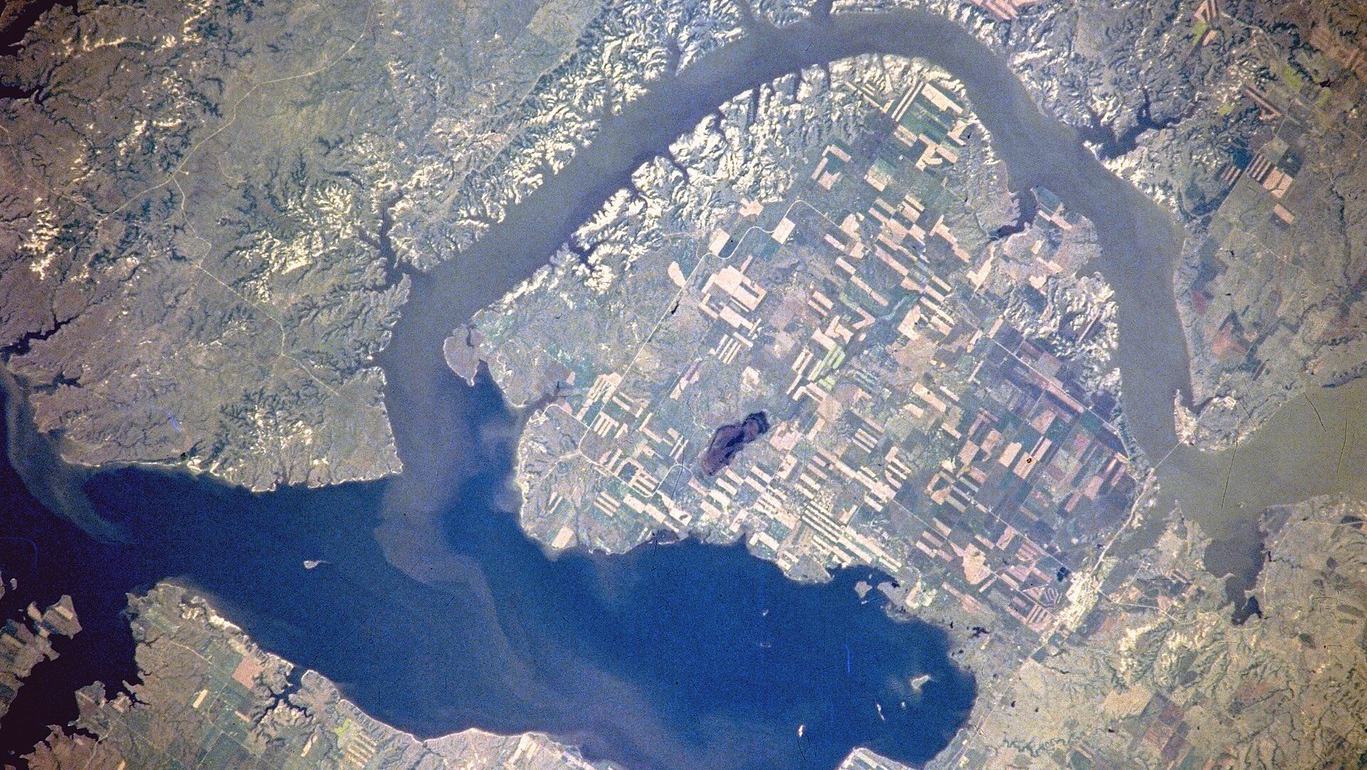
Lake Sakakawea is a large reservoir on the Missouri River in North Dakota, extending across broad prairie scenery and offering opportunities for fishing, cruising, sailing and shoreside recreation. The U.S. Army Corps of Engineers describes the lake as approximately 178 miles long, with an extensive shoreline and numerous recreation areas.
A vast North Dakota lake with accessible small-boat gateways
Lake Sakakawea is a large reservoir on the Missouri River in North Dakota, extending across broad prairie scenery and offering opportunities for fishing, cruising, sailing and shoreside recreation. The U.S. Army Corps of Engineers describes the lake as approximately 178 miles long, with an extensive shoreline and numerous recreation areas. Those figures are a reminder that this is not a compact lake where any launch will place every attraction within a short afternoon run. A small-boat holiday needs to be organised around a manageable local area.
For owners arriving with a trailer boat, two particularly useful gateways are Lake Sakakawea State Park near Garrison Dam and Fort Stevenson State Park near Garrison. Both have published marina and ramp information, although their services and operating seasons differ. Choosing a familiar base allows a family to enjoy the water without treating the entire reservoir as one enormous itinerary. It is usually better to know one part of a large lake well than to make an overambitious crossing on the first visit.
Planning around the launch rather than the whole reservoir
A trailer boat opens possibilities for exploring inland waters, but the practical constraints begin on land. The owner needs a ramp compatible with the trailer, adequate parking and a route to the chosen starting point. Lake Sakakawea State Park lists two ramps, including a multilane facility on the western side and a single-lane facility to the southeast. Both are described as having courtesy docks, with other park facilities nearby. These details can make launching easier, but present availability should be checked before travel.
A launch may be affected by water levels, maintenance, weather or seasonal operations. An owner should not assume every ramp remains usable simply because it appears on a website. The day before departure, confirm the status of the intended facility and prepare an alternative if conditions change. A boat launched from the wrong side of a large reservoir may need a long run to reach the desired destination, turning a simple day out into a more demanding undertaking.
Lake Sakakawea State Park as a base
The state park has facilities that suit visitors combining boating with camping or a short stay. Its marina includes slip accommodation and a protected basin, with a fuel dock, pump-out and store described in the published park information. Some services operate primarily during the warmer season, so visitors should not expect an identical experience in mid-November and high summer. A check with park staff is especially valuable when arriving outside the main recreational months.
For a family, the appeal of a park base is being able to organise time both on and off the water. A short morning cruise can be followed by a picnic or a walk rather than a rushed departure. This flexibility matters when children are included or when the boat is unfamiliar. It also gives the owner more opportunities to monitor the weather before committing to a longer afternoon outing.
Fort Stevenson offers another approach
Fort Stevenson State Park lies along the northeastern shore and publishes details of two marinas, Garrison Bay and de Trobriand Bay. Its facilities include slips, some visitor arrangements and different services at each location. The park also describes two multilane ramps with courtesy docks. These are useful options for small craft, but owners should verify seasonal access, parking, fuel availability and marina rules directly rather than assuming all facilities operate continuously.
Choosing between the parks is not merely a matter of which is geographically closest. The right base depends on where the owner wishes to cruise, whether the party needs overnight accommodation and how exposed the intended route may be. A park that is ideal for a camper and trailer might not meet the needs of someone seeking a short marina stop. Plan the shoreside logistics first and let the time afloat remain unhurried.
Big water asks more from a small craft
A large reservoir can produce significant chop and uncomfortable conditions when wind travels across open stretches. An owner used to a protected river or small inland pond may underestimate the effect of distance and fetch on waves. Boat selection should reflect the intended route and forecast, with attention to freeboard, load capacity and the availability of shelter. A short open boat may be enjoyable close to a safe launch in calm weather but unsuitable for an exposed crossing later in the day.
The presence of a marina does not make every reach of the lake equally safe. Before departure, study the relevant chart, identify nearby safe options and consider how changing wind direction would affect the return. A strong crosswind can make docking more difficult, particularly for an inexperienced crew. The goal should be to choose a plan compatible with the boat's ability, not to force a recreational outing to fit an ambitious destination.
Engine reliability and fuel reserves
Powerboat owners should inspect their engine, steering, battery and fuel system before embarking on an extended lake trip. A minor problem that would be inconvenient near a busy harbour may be more serious on a remote stretch of Lake Sakakawea. Fuel calculations should use realistic consumption at the planned cruising speed with passengers and gear aboard, leaving a prudent reserve for weather, detours and unexpected delays. The water is simply too extensive to depend on reaching a fuel dock at the exact moment the gauge approaches empty.
A skipper should also carry communication and navigation equipment appropriate to the size of the lake, with a means of alerting others in an emergency. Leave a float plan with a responsible person ashore. Include the chosen ramp, general route and expected return time. If the plan changes significantly, update that person when reliable communications are available. A good float plan is a practical safety tool, not an administrative formality.
Fishing with respect for different jurisdictions
Fishing is one of the principal recreational activities on Lake Sakakawea. The U.S. Army Corps of Engineers identifies species including walleye, northern pike and salmon in its descriptions of the broader reservoir. Visitors should check current regulations with North Dakota Game and Fish and, where relevant, the Fort Berthold Indian Tribes authorities. Licensing, seasons and rules can depend on the area and the type of fishing, so a simple statement that 'North Dakota rules apply' may be incomplete.
A family fishing trip should combine the enjoyment of the activity with sound boat handling. Hooks and knives need secure storage, and lines should be clear before the boat accelerates. In a small craft, passengers moving together to one side can upset the boat's trim. Assign safe seats, distribute equipment and avoid overloading. The best trips allow time to enjoy the setting even when fish are not biting, instead of pushing farther and farther from the ramp to chase a result.
Making room for slower family moments
The scale of Lake Sakakawea can encourage visitors to think in terms of mileage, yet one attractive bay or sheltered area may provide more pleasure than a long-distance passage. A calm morning can be ideal for teaching a younger passenger about navigation, demonstrating how to fit a lifejacket or simply enjoying the view. Family days work best when the programme can change as weather, energy and interests change. It is sensible to have a plan for returning early.
A picnic, time on shore or a visit to park facilities can balance the activity afloat. Avoid making unplanned landings on steep or unstable banks, and do not assume all shoreline areas are open for recreational access. Respect wildlife, private property and any tribal or management restrictions. A boat is a means of enjoying the landscape, not a licence to treat every remote shore as an unrestricted campsite.
The importance of reservoir levels
Lake Sakakawea is a working reservoir associated with Garrison Dam. Water management and weather influence the level, which in turn can affect boat ramps, shoreline access and navigation. The Corps of Engineers provides water-level and boating information, including guidance on ramp elevations and low-water concerns. The correct current figures should be checked shortly before a visit, not taken from a previous season's trip report.
A lower water level can expose obstacles and make previously familiar routes more complicated. A rising level may change shoreline conditions and the position of debris. Owners should use updated maps and relevant local notices, especially when moving away from developed facilities. A boat's depth sounder can help assess conditions, but it does not eliminate the need for careful navigation or adequate distance from a potentially shallow shore.
Launching etiquette at a busy park
Busy summer weekends can place pressure on a public boat ramp. Preparing the vessel away from the water is one of the easiest ways to make the experience better for everyone. Install drain plugs where required, check batteries and lines, load safety gear and ensure passengers understand where they should wait. Once the trailer reaches the ramp, the operation should be orderly rather than an extended search for equipment in the car.
After the boat is launched, move to a safe waiting position and allow the next person to use the facility. When retrieving, have the trailer and crew ready before approaching the ramp. Taking care around other vehicles and people reduces the chance of damage or injury. A calm launch and recovery can be the difference between a pleasant day and a stressful one, particularly for an owner new to trailer boating.
A clean boat protects the lake
Moving boats between reservoirs creates a risk of spreading aquatic invasive species, including organisms that can hide in wet compartments, bilges, livewells or trailer components. Follow the applicable North Dakota inspection and cleaning requirements before launching and after retrieval. Drain and dry equipment as directed, and pay attention to parts that may retain water. The fact that a hull looks clean does not guarantee that all potentially affected areas have been inspected.
Good environmental practice also includes careful fuel handling and the removal of litter and fishing line. Avoid damaging shoreline vegetation, give wildlife space and use approved waste facilities. These are simple habits that support both a healthy reservoir and the continued availability of public recreation. A family can model responsible boating without turning the outing into a lecture; the actions become part of the normal routine.
A sensible first-visit itinerary
An owner planning a first visit would do well to select either Lake Sakakawea State Park or Fort Stevenson as a base, confirm the ramp and services, and sketch a modest local cruise. Choose a forecast suitable for the hull and crew, bring enough fuel and supplies, and identify a clear return time. If the weather deteriorates or access conditions change, treat the land-based elements of the trip as worthwhile alternatives rather than reasons to push on.
The lake rewards preparation because it offers genuine room to explore. Its broad water, prairie surroundings and well-developed recreational access can create memorable days for owners of small powered boats, sailing craft and paddling vessels alike. The key is to respect its scale. The best introduction is not a journey from one end of the reservoir to the other, but a safe, comfortable day that leaves the family wanting to come back.
Official information: North Dakota Parks and Recreation; U.S. Army Corps of Engineers. NASA satellite image of Lake Sakakawea, public domain via Wikimedia Commons. A geographic overview, not a marina photograph.