
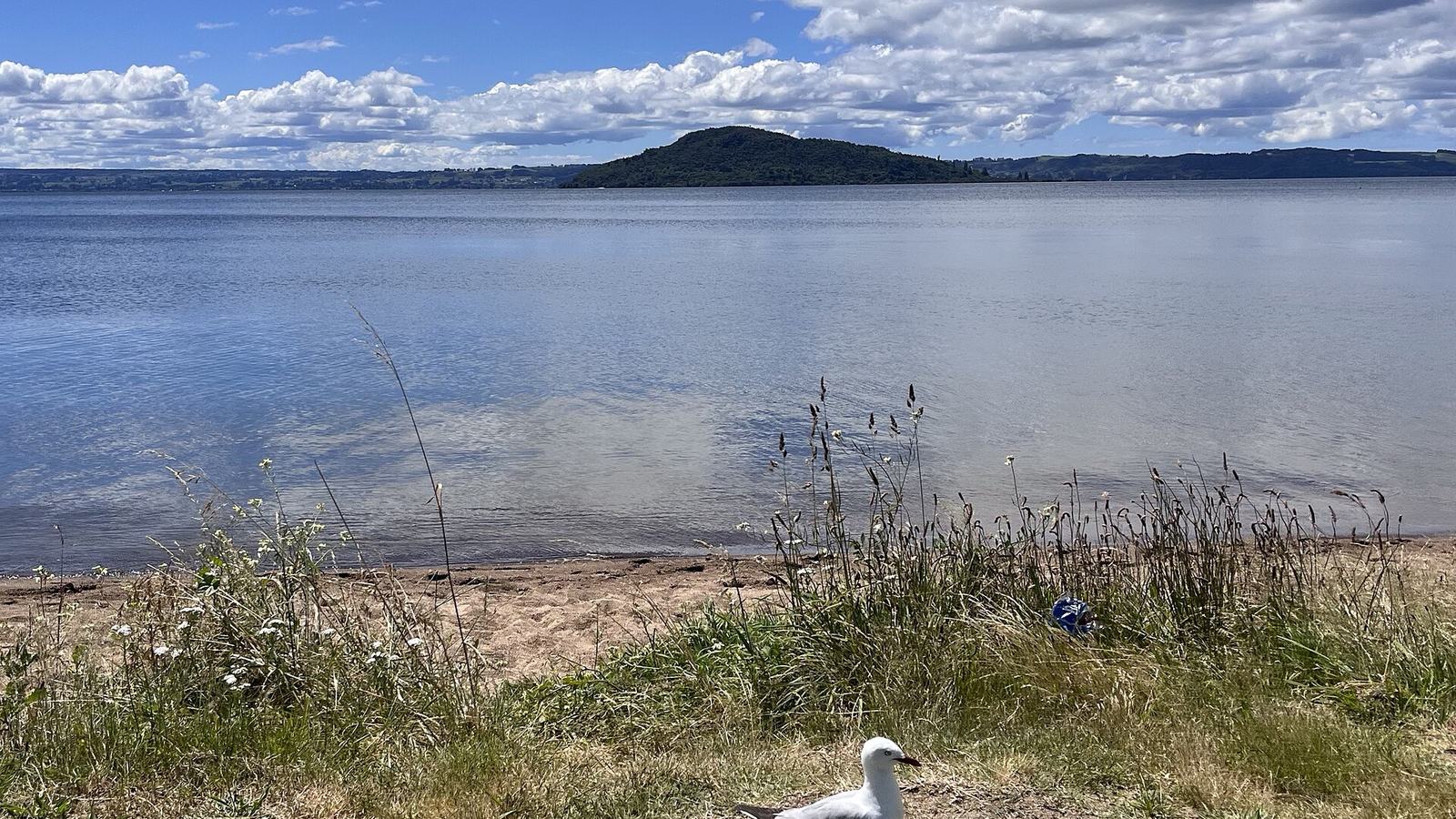
A small-boat guide to Lake Rotorua, covering council ramps, Hamurana, lakeshore wildlife, regional boating rules and pest-prevention requirements.
A city lake with a boating character of its own
Lake Rotorua is unusually accessible for a freshwater boating destination: the city of Rotorua occupies part of its shore, and the council identifies multiple lake reserves with ramps and day facilities. But convenience at the road end should not be confused with simplicity on the water. This is a broad lake with weather, varied shoreline uses and environmental responsibilities. A small runabout, dinghy, canoe or kayak can turn the lake into a memorable day without attempting a circuit. The real choices concern where to launch, how much exposed water to cross, and whether the boat and crew are suitable for the forecast. A short route can be the most rewarding.
Read the council’s lake information first
Rotorua Lakes Council is the primary local reference for reserve facilities, access and lake-condition links. Its Lake Rotorua page identifies the waterfront, Sulphur Point and northern-shore access areas, while its separate lake-information page directs boaters to current levels, hazards and freshwater-pest requirements. Those details matter because a tourist map is rarely precise enough to show launch usability, local restrictions or temporary warnings. Decide whether the day is about a gentle paddle, fishing, family sightseeing or a powered boat outing. Then match the launch to that purpose. Do not simply select the closest road-end parking space and assume it is suitable for a trailer or a wet kayak.
The central lakefront option
The council’s Lakefront Reserve information lists a public boat ramp, parking, toilets, barbecues, picnic tables and playground facilities. That combination is useful for a mixed group in which some people want to stay ashore. A central launch may, however, be busy with other craft and pedestrians. Prepare the boat away from the actual ramp, appoint one person to manage the trailer or gear, and move clear promptly after launching. On return, approach slowly and allow for crosswinds and other crews. The accessible walking route, parks and shore amenities make this a plausible place to begin and end a deliberately limited outing, rather than a reason to run the entire lake.
Sulphur Point and protected birds
Sulphur Point is another council-listed ramp area, reached behind the Rotorua Energy Events Centre and near the museum precinct. The council highlights striking geothermal colours and wildlife, including protected threatened birds, and specifically asks visitors to remain on the tracks ashore. The same spirit of restraint should guide a boat approaching nearby margins. Avoid disturbing birds or hovering over shallow habitat for photographs. Geothermal features are not general invitations to land, swim or step onto apparently firm ground. Use the ramp and public areas identified by the council; keep the boat’s exploration within a safe, lawful route. A good lake visit leaves a light footprint on the very setting that makes it distinctive.
Hamurana and the northern shore
Hamurana is noted for springs, a stream and wildlife on Lake Rotorua’s northern side. Rotorua Lakes Council lists picnic areas, toilets, a playground and a boat ramp at the reserve, but a spring area managed by local iwi is not the same as a public free-for-all. Respect signs and permissions, and do not treat an attractive bank as an automatic landing place. The journey north may require crossing more open water than a shoreline photograph suggests. Check wind, visibility and the actual boat’s ability to return. If conditions do not favour crossing, visit Hamurana by road and reserve the boating portion for the shore nearest the launch.
Waikawau or Hannahs Bay has different users
The reserve behind Rotorua Airport is described by the council as a place for swimming, windsurfing and other watersports, with wetlands and accessible shore facilities. For a small boat, that makes careful separation between activities essential. A swimmer, paddleboard and fast powerboat have very different stopping distances and lines of movement. Obey any posted rules and avoid planning to speed through a shared-use nearshore area. The wetlands themselves deserve distance and care. The council has worked with iwi and community partners on habitat protection here, a reminder that environmental stewardship belongs alongside recreation. Be a visitor who notices where others are already enjoying the water and gives them room.
The nationwide five-knot rules
Maritime New Zealand explains that every skipper must know the national navigation rules and travel at a safe speed for the conditions. Its guidance also sets five-knot restrictions in specified circumstances, including proximity to the shore, other boats and people in the water, subject to exact rule wording and marked areas. The safest approach is to read the actual Maritime NZ rules before launching and obey local signs and directions. The presence of an open expanse does not mean every part is a speed zone. For a visiting skipper, a conservative speed leaves more time to avoid paddlers, wildlife and shallow obstacles while everyone becomes familiar with the lake.
A lifejacket is not the whole safety plan
For an under-twelve-metre vessel, suitable flotation equipment is essential but does not remove the need for communication, weather judgement and a route plan. Maritime NZ’s skipper guidance emphasises preparation and responsibility for passengers. Fit lifejackets to the people actually aboard, brief children on where to sit and make sure a non-skipper knows how to summon help. Protect a phone against water and have a credible fallback communication method where appropriate. Carry sufficient fuel or paddling reserve for a slower return, plus drinking water and basic first aid. If the crew cannot confidently answer where it will land if weather worsens, shorten the trip before leaving.
Freshwater pests change the launch routine
Rotorua Lakes Council’s current lake-information page says users of public ramps must certify that their craft and trailer are free of freshwater pests under the regional pest-management plan. This applies to a much wider range than large powered boats: a kayak, jetski or small dinghy can transport unwanted organisms or residual water. The council directs users to Check, Clean, Dry guidance and information about freshwater gold clams. Clean gear between lakes, drain equipment appropriately, and check the precise certification process before arriving at a busy ramp. This is not an optional environmental extra. It is part of using the region’s freshwater facilities responsibly.
Water level and changing hazards
Lake conditions are not fixed for the duration of a holiday. The council directs visitors to the regional environmental-data portal for lake levels and provides a route for reporting floating debris or other hazards to the harbourmaster. Use those live resources, particularly after rain or windy weather. A ramp usable on one visit may have weed accumulation, slippery edges or different depth on another. Do not rely on satellite photographs to identify the present shoreline. In unfamiliar shallows, keep the motor raised appropriately or remain in safe water rather than risk an expensive propeller strike. For paddlers, knowing the direction of the return wind is at least as useful as knowing the distance.
Fishing without improvising the rules
The council describes Lake Rotorua as a productive trout-fishing destination, but that general statement is not a substitute for current fishing licence, season, method and location requirements. Check the relevant fisheries authority before carrying tackle. Fishing from a small boat should also be planned around weather, drifting speed and the need to remain visible to passing craft. Secure hooks and knives where passengers will not encounter them, and maintain a lookout even when a bite demands attention. Do not anchor in a navigational bottleneck or close to a busy launch. It is possible to enjoy a quiet fishing morning without imposing on other lake users.
Respect for place and local communities
The lake sits within a landscape with strong Te Arawa and iwi relationships. Place names, reserves and access areas are more than navigation labels. When council guidance notes local management of Hamurana Springs and collaborative work at Hannahs Bay, take that as an invitation to learn whose place this is. Use established access, follow cultural and ecological notices and avoid treating every photographable shore as a public beach. A good destination article should make the visitor more thoughtful, not merely list coves to occupy. The value of a small boat here is its ability to experience the setting quietly and without the footprint of a much larger vessel.
Build a short route around the weather
A good introductory day begins with a council-level and maritime-weather check, clean-gear certification, and a deliberate choice of ramp. Leave early enough to observe local activity before launching. Stay on a manageable portion of the lake, and make one or two planned points of interest rather than a forced full-circuit objective. Turn around while the crew is still comfortable, giving the return leg daylight and a margin for stronger wind. If the forecast deteriorates, shorten the boating portion and enjoy the waterfront reserve on foot. The parks, paths and picnic areas make that a genuine alternative, not a failed holiday.
Where official advice ends
Neither a council reserve description nor a feature article can confirm the conditions at the ramp today. Before travelling, check Rotorua Lakes Council’s lake information, Maritime NZ’s current rules, weather and the relevant regional notices. Temporary biosecurity procedures or safety restrictions may change. Do not assume that every inlet, jetty or private boat ramp is open to visiting vessels. Good planning allows for the possibility of finding a sign or restriction that alters the plan. With those checks made, Lake Rotorua offers something especially appealing to modest craft: a meaningful lake experience close to a city, with the freedom to keep the day short and relaxed.
An invitation to slow down
The best memories of Lake Rotorua are unlikely to be a speed reading or total distance. They may be the first calm view from the waterfront, a bird observed from a respectful distance near Sulphur Point, or a peaceful return with the city still visible across the water. Smaller boats bring the skipper close to the details, but they also demand a realistic appreciation of exposure and the responsibilities of the lake. Match the route to the weather, leave room for other users and treat biosecurity as normal boating preparation. That balance creates a more rewarding visit than treating a large freshwater lake as an empty playground.
Sources and photograph credit
Verified references: Primary source: Rotorua Lakes Council; Rotorua Lakes Council lake information and biosecurity; Maritime NZ rules on the water; Maritime NZ skipper responsibilities. Photograph: Lake Rotorua, New Zealand.jpg, AnnWoolliams, Wikimedia Commons, licensed under CC BY-SA 4.0. The archival photograph is resized for web presentation.

Source
Rotorua Lakes Council