
Lake Quinault offers remarkable rainforest boating, but the Quinault Indian Nation's mandatory decal, inspections and water rules come first.
Rainforest boating on a lake with its own rules
Lake Quinault lies in a rainforest valley on Washington's Olympic Peninsula, surrounded by deeply green slopes and views that can make a small-boat outing feel far from ordinary holiday traffic. Canoes, kayaks and suitable motorboats provide a chance to see the landscape from the water. Yet the most important planning detail is not the scenery or the choice of craft: Lake Quinault is managed by the Quinault Indian Nation, and visitors must follow the Nation's current boating requirements.
That distinction deserves to be understood before an itinerary is made. A tourist map may label nearby land as national forest or show a familiar resort lodge, but it does not replace tribal jurisdiction over the lake. The Quinault Indian Nation provides its own permit, inspection and regulation information. A responsible visitor starts there, recognises the Nation's stewardship and treats its procedures as part of the experience rather than an inconvenient formality.
Obtain the tribal decal before launching
The Quinault Indian Nation states that a decal is required for every boat accessing Lake Quinault, including paddle craft. Its published 2026 visitor information lists separate charges for a canoe, kayak or paddleboard and for a motorboat, with the annual permit period running from 1 April to 31 October. Rates and dates can change, so confirm the current information rather than budgeting from an older article. A small inflatable or hand-carried kayak should not be presumed exempt.
The Nation identifies Rain Forest Resort Village General Store at 516 South Shore Road as a place where visitors can complete boat inspections and purchase decals. Check the present hours and process before setting out, particularly if arriving during a shoulder season. If the boat is unsuitable for inspection or needs additional decontamination, the Nation may direct the owner to another facility. Leave enough time to complete those steps without pressure to hurry onto the lake.
Invasive species prevention starts at home
The tribal programme is designed to protect the lake against unwanted aquatic organisms. Clean, drain and dry the boat and all wet equipment before the trip; inspect the bilge, anchor, paddles, livewell, trailer and any hollow space that can retain water. Even a small kayak can carry organisms on gear or in standing water. The same effort should be repeated after the outing before the craft is taken to a different lake.
Do not regard an apparently dry hull as proof that all inspection requirements have been satisfied. The Nation's resource officers patrol the area and the decal is part of the management system. If a boat was recently used in waters known to have invasive species, explain that history to the inspector. Being honest about previous use may cost extra time, but concealing it risks a far more lasting harm to the lake and its environment.
Launch choice requires a current local check
The Olympic Peninsula has named lakeside recreation areas such as Willaby and Falls Creek, and national-park visitor descriptions discuss canoe and small-boat access near Willaby. Those names can help orient a newcomer, but they should not be treated as guarantees of open ramps. Trees, seasonal operations, road works and lake conditions have affected facilities in the past. Ask the relevant land manager about the specific launch before towing a boat down a remote road.
A canoe that can be carried from a parking area may require a different access plan from a trailered motorboat. Clarify the surface, grade, parking provisions, permitted launching hours and whether special local conditions apply. Prepare the craft away from the water, fit flotation and secure equipment before occupying the launch. The small inconvenience of doing this carefully is far preferable to discovering a missing drain plug or unsecured load while another party waits.
Choose a route around a rainforest view
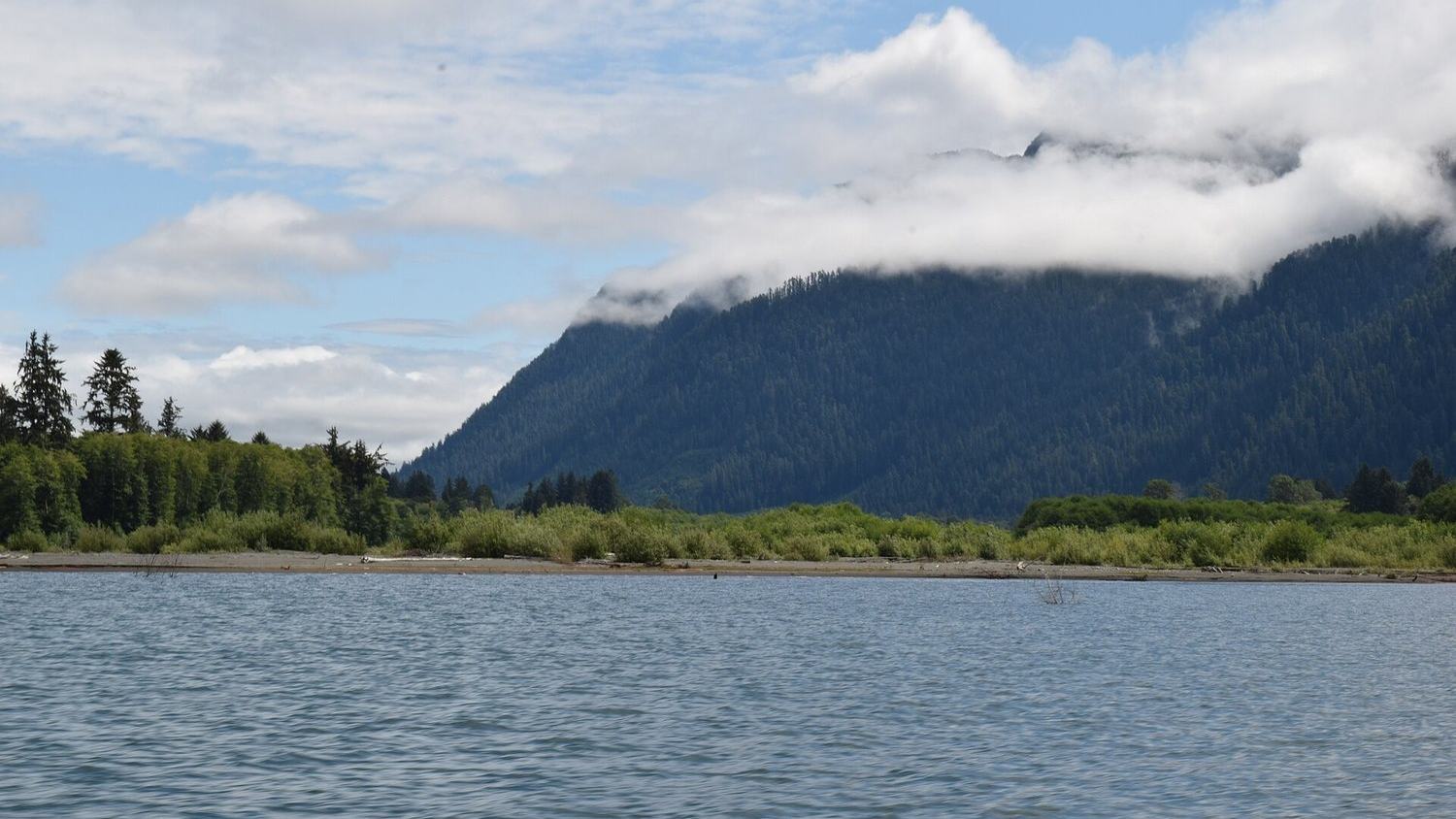
Lake Quinault's appeal lies in the valley's atmospheric scenery. Water, cloud and forest often create subdued colours that reward a slow pace and a watchful crew. A short loop from an authorised launch can be satisfying without committing to a full shoreline circuit. Set a turnaround point within comfortable range, identify the return direction and leave room for changing wind. A canoeist should always consider how much longer the homeward leg might take against a breeze.
The lake can look protected because trees rise from the slopes, but open freshwater can still develop uncomfortable wind-driven chop. A small motorboat needs a prudent fuel reserve and a skipper who will slow down when visibility or surface conditions deteriorate. Paddlers should prefer conservative routes with appropriate landing choices. Avoid assuming that any appealing stretch of shoreline is public space; respect private property, tribal land and clearly posted restrictions.
Fishing calls for separate permission
Fishing interest brings many visitors to lakes on the Olympic Peninsula, but boating permission and fishing permission are not the same thing. The Quinault Indian Nation publishes a separate Lake Quinault Boating and Sport Fish Regulation document and current fishing guidance. Check the licence or permit requirements, open waters, species restrictions and permitted gear directly before casting. Holding a boat decal alone does not establish permission to fish.
Anglers should also prepare their craft with safety in mind. Store hooks and spare line where passengers will not catch them while boarding, avoid spilling bait containers and retrieve every scrap of monofilament. A stable platform and modest passenger load matter more than the promise of reaching a secret spot. If a child is learning to fish, a near-shore session that everyone enjoys may be more successful than an uncomfortable search for distant water.
Safety in a wet and remote setting
Rainforest travel calls for clothing that continues to protect after the weather changes. Even if the forecast suggests a pleasant afternoon, carry warm layers, waterproof protection and a dry change of clothing suitable for the water temperature. Wear an appropriately fitted life jacket and ensure the whole party understands what to do if someone falls in. Small boats do not offer the enclosed shelter that can make larger craft feel forgiving in sudden rain.
Take a communications method and navigation backup suitable for the area, and tell someone ashore when you intend to return. Do not assume mobile service is reliable along every wooded shore. A simple written plan with launch point, expected return and alternative route can be invaluable if a party is delayed. Check the forecast for wind and rain as well as temperature, then make an early decision to postpone if the conditions do not suit the weakest crew member.
Respect the forest and the shoreline
The forest around Lake Quinault is more than a backdrop for photographs. Riparian vegetation helps protect the shoreline, and wildlife needs space from boats, paddlers and people stopping for lunch. Do not create a landing through undisturbed plants. Stay in designated areas where applicable, observe signs and avoid close approaches to wildlife. Collect rubbish before it escapes from the boat, especially food packaging and lightweight plastic that wind can carry into the water.
Consider noise and wake as part of good manners. Paddlers can enjoy a quieter visit if powered craft pass well clear at controlled speed, and motorboat crews often find that travelling slowly improves the view. Treat fishing parties, lodge visitors and other families with the same consideration you expect from them. The lake's atmosphere depends partly on visitors making unobtrusive decisions, not simply on the absence of large commercial boats.
Pair the outing with a land-based visit
A Lake Quinault holiday can combine a short boat trip with time walking near the valley's designated trails or enjoying the historic lodge area. Such a plan is particularly helpful when forecasts are uncertain: there is no need to force a launch to make the journey worthwhile. Confirm trail and park access separately because nearby lands have different managers and closures. The famous rainforest trees are still a compelling experience when the boat remains on its trailer.
For families, a practical schedule might allow a morning inspection and short cruise, lunch ashore and a leisurely afternoon activity if the weather permits. This avoids carrying every meal, spare garment and sightseeing item afloat. It also reduces the temptation to remain on open water beyond a child's comfortable limit. A day with generous time margins often feels more adventurous precisely because there is no race to finish a list.
A good visit begins with respect for management
Lake Quinault offers the pleasures of small boating in a remarkable landscape, but that privilege comes with specific responsibilities. Obtain the Nation's current regulations and required decal, prepare the boat for inspection, verify the intended launch and choose a conservative route. The work is manageable when completed before the day of departure. It also demonstrates that the visitor recognises the lake as a living, managed place rather than an anonymous blue shape on a map.
Use the Quinault Indian Nation's official Lake Quinault information for permits, decals and the 2026 boating regulation, and the National Park Service boating guide for regional access and conditions context. Image: view from Lake Quinault by Wikimedia Commons contributor Entychologist, supplied under CC0; it is a landscape illustration, not a live launch photograph.
A small craft is a wonderful way to notice the meeting of water, forest and changing light. The best visit leaves time to appreciate those things while following the rules established by the people responsible for the lake. Arrive informed, carry what the conditions demand and accept that a quiet morning close to shore may be the finest outing of all. Image credit: View from Lake Quinault.jpg by Entychologist, CC0 (via Wikimedia Commons).
