
An inland Greek paddling holiday guide to Lake Plastiras, with the Agrafa mountain landscape, canoe hire, island inlets, Kalyvia Pezoulas and safe routes.
Lake Plastiras in central Greece offers a different style of small-boat holiday from the country's familiar island harbours. Set amid wooded hills and the foothills of the Agrafa mountains in Thessaly, this reservoir has developed into a destination for canoeing, kayaking, walking and other outdoor activities. The Municipality of Lake Plastiras specifically recommends exploring the water by canoe or kayak, drawing attention to its small islands, inlets and views of the surrounding peaks. That official endorsement makes the destination a genuine option for visitors seeking a slow, nature-based outing. The lake is still a substantial body of water, however, and weather, changing levels and safe launching arrangements should determine how far a recreational craft travels.
A mountain lake away from the coast
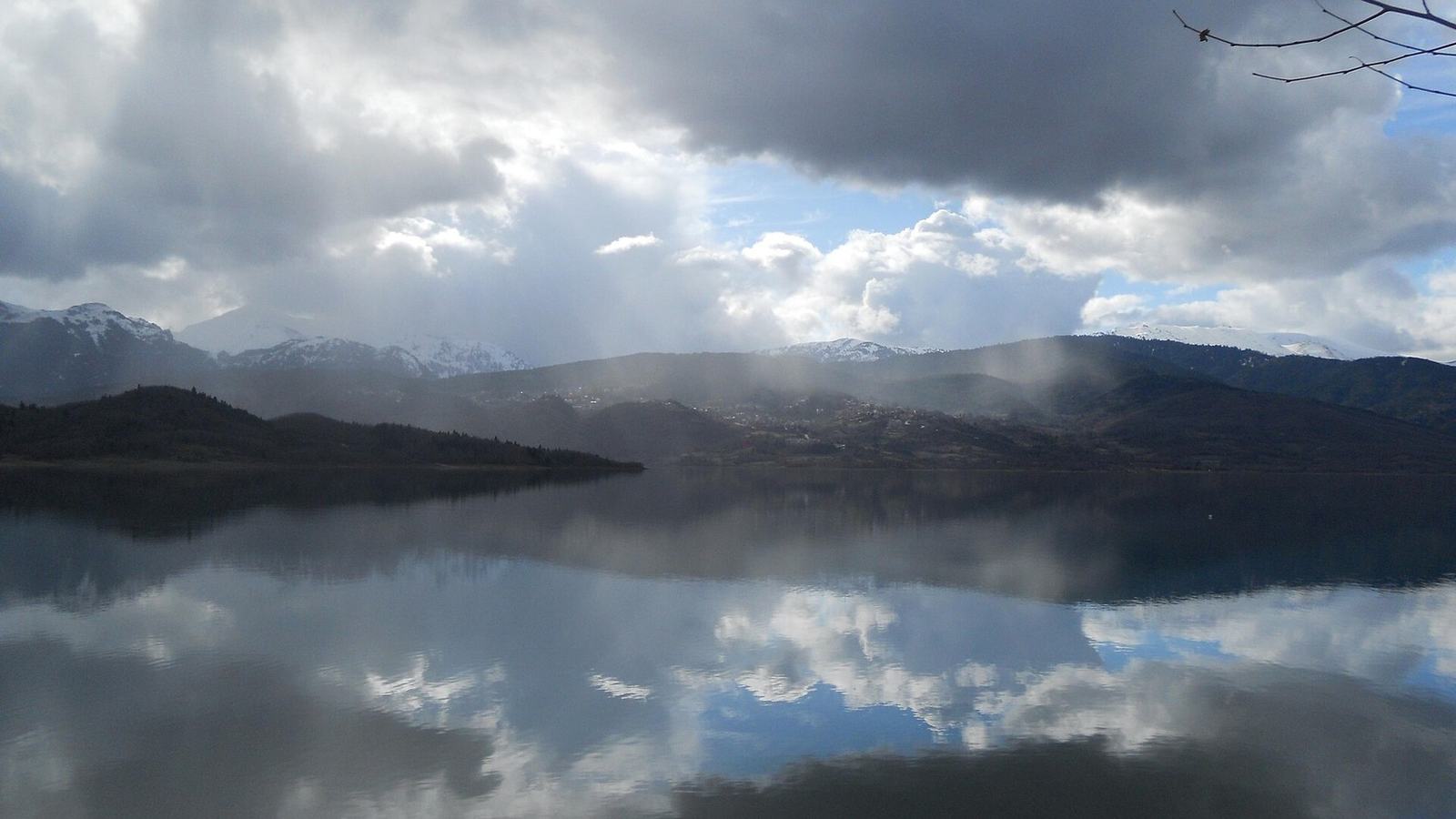
A visitor who associates Greece only with the Aegean may find Lake Plastiras surprising. The setting is inland, with tree-covered slopes and villages arranged around a highland reservoir rather than whitewashed buildings beside the sea. The lake was formed by the Tavropos dam, creating a broad water landscape that now supports recreation as well as its original water-management purpose. From a kayak, the hills appear close and reflections can create an impression of calm even when more exposed reaches are affected by wind. The best experience is not a race to cover the whole reservoir, but a careful journey through one suitable section chosen for its scenery and manageable return.
What the municipality says about paddling
The Municipality of Lake Plastiras describes the reservoir as particularly well suited to canoeing and kayaking, mentioning routes among islands and inlets with views toward the surrounding mountains. This is a useful official starting point for visitors researching activities rather than relying solely on a commercial advertisement. However, a broad destination description does not establish a fixed, universally safe route or guarantee that a particular boat is available for hire. Local instructors and recognised activity providers should be consulted about water level, wind, access and the most suitable section for the group. A short supervised trip may be more enjoyable for beginners than an independent outing without local knowledge.
Kalyvia Pezoulas as an activity area
Regional tourism information identifies the area of Kalyvia Pezoulas and its lakeside recreation facilities as a principal centre for outdoor activity at Lake Plastiras. That makes it a practical place to investigate canoe hire and organised excursions. Travellers should confirm the exact meeting point with an operator, since the name of a nearby village is not enough to identify the approved launch. Parking, the length of any walk to the shore and the availability of suitable equipment can all affect a family visit. The convenience of using an established activity base is not merely administrative: it also provides a chance to ask people familiar with the lake which routes are appropriate on the day.
Islands and inlets seen from a kayak
The reservoir's irregular shoreline creates interesting views as a small craft moves between open sections and more sheltered recesses. The official municipality description refers to islands and fjord-like inlets that make canoeing particularly attractive. These features can give the impression of a series of separate small lakes, but the crew must remain aware of the wider reservoir's wind and waves. An enticing gap between headlands should not be entered without knowing whether there is a safe return and whether the area is open to visitors. A guide may select a route that shows the variety of the shoreline while keeping the outing within the capabilities of beginners.
The Agrafa peaks as a backdrop
The mountainous setting is central to the lake's atmosphere. From water level, the hills can appear higher and more dramatic than they do from a road, while the changing light gives the surrounding forest a different colour through the day. This is an ideal reason to paddle slowly and spend time observing rather than aim for a long distance. The same mountains can affect local weather, including wind and cloud that may develop unexpectedly. A paddler should not mistake a tranquil photograph for evidence that conditions are always settled. Even on a bright day, a forecast and direct observation at the launch are essential.
Guided canoeing versus independent hire
Discover Greece and established adventure operators describe organised canoeing experiences at Lake Plastiras, including options for visitors who want instruction or equipment hire. A guided outing can be especially useful when the crew has little experience or is uncertain about where to launch. The guide can explain how to control the boat and select a route appropriate to the wind. Independent hire provides flexibility but also places more responsibility on the paddlers for navigation and safe return. Ask how long the rental lasts, whether the provider sets a boundary, what flotation equipment is included and how the operator responds if the weather deteriorates.
Matching the boat to the crew
A sit-on-top kayak, a touring kayak and an open canoe can offer different degrees of stability, seating comfort and exposure to spray. The choice should reflect the passengers and the intended route rather than simply the visual appeal of a photograph. Adults travelling with children may benefit from a stable tandem arrangement if recommended by the operator, while experienced paddlers might prefer an individual kayak. Every person needs properly fitted flotation and clear instructions about remaining balanced. A group should not exceed the craft's weight capacity or secure bags in a way that obstructs paddling. The right boat makes a moderate journey enjoyable without unnecessary physical strain.
Reservoir water levels can change
Because Lake Plastiras is a managed reservoir, the waterline may not remain in the same position throughout the year. A stretch of shore that appears easy to approach in one season could be muddy, rocky or inaccessible in another. Local operators know which launching points work with the current level and which areas should be avoided. A map or photograph is not a substitute for asking about the actual conditions on the day. Paddlers should approach unfamiliar shallows cautiously and avoid grounding a boat among rocks or vegetation. A shallow-draft kayak does not remove all hazards simply because it needs less water than a larger vessel.
Weather and the risk of a hard return
A broad lake surrounded by hills can develop wind that makes the return leg much more difficult than the outward journey. This is especially relevant if a group paddles away from the launch with a gentle breeze behind it. A recreational canoe has limited capacity to make progress against a fresh headwind, and repeated waves can make passengers uncomfortable or frightened. Establish a conservative turnaround point and check conditions continuously. When a guide advises that an outing should be shortened or cancelled, that decision should be respected. A mountain lake will remain beautiful from shore, and choosing not to launch may be the safest way to enjoy the day.
Cold water in an inland Greek setting
Summer sunshine can make the area feel warm, but a highland lake may be much cooler than a nearby beach. A capsize can therefore create a shock to anyone dressed only for the air temperature. Wear suitable buoyancy aids or lifejackets and choose clothing that remains practical if it becomes wet. A change of dry clothes at the base is sensible, as is carrying drinking water and sun protection during the outing. A visitor should understand basic capsize recovery before travelling far from the shore. The most useful safety equipment is that which the crew knows how to use without panic.
Combining canoeing with a village holiday
The municipality promotes Lake Plastiras as a destination for multiple outdoor activities, including horse riding around the lake, and the surrounding villages offer opportunities to enjoy local food and mountain views. A paddling session can therefore be one part of a longer holiday rather than a demanding full-day commitment. A family might choose an organised morning outing followed by lunch ashore and time exploring the local area. That approach provides alternatives when wind makes boating unsuitable. Travellers should allow enough time for changing into dry clothing and returning hire equipment rather than scheduling a restaurant reservation for the moment the kayak is expected back.
Horses and walking offer alternatives
The municipality identifies organised riding activity near Morfovouni and Kalyvia Pezoulas, giving visitors a way to experience the countryside from land. Walking trails and viewpoints are also part of the wider region's appeal. These alternatives matter because good boating practice includes accepting that some days should remain shore-based. A visitor who insists on paddling during a windy afternoon may miss a more satisfying walk or village visit. The lake's scenic value does not depend entirely on launching a craft. A flexible itinerary can include different kinds of outdoor travel, allowing everyone in a family or mixed-interest group to find an appropriate activity.
Protecting the lake's natural character
The wooded shoreline and islands are central to the attraction, so paddlers should avoid landing wherever vegetation is fragile or access is uncertain. Use recognised entry points and keep rubbish secured until it can be disposed of properly. A kayak can enter shallow water quietly, but that ability does not justify approaching birds closely or disrupting places where wildlife may be feeding. Do not drag equipment through sensitive plants to create an unofficial shortcut. A well-managed small-boat outing leaves no physical evidence beyond temporary ripples. Protecting water quality and shoreline habitats helps preserve the scenery that makes inland Greece an appealing alternative to the coast.
Photography and a slow pace
Lake Plastiras's forested slopes and mountain reflections make it naturally photogenic, particularly when viewed from a low position in a canoe. Yet taking photographs should never come before keeping the craft under control. A passenger can operate a camera while another paddles, or the group can pause in a suitable safe position where the kayak will not drift into a hazard. Phones and valuables should be protected in waterproof bags. The most memorable composition may include the broad mountain setting rather than a close-up obtained by moving into an inaccessible cove. Good photography and responsible boating work together when the crew chooses patience.
Seasonal expectations and operator availability
The date of publication is November, when visitor services and weather can be very different from the summer activities described on tourism websites. A listing confirms that canoeing is a recognised activity, not that every provider is open throughout the year. Check operating dates, minimum ages, equipment, pricing and cancellation terms directly before travelling. The meeting place and parking arrangements should also be confirmed, particularly if a hire base moves seasonally with water levels. A holiday planned with alternatives ashore is more resilient to changes. The best day on the lake is one when conditions and the crew's ability align, not simply one fixed months in advance.
Discovering Thessaly from the water
Lake Plastiras offers a rewarding change of perspective for visitors who associate Greek holidays with motorboats and coastal islands. A modest canoe or kayak reveals forested inlets, water reflections and the Agrafa mountains at a pace suited to careful observation. Official municipal guidance and recognised adventure operators provide a foundation for choosing a sensible outing, but the route still needs to be selected for the actual weather and crew. Use established access, wear proper flotation and return early when conditions change. An unhurried paddle followed by time in a nearby village can make a distinctive and satisfying small-boat holiday in the Greek highlands.
Sources and photograph attribution
Official destination and boating guidance: Municipality of Lake Plastiras — Official Activities Guide. Current access, rules, weather and reservations must be checked independently before travel.
Photograph: Stefanos Charitos — “Lake Plastiras reflections.jpg” (CC BY-SA 4.0), via Wikimedia Commons. Resized and converted to JPEG for editorial display. Source: https://commons.wikimedia.org/wiki/File:Lake_Plastiras_reflections.jpg. Licence: https://creativecommons.org/licenses/by-sa/4.0. Original rights remain with the credited creator or as specified by the source and licence.
