
Plan a small-motorboat escape to Lake Pend Oreille, Idaho, with verified county and state launch guidance, no-wake regulations, wildlife areas and route ideas.
A mountain lake that rewards a proper boating plan
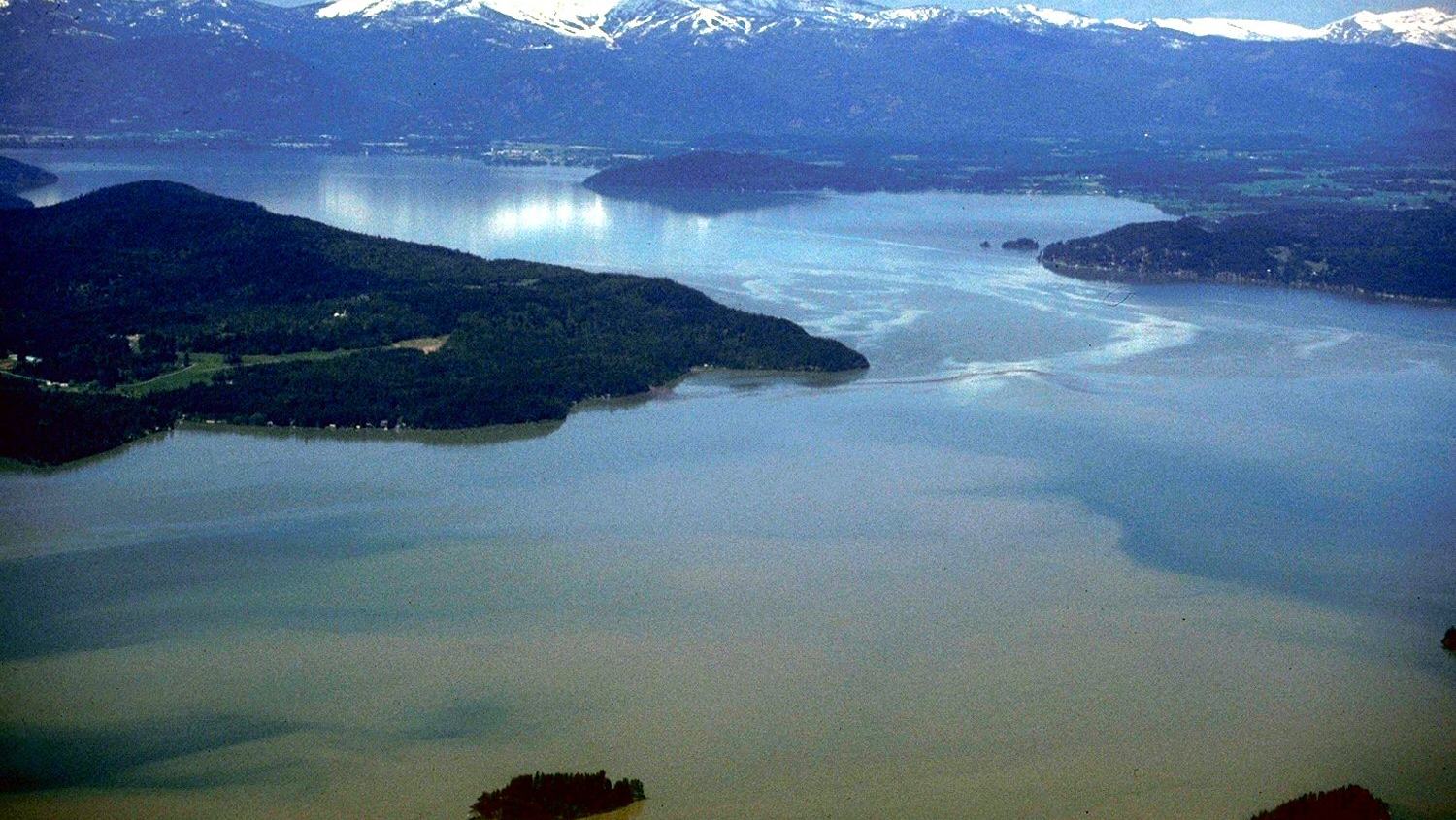
Lake Pend Oreille is one of Idaho’s defining inland cruising landscapes, where wooded mountains and long stretches of open water create a very different experience from a sheltered river or village pond. A small powerboat lets visitors move between Sandpoint, scenic bays and quiet sections of shoreline, but the lake’s size demands the same respect given to larger bodies of water. The most enjoyable visit begins with a launch chosen for the boat and the current lake level, followed by a modest route that leaves plenty of margin for a change of wind.
For a first outing, there is no prize for attempting to circle the entire lake. A sheltered morning excursion, a picnic in a suitable access area and a return before afternoon conditions strengthen will usually be more rewarding than a long mileage target. Choose a boat with enough fuel, reliable navigation equipment, properly fitted lifejackets for everyone aboard and a means of calling for help. Conditions over open stretches can differ markedly from what the crew sees at the launch ramp.
Sandpoint provides a natural focal point for visitors who want a town stop before or after boating, while the lake’s eastern and southern reaches can offer more secluded scenery. The key is to recognize that each shoreline has different access, dock facilities and exposure to wind. Maps of recreational facilities are helpful for orientation, but they do not replace a current marine forecast, local notices or the operator’s judgment about whether the trip is sensible for that day.
Which launch is best for your boat and lake level?
Bonner County’s waterways office identifies Garfield Bay and Hope Basin among its county-maintained launches on Lake Pend Oreille. It specifically notes that Garfield Bay and Hope are among the county options accessible at low-pool lake levels, while smaller or shallower facilities are less suitable when water drops. The county also provides a broad list of public access locations, including City Beach, Sunnyside, Trestle Creek, Sam Owen State Park and the Eagle launch at Farragut State Park. This gives boat owners flexibility, but the best ramp depends on present water depth, parking, the trailer and the intended route.
At the south end, Idaho Parks and Recreation identifies Farragut State Park’s Eagle Boat Launch as the park’s major boating access point to Lake Pend Oreille. That makes it a practical option for crews based near Bayview or exploring the southern section of the lake. Before towing there, check the state park’s current entrance, launch and parking conditions, along with ramp opening information. Even a familiar public launch can be uncomfortable for a trailer boat if lake level, wind or queueing differs from expectations.
Kootenai County separately lists Bayview Public Launch among its fee-based facilities and publishes current access and payment information. Visitors should not assume the same price or operating arrangement applies across county, municipal and state-managed ramps. Bonner County describes its own county launches as day-use sites, with no camping or overnight parking at those locations. A crew hoping to stay overnight should therefore secure approved accommodation or moorage elsewhere rather than leaving a trailer in a day-use lot.
From Sandpoint to the quiet bays
Launching close to Sandpoint allows boaters to combine an easy town stop with an exploration of the northern part of the lake when conditions cooperate. The city's waterfront can be busy with paddlers, sailing craft, fishing boats and larger motorboats, so a slow, considerate departure is essential. Study any local navigation aids and speed restrictions before moving into open water, especially around marinas, beaches and moored vessels. Lunch ashore can be a delightful part of the day, but visiting boaters should verify guest-dock availability rather than assuming a public slip is waiting.
Further along the shoreline, Garfield Bay is a useful reference point because the county specifically names its launch among low-pool options. Hope and the eastern lakeside communities provide another direction for exploration, with changing views of forested slopes and broad water. A small motorboat can make these distances feel approachable, but returning against a freshening wind may take much longer than the outward run. Set a turnaround time based on fuel reserve and observed conditions rather than on the final scenic point marked on a map.
The southern shore offers a different itinerary centered on Bayview and Farragut. Here a boat outing can be paired with a state-park visit, a walk on designated trails or a relaxed shoreline meal at an appropriate facility. Be cautious about the distinction between an established access site and a visually attractive stretch of shore; protected habitats, private property and uncharted shallows can make casual landings inappropriate. Selecting one known destination is often the best way to keep a family boating day comfortable.
Wildlife and water-level changes
Idaho Fish and Game manages a network of Pend Oreille Wildlife Management Area parcels around the lake, river, sloughs and delta. Its information notes that access is scattered and that some areas can be reached by boat while travel on the management-area lands themselves is non-motorized. These spaces enrich the outing with the possibility of seeing wetland birds and changing shoreline habitat, but they should not be interpreted as open invitations to drive vehicles onto sensitive banks or to land wherever convenient. Check local rules before stepping ashore and keep a wide buffer around wildlife.
The state wildlife agency also explains that seasonal lake-level changes expose mudflats and alter near-shore conditions. Low water can affect both launching and access to shallow sloughs; channels that appeared straightforward in summer may become unsuitable later in the season. Use the latest lake-level information, inspect the ramp before backing down, and watch depth continuously in unfamiliar bays. Floating debris may also appear after periods of runoff or strong weather, so a lookout remains worthwhile even in familiar water.
Anglers will find a broad range of freshwater fishing interests around Pend Oreille, including the species described in Idaho Fish and Game’s local guidance. Fishing regulations, limits and any species-specific restrictions must be checked through the agency’s current publications before lines go overboard. A responsible boating party also avoids disturbing shoreline nesting sites and removes discarded line or packaging before leaving. The lake's setting is part of the experience, and protecting that setting is more valuable than any one catch.
Speed limits and the etiquette of a busy lake
Bonner County publishes a no-wake definition for its waterways that includes a speed of no more than five miles per hour or a wake no higher than six inches, whichever is greater, and lists 200 feet from shoreline or structures for its specified no-wake areas. Operators should consult the exact current wording and any buoy-marked restrictions applicable to their position rather than treating the lake as universally unrestricted. Even where higher speeds are legal, the safe speed may be far lower when visibility falls, crossing traffic increases or passengers are seated near the bow.
Small-boat etiquette includes giving paddlers and anglers enough room, reducing wash near docks and resisting abrupt course changes in crowded water. A wake that feels insignificant from the helm can be uncomfortable or unsafe for someone entering a dinghy or fishing from a lightweight vessel. Keep a careful lookout behind as well as ahead, use navigation lights when required and stay alert to the changing sun angle late in the day. Simple courtesy makes it easier for all the lake’s users to enjoy the same water.
Cold water deserves attention even on a warm afternoon. Keep lifejackets readily available and wear them when appropriate for the conditions and local law, brief passengers on how to re-board the boat, and do not assume everyone can swim safely to shore if something goes wrong. A charged phone is helpful but should be backed by reliable onboard communication and navigation. Check the fuel level, bilge, batteries, engine cooling and required safety equipment before the first passenger steps aboard.
A two-day approach for visitors bringing their own boat
On arrival day, use the afternoon to inspect the chosen ramp, confirm where a trailer can legally remain and ask about current depth and wind exposure. Take a short familiarization run rather than scheduling a distant destination immediately after a long drive. This provides an opportunity to check the boat’s handling, steering, electronics and engine temperature under load, while passengers get comfortable. Return with daylight in hand, especially if the crew has not retrieved a trailer at this ramp before.
On the second day, choose one lake sector based on the updated forecast: Sandpoint and nearby northern water, Garfield Bay and the eastern shore, or the Bayview and Farragut area to the south. Build the route around one lunch or sightseeing stop, several designated opportunities to take photographs, and a generous reserve for the return. Those who wish to spend longer on the water should investigate current marina guest options and safe overnight arrangements separately. County day-use access should never be confused with permission to leave a trailer overnight.
Lake Pend Oreille rewards flexible decisions. If the open water is uncomfortable, a shore walk, town visit or state-park day can still make the trip worthwhile, with the launch postponed until conditions improve. For a small-boat owner, the real luxury here is the freedom to explore clear mountain water with a sound plan and no pressure to push beyond the crew’s limits. With official launch information, sensible weather choices and respect for local rules, this Idaho lake becomes a memorable boating destination rather than an avoidable risk.