
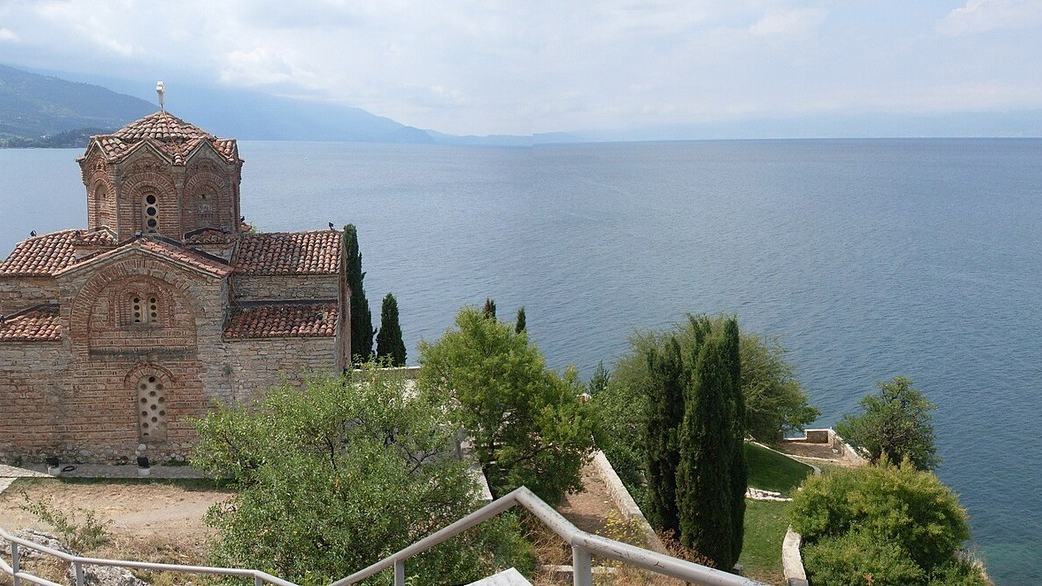
A North Macedonia boating and kayaking holiday guide to Lake Ohrid, highlighting UNESCO heritage, Kaneo, Saint Naum, villages and responsible small-craft travel.
Lake Ohrid, shared by North Macedonia and Albania, is one of Europe's most remarkable inland waters, combining an ancient ecosystem with historic towns and mountain scenery. Travellers who see the lake from the waterfront of Ohrid may be drawn to a slow kayak outing or a short boat excursion, where the landscape can be appreciated away from the road. Tourism information for North Macedonia promotes kayaking, swimming and guided trips, while UNESCO recognises the extraordinary natural and cultural heritage of the region. The attraction is compelling, but conservation responsibilities, cross-border considerations and changing lake conditions all matter. A good small-boat visit should begin with a suitable local route and an understanding of where it is appropriate to go.
An ancient lake with unusual biodiversity
Lake Ohrid is known for its very long natural history and the exceptional biodiversity that makes it important far beyond the surrounding holiday resorts. UNESCO describes its natural heritage as a superlative phenomenon, with species and ecological relationships associated with its ancient origins. This is not simply another attractive recreational lake where the whole shoreline should be treated as an unrestricted playground. Visitors should avoid disturbing aquatic vegetation and wildlife, and should use established boating facilities where possible. A quiet kayak can be a low-impact way to travel if handled responsibly. The aim is to see the natural environment without altering the things that make it distinctive.
The historic town from the water
Ohrid's old town occupies a dramatic position along the lakeshore, with stone buildings, churches and narrow streets rising above the waterfront. From a small boat, these features can be seen together rather than as separate sights encountered during a walk. The Church of St John at Kaneo is one of the best-known places in the area, overlooking the water and creating a memorable backdrop for photographs. The most respectful view does not require landing beneath the church or approaching an exposed rocky shore. A carefully chosen paddle at a sensible distance allows visitors to appreciate the architecture while keeping control of the craft.
What the official heritage designation means
The UNESCO World Heritage property is recognised for both cultural and natural values, and it includes parts of the lakeshore and wider region in North Macedonia and Albania. The designation is a reminder that human settlement and the lake's ecology have developed together over a long period. It also highlights pressures from tourism, urban development and pollution, making responsible visiting important. Boaters should follow current local rules, avoid litter and choose recognised routes and operators. It is misleading to suggest that UNESCO status means every cove is closed, but it is equally misleading to treat a protected place as a blank space for unrestricted recreation.
Choosing a guided kayak outing
Visitors unfamiliar with Lake Ohrid may find a guided trip the most convenient option. Local operators offer kayak experiences, and a guide can explain where to launch, which sections of water are suitable and what changes in weather might affect the itinerary. An organised tour should provide appropriate flotation and a clear briefing rather than merely a kayak and an instruction to return by a set time. Ask whether the route is designed for beginners and how the group will stay together. A short supervised excursion along an accessible part of the North Macedonian shore may offer more enjoyment than attempting an ambitious crossing without local knowledge.
Independent hire needs more preparation
Some travellers prefer to hire a kayak independently, especially when they already have paddling experience. The advantage is flexibility, but it brings responsibility for navigation, weather decisions and the safe return of the boat. Establish the hire boundary, confirm whether a lifejacket and waterproof storage are included, and ask for a contact number for emergencies. A visitor should not assume that a boat hired near the town is approved to travel to every beach or across the international border. Even a relatively short outing requires attention to the wind and other traffic. The most appealing view is not always the safest destination.
Trpejca and the eastern shore
Trpejca is among the lakeside villages associated with the region's quieter scenery and beach visits. Its waterfront can be appealing from a boat, though reaching it from central Ohrid may involve a substantial distance that is unsuitable for a casual rental. A visitor interested in that area might choose a local starting point or a guided excursion rather than plan to paddle all the way from the town. The appropriate journey depends on distance, forecast and authorised access. A scenic village is more enjoyable when the crew reaches it without fatigue, and a shuttle or road connection may be the sensible way to combine different parts of the lakeshore.
The monastery of Saint Naum
The Monastery of Saint Naum is another recognised destination along the lake, known for its historic setting near springs and natural scenery. Visitors may see it included in boat-excursion itineraries, but it should not automatically be treated as an easy kayaking target. Reaching the area from Ohrid can require a long passage with exposure to changing weather. A scheduled or guided boat trip may be much more practical for travellers who want to appreciate the site without managing a private craft over such a distance. Local restrictions and the correct place to disembark should be confirmed. Respect for the cultural site matters as much as boat handling.
Boat excursions for a mixed group
A passenger boat can be an attractive alternative when a family includes people who do not want to paddle or who have limited mobility. Such trips can introduce the lake's geography and historical attractions without requiring visitors to steer a boat. Operators may offer short panoramic outings or longer journeys, but routes, operating periods and vessel arrangements vary. A responsible traveller should confirm the departure point, return schedule and safety equipment, especially when travelling with children. A public excursion is not a guarantee that every private kayak can use the same route or landing. The different forms of boating are best understood as complementary ways to experience the lake.
A lake shared by two countries
Lake Ohrid extends into Albania as well as North Macedonia, and the UNESCO designation recognises the wider significance of the region. That international character enriches the story of the lake but creates practical considerations for boaters. Anyone contemplating a cross-border trip needs reliable official information about permissions, registration or reporting requirements; a rental agreement on one shore should not be interpreted as allowing unrestricted movement into the other country. For most visitors arranging a short recreational paddle, remaining within a locally agreed operating area is a simpler approach. The purpose of the outing is to appreciate the scenery, not to make a complicated international crossing.
Wind can change a calm-looking lake
Large inland lakes can develop waves when wind rises, and sheltered water beside a waterfront promenade may be quite different from conditions in a more exposed reach. Paddlers should obtain a current forecast and observe the water before launching. A headwind can greatly increase the effort required to return, particularly in a recreational kayak loaded with inexperienced passengers. A good outing includes a conservative turnaround point and an option to return early. Small motorboat operators face similar questions about hull capability, speed and available fuel. The best plan is one that allows everyone to finish comfortably rather than testing how far the boat can travel.
Water temperature and swimming assumptions
Lake Ohrid is associated with summer swimming and clear-looking water, but a kayak trip should not be planned on the assumption that an unexpected capsize would be harmless. Water temperature changes with season and location, and not every shoreline provides a safe or legal place to enter the water. Suitable flotation should be worn by everyone in a small open craft, and children need correctly fitted equipment. A holiday passenger should remain balanced when using a camera or changing seats. The crew should understand basic recovery procedures before leaving the shore. An inviting beach does not automatically mean that a longer stretch of open water is safe for beginners.
Protecting species and shoreline habitats
The ecological importance of Lake Ohrid makes responsible boating particularly valuable. Paddlers can contribute by avoiding sensitive vegetation, staying clear of wildlife and using recognised places to launch and land. Motorboat operators should observe speed and wake restrictions, particularly near bathing areas or delicate shores. Never discard fishing line, plastic or other waste into the water, and take care when cleaning a boat that has been used in another lake. The UNESCO listing has highlighted environmental pressures in the region, making individual behaviour part of a larger conservation effort. The water's beauty is most meaningful if visitors help preserve its natural qualities for the future.
A morning paddle near the town
For someone new to the lake, a short morning outing from an appropriate local base can be a satisfying introduction. The town's familiar skyline offers orientation, while the low viewpoint allows closer appreciation of reflections and the way buildings relate to the shore. The route should remain within the hire company's permitted area and be shortened if conditions are less settled than expected. Photography is best handled by a passenger while the paddler remains alert to other craft. A compact plan also leaves time to explore historic streets and have a meal ashore. The pleasure of the lake does not depend on reaching a distant monastery or beach.
The wider holiday beyond the boat
Ohrid's appeal extends beyond watersports, with churches, cultural sites, restaurants and opportunities to walk along parts of the lakeshore. A visitor can combine a guided paddle with time in the old town or choose a commercial boat excursion on a different day. This helps the trip adapt to weather rather than requiring every day to be suitable for small craft. The wider region has a strong tourism infrastructure, but visitors should still check the opening hours of individual sites and the seasonal availability of operators. A flexible itinerary reduces pressure to launch when wind or heavy rain makes boating uncomfortable.
Choosing a responsible operator
A reputable local outfitter should explain the exact route, the level of experience needed and any protected or restricted areas the group must avoid. Ask about flotation equipment, emergency response, guide qualifications and cancellation if conditions deteriorate. The lowest advertised price may not provide the best experience if important arrangements are unclear. Operators who treat the lake as a valued natural environment rather than merely a commercial backdrop may also offer helpful insights into wildlife and conservation. A visitor should feel comfortable asking questions before committing to the trip. Good organisation allows the crew to concentrate on what makes the lake so special.
Discovering an ancient landscape slowly
Lake Ohrid is an unusually rewarding place to be afloat because the natural and cultural landscape are closely connected. A kayak can provide a quiet view of waterfront villages and the old town, while an organised boat trip may be more suitable for reaching farther destinations such as Saint Naum. The responsible approach is to use an authorised base, choose a route matched to the forecast and crew, and respect the lake's internationally important ecology. Travelling slowly does not mean ignoring navigation or safety. For small-boat enthusiasts, a carefully planned outing can reveal the character of one of Europe's oldest lakes without diminishing what makes it exceptional.
Sources and photograph attribution
Official destination and boating guidance: Visit Macedonia — Ohrid Lake Destination Information. Current access, rules, weather and reservations must be checked independently before travel.
Photograph: Vlatko.mk — “Ohrid Lake Kaneo.jpg” (Public domain), via Wikimedia Commons. Resized and converted to JPEG for editorial display. Source: https://commons.wikimedia.org/wiki/File:Ohrid_Lake_Kaneo.jpg. Licence: https://creativecommons.org/publicdomain/mark/1.0/. Original rights remain with the credited creator or as specified by the source and licence.
