
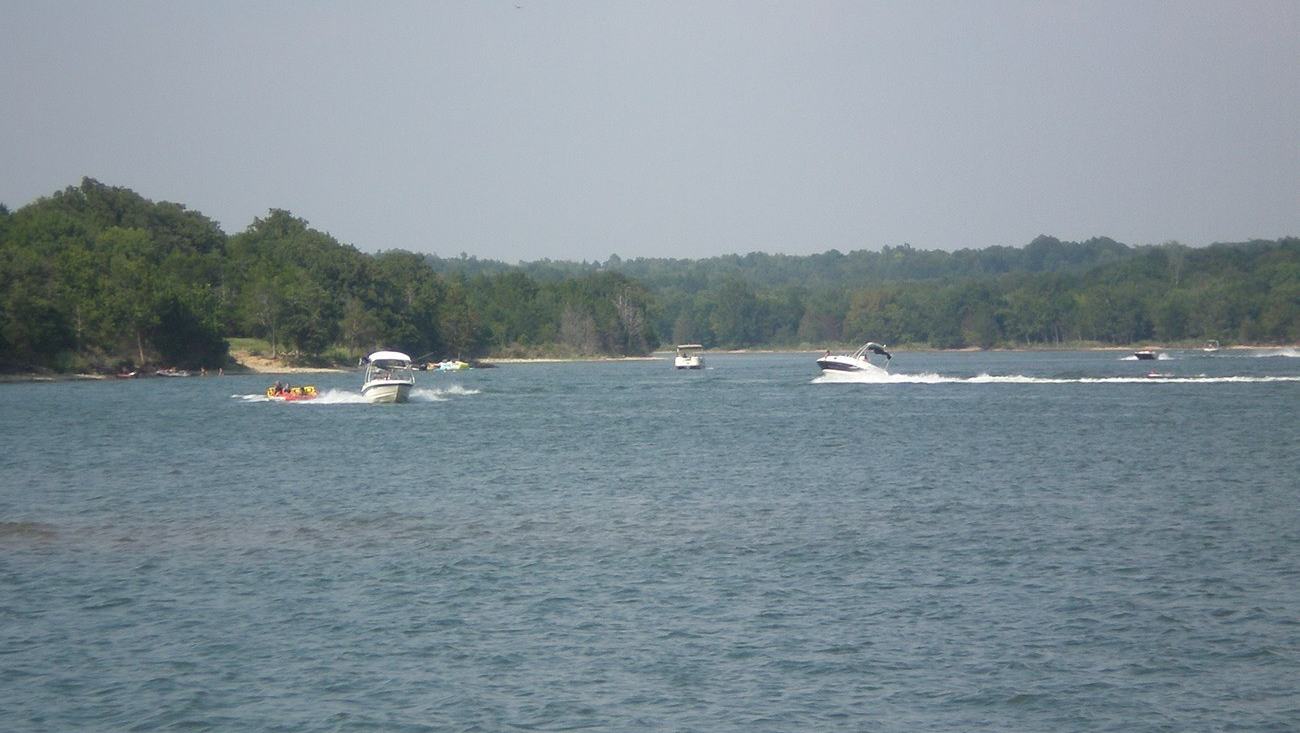
Chickasaw National Recreation Area offers two different forms of boating: motorboat cruising and fishing on Lake of the Arbuckles, and slower paddling on Veterans Lake.
An Oklahoma lake built for varied recreation
Lake of the Arbuckles lies within Chickasaw National Recreation Area in south-central Oklahoma, where water is a central attraction of the protected landscape. Unlike a destination focused on only one type of boat, the lake accommodates fishing craft, family runabouts, water-skiing vessels and paddlers. A visitor might enjoy an early fishing trip or take a modest dayboat out to explore the reservoir's shore, with a picnic ashore later.
The mix of activities means every skipper needs to remain attentive to others who may be moving much more slowly. A quiet kayaker can be difficult to see against the shoreline, while boats towing skiers require space to manoeuvre. Planning a trip around the intended activity and local operating restrictions makes the day more enjoyable for everyone sharing the water.
The reservoir's history and setting
Arbuckle Dam was constructed in 1966 at the confluence of Buckhorn, Guy Sandy and Rock Creeks. The resulting lake has approximately thirty-six miles of shoreline, with coves and facilities suitable for recreational visits. These are not merely numerical details: the branching water creates a range of settings within one area, some busy with powerboats and others attractive for slower exploration.
The National Park Service identifies fishing, sailing, waterskiing and motorboating among the activities associated with the lake. Visitors should choose a portion that suits their equipment instead of assuming the entire reservoir will be equally comfortable on a windy day. A small boat carrying children or inexperienced passengers can benefit from a shorter sheltered route and a known return point.
Four principal ramps and local access
The Park Service describes four launch ramps providing practical access around Lake of the Arbuckles. The surrounding park also offers picnic facilities, restrooms, camping and fishing docks, which can help turn a few hours afloat into a relaxed weekend. A family can arrange lunch ashore without the complexity of carrying every meal and supply aboard a small craft.
Before departure, the owner should confirm which ramp is most suitable for the vessel and whether any temporary closure affects access. Ramp etiquette is particularly important when several trailers arrive together. Preparing straps, safety gear and equipment away from the launch lane helps keep the shared facility working smoothly.
A required permit for motorised vessels
Motorised boats on Lake of the Arbuckles require a boat-launch permit under the park's regulations. The NPS provides daily and annual arrangements, and the applicable pass should be obtained and carried or displayed as required. This is distinct from a state registration or boat-operator qualification, which may still apply according to the vessel and the person operating it.
A permit check is simple compared with arriving at the ramp without the correct documents. Visitors should review current park fees and payment options before the trip, rather than rely on an outdated price copied from a travel article. The regulations may also impose restrictions on personal watercraft and towing activities in particular areas.
Veterans Lake offers a quieter alternative
Chickasaw also includes Veterans Lake, where canoes, kayaks and no-wake boating are permitted without the same launch permit requirement. For a family interested in wildlife observation or an introduction to paddling, that can be a suitable alternative to a busy water-skiing area. Choosing a smaller waterbody can make the outing feel less hurried and easier to organise.
No-wake rules protect other users and shorelines by restricting the disturbance created by a moving hull. They should be respected even if the boat is capable of much greater speed. The skipper should still assess shallow features, weather and passenger needs, as a quiet lake is not a guarantee that every landing or activity is safe.
Fishing and the structure of a family outing
The lake is known for fishing opportunities involving species such as bass, crappie and catfish. Owners of small angling boats can use the coves and shoreline variation to plan a morning route, while guests who prefer scenery can enjoy the same surroundings without fishing. The choice of vessel, seating arrangement and equipment will determine how comfortable the day feels.
Fishing licences, seasonal restrictions and rules on bait or catch should be checked with the relevant Oklahoma authorities. Young passengers should remain supervised, especially when hooks and other sharp tackle are in use. Keeping the cockpit organised prevents an ordinary family trip from becoming difficult when several people try to reach gear at once.
Preventing the spread of aquatic invasive species
The National Park Service emphasises a clean, drain and dry routine after boating. Aquatic organisms and plant material may be carried in bilges, livewells, trailers and even damp equipment, allowing invasive species to spread to another lake. The park recommends removing mud and visible material, draining trapped water and allowing equipment to dry in accordance with the relevant rules.
This is especially relevant to owners who visit several reservoirs during a holiday. A trailer that moves directly from one ramp to another can transport water and debris despite the hull looking clean. Building the cleaning process into the end of an outing is a practical contribution to keeping popular fishing and family destinations healthy.
A measured day in Chickasaw country
The official Park Service photograph shows real small boats using Lake of the Arbuckles, accurately reflecting its busy recreational character rather than presenting an unrelated yacht or illustration. The experience need not involve extensive equipment or a large engine; a suitable runabout, fishing boat or kayak can each offer an appealing introduction to the setting.
Chickasaw National Recreation Area is best enjoyed by matching the trip to the part of the lake and activity intended. Permits, access, boat traffic and environmental care all belong in the plan. With those arrangements made, the day can be as simple as a pleasant cruise, a carefully chosen fishing spot or time watching the water from a quiet shore.