
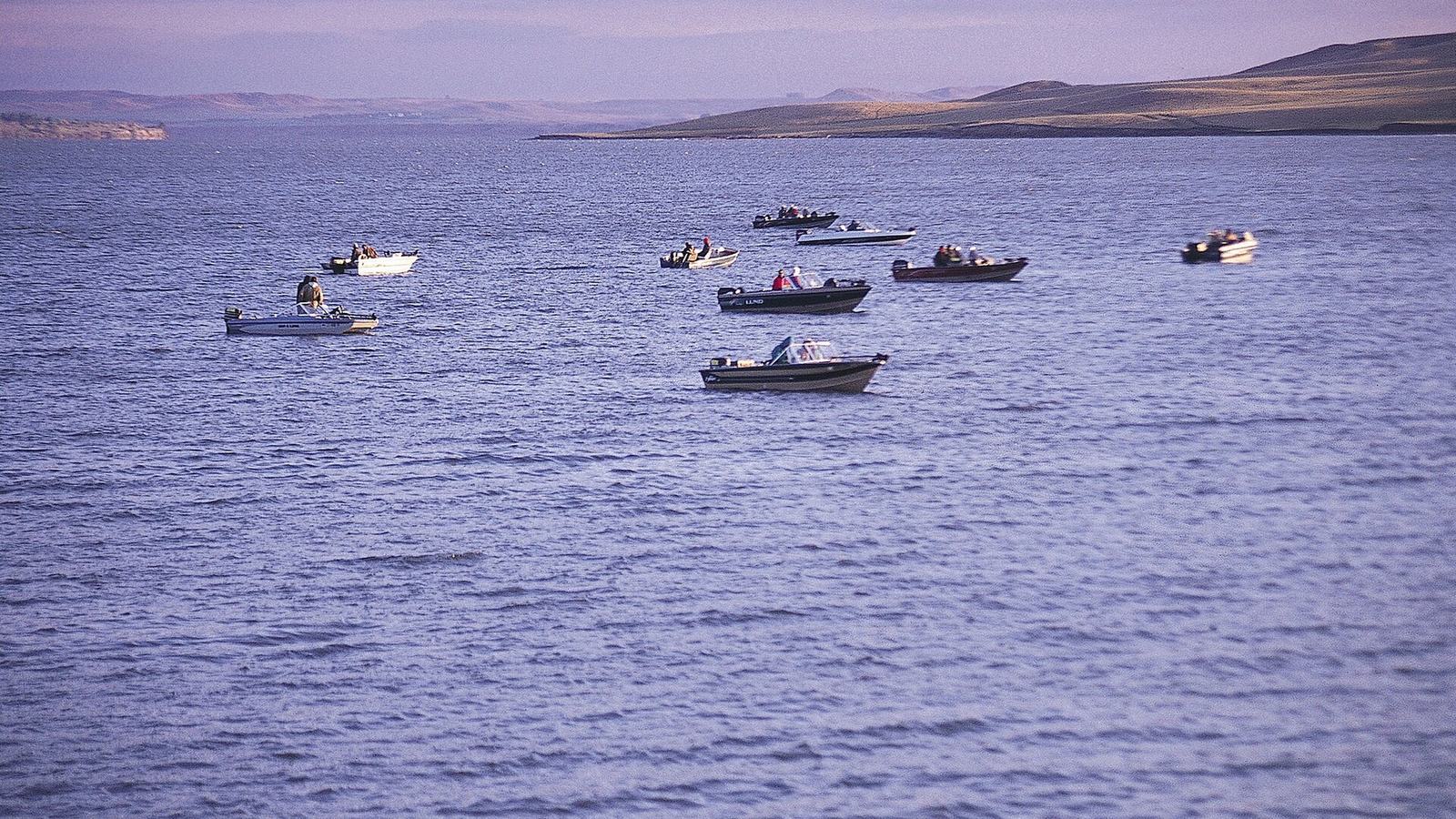
Lake Oahe extends along the Missouri River through South Dakota and into North Dakota, combining open prairie landscapes with a vast body of water used for fishing, boating and quiet wildlife observation. The U.S. Army Corps of Engineers describes it as the fourth-largest reservoir in the United States, with dozens of recreational areas and a.
A reservoir that deserves a local plan
Lake Oahe extends along the Missouri River through South Dakota and into North Dakota, combining open prairie landscapes with a vast body of water used for fishing, boating and quiet wildlife observation. The U.S. Army Corps of Engineers describes it as the fourth-largest reservoir in the United States, with dozens of recreational areas and a shoreline extending for many hundreds of miles. That scale can be attractive to owners of small motorboats, but it is also the first reason to approach a visit cautiously. A trip planned around one suitable launching area will be more manageable than an attempt to experience the whole reservoir in a weekend.
The southern section near Pierre is a logical point from which to begin exploring the lake and its surrounding country. State and federal recreation facilities provide access, although the precise services, ramp conditions and seasonal operating arrangements vary. The reservoir is not a single marina complex with all amenities in one place. For a newcomer arriving with a trailer boat, confirming the intended ramp and checking the forecast are the foundations of an enjoyable day.
Understanding the Oahe Dam setting
Oahe Dam lies just upstream of Pierre, creating a recognisable landmark and a convenient place to learn about the reservoir's water-management role. The U.S. Army Corps of Engineers maintains a visitor centre on the dam's eastern crest, with interpretation about the region and the dam's construction. The wider landscape also contains traces of the area's long human history, including the Missouri River communities whose lives have been shaped by the reservoir.
It is important to distinguish boating on Lake Oahe above the dam from recreation below it on the Missouri River and adjoining Lake Sharpe. The South Dakota Game, Fish and Parks description of Oahe Downstream Recreation Area concerns water and facilities below the dam, not a launch directly into every part of the reservoir. Visitors should check a map carefully rather than assuming that an attraction named 'Oahe' necessarily provides access to the main lake.
Selecting a launch on the reservoir
The Corps lists a range of recreation areas associated with Lake Oahe, including Beaver Creek, Cattail Bay and Hazelton, with boating access and camping arrangements managed through different agencies. Some sites offer relatively simple facilities, while others have more developed amenities. A first-time visitor should choose a ramp close to the intended cruising area and confirm whether it can accommodate the particular boat and trailer. A long journey to a distant launch can be frustrating if the ramp is unsuitable at the current water level.
Water levels and local maintenance can affect usable access, so a ramp listed in a general recreation brochure is not necessarily available on the day of travel. Contact the relevant park or Corps office before leaving home. Check for any inspection requirements, whether parking is available and how far the boat will have to travel to reach a sheltered part of the reservoir. Simple calls before departure can prevent a wasted drive or the temptation to launch in conditions that do not suit the crew.
A broad lake brings broad weather
The open nature of Lake Oahe means wind can influence a small boat strongly. A forecast that looks acceptable from shore may become uncomfortable when the boat crosses a long reach exposed to waves. The water's scale is one reason to resist planning a day's cruise by distance alone. Choose a route that offers a straightforward return, watch changing weather and identify alternatives should the wind strengthen during the afternoon.
Even a familiar recreational hull should be assessed in the context of its freeboard, passenger load and ability to handle chop. A small open fishing boat can be enjoyable on a sheltered morning, yet inappropriate for a long, exposed crossing when waves build. Owners should not let an engine's maximum horsepower disguise the limitations of the hull. Comfortable boating depends on matching the day's conditions to the whole craft and the experience of the person at the helm.
Wildlife as part of the itinerary
The Corps describes the reservoir and its shorelines as valuable habitat for birds, including bald eagles, waterfowl, piping plovers and least terns. Some species use exposed shores and islands for nesting, making disturbance a particular concern. A small boat allows visitors to observe the landscape quietly, but a nearby nest or group of birds is not an invitation to approach for a photograph. Give wildlife room and follow any temporary closures or posted restrictions.
The most rewarding wildlife observations often happen when the boat is moving slowly and the passengers are prepared to be patient. Binoculars can provide a good view without bringing the boat close to shore. Avoid sudden changes in speed around other people enjoying the water, and keep noise low in areas where wildlife is present. A responsible visit preserves the character that makes the reservoir appealing in the first place.
A family fishing trip with realistic expectations
Lake Oahe supports varied angling opportunities, including species such as walleye, northern pike and smallmouth bass. It is a familiar fishing destination in the region, but local rules may differ depending on whether a party is fishing in South Dakota, North Dakota or waters subject to tribal jurisdiction. Owners should check current licences, seasons, limits and any specific restrictions with the appropriate management body before launching.
A successful family fishing day need not depend on a spectacular catch. Choose a location suitable for the boat and allow time to learn the water without rushing from one place to another. Keep hooks, knives and loose tackle stowed safely while the boat is moving. Children may need additional help with lifejackets and safe seating, particularly when people begin reaching over one side of the boat to handle a fish. Good preparation makes the outing more enjoyable for everyone.
The importance of fuel and engine checks
On a large reservoir, a breakdown can be more consequential than on a small sheltered lake. Before travelling, inspect the propulsion system, steering, electrical connections and fuel arrangements. The correct fuel allowance depends on the engine, loading, route and wind conditions, so the advertised range of the boat is not a substitute for conservative planning. Owners should retain enough reserve to cope with a detour or a slower return in deteriorating weather.
Take appropriate communication equipment and let someone ashore know the planned route and return time. Mobile coverage may be unreliable around some shorelines and remote bays. An engine that starts confidently at home still deserves a check before departure, including cooling-water flow and any alarm conditions after launch. A brief technical inspection at the ramp is easier than diagnosing a fault while passengers become cold or anxious far from shore.
Respect for communities and land access
Lake Oahe is closely connected to tribal lands and communities along the Missouri River. Different shorelines can be subject to different ownership, access and recreation rules, and visitors should not assume an attractive sandbar or quiet bank is available for unrestricted landing. Check local requirements before approaching a shore for a picnic or to set up camp. A respectful skipper recognises the difference between navigating public waters and entering private or protected land.
The reservoir's history is also significant. Construction of the dam brought major changes to the river landscape and to communities whose homes and cultural sites were affected. A thoughtful visit should acknowledge that context rather than viewing the lake solely as a recreational convenience. Official interpretation and local museums can help visitors understand the region, adding another dimension to a trip that might otherwise consist only of boating and fishing.
A picnic that does not require a long crossing
One of the best uses of a modest recreational boat is a short day combining an easy cruise with a shoreside break at an approved public facility. Choose a launch with suitable parking and picnic options rather than relying on an uncertain landing elsewhere. Bring plenty of drinking water, sun protection, suitable clothing and food that will travel well. In exposed prairie weather, shade and shelter can influence how comfortable passengers feel throughout the day.
Leave the ramp area clear for other boaters and handle rubbish responsibly. If the group wants to walk, explore the relevant designated trails or viewpoints rather than improvising a route across restricted shorelines. A relaxed plan is particularly useful with children or guests who are inexperienced afloat. People enjoy the day more when they know there is a clear way home and no pressure to complete a long itinerary before dark.
Loading and launching without unnecessary stress
A trailer boat brings freedom to explore different sections of the reservoir, but the launch process deserves proper planning. Check the towing vehicle, trailer tyres, brakes where fitted and securing straps before departure. At the ramp, prepare the boat away from the launch lane, including safety equipment, lines and any required drain plugs. Once the vessel is ready, launch efficiently and move to a safe waiting point so other owners can use the facility.
Retrieval deserves equal care. A crosswind can make the approach to a trailer challenging, and passengers should know where to stand rather than improvising while the boat is close to the ramp. If conditions are awkward, wait for a safer opportunity or ask for appropriate assistance. Keeping the process calm protects the vessel and reduces conflict at busy public facilities. A successful day should finish with the boat secured correctly for the drive home.
Keeping the water healthy
Owners who move boats between lakes must be mindful of aquatic invasive species. Clean, drain and dry the hull, livewell, bilge and trailer according to applicable state requirements, and follow any local inspection procedures. Even a boat used only for a few hours can transport unwanted organisms if water remains trapped in fittings or compartments. A careful inspection is particularly important for anglers with tanks and equipment that stay wet after retrieval.
Fuel spills, litter and discarded fishing line also harm the environment and create hazards for wildlife. The simple habit of carrying waste ashore, using designated facilities and slowing near other boaters helps preserve both the landscape and public access. A reservoir shared by many people benefits from considerate behaviour, and small-boat owners can contribute without sacrificing the enjoyment of their outing.
A practical first visit
A sensible introduction to Lake Oahe starts with selecting a developed ramp near the area the family wishes to experience, checking current water and weather conditions, and planning a modest local cruise. It is helpful to leave time for a visit to the dam interpretation area or another approved shore attraction rather than treating the day solely as an exercise in covering distance. The size of the reservoir rewards repeated trips, each focused on a different stretch.
The best small-boat days here combine a sound hull, realistic fuel reserves, clear responsibilities and the willingness to change plans when conditions shift. Prairie views, fishing opportunities and wildlife can all be enjoyed without making an ambitious crossing. With appropriate planning and respect for local communities and protected habitats, Lake Oahe offers a distinctive way to experience the upper Missouri River landscape at a human pace.
Official information: South Dakota Game, Fish and Parks; U.S. Army Corps of Engineers. Boats on Lake Oahe, Federal Highway Administration National Scenic Byways Programme / NARA archive 7720609; public-domain photograph. An archived scene, not current launch conditions.