
Discover Lake Neusiedl in Austria with a small dinghy or paddle craft, taking shallow water, wind, reed habitats and seasonal ferry operations seriously.
A lake made for an unhurried small craft
Lake Neusiedl, or Neusiedler See, is one of central Europe’s distinctive small-boat settings. Rather than high mountains enclosing deep water, it offers a broad, comparatively shallow lake, extensive reed margins and a sailing culture built around the wind. Burgenland’s tourism authority highlights sailing, surfing, kiting and paddling among its popular activities. That does not mean every section is equally suitable for a visitor with a trailer-borne dinghy. The same shallow water that appeals to some learners can produce practical limits for a deeper centreboard, while wind over an open fetch can make surprisingly uncomfortable waves. Think in terms of a compact route between verified access points, not a spontaneous expedition into every distant corner.
Begin with depth and local information
The lake’s depth is a defining part of its character. Regional tourism information describes an average depth of roughly one and a half metres, a broad-brush figure that cannot tell a skipper what lies beneath a particular bow today. Water levels vary, and the network of access channels through reeds can determine whether a marina or harbour is usable. Obtain current local depth and access advice from a marina, sailing school or waterway operator before committing to a launch. A centreboard boat may need to raise its board in some approaches; an outboard propeller is not made safe merely because the lake is traditionally used by sailing craft. Never use an average depth as a substitute for local knowledge.
Why dinghies make sense here
A small sailboat puts the lake’s central attraction—the wind—at the heart of the day. Dinghies are easier to rig for an afternoon than large cruising yachts, and a locally rented training boat can be appropriate when the skipper wants a short lesson rather than a demanding passage. Burgenland Tourism lists schools around the lake for beginners and more advanced sailors. That makes instruction a sensible first-day activity for someone unfamiliar with regional conditions. Ask whether a school’s boats and permitted areas suit children or novices, whether a rescue boat is operating and which wind range is acceptable. A lesson can be a good holiday outing without the burden of towing and launching a private boat abroad.
Rust as a shore base
Rust’s historic town and lakeshore facilities make it a natural base for a sailing visit, but its appeal is not proof that every reed-fringed opening is an authorised approach. Choose a recognised harbour or sailing centre and confirm operating arrangements directly. Make time to walk ashore: compact boating holidays become richer when the crew learns a little about the community rather than racing from one waypoint to another. A short morning sail followed by a town visit may be more rewarding than staying afloat while the breeze deteriorates. If using a local slipway, ask about access charges, storage and whether visiting trailers are accepted. Keep shore logistics settled before the rig is hoisted.
Podersdorf and the open horizon
Podersdorf is another name associated with the lake’s watersports culture. Its open horizons and active sailing scene are appealing, particularly to crews who want to watch different sailing styles from shore before deciding what to try. They also remind visitors how exposed an inland lake can feel when the wind is established. Check wind direction relative to your planned return: drifting away with an easy breeze is not a reliable measure of how much work it will take to get back. Beginners should remain within the limits set by local training operators. A shore observer can often learn more about the day’s actual conditions than a skipper studying a forecast indoors.
A reed belt is not an invitation to explore
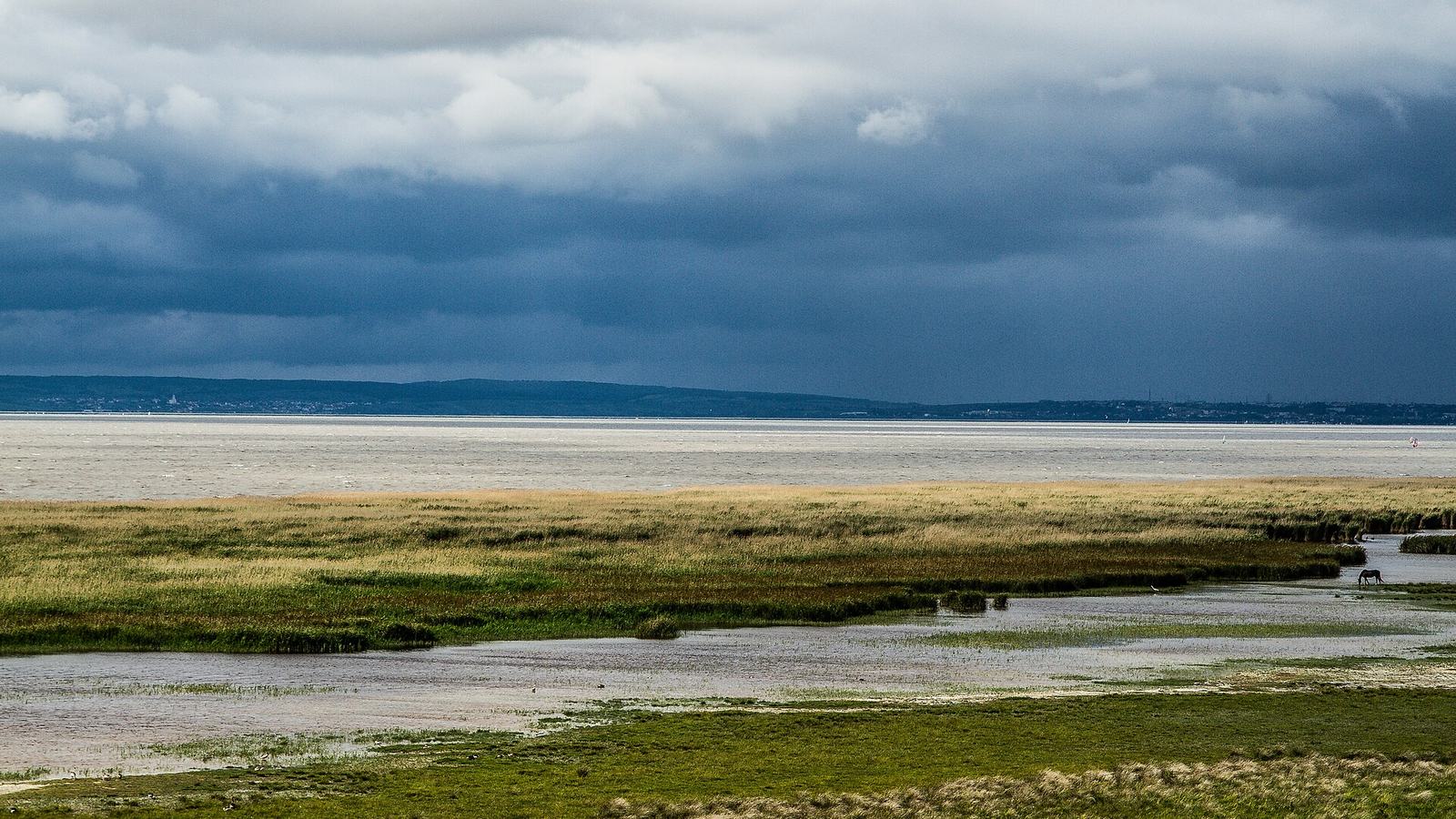
The broad reed margins are part of what makes Neusiedl special, both visually and ecologically. The national-park and protected-area landscape deserves respect from small craft precisely because a kayak or shallow-draught boat can approach places inaccessible to larger vessels. Stick to recognised channels and lawful routes; do not push through reeds simply because the water looks navigable. Birdlife may use quiet shallows for feeding or nesting. Keep distance, avoid loud music and treat a remote, sheltered bank as habitat rather than a convenient place to land. A striking photograph of reeds is best taken without disturbing the birds or plants in front of the camera.
Wind and shallow-water chop
Shallow water does not guarantee gentle sailing. A fresh wind can create short, steep waves that are uncomfortable for a lightly loaded dinghy and tiring for a paddler. Crews used to sheltered rivers should not assume they can safely cross open sections because the opposite shore is visible. Watch the weather before rigging, identify a route that leaves the return manageable and carry clothing for spray and sudden temperature changes. For sailing dinghies, capsize recovery should be practised in controlled conditions with suitable support. A crew that is tired from repeatedly righting a boat may struggle with a long return. Choose the outing for the least experienced sailor aboard.
Water levels affect commercial crossings too
Burgenland’s official ferry information warns that lake crossings may be cancelled or restricted in bad weather and when the water level is too low. This is useful indirect evidence of how sensitive the lake is to changing conditions, but ferry operations and private dinghy permissions are separate matters. Do not assume that a scheduled route is available to your craft, or that a commercial service can serve as an emergency pickup. Check current ferry times only if you plan a separate passenger excursion. A day combining a short sail with a ferry crossing can be enjoyable, but the timetable, weather and individual operators all need confirmation.
Make room for different watersports
The lake supports a mixture of sailing, windsurfing, kitesurfing and paddling. Each uses wind and space differently. A small motor launch that accelerates without looking upwind can unexpectedly meet a fast-moving board or kite. Dinghy sailors should allow ample room around instruction groups and avoid drifting into areas set aside for other activities. Identify designated zones and the local rules at the shore before going afloat. Do not use general boating etiquette as a reason to ignore marked restrictions. The quieter and more predictable your movements, the easier it is for beginners and experienced watersports users to share the same reach.
The boat to bring, hire or leave at home
A dinghy with manageable rigging, a kayak suited to wind-driven chop or a locally approved small electric craft may be practical choices, subject to the lake’s specific rules. A deep-keeled boat expecting generous clearance everywhere is a poor assumption, and a powerful outboard is not automatically a useful way to explore protected, shallow waters. Check restrictions on propulsion, launching and navigation with the appropriate local authority or harbour before travelling. If visiting for only a day or two, hiring from a reputable sailing school can reduce both environmental risk and the frustration of finding an unsuitable slipway. Ask about safety cover, personal equipment and permitted sailing area.
A family itinerary with two speeds
A family with mixed interests can split the day between a carefully chosen short boating session and shore exploration. Start at a recognised watersports centre, watch the actual conditions and allow time for an instructional sail or controlled paddle. Return before the weather deteriorates, secure equipment properly and use the remaining hours for Rust, Podersdorf or a designated lakeside walk. This avoids the common holiday mistake of turning one boat outing into an endurance test for children. Carry drinking water, sun protection and warm layers, even if the shore seems mild. A successful trip leaves everyone wanting to return rather than wishing they had come back an hour earlier.
Seasonality is practical, not just scenic
Tourism descriptions naturally celebrate summer activity, but available services, ferry operations and sailing-school opening times vary by season. The fact that a lake is a year-round landscape does not make all its leisure infrastructure year-round. Book or confirm equipment hire before travelling, especially outside peak months. Morning may offer gentler conditions on one day, but no universal time-of-day rule can replace a local forecast. If wind is unsuitable, plan a shore visit instead of trying to force the boat outing. For someone arriving with their own craft, check where to store rigging and a trailer if the day becomes a non-sailing day.
Environmental and cultural context
Lake Neusiedl is part of a wider borderland landscape that extends towards Hungary and includes protected nature. The lake is not merely a surface for recreation; it has ecological, cultural and working-waterway dimensions. Learn why reed habitats are important and observe any signs about protected zones or seasonal restrictions. Visitors should avoid discharging waste, disturbing wildlife or dragging equipment through vegetated shallows. If the crew is tempted to anchor in an apparently empty patch, first confirm that the location is safe, permitted and clear of habitat. The gentler footprint of small craft is only an advantage when the people aboard choose to make it so.
Navigation without invented certainty
A travel article cannot certify that a particular reed channel or ferry corridor is currently passable. Water levels, local rules and access arrangements need current confirmation at the chosen launch. Carry an appropriate navigation aid and keep a clear record of where the boat entered the water; the low shoreline may provide fewer obvious landmarks than an alpine lake. If visibility closes in, do not improvise a shortcut through reeds. Keep communication with someone ashore and set an early return limit. Local sailing organisations and harbour operators have practical knowledge that no static guide can replace, especially for a first visit.
What to check before launching
Review the Burgenland Tourism water-sports and lake pages, obtain a current weather forecast, and ask the intended marina or school about access, depth, zones and any local restrictions. If using ferries for the shore portion of the trip, verify the current timetable and any weather or level-related cancellations. Ensure the craft’s safety gear is suitable for the actual exposure. A prospective skipper should be ready to replace the outing with a shoreside plan if the lake is too shallow, too windy or otherwise unsuitable. That flexibility is not a disappointment; it is how the lake’s character remains enjoyable rather than hazardous.
Why it belongs on a small-boat itinerary
Lake Neusiedl rewards attention to conditions and place. Its reed-fringed margins, broad sky, active watersports communities and accessible shore towns offer a strong sense of identity even within a short outing. The most successful visit may involve just a few miles in a dinghy, a lesson from a local school and a walk through Rust as the light changes. There is little virtue in covering more distance when the water is shallow and wind-dependent. Bring a small-boat mindset—prepare well, travel modestly, observe carefully—and the lake offers far more than another destination name on a sailing list.
Sources and photograph credit
Verified sources: Primary source: Burgenland Tourism; Burgenland sailing and watersports information; Official ferry and seasonal cancellation guidance; Burgenland sailing school listing. Photograph: Nationalpark Neusiedlersee-Seewinkel südlich von Podersdorf.jpg, Valios1988, Wikimedia Commons, CC BY-SA 3.0 AT. Archival photograph resized for the website.

Source
Burgenland Tourism