
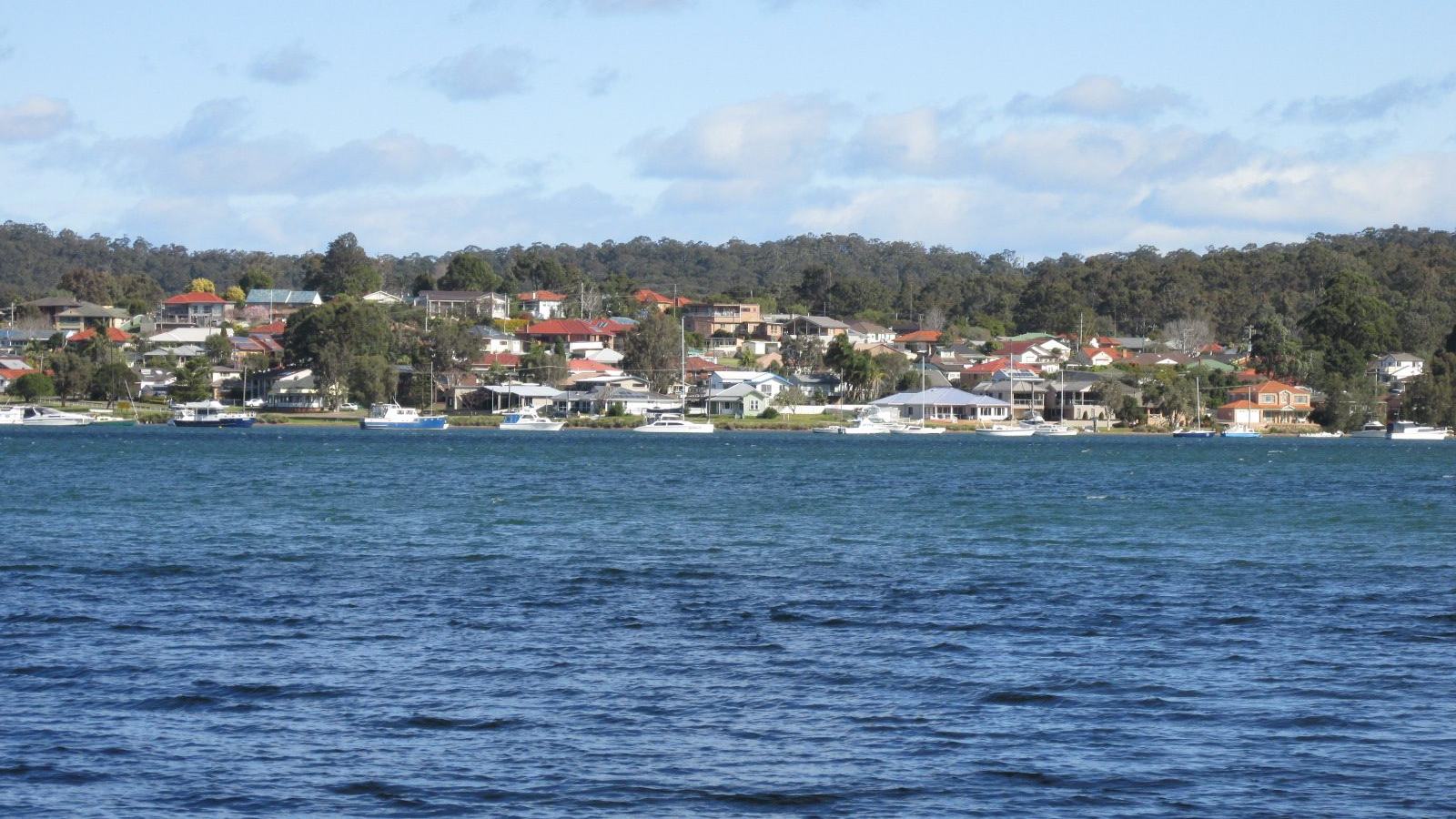
Discover Lake Macquarie's inland saltwater boating at a relaxed pace, with Swansea Channel cautions, official maps, Belmont, Speers Point and habitat-friendly anchoring.
An Australian lake with a coastal character
Lake Macquarie is a remarkably broad saltwater playground connected with the coast near Swansea. The NSW Government describes it as the state's largest coastal saltwater lake, with an exceptional variety of seagrass, mangroves, rocky shore and open water. For small motorboats, fishing boats, sailing dinghies and cabin cruisers, that combination makes it a rewarding destination without requiring an offshore itinerary. The lake is large enough for a day to feel adventurous but has enough bays and nearby towns to encourage measured plans. Its scale, however, should not be confused with simplicity. Shallows, marked channels, bridge arrangements, local speed restrictions and weather all matter. Transport for NSW publishes a dedicated boating map, while Marine Rescue Lake Macquarie maintains practical waterway guides. Start with current official navigation material, then choose a day that fits the craft and the crew rather than trying to cover the whole lake.
Begin with the right waterway map
An overview of Lake Macquarie may look like one great expanse of blue. The NSW boating map shows a more complicated reality of navigation marks, ramps, restrictions, access points and cautions. It is essential to understand which parts of that water suit the boat's actual loaded draft, especially around shoal edges and narrow approaches. The map should be paired with current local notices and an electronic or paper chart appropriate to the journey. Do not plan a shortcut simply because another boat appeared to cross it or an aerial photograph shows smooth water. In unfamiliar shallow areas, slow down, monitor depth and maintain enough room to turn. A child helping to recognise navigation marks can make the exercise engaging, but a competent adult remains responsible for all decisions. Good information makes the route feel freer because the skipper is not guessing what lies beneath.
Swansea is a gateway with complications
Swansea is one of the most recognisable names around Lake Macquarie because the lake connects to the sea through its channel and entrance. That is not an invitation to make an unplanned bar crossing. Coastal bars can be dangerous even to experienced crews, and the conditions outside can differ sharply from those on the lake. Transport for NSW publishes information on bridge arrangements and coastal-bar safety; consult the latest official requirements if the plan involves the Swansea area. A small-boat holiday can be complete without leaving the enclosed waters. If arriving from the sea is genuinely intended, the boat and skipper need the equipment, knowledge and real-time conditions to justify that passage. Do not rely on a destination guide, an old video or a casual statement that the channel is usually manageable. A safe lake outing is an entirely legitimate plan in its own right.
Belmont and the active eastern shore
Belmont is a useful visual and practical landmark on the lake's eastern side, with a strong boating and sailing association. That makes it lively, but it also means there may be race fleets, training dinghies, fishing craft and marina traffic to consider. Before planning a stop, check which berths or facilities welcome visitors, what their current charges are and whether access is available for the boat's size. Do not use a club pontoon or slipway without permission merely because it is convenient. On the water, keep clear of racing marks and give sailing craft room to manoeuvre in confined areas. A low-wake approach protects people preparing boats on the shore. For a visiting family, watching a local sailing activity from an appropriate distance can be as enjoyable as a longer motorboat run, and it encourages appreciation of the waterway as a shared place.
Speers Point and the western perspective
Speers Point gives another view of the lake, different from the more exposed open reaches. The waterfront is associated with recreational use and sailing, and a short passage towards this part of the water can offer a change of scenery without requiring an offshore trip. But shore facilities, swimming areas and club access are not interchangeable. Confirm a lawful visitor landing or berth before treating a park or jetty as an automatic stop. Slow near boats on moorings and maintain lookout for paddlers or children using the water close to shore. If there is no suitable landing, the view from a safe, charted position is still worth enjoying. An open dayboat can make a gentle half-day out of such a circuit, provided it has adequate fuel, communications and a comfortable return route in the forecast wind.
The lake's size creates real weather
Large enclosed waters can develop a steep and tiring chop when the wind blows across a long fetch. A sheltered launch ramp may be calm while the middle of Lake Macquarie is uncomfortable for a lightly loaded small boat. Check the forecast, local observations and any warnings before departure. Set a practical wind and wave limit based on the vessel and the least experienced passenger; then honour that limit even if other boats are going out. A sailing dinghy may enjoy conditions that would be unpleasant for a flat-bottomed motorboat carrying children. If the day becomes gusty, shorten the crossing or return to a suitable sheltered area before tiredness becomes a factor. Pack sun protection and warm clothing, because spray and wind can change the crew's comfort quickly. A successful family holiday requires more than an engine that still has power left.
Public ramps are not all equal
The area's public launching options are a genuine advantage for trailer owners, but facilities differ in surface, depth, capacity, parking and accessibility. Marine Rescue Lake Macquarie publishes a boat-ramp list and warns that the status of some locations can change during works. Check the current position with the responsible council or facility before towing a boat across the region. Prepare the vessel away from the water: secure the drain plug, check the engine and fuel, arrange safety equipment and agree who will handle the boat while the trailer is parked. A ramp with a crosswind or insufficient depth at the planned time can be unsafe regardless of how convenient it looked online. Allow recovery time before dusk and have another option if the chosen ramp becomes unavailable. Good planning saves the crew from a hurried and stressful end to the day.
Moorings and anchoring require care
Lake Macquarie has numerous bays where a small boat may be tempted to pause for a swim or picnic. A quiet appearance is not proof that anchoring is lawful or environmentally suitable. NSW mooring guidance distinguishes private, public, emergency and other buoy types, and a vacant mooring should never automatically be taken. Use authorised facilities where available and check any size or time restrictions. When anchoring, choose a permitted location with suitable depth and ground tackle, leaving navigation channels and other users clear. In particular, avoid damaging seagrass beds with an anchor or chain. The NSW environment agency identifies extensive seagrass and other habitats within the lake, so the seemingly empty shallows may be ecologically important. If uncertain about a spot, continue to a known safe location rather than forcing a pause in sensitive water.
Protected shores are not casual landing places
The Lake Macquarie State Conservation Area provides an important natural dimension to the waterway. NSW National Parks describes boating and nature watching among the area's attractions, but its visitor information also highlights access arrangements for particular points, including places where contacting a responsible centre is appropriate. Do not assume that every wooded shoreline permits landing, fires, camping or entry to adjacent property. Consult the park's official guidance for the exact location and activity. A small boat can offer excellent views from the water without disturbing fragile vegetation or local wildlife. Keep clear of marked conservation restrictions and take all rubbish back to a designated facility. Responsible visitors appreciate that nature protection is what keeps the lake interesting over generations, and that an unoccupied beach is not necessarily an invitation to pull the bow ashore.
Fishing with the whole family
Fishing is a natural part of Lake Macquarie's small-boat culture, especially for crews who prefer a simple runabout and a couple of hours in a sheltered bay. Yet a pleasant outing requires more than a rod and bait. Check the current NSW recreational fishing licence or fee rules, permitted species, size and bag limits, and any local restrictions before departing. Keep hooks and knives safely stowed around children, avoid trailing lines near other boats and dispose of unwanted line responsibly. If fishing from an anchored craft, make sure the boat is not obstructing a navigation channel or disturbing sensitive habitat. A family day can be successful even without a catch: the process of learning about tides, birds and the surrounding landscape is itself an education. Treat the lake as a living estuary rather than a limitless store of fish.
Courtesy is the most useful skill
Speed and wake management matter wherever dinghies, paddlers, anchored fishing boats and cruisers occupy the same water. Slow down early near marinas, ramps and mooring fields, and do not rely on a last-second throttle reduction to eliminate a wake that is already moving. Give boats under sail room, watch for tow sports and stay alert to swimmers in designated areas. When overtaking, make intentions clear and leave generous passing distance. A small leisure boat may feel insignificant on such a large lake, but its wake can rock a rowing craft or disturb a family at a jetty. Good courtesy also applies on land: avoid blocking ramps while loading and leave parking spaces, bins and wash-down facilities as you would hope to find them. These habits protect access for everyone.
The importance of a shore contact
Before leaving the ramp or berth, tell someone reliable where the boat is expected to operate and when the crew should be home. Carry working communications appropriate to the waterway, understand how to reach local marine rescue support and check that the battery and engine are reliable. Marine Rescue Lake Macquarie offers regional information on channels, ramps and boating conditions that can help with preparation. This does not replace weather checks, navigation skill or official instructions. Keep safety equipment accessible, including lifejackets fitted to every passenger, first aid and anchor gear suitable for the vessel. If the motor fails, the priority is to keep people safe, avoid drifting into hazards and call for assistance with a clear position. The planning work is modest compared with the relief of already knowing what to do if a small problem occurs.
Two easygoing days instead of a grand circuit
A first day might focus on familiarising the crew with the charted waters near the launch, followed by one manageable run towards Belmont or a suitably sheltered bay. Leave ample time for a safe return and an authorised shore meal. The second day can follow a different section of the lake, perhaps taking in views towards Speers Point or a park shoreline from a respectful distance. The choice should depend on the weather and the boat's draft, not on a desire to achieve a certain number of kilometres. There is no need to cross the entrance bar or attempt every bay in a weekend. Maintain an alternative route and a clear latest-return time. These are broad holiday ideas, not navigational instructions; current charts, official restrictions and local advice determine the actual track.
Why Lake Macquarie suits small boats
The lake's variety is its real strength. Its broad water gives a sense of escape, its towns provide useful services and its natural edges remind crews they are travelling through a living estuary. Small boats can experience that range without pretending to be offshore cruisers, provided the skipper plans within the limits of the craft. The NSW map, current ramp information, cautious weather judgement and appropriate mooring arrangements are more important than an ambitious route. Take time to watch the sailing craft near Belmont, appreciate the western light at Speers Point and give seagrass habitats and wildlife a wide margin. A modest boat can deliver a very rich day when every passenger feels safe and free to enjoy the view. That, rather than distance or speed, is what makes a place worth returning to.
Sources and picture credit
Primary official guidance: NSW Government Maritime. Further official references: reference 1; reference 2; reference 3; reference 4.
Lead photograph: Orderinchaos / Wikimedia Commons, CC BY-SA 4.0. Image resized and recompressed for web publication; original licence retained.

Source
NSW Government Maritime