
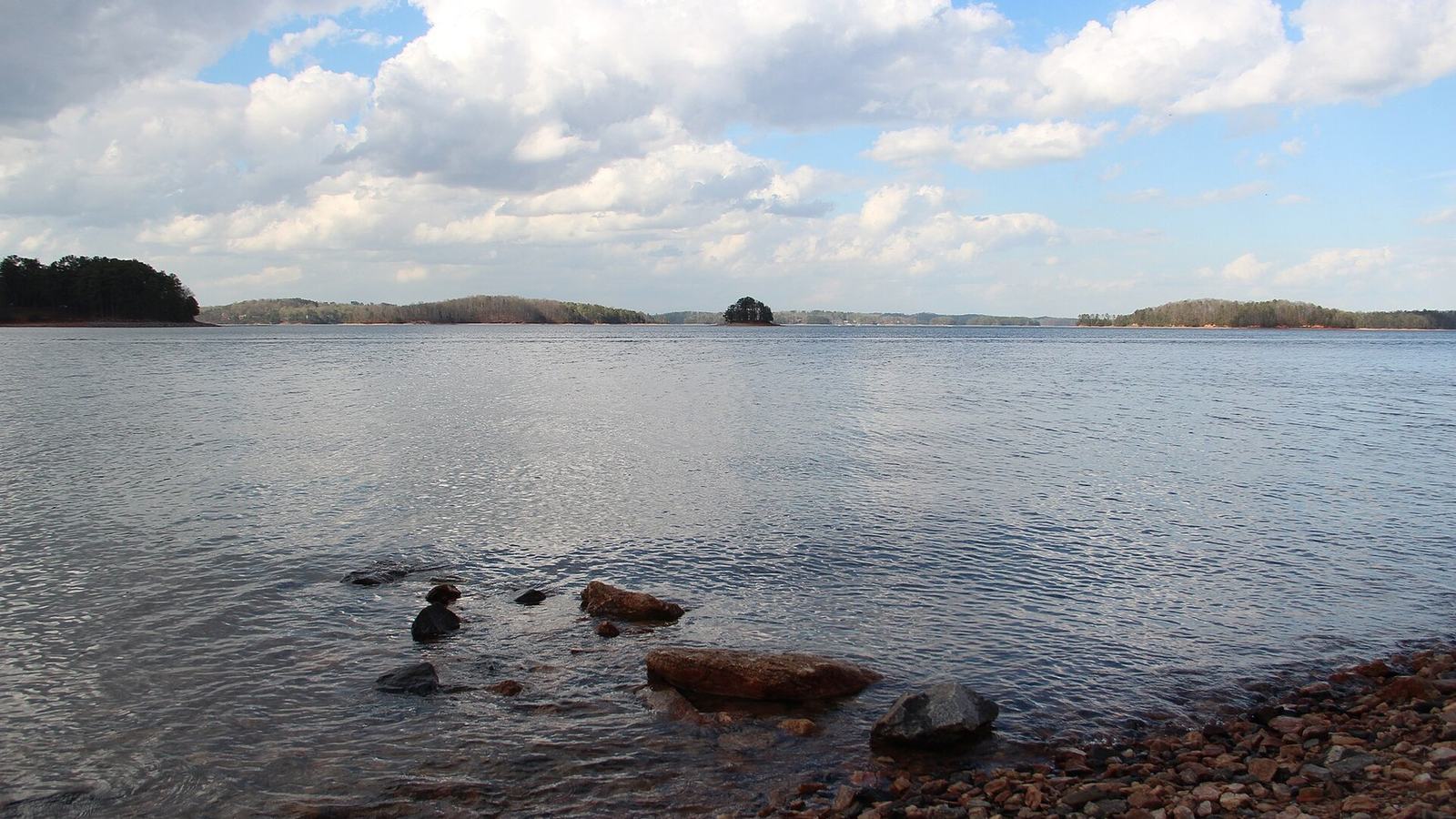
A family-friendly guide to Lake Lanier’s Olympic Park near Gainesville, explaining the 1996 canoe and rowing heritage, paddling opportunities and current-access checks.
Lake Lanier in northern Georgia has a special place in canoeing history: its Olympic Park hosted the rowing and canoe-kayak competitions at the 1996 Atlanta Olympic Games. Decades later, the former competition venue remains part of the lake's recreational landscape, combining paddling facilities with public spaces, a beach and picnic opportunities. For families and small-boat enthusiasts visiting the Gainesville area, this is an appealing chance to experience a lake where organised paddlesport has a genuine sporting legacy. But the presence of an Olympic course does not mean a visitor can launch at any time or enter every part of the venue. Current access, club activities and ordinary boating safety rules still govern a successful day.
The story behind the Olympic venue
The official Discover Lake Lanier tourism organisation identifies Lake Lanier Olympic Park as the location of the 1996 Centennial Olympic Games rowing and canoe-kayak competitions. The site was built for that event and continues to support activities connected with its original purpose. The surviving timing tower is a distinctive reminder of what happened here, although the venue has evolved into a broader recreational destination. A visitor can appreciate the history even without taking part in competitive sport. The important distinction is between a managed paddlesport venue and a general open launch: different parts of the facility may be reserved for training, events or other organised use.
A practical base near Gainesville
The Olympic Park sits in the Gainesville area, which makes it a convenient focus for visitors exploring the northern reaches of Lake Lanier. Rather than attempting to see the entire lake in one excursion, a family can begin by learning what the park currently offers and how to access it. The tourism information lists a beach, picnic areas, boat ramp and facilities for rowing and canoe-kayak activities. These amenities create options for people with different interests, but the details of entry, parking and permitted water access should be confirmed before arrival. A planned half-day is often more comfortable than an ambitious attempt to cover every nearby inlet.
Canoeing as a living local tradition
The Lanier Canoe and Kayak Club is associated with the lake's continuing paddlesport heritage, promoting the sport beyond the Olympic anniversary. For an interested visitor, a club or organised provider may offer a route into learning about local paddling opportunities, though lessons and access should be confirmed rather than assumed. Training craft, touring kayaks and family canoes are designed for different purposes. A first-time paddler should not expect to handle a narrow racing kayak as easily as a stable recreational boat. Learning about the equipment can be part of the enjoyment, particularly for children who have seen competition paddling on television but never experienced it on the water.
The difference between racing and sightseeing
Flat-water canoe and kayak competition is concerned with technique, speed and efficient movement across a defined course. A family holiday paddle is usually about a different set of pleasures: watching the shoreline, practising basic control and sharing time outdoors. The Olympic setting connects those worlds without requiring a casual visitor to imitate an athlete. A recreational kayak may be better suited to a short shoreline outing, while a racing craft generally demands more experience and balance. The value of the venue is that it reminds visitors how much skill lies behind paddlesport while providing a broader lake environment for responsible boating.
Access to the water must be confirmed
A destination page may list a ramp or water facility without describing every present-day restriction. Before bringing a privately owned canoe, check whether public launching is permitted at the exact location, whether a fee applies and whether training or a scheduled event affects access. A beach for swimmers is not necessarily an appropriate place to launch a kayak. A visiting motorboat owner will have different needs from someone carrying a lightweight craft on a roof rack. Checking the responsible park authority and current notices in advance can prevent a long drive ending in frustration. The correct access point is as important as the chosen boat.
Boat ramps and mixed traffic
Lake Lanier has substantial motorboat use alongside paddling and rowing activity. A small kayak or canoe sits low in the water, making it less visible to the operator of a faster vessel. A visitor should avoid busy ramp approaches and launch only from an appropriate area where the crew has room to prepare safely. On the lake, keep a good lookout, understand right-of-way rules and stay clear of boats turning or backing near docks. Even when everyone behaves responsibly, wake can make an exposed canoe unstable. A quieter route and a well-timed departure are generally more enjoyable than crossing a main traffic area simply to reach a distant viewpoint.
A lake that is larger than the park
The Olympic Park is only one element of a substantial reservoir with numerous coves, shorelines and separate recreation facilities. Visitors should not assume that rules or amenities at one location apply everywhere. The Discover Lake Lanier tourism organisation maintains information about other lake parks, boat ramps and access points, which can help a traveller select an appropriate place for the planned activity. Each area may have its own parking, admission or seasonal arrangements. A family wanting a simple picnic and short canoe outing might value different amenities from an angler towing a fishing boat. The best choice starts with the activity rather than the most famous name on the map.
Why weather remains important on flat water
The term flat-water paddling refers to a sporting discipline, not a guarantee that lake conditions will always be calm. Wind, thunderstorms and passing boat wakes can create risks for a small craft. A paddler should check the forecast, observe conditions at the launch and choose a route that allows a comfortable return. Georgia's warm summers can bring strong sunshine and sudden weather changes, so extra drinking water and a conservative schedule are sensible. If conditions deteriorate, a crew should return to shore rather than try to complete its original distance. The lake's sporting history is inspiring, but ordinary safety judgement remains more important than any plan.
Lifejackets and confidence in the boat
Every person aboard a small craft should have suitable personal flotation equipment, worn correctly as good practice. Children require carefully fitted equipment rather than an adult lifejacket tightened as far as possible. Before launching, the crew should know how to board safely, remain balanced and respond to an unexpected capsize. A canoe may feel stable when empty at the beach yet handle differently when several passengers and bags are aboard. Keep equipment secured and avoid overloading. A short lesson in paddling technique can make the experience far more relaxed, allowing the group to enjoy the lake rather than struggle with steering during the entire outing.
Watching organised training respectfully
A visit may coincide with rowing or canoe training, offering the chance to observe athletes practising the precise movement required for their sport. Such activity deserves space, especially when boats are travelling quickly or coaches are supervising a session. Recreational paddlers should not enter a marked training area or follow a racing boat closely for photographs. Ask staff or club representatives where visitors may safely watch and whether special events affect access. For a family, the opportunity to see skilled paddlers can be educational without needing to interfere. The site is a living sports venue, and treating it as such helps everyone share the water comfortably.
The Olympic timing tower
The timing tower is among the venue's enduring physical connections to 1996, and the tourism organisation highlights its survival as a special feature. From the shore, it provides a focal point for appreciating the history of the competition. Visitors may want a photograph or a closer look at the broader park, but access to individual structures should follow current site rules. A landmark is not necessarily a public building that can be entered. The story behind the tower can make an afternoon more meaningful, especially for travellers interested in engineering or the development of paddlesport. The history is worth appreciating without turning the visit into an unsupervised tour of operational areas.
A beach day as an alternative
The park's advertised beach and picnic facilities mean a visit can work for a group in which not everyone wants to paddle. A relaxed afternoon ashore may suit young children or older family members, particularly when wind makes the water less suitable for a small boat. Check whether swimming is permitted and supervised at the time of the visit, and keep water activity separate from any boat launch or traffic area. Shade, drinking water and awareness of changing weather are important even for visitors remaining on land. Building an itinerary with both water and shore options reduces pressure to launch when conditions are not favourable.
Planning a family-friendly paddling session
For a first family outing, choose a boat that is comfortable for the least experienced participant and a route that can be shortened easily. Plan the trip around a manageable amount of time afloat, not around how much of the lake appears on a digital map. Children may become tired or cold despite warm weather, and the return can feel much longer when the wind changes. Bring suitable flotation, water and a waterproof way to contact help. Tell someone ashore when the crew expects to be back. A short successful session may encourage a child to try paddling again, which is a better outcome than an exhausting first experience.
The value of learning from local experts
A recognised local paddlesport organisation can help visitors understand which equipment and conditions suit different levels of experience. Asking about instruction, organised activities or visitor opportunities is especially useful at a venue closely associated with competitive sport. The fact that paddlers train here does not mean every person arriving with a kayak can use the same course or facilities. Follow the club's requirements and any restrictions on private equipment. Learning the basics of efficient strokes and controlled turning can make recreational kayaking more enjoyable even for someone with no ambition to race. The Olympic connection provides context; practical skills provide confidence.
Respect for the lake and its users
A well-used recreational lake needs visitors to manage rubbish, fuel, noise and general shoreline behaviour responsibly. Canoeists should avoid damaging vegetation at landing places, while motorboat operators should respect speed and wake restrictions. Do not occupy a dock reserved for another use or leave equipment where it blocks access. Fishing line, plastic packaging and loose items can become serious hazards to wildlife and other boaters. The park's public appeal depends on many people using the facilities without making the experience worse for others. A calm, considerate approach matters as much as mastering the paddle or engine controls.
Seasonal operations and changing access
The venue's current facilities may be affected by organised regattas, construction, seasonal schedules or ordinary maintenance. A visitor should check an up-to-date notice rather than assume access is identical to a photograph taken years before. This is particularly important for travellers planning to launch a boat or attend a specific club activity. Contact the venue or tourist office to confirm parking, entrance arrangements and whether a planned event restricts the water. A public park can still have controlled zones for safety. A flexible day with time for a walk or picnic is less likely to disappoint than an itinerary dependent on an unverified launch.
An Olympic legacy at a small-boat pace
Lake Lanier's Olympic Park brings together a story of international competition and the everyday pleasure of being beside the water. Visitors can learn about the 1996 rowing and canoe-kayak events, see a place where paddlesport remains active and enjoy the lake through an appropriate recreational outing. The sensible way to make the most of it is to confirm current access, select a manageable craft and respect training areas and motorboat traffic. For small-boat families, the experience need not involve fast paddling or athletic ambition. An unhurried canoe trip, a look at the venue and a relaxed afternoon ashore can provide a satisfying connection to Georgia's sporting history.
Sources and photograph attribution
Official destination and boating guidance: Discover Lake Lanier — Official Lake Lanier Olympic Park Visitor Guide. Current access, rules, weather and reservations must be checked independently before travel.
Photograph: Thomson200 — “Lake Lanier, March 2017 2.jpg” (CC0), via Wikimedia Commons. Resized and converted to JPEG for editorial display. Source: https://commons.wikimedia.org/wiki/File:Lake_Lanier,_March_2017_2.jpg. Licence: http://creativecommons.org/publicdomain/zero/1.0/deed.en. Original rights remain with the credited creator or as specified by the source and licence.
