
A practical Waikato kayaking guide to Lake Karapiro, Boatshed Kayaks, Riverside Adventures, guided glowworm experiences, hire decisions and freshwater safety.
A paddling holiday in the Waikato
Lake Karapiro in New Zealand's Waikato region offers the possibility of an active day on sheltered-looking inland water, with a particularly appealing mix of kayaking, organised trips and surrounding countryside. The lake is associated with rowing and recreation, but visitors considering a kayak have several distinctive options. Lake Karapiro's own visitor information directs guests to Boatshed Kayaks and Riverside Adventures Waikato, identifying guided excursions, kayak hire and stand-up paddleboarding among the activities available in the wider area. This is more useful than a vague suggestion to explore the lake: it connects a prospective visitor with identifiable operators who can explain the conditions and equipment.
A travel guide cannot confirm that an individual tour or rental has space on a future date. The sensible first step is to decide whether the group wants a self-guided paddle, an organised experience or an outing that combines water with a land-based activity. Each involves a different level of preparation and experience. The river and reservoir environment also deserves careful attention: a stretch that appears calm from a photograph may have restrictions, hazards or water movement that are not evident to an unfamiliar visitor.
The lake's role beyond tourism
Lake Karapiro is a managed waterbody on the Waikato River, not simply a naturally enclosed recreational lake. That distinction matters to kayaking because a river-linked reservoir can include flows, operational structures and changing conditions. Visitors should confirm which sections are approved for a chosen activity and stay clear of dam infrastructure and other restricted zones. A route that looks attractive on a digital map is not necessarily suitable for a beginner or for a hire craft.
The broader setting around Cambridge adds to its appeal. A short trip can be part of a day exploring the Waikato rather than a remote expedition requiring elaborate equipment. Yet proximity to roads and accommodation should not lead visitors to underestimate water safety. Even a short paddle demands a realistic weather assessment, a properly fitted personal flotation device and a return plan appropriate to the craft and group.
What the Lake Karapiro visitor guide identifies
The official Lake Karapiro visitor information mentions Boatshed Kayaks in connection with guided kayak and paddleboard activities. It also refers to Riverside Adventures Waikato for glowworm kayak tours, bike and kayak hire, stand-up paddleboards and combined trail services. The exact activities, routes and seasonal schedules are determined by the operators, so a visitor should not assume every option departs from the same place or is available at the same time. This is especially important for excursions involving a river as well as the reservoir.
The lake's visitor page is a starting directory rather than a single operator's booking system. Follow through to the provider relevant to the intended trip, ask about skill requirements and establish the meeting location before booking. The difference between a guided glowworm outing and an independent daylight paddle is substantial; both may be enjoyable, but they demand different equipment, supervision and decisions about weather.
Boatshed Kayaks and guided exploration
Boatshed Kayaks' own website describes kayaking and paddleboard outings on Lake Karapiro and nearby waterways. A guided trip can be an attractive first introduction for visitors who want local knowledge rather than immediately planning their own route. A responsible guide can explain where the group will go, how equipment is used and what level of fitness is expected. That can free participants to concentrate on the surrounding scenery without constantly interpreting an unfamiliar waterway.
Before booking, ask whether a particular outing is appropriate for children, beginners or people who have not paddled recently. Confirm the departure point, estimated duration, equipment included and cancellation conditions. The general description of a trip does not establish that it will be safe in every forecast. An operator may alter or cancel an excursion because of wind, river conditions or visibility, and visitors should regard those decisions as part of good practice rather than as a disappointment to be argued against.
Riverside Adventures and the wider river experience
Riverside Adventures Waikato offers another route into exploring the region by small craft. The operator is associated with kayak hire, guided experiences and other outdoor activities. For a visitor staying several days, combining paddling with a cycling or walking activity can create a balanced holiday without turning every hour into time on the water. Nevertheless, a kayak trip that uses flowing water or requires a shuttle is not interchangeable with a leisurely out-and-back on a reservoir.
Ask where the activity starts and finishes and whether return transport is included. A river journey might end somewhere other than its departure point, so the logistics should be settled before the party reaches the water. It is also worth clarifying what happens if weather prevents the trip. A well-organised outing begins with precise information rather than an assumption that every kayak experience near Karapiro follows the same stretch of water.
Glowworm trips require a different mindset
Some of the region's guided kayaking experiences involve viewing glowworms, often in conditions of reduced natural light. This can be memorable, but it adds complexity compared with daylight paddling. A visitor unfamiliar with the route should not attempt to reproduce a commercial evening excursion independently. Light, navigation, group communication and environmental protection require careful planning, and the correct equipment and route are matters for a reputable operator.
The attraction is observation, not approaching or touching a sensitive site. Follow the guide's instructions about lights, noise, stopping and photography. An overly bright torch or camera flash may disturb the experience for other guests or affect the natural setting. A quieter approach allows the group to appreciate the atmosphere without changing it. Book an organised experience if that is the desired activity, rather than assuming any canoe can be launched after dark to reach the same location.
Selecting a kayak for the day's conditions
A recreational kayak, a tandem and a more specialised touring craft behave differently. A wide stable boat may be comfortable for a beginner, while a longer narrow kayak can travel efficiently but require more confidence with balance and manoeuvring. The choice depends on the crew, the weather and the intended route. Guests should discuss their experience honestly with the provider rather than choose equipment solely because it appears fast or sporty.
For a tandem, the two paddlers need to cooperate and remain aware of shifts in weight. Families should consider whether an adult can control the craft if another passenger becomes tired. A solo paddler should know what to do after an unexpected capsize and stay within a route appropriate to their abilities. A brief briefing at the start of a rental can prevent confusion later when a breeze rises or the group meets another boat.
Paddling on a managed waterbody
Reservoir and river conditions require a different sort of attention from those at a small ornamental lake. There may be changing flows, areas influenced by operational structures and places where passage is restricted. Visitors should obtain current instructions from the operator or relevant authority and avoid trying to infer safe access from the appearance of still water. No travel article should give a rigid route where local permissions or conditions can change.
A prudent itinerary begins near a permitted access and keeps the easiest return in mind. If the group intends to enter a section connected with the Waikato River, establish the conditions and whether a guide is advisable. A downstream journey may not be reversible without substantial effort. Staying within recognised, suitable areas makes the day far more enjoyable than attempting to reach a distant point for the sake of a map marker.
Watching the weather before launching
Wind is a major influence on a lightweight kayak or paddleboard. A calm departure can be followed by a hard return if the breeze strengthens or turns into a headwind. Check the local forecast and observe the water at the actual launch before setting off. For an independent paddle, agree on a short, flexible route rather than committing to a long circuit. The group should turn before tiredness becomes the deciding factor.
Do not launch when developing storms, poor visibility or unsuitable water conditions threaten the trip. On a booked excursion, follow the provider's judgment about operating or cancellation. The best holiday plan includes another activity for days when paddling is unwise. Waikato's countryside and nearby communities provide opportunities to enjoy the trip even if the water portion must be moved to a more favourable time.
Clothing and equipment for a comfortable paddle
Every participant should use a suitable personal flotation device and understand how to fit it. Carry drinking water, appropriate sun protection and layers that account for the possibility of getting wet. A dry bag can protect a phone or small essentials, but important communication equipment should remain accessible. On a guided outing, check what the operator supplies and what guests are expected to bring; a rental description alone may not specify everything needed.
New Zealand's changeable weather makes a spare layer worthwhile, especially if the trip begins late in the day or involves a damp return. A visitor may feel warm while walking to the launch but cool rapidly when sitting in a wet kayak. Good footwear should allow safe movement on a slippery or uneven shore without creating an obstacle inside the craft. A comfortable crew can enjoy the surroundings without constant distraction from avoidable problems.
Wildlife and the quiet side of kayaking
One of the pleasures of paddling near Karapiro is the opportunity to move slowly through the landscape and notice details often missed from the road. The wider region supports varied birdlife, and visitors may see species associated with freshwater and river margins. Observe from a respectful distance and avoid steering a kayak toward birds simply to obtain a closer photograph. Leave nests, banks and vegetation undisturbed.
Photography from a kayak should be approached carefully. Secure equipment, keep the boat stable and avoid leaning over the side or blocking other craft. An unhurried scene can be enjoyed without an elaborate camera setup. Sometimes the most memorable moment is simply hearing water against the hull while the group pauses in a safe location and looks toward the surrounding hills.
Planning a family outing around confidence
Families should begin by discussing what everyone wants from the trip. A child's excitement about paddling does not necessarily mean they will remain comfortable for several hours, and an adult's fitness does not guarantee good kayak technique. Choose a route that can be shortened and establish a simple way for anyone to request an early return. If an organised tour has a stated minimum age or ability requirement, respect it rather than seeking an exception.
A supportive first outing may involve a brief introduction to paddling, a short journey and plenty of time afterwards for other activities. Children benefit from clear instructions about sitting, paddling, staying close and what to do if they become concerned. Adults should be prepared to take the slower pace. Success is measured by the group's confidence and enjoyment, not by the distance recorded on an application.
Other users share the water
Lake Karapiro is associated with organised water sports and rowing, so a visitor should not assume that paddlers have the reservoir to themselves. Other craft may move quickly or follow established training routes. Keep a proper lookout, avoid obstructing active sporting areas and follow instructions about where recreational kayaks may operate. A slow boat can still cause danger if it stops unexpectedly in the path of a faster one.
When passing other users, choose clear, predictable movements. Do not drift into a busy approach while photographing the scenery. The right-of-way rules and local controls should be understood before launching; a group that is unfamiliar with them may benefit from an organised outing. Courtesy protects the pleasure of everyone using the same water and reduces the likelihood of minor encounters becoming serious incidents.
An itinerary with room to change plans
A sensible short holiday could begin with a daylight trip arranged through a suitable provider, followed by time in Cambridge or the wider Waikato. On a second day, an experienced group might consider a different guided excursion, while families could simply repeat a short comfortable paddle. There is no need to attempt an evening glowworm experience and a long independent trip on the same day. The landscape offers enough variety without making the schedule exhausting.
Allow travel time to the correct meeting location. Providers around Lake Karapiro may operate from different starting points, and one place on the water should not be assumed to be the beginning of every advertised activity. Confirm directions, parking, equipment and return arrangements in writing where appropriate. A calm arrival and a clear briefing usually make the experience better than a rushed start.
Respecting shore access and the environment
A beautiful stretch of shoreline may be private, protected or unsuitable for landing. Use designated access points and avoid damaging vegetation when moving kayaks to or from the water. Take all litter and loose equipment home, and avoid leaving fishing line or food packaging where it could harm wildlife. If moving a private boat between waterways, clean and dry the hull and gear as recommended to reduce the risk of transporting unwanted organisms.
A guided provider should also be able to explain environmental restrictions associated with its particular route. Guests ought to follow those instructions even when they cannot immediately see the reason for them. A waterway remains enjoyable because users collectively respect its limits. Quiet behaviour and careful access are among the simplest ways for a small-craft visitor to make a positive contribution.
Confirming the correct activity before booking
Lake Karapiro's visitor website identifies Boatshed Kayaks and Riverside Adventures Waikato as providers of water-based activities, and Boatshed's first-party website independently confirms kayaking experiences in the area. These are useful verified leads, not guarantees of a vacant kayak or a tour departing on a particular day. Contact the chosen provider for current schedules, prices, meeting points, weather policies and experience requirements. If renting independently, obtain clear advice about the permitted area and the safest route for the day's conditions.
The lake's attraction is the combination of accessible outdoor recreation and a distinctive Waikato setting. A kayak allows visitors to engage with it at a gentle pace, whether through a supervised introductory trip or a more specialised guided experience. Thoughtful planning, respect for other water users and realistic expectations turn a modest boat into a memorable way to discover the region.
Sources and photograph attribution
Official destination and boating guidance: Lake Karapiro Visitor Services — Things to Do. Current access, rules, weather and reservations must be checked independently before travel.
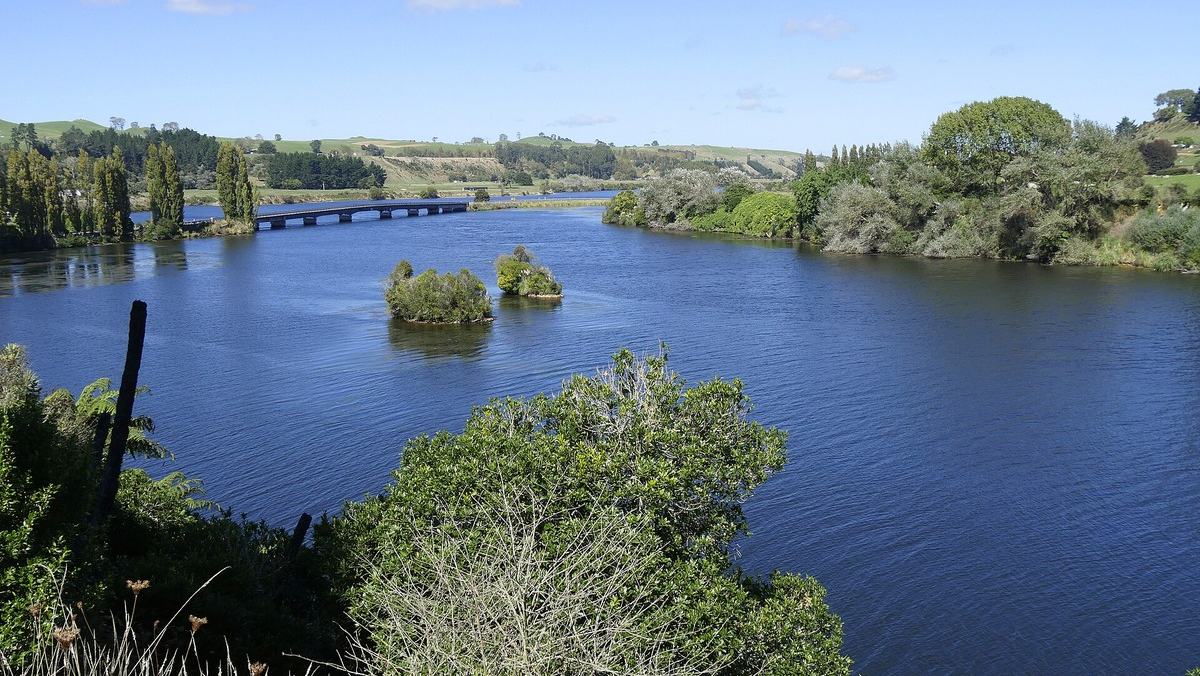
Photograph: Ulrich Lange, Bochum, Germany — “Lake Karapiro with Bridge.jpg” (CC BY-SA 4.0), via Wikimedia Commons. Resized to JPEG 1200×800 for editorial display. Source: https://commons.wikimedia.org/wiki/File:Lake_Karapiro_with_Bridge.jpg. Licence: https://creativecommons.org/licenses/by-sa/4.0. Original rights remain with the credited creator or as specified by the source and licence.
