
Explore western North Carolina's Lake James State Park by kayak, with the two access areas, designated paddle-in camping at Long Arm, boating choices and lake safety.
A mountain-lake holiday built around a small boat
Lake James State Park in western North Carolina has a character different from a busy marina resort. Water, wooded shore and the nearby Blue Ridge landscape make it appealing to visitors who enjoy exploring under their own power. The North Carolina State Parks authority identifies two main park access areas and describes opportunities for boating, swimming and fishing. Its visitor information also covers paddle-in camping, giving an experienced kayaking party a reason to consider more than a brief afternoon on the water. This is not a licence to launch without preparation, however: routes, camping reservations and individual facility status need to be checked directly.
For somebody arriving in a small kayak, canoe or modest dayboat, the strongest approach is to plan from the land outward. Begin by choosing the relevant state park access, identifying which activities it supports and understanding how the boat will be moved between a vehicle and the shore. The landscape may look tranquil, but exposure, fluctuating reservoir levels and changing weather can still make a longer outing demanding. A successful visit is one that matches the craft and route to the actual ability of the group.
Paddy's Creek and the visitor experience
Paddy's Creek is one of the names central to planning a Lake James State Park visit. The official parks authority identifies its access area with features associated with day use, boating and, where available, rental or overnight recreation. It is worth studying the current facility information before travel because the full park is not one continuous waterfront car park. A visitor seeking a beach afternoon, a first kayak lesson or an overnight camp may need a different arrangement from someone bringing a private motorboat.
The best first step is to ask whether the intended activity can begin at the chosen access on that day. After storms or maintenance, parts of a park can reopen at different times. Treat notices and staff guidance as more reliable than an old review or an image showing an unobstructed ramp. Allow time to walk to the lake and see where boats can safely be prepared. An uncomplicated entry is especially important when children or beginners will be taking part.
The Catawba River side of the park
The state park's other principal area is associated with the Catawba River side of Lake James. It offers a different starting point for understanding the landscape and the ways in which people reach the water. The fact that two access areas belong to one state park does not mean the same launch equipment, hire service or camping arrangement is provided at both. Check the official descriptions for each before choosing a departure point, and confirm any current access restriction that might affect a particular vehicle or craft.
It is tempting to choose a launch merely because it appears closer on a road map. A more useful test is whether it enables the day's planned activity with a comfortable safety margin. For a kayaking family, distance between parking and water and the nature of the launch may matter more than the shortest drive. For a small motorboat owner, trailer suitability and permitted operations are essential. Selecting the right access is a decision that determines the quality of the entire holiday.
Kayaking without treating the lake as a race
Lake James is especially attractive to paddlers who enjoy an unhurried connection with the shoreline. A short outing can be arranged around sheltered water and a few visible landmarks rather than around a demanding distance. Paddlers should consider the wind, possible wakes from other craft and the number of opportunities for a safe return. In an unfamiliar reservoir, a long out-and-back may become exhausting when the breeze changes direction. Set a turning point before the trip begins and remain prepared to shorten it.
The experience can be more engaging when the party allows time to drift safely, observe changes in the light and appreciate the surrounding hills. A slow pace does not remove the need for a proper lookout. Avoid active ramp channels, do not approach other boats unexpectedly and keep clear of any restricted area. Someone should take responsibility for navigation while the rest of the group enjoys the setting; this simple division of attention can prevent confusion as the party moves away from the launch.
Paddle-in camping deserves special preparation
One distinctive aspect of Lake James is the park's paddle-in camping, including sites associated with the Long Arm peninsula. This is not the same as pulling a kayak onto an attractive bank and deciding to stay. Official campsites and the associated reservation system determine where a party may camp, what is available and how to use the facilities correctly. The parks authority is the right place to confirm whether rentals are offered for reaching the sites and what bookings, equipment and seasonal provisions apply.
An overnight paddle changes the risk calculation. A kayak must carry extra equipment while remaining stable and manageable, and a late return is no longer a simple option if conditions prevent progress. Pack waterproofly, keep weight low and secure, and protect essential items against immersion. Plan meals, drinking water, waste management and weather shelter without assuming that supplies or services exist at the campsite. For beginners, a supervised day outing is often a better introduction before attempting an overnight journey.
Choosing an appropriate boat
A light touring kayak, a wide recreational kayak and a small open canoe each behave differently. The right choice depends on the party's experience, the expected wind and the amount of equipment being carried. An experienced solo paddler may feel comfortable in a craft that would be unsuitable for a novice or for somebody who needs additional balance support. If hiring, explain the intended activity accurately. A boat suitable for an hour near a launch may not be the right option for a laden trip to an overnight site.
A small powered vessel brings a different set of advantages and obligations. It can accommodate more supplies and make travel quicker, but its operator must understand legal requirements, reservoir hazards, launch arrangements and the effect of wash on paddlers and shore users. Motorboaters should not assume that a convenient cove is an authorised campsite or that stopping at a beach is permitted. Shared respect for the official park rules helps all visitors enjoy Lake James without unnecessary conflict.
Lake levels and hidden changes
Because Lake James is a managed reservoir, the visible shoreline is not a fixed boundary. Water-level changes can alter the usefulness of a launch, expose objects or change how far a shallow arm can safely be entered. That makes the most recent local notice important, particularly after prolonged rain or unusual weather. A skipper should watch depth and markers instead of following the route of a photograph or an old digital track. Paddlers also need to recognise the risk of grounding or stepping onto unstable lakebed material.
For the most enjoyable journey, avoid making a narrow and shallow shortcut part of the essential itinerary. A safer plan gives the crew options if a route is less inviting than expected. Check whether the park has posted any alerts about water, access or facilities before travelling, and ask staff for a current perspective. Local knowledge is valuable, but it is not a substitute for a continuing lookout and sensible control of speed on the water.
What a family should pack
A comfortable day calls for personal flotation equipment properly matched to each person, drinking water, sun protection, a basic first-aid kit and a means of communication. The weather can feel cooler on the water than on a sheltered road, so clothing should remain useful if wet or exposed to wind. A family carrying a picnic needs to keep the boat balanced and the deck clear rather than stacking loose bags wherever space appears available. Essential gear should be secured where it can be reached without an unsafe movement.
Children need simple instructions that are repeated before launch, not only once the boat is underway. They should understand how to sit, when not to stand, where to keep their hands during a landing and what to do if someone drops a paddle or becomes frightened. The most experienced adult should avoid setting a pace that makes others reluctant to ask for a stop. A small amount of care at the outset can turn an unfamiliar activity into a relaxed shared experience.
Reading the weather carefully
A mountain-backed lake may seem protected, yet open water can become uncomfortable in a fresh breeze. A paddler close to the surface may encounter waves that are insignificant to a larger boat but tiring to push through. Check a local forecast, observe the water at the actual launch and keep a conservative margin for the journey home. Avoid depending on a single favourable wind direction. A quiet morning does not guarantee that the same conditions will exist when it is time to recover the boats.
For a camping trip, the weather judgement extends overnight. Consider how the group would deal with rain, a cold evening and a change in wind that makes the planned return difficult. Carrying a shelter is not enough if the equipment cannot be transported safely in the intended craft. When conditions are doubtful, postpone or adapt the journey rather than persisting with an itinerary that no longer fits the situation. The freedom of a small boat includes the freedom to make a prudent decision.
A shore day can be part of the attraction
Lake James is not only a boating destination. The North Carolina park describes swimming, fishing and other outdoor activities that can complement a kayaking holiday. Visitors may choose a short early paddle followed by time near a permitted beach or a walk in the surrounding landscape. That approach is especially valuable for mixed groups in which some people want a longer outing while others prefer a quieter day ashore. There is no reason to make every member of a family spend the same number of hours afloat.
It is important, however, to verify which shore facilities are currently available. A facility shown in a park description may have been affected by repair work or changing arrangements, and a planned swimming stop must take place only where it is allowed. Respect signs, keep away from sensitive shoreline and use designated paths. The attraction of a combined land-and-water holiday is its flexibility, not the possibility of using every inviting stretch of shore as an unofficial recreation area.
Protecting the surroundings
A quiet paddle can be an excellent way to appreciate a wooded lakeshore without creating much disturbance. Keep enough distance from wildlife and avoid steering into vegetation for a better photograph. Litter and lost fishing line can remain long after the visitor has gone; secure loose objects and collect everything that leaves the boat. Where landing is authorised, use durable access points and leave the site as clean as you found it. An appealing lakeside campsite should not be altered to accommodate a larger party than the site permits.
Boat cleaning is another part of environmental care. Drying and checking a hull, paddles and wet gear between different bodies of water can reduce the risk of carrying invasive organisms. Do not discharge fuel, cleaning agents or refuse into the lake. Small habits matter because recreation areas receive many individual visitors throughout the year. Preserving the shoreline helps ensure that the next family encounters the same natural character that made a visit worthwhile.
A two-day paddling plan
A realistic two-day holiday begins with arrival and a short exploration of the selected access. On the first day, consider a sheltered paddle close enough to the launch to identify how each person handles the craft. Check the weather, equipment and any overnight reservations before committing to the next stage. If an authorised paddle-in campsite is booked and conditions suit the group's experience, the second day can involve a deliberate and carefully loaded trip. If not, a series of short outings can be just as satisfying.
Keep the schedule loose enough for weather delays and for time spent preparing, launching and recovering. Overnight groups should establish an expected check-in and a plan if they cannot complete the intended route. Families visiting only for the day can enjoy a simple picnic and finish while everyone is still comfortable. The right itinerary is not necessarily the longest one, but the one that leaves people wanting to return.
Booking and safety checks before departure
The North Carolina State Parks website provides the authoritative starting point for Lake James access information, facilities and camping. Its notices should be reviewed again shortly before travel, especially if storm recovery, maintenance or changing water levels affect the intended area. Contact the park or the appropriate booking service to confirm individual camping reservations and any current kayak rental opportunities. Never treat a broad recreation article as a live inventory of hire boats or as permission to camp on an unlisted shore.
Lake James has the makings of a memorable small-boat holiday: mountain scenery, opportunities to paddle and the prospect of staying close to the water where officially permitted. Enjoying those attractions calls for more preparation than merely placing a kayak on a roof rack. With a well-chosen access, suitable craft, careful overnight planning and respect for the park, visitors can discover a calmer, more personal way of spending time beside the Blue Ridge.
Sources and photograph attribution
Official destination and boating guidance: NC State Parks — Lake James State Park Activities. Current access, rules, weather and reservations must be checked independently before travel.
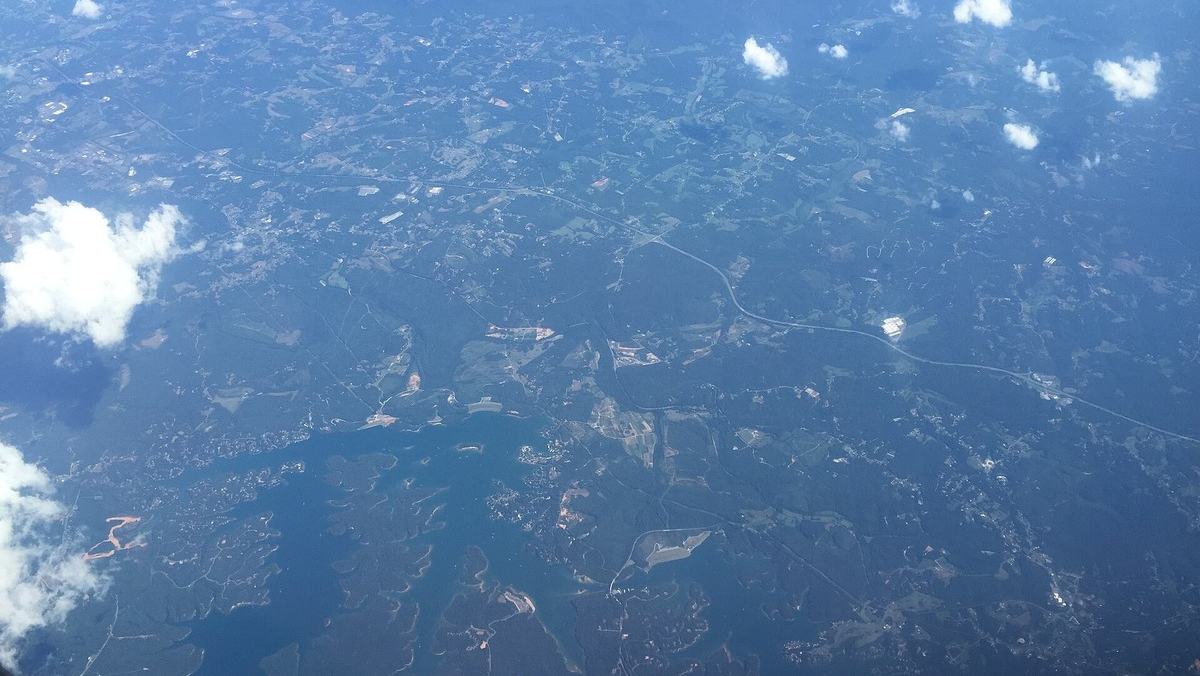
Photograph: Famartin — aerial view of Lake James, North Carolina, 31 July 2016 (CC BY-SA 4.0), via Wikimedia Commons; resized for editorial display. Source: https://commons.wikimedia.org/wiki/File:2016-07-31_15_39_07_View_of_Lake_James_in_Burke_and_McDowell_counties,_North_Carolina_from_a_plane_traveling_from_Washington_Dulles_International_Airport_to_Atlanta_Hartsfield_International_Airport.jpg. Licence: https://creativecommons.org/licenses/by-sa/4.0. Original rights remain with the credited creator or as specified by the source and licence.
