
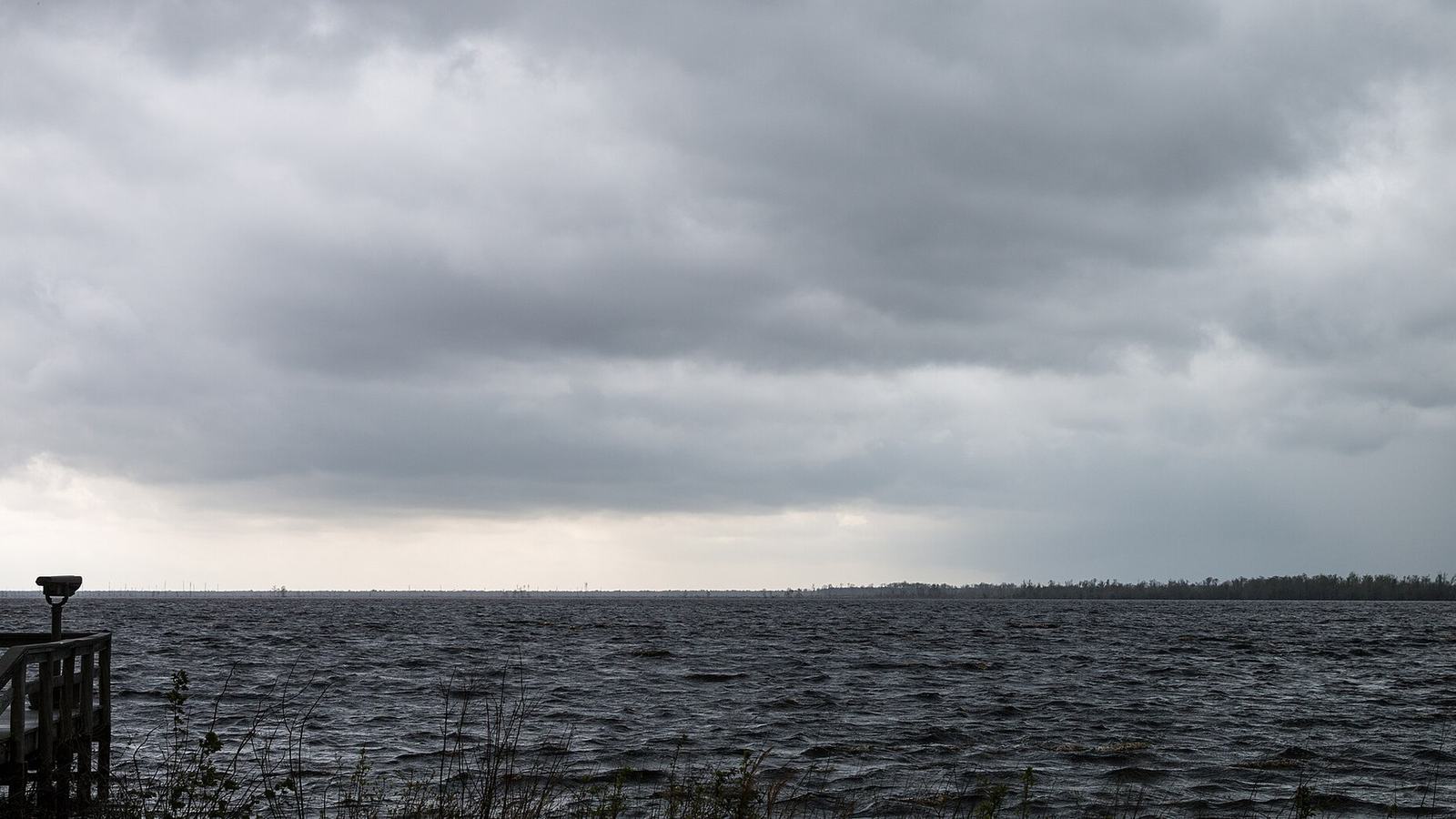
Lake Drummond lies in the Great Dismal Swamp National Wildlife Refuge, on the Virginia side of a vast wetland landscape shared with North Carolina. It is the opposite of a bustling watersports destination. A modest canoe or kayak allows visitors to observe an expanse of dark water, trees and marsh habitat with little need for speed. The U.S.
An unusual lake within a forested refuge
Lake Drummond lies in the Great Dismal Swamp National Wildlife Refuge, on the Virginia side of a vast wetland landscape shared with North Carolina. It is the opposite of a bustling watersports destination. A modest canoe or kayak allows visitors to observe an expanse of dark water, trees and marsh habitat with little need for speed. The U.S. Fish and Wildlife Service describes Lake Drummond as a shallow lake, averaging roughly three feet in depth, and places specific limits on motorised craft and access.
The attraction is the quiet and the sense of scale. A visitor who arrives expecting a conventional recreational lake with multiple marina facilities may be disappointed, while someone willing to paddle slowly and observe the natural setting can find an absorbing day. The best approach is to treat the refuge as a protected wildlife area first and a boating venue second. That changes how the trip should be planned and how the boat should be handled.
Choosing the correct access route
The wildlife refuge identifies two main approaches to Lake Drummond for boaters. The land-based approach follows Lake Drummond Wildlife Drive, reached from the Railroad Ditch entrance at 3120 Desert Road near Suffolk. At the lake end, the U.S. Fish and Wildlife Service lists a boat ramp and parking area. The alternative is a water route from the Dismal Swamp Canal through Feeder Ditch, a separate access arrangement operated in association with the U.S. Army Corps of Engineers.
These routes are not interchangeable. One involves a drive into the refuge and a controlled entry area; the other requires knowledge of the canal, the feeder route, navigation and possible constraints from water depth. A visitor should confirm present conditions before setting out and should not assume that a route described on an older map is open on the planned day. Refuge access may change for management operations, weather, maintenance or other reasons.
Take the shallow depth seriously
A lake averaging about three feet deep is a natural environment that can be hazardous for a boat whose owner assumes there is ample water beneath the hull. Actual depth varies, and submerged objects or soft bottom conditions may affect a route. A lightweight paddlecraft with an appropriate draft may be easier to manage than a deeper motorboat, but even a canoe can run into obstructions if the crew is not paying attention. The lake should be approached as shallow water, not as an inland sea.
Anyone considering a powered boat must observe the refuge's maximum twenty-five-horsepower rule for Lake Drummond. A small motor does not guarantee permission to navigate adjoining ditches, which are not maintained for boat passage according to the refuge guidance. Owners should check whether their hull, motor and launching arrangements are compatible before travelling. The safest choice is often to use a simple paddlecraft and remain conservative about the distance ventured from the launch.
The wildlife drive has its own timetable
Lake Drummond Wildlife Drive offers the main land access, but it is not an unrestricted public road. The refuge describes a fee or pass requirement for vehicle access and publishes seasonal gate hours. During the October-to-March period the gate typically operates on shorter winter hours, with visitors expected to exit within the stated closing arrangements. Anyone planning a paddle must count loading, unloading, photographs and the drive back towards the exit as part of the day's available time.
A late return can create difficulties both for the visitor and for refuge staff. It is sensible to arrive early, prepare equipment efficiently and establish a firm turnaround time before launching. Check the current fee, payment arrangements and any access notices directly with the refuge. A day on the water should be shaped by the site’s operating rules rather than by a desire to remain afloat until sunset.
A setting with a complicated past
The Great Dismal Swamp is also a place of considerable historical significance. National Park Service interpretation describes the region as a refuge for Indigenous communities and for people escaping enslavement, who used the difficult wetland environment as a place of survival and resistance. Visitors should approach that history with respect rather than treating the landscape as empty wilderness. The forest and waterways hold stories that go far beyond contemporary recreation.
Understanding this context can make a quiet journey more meaningful. Rather than racing across the lake, paddlers can learn about the swamp's ecology and history from official interpretive material before visiting. The water's unusual colour and the surrounding vegetation reflect a complex wetland system. Protecting those features includes avoiding disturbance to shorelines and being considerate of other people experiencing the site for reflection, photography or wildlife observation.
The meaning of dark water
Lake Drummond is known for its tea-coloured appearance, influenced by the organic materials of the surrounding swamp. The colour does not imply that a paddler can ignore weather or water quality. Dark water may make submerged branches and depth changes difficult to see, especially in low light or under a cloudy sky. The correct response is to keep the pace modest and remain alert. In a kayak, a collision with an unseen obstruction could have consequences even when the boat is travelling slowly.
A visitor need not become an ecologist to appreciate the environment, but understanding that the lake is part of a protected wetland helps explain the need for careful access and wildlife protection. Stay away from sensitive areas and follow posted restrictions. Do not collect plants or disturb animals. A small craft gives the best view when it is used as a quiet observation platform rather than as a device for reaching every available shoreline.
Equipment for a relaxed paddle
A stable canoe or kayak, a well-fitting lifejacket, a reliable paddle and a simple dry bag form the core of a sensible outfit. Spare layers, water, sun protection and a basic first-aid kit should be added according to conditions. The boat's load should remain within the maker's stated capacity, with heavy items positioned carefully. A short excursion can become uncomfortable if passengers bring more gear than can be stored safely, particularly in a small open craft.
Choose footwear suitable for wet launching and avoid leaving straps, ropes or loose equipment where they can entangle someone after a capsize. A spare paddle is valuable if the primary one is lost. Mobile reception should not be assumed in an isolated wetland, so leave a float plan with someone ashore. Confirm a realistic return time and make sure the group understands what to do if weather or conditions prevent completion of the intended outing.
Wind can turn a quiet lake into a demanding one
The image of glassy swamp water can be misleading. Even a comparatively shallow lake can develop uncomfortable chop when wind crosses open water, and the trip back towards a launch may become difficult for a tired paddler. A canoe with a high profile may be pushed sideways, while a small kayak can be affected by gusts or waves. Conditions can also change between the sheltered approach and the open lake.
Check the forecast, consider wind direction and choose a modest route that allows a straightforward return. A group should not paddle out simply because the launch area is calm. If conditions are stronger than expected, the correct decision is to stay near shore or postpone. There is no obligation to make a crossing or complete a loop. The pleasure of Lake Drummond is available within a conservative outing, provided the crew remains alert and prepared.
Wildlife photography without intrusion
The surrounding refuge supports a wide range of wildlife, and a canoe can offer a quiet way to observe the landscape. Photographing birds or trees from a distance avoids the need to approach sensitive habitat. A telephoto lens or binoculars may be more useful than trying to manoeuvre the boat close to an animal. Visitors should avoid blocking an animal's route or causing it to abandon a resting or feeding place for the sake of a picture.
Keep food and rubbish secure, and do not feed wildlife. Animals that become accustomed to human food may face greater risks. A group interested in photography should plan for the way cameras and lenses will be protected from splashes and damp conditions. Consider using a waterproof case and avoid standing in a small craft to obtain a better angle. A well-composed photograph is not worth upsetting the balance of a boat.
A simple picnic and a short day ashore
Lake Drummond is best experienced with a flexible itinerary. A paddler might arrive, explore a safe portion of the lake, return for a picnic in an appropriate area and spend time observing the refuge from land. The wider site also offers trails and a wildlife drive, though access and facilities vary by season. Combining activities can make a trip worthwhile even if the water is unsuitable for an extended paddle.
Bring supplies rather than counting on lakeside services. Choose designated places to eat and leave no litter. If a party includes children or people new to paddling, plan a shorter session and allow for a gentle introduction near the launch. There is no benefit in turning a nature-focused visit into a timed endurance test. A satisfactory day can be measured by what visitors observe and how safely they return.
Planning for the return and for other users
Before launching, identify the access point clearly and make sure every person in the group knows its location. Agree on a latest return time that respects gate hours and gives room for loading and the drive out of the refuge. Check the weather again as the day progresses. Watch for other recreational users, anglers and wildlife, giving everyone ample space. A protected area works best when each visitor treats other people's enjoyment as equally important.
Boat owners should also confirm any current cleaning or invasive-species precautions before moving craft between waterways. Equipment used in one habitat can carry plants or organisms to another. Cleaning and drying gear is a simple step that protects future access and the quality of the environment. As with any unfamiliar water, local rules and current ranger advice should take precedence over a general guide.
What makes Lake Drummond worthwhile
Lake Drummond is not a place to showcase a large outboard or a complicated cruising itinerary. Its appeal lies in a quiet water experience inside a nationally important wetland, with a sense of history and a distinctive shoreline. The shallow lake, maximum motor rating, controlled drive and sometimes limited access are conditions to embrace when planning, not obstacles to ignore. They help explain why small paddlecraft may be an appropriate way to visit.
The U.S. Fish and Wildlife Service's current access and rules pages provide the essential operating details, while National Park Service interpretation adds historical context. A visit should begin by checking both. With realistic timing, sound equipment, an unhurried route and respectful wildlife observation, a simple day at Lake Drummond can offer a different kind of small-boat pleasure: one grounded in patience, place and care for the landscape.
Official information: National Park Service; U.S. Fish and Wildlife Service. Lake Drummond, Great Dismal Swamp: NPS Natural Resources / M. Reed, 2017; Wikimedia Commons, public domain.