
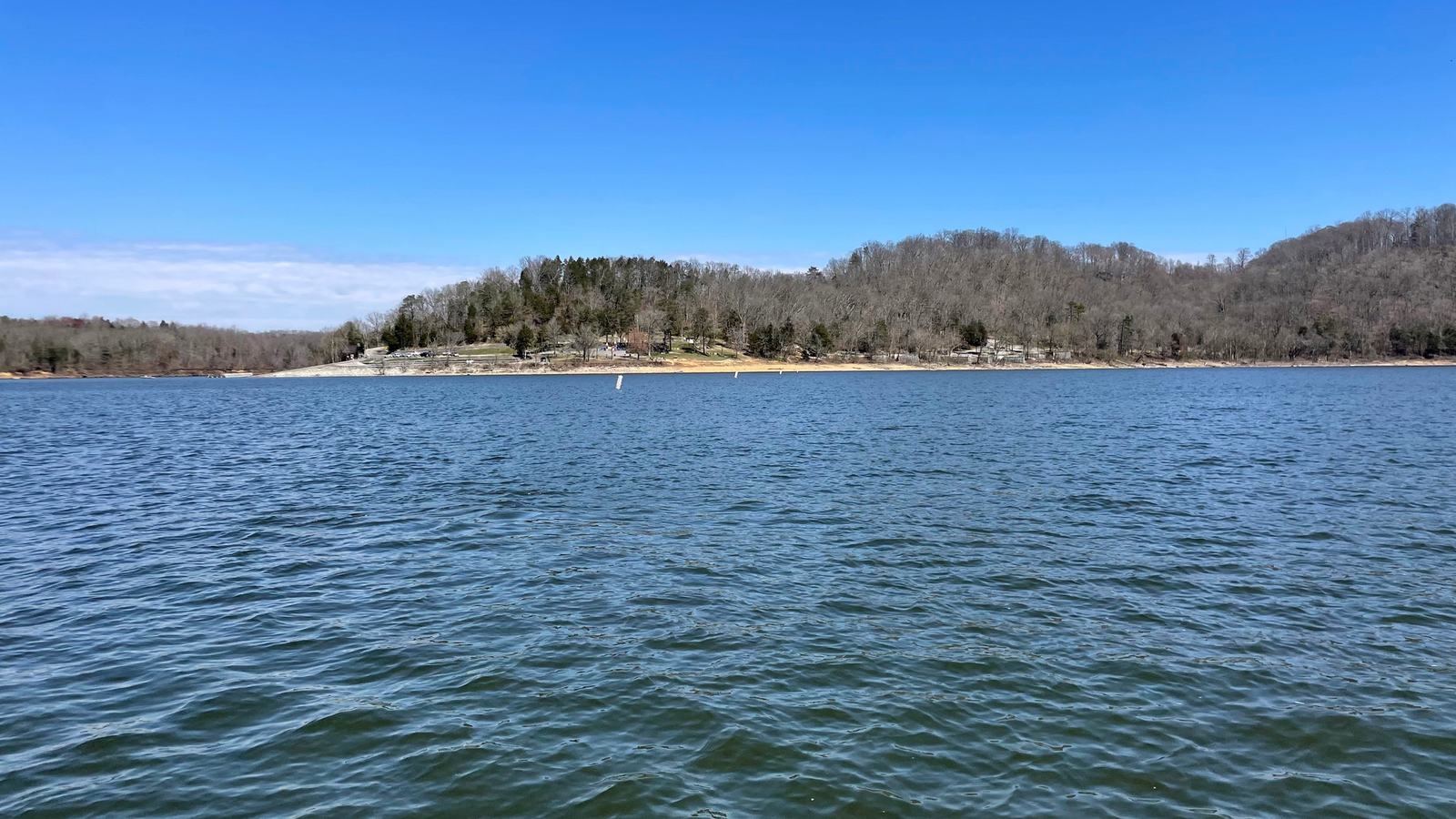
Plan a rewarding Lake Cumberland boating break with official Kentucky State Parks and U.S. Army Corps guidance on launches, marina seasons, coves and safety.
A lake built for unrushed exploration
Kentucky’s Lake Cumberland lends itself to boating holidays that unfold at a comfortable speed. Wooded coves, long fingers of water and numerous places to begin a cruise make the reservoir attractive to owners of trailerable motorboats as well as families hiring a pontoon or a houseboat. It is not a compact lake where every attraction can be squeezed into one afternoon, however, and choosing a manageable section is the first step towards enjoying it.
The U.S. Army Corps of Engineers, which manages the lake, describes a large network of recreation access points and commercial marinas around its shores. For a first visit, the sensible question is not how many miles of shoreline can be covered but where to launch, where to take shelter and which facilities will actually be operating. An autumn trip in October requires a different plan from a midsummer weekend because marina hours and shore services may be changing for the season.
Jamestown and the State Resort Park shore
Lake Cumberland State Resort Park near Jamestown makes a useful geographic starting point for a holiday. Kentucky State Parks lists overnight accommodation, trails and scenic views from the park, while its boating information identifies a seasonal marina service through State Dock with boat rentals and slips. That combination can work for a mixed party in which some members want a longer trip on the water and others prefer a quiet afternoon ashore.
Do not assume that all of the park’s usual amenities are available in 2026. The official park page records renovation-related closures affecting dining and swimming facilities, and it gives the State Dock operating season as April through October. A boat arriving near the end of October should confirm marina services and transient arrangements directly, then plan fuel, food and alternative lodging without relying on a general tourism description.
The park’s accommodation and shore trails add value even when weather puts boating on hold. Keeping one non-boating activity in reserve helps a family avoid the pressure to launch in marginal conditions just because a holiday was booked around the lake. With wooded ridges overlooking the water, there is plenty to appreciate from land as well as from the helm.
General Burnside Island and a different launch
General Burnside Island State Park, towards the Somerset end of Lake Cumberland, is another distinct base. Kentucky State Parks says the park has a six-lane launching ramp and a nearby marina providing services including boat rentals and slips. For an owner arriving with a trailer, a multi-lane access point may help with launch logistics, although the actual queue, parking availability, water level and opening arrangements always need checking on arrival.
The campground and other leisure facilities make Burnside more than a place to put a boat in the water. Yet the existence of a public ramp is not a promise of unrestricted trailer parking, slip availability or safe access for every hull and vehicle combination. Allow time for a full launch inspection, line preparation and a conversation about the prevailing conditions before backing down the ramp.
Boat operators can also use the Corps’ official Lake Cumberland marina directory to compare alternative starting points around the reservoir. It lists facilities such as Conley Bottom, Wolf Creek, Lake Cumberland State Dock and Marina at Rowena, but this is a directory rather than a real-time availability board. Phone before committing to a long tow and ask about current launching arrangements, fuel, pump-out and any boat-length restrictions.
Reading the water and the shore
Lake Cumberland is a reservoir, so a beautiful-looking bay may not offer the same depth or access throughout the season. Shorelines, coves and boat ramps can change character with lake levels, while the approaches to a marina may require precise local directions. Use up-to-date navigational information and local notices rather than trusting a route remembered from a previous summer or estimated from aerial imagery.
The Corps’ public information also draws an important distinction between recreational swimming and working waterfront infrastructure. Swimming is not permitted at boat launching ramps, mooring points, public docks, marinas or posted restricted areas, and boaters should respect dive flags wherever diving is taking place. Keeping swimmers away from propellers, ramps and fuel areas is a practical duty, not merely a technical restriction.
A gentle cruising pace has rewards of its own on this shoreline. After leaving the busier water near a marina, a family can select a suitable cove to enjoy the scenery from aboard, checking the depth and bottom before any anchoring attempt. Avoid blocking other boats’ approaches, watch for fishing lines and give personal watercraft and smaller boats the space they need.
Houseboats and dayboats require different plans
Lake Cumberland is widely associated with houseboat holidays, and Kentucky State Parks acknowledges that tradition in its visitor information. A houseboat party needs to think in terms of more than overnight accommodation: there must be a clear plan for permitted mooring, waste facilities, fuel consumption, weather and safe tender use. A hiring party should obtain its operator’s briefing and emergency instructions before casting off, rather than assume that experience on a small runabout translates directly.
A family with a smaller motorboat can often enjoy the same broad scenery with fewer logistics by staying near one launch and returning ashore each evening. The dayboat still needs suitable lifejackets, a functioning means of communication, warm clothing, a chart and the ability to return if afternoon weather becomes uncomfortable. A sensible trip plan identifies a shorter fallback route before the first mile is travelled.
Even on calm days the holiday atmosphere can bring a mixture of fishing craft, cruisers, rental boats and swimmers into close proximity. Assign a dedicated lookout when traffic increases, brief new passengers before setting off and slow down near marinas and populated shores. Courtesy around shared facilities often makes the difference between a relaxed day and an avoidable conflict.
A useful shore excursion
Lake Cumberland State Resort Park’s official visitor guide highlights viewpoints and hiking trails that make a natural companion to a boating day. A morning afloat followed by time on a ridge above the water gives the party a different perspective on the coves it has explored. Arrange a lawful place to leave the boat before anyone departs for a trail; an inviting landing does not necessarily mean public access or overnight mooring.
Campgrounds provide another option for a multi-day visit, but operating seasons and water services vary. Kentucky State Parks says its Lake Cumberland campground can be used year-round, while water facilities close seasonally, so a late-season boater should not assume full summer support. Confirm reservation terms, opening hours and how passengers will travel between the boat and the campsite before making it part of an overnight plan.
Keeping the reservoir clean
Good boating practice protects the same water and shore scenery that brings visitors to Lake Cumberland. The U.S. Army Corps of Engineers runs a voluntary Clean Marina programme across the Cumberland River basin, encouraging operators to reduce pollution and erosion and to improve boater education. Its marina list identifies participating Lake Cumberland facilities, providing a useful starting point when selecting services for a longer visit.
Passengers can help without needing specialist equipment. Keep all rubbish aboard until an appropriate disposal point is available, contain fuels and oily residues, and use toilets and pump-out facilities correctly. Observe the shoreline as habitat rather than as an unlimited picnic ground, and avoid unnecessary wake around wooded edges, small craft and people fishing close to the bank.
At the ramp, inspect the hull, propeller and trailer for weeds and other material before driving to another waterbody. Follow current Kentucky guidance on preventing the spread of invasive organisms and wash or drain equipment where required. A few quiet minutes at the end of the trip are an investment in the lake that the next visitor will inherit.
A sample two-day boating break
On the first day, arrive early enough to inspect the boat and understand the ramp layout without rushing. Choose a single section of water near the launch, take an easy outward cruise with plenty of fuel in reserve, and reserve time for one sheltered stop before returning well ahead of dusk. Spending the afternoon ashore at a state park can be especially sensible when forecast winds make a longer crossing undesirable.
On the second day, use the weather and the crew’s enthusiasm to decide whether to explore a different cove or visit another part of the reservoir from a second launch. Moving a trailer between ramps may be worthwhile if it avoids a tiring long run on open water. For a hire boat, speak to the operator before changing the intended cruising area, as rental conditions and operating zones may limit where the craft can travel.
Keep all plans flexible in the final weeks of the boating season. A seasonal marina may be closing while a campground remains open, and availability can change without a newspaper announcement. The strongest itinerary is one with current contact numbers, an alternative launch or berth and the confidence to leave a proposed crossing for another day.
Official sources for trip planning
Read the Kentucky State Parks guide to Lake Cumberland State Resort Park for the park’s current renovation notices, State Dock season and accommodation information. The General Burnside Island State Park page covers its public ramp, while the U.S. Army Corps of Engineers Lake Cumberland information outlines access, marinas and water safety. Check direct operator notices before setting out because a seasonal listing is not an assurance of availability on a particular date.