
Northern Idaho's Lake Coeur d'Alene offers small-boat cruising from public ramps, city docks and scenic coves, with important environmental requirements.
A mountain lake with a small-boat welcome
Lake Coeur d'Alene in northern Idaho offers an appealing mix of forested shores, mountain views, towns and accessible boat launches. A compact motorboat, fishing skiff or sailing dinghy can enjoy the lake without travelling far, provided the skipper chooses a suitable starting point and remains alert to conditions. The setting has a relaxed holiday character, yet the water is large enough for wind and heavier traffic to create challenges for inexperienced crews. The most enjoyable plan begins with a realistic route rather than the longest passage shown on a map.
The lake's shore includes public facilities as well as private homes, managed recreation areas and habitat important to wildlife. For a first outing, select one known access point and identify nearby navigable water that can be explored comfortably. The scenery is rewarding even when the boat travels only a short distance. A skipper who retains an easy return and extra daylight can take time to appreciate the forested coastline rather than worry about making a distant appointment.
Kootenai County lists the launch choices
Kootenai County publishes a useful directory of boat launches, separating fee locations from some no-fee county facilities. Around Lake Coeur d'Alene, its list includes Carlin Bay, Harrison, Mica Bay, Spokane Point and Sunup Bay as fee launches. Other listed county access sites include Fuller's Landing, Gould's Landing, Harlow Point, Kidd Island Bay and Neachen Bay. These names give boat owners a starting point for choosing the region of the lake they want to explore. Actual facilities and suitability can differ considerably.
Before arriving with a trailer, check the directory and the current conditions at the specific ramp, including whether a daily pass is required. A site described as no-fee may still have limitations on parking, water depth or access. Prepare the boat and safety equipment away from the ramp itself and avoid blocking other users while passengers arrange bags or tackle. Launch and recovery are part of the journey, and a poor choice of ramp can make even an otherwise pleasant day unnecessarily difficult.
The Third Street dock has practical limits
The City of Coeur d'Alene publishes information about its Third Street Mooring Dock near Tubbs Hill and the resort waterfront. The adjacent ramp and launch dock have a 20-minute limit for launching use, while separate mooring spaces and trailer parking arrangements are subject to posted rules. This is an important distinction: a launch dock should not become an informal berth while the crew goes shopping or eats lunch. The city uses posted QR-code payment information for relevant services.
Parking locations for trailers may not be the same as ordinary car parking, and the available spaces can change. Check the official city page immediately before visiting, particularly if your vehicle and trailer are long. A boat should fit safely within any allocated mooring bay; do not allow the stern or outboard to obstruct passing traffic. For a small boat owner, knowing where the trailer will be left can be as important as knowing where the first scenic stop lies.
Blackwell Island provides another context
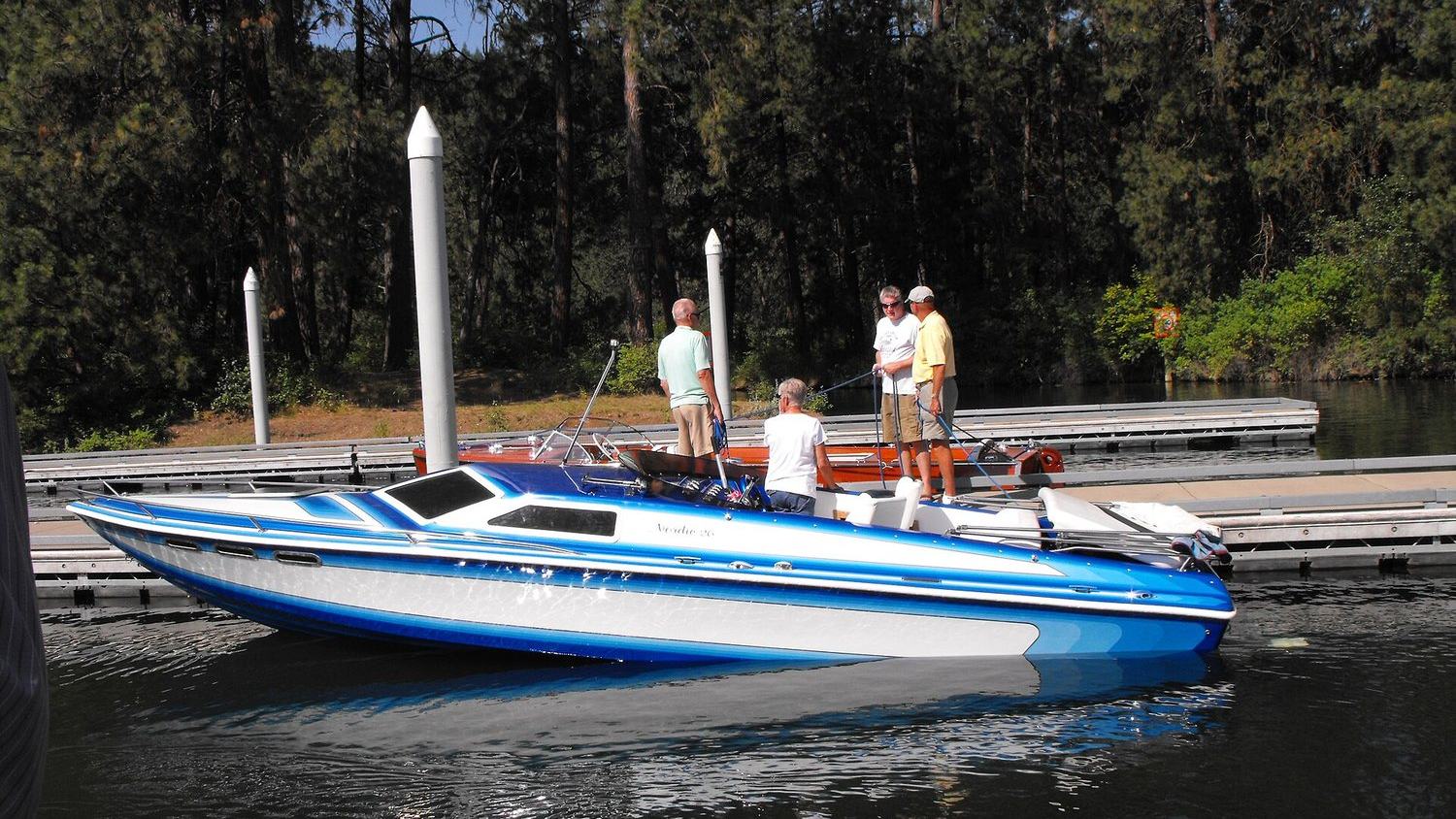
The Blackwell Island area is a familiar access point near the western end of Lake Coeur d'Alene, with public-land facilities and opportunities to reach nearby water. It is a useful example of the difference between a scenic recreation site and a managed launching service. Amenities may have seasonal hours or maintenance restrictions, and particular ramps may serve specific sizes and types of craft. A visitor should use current management information rather than assuming that the presence of boats in an old photograph proves unrestricted access.
A modest first itinerary could stay near a suitable western launch and explore a relatively sheltered reach, with a clear return to the same point. Keep clear of the routes used by larger passenger craft and do not anchor near a busy entrance. If the afternoon becomes windy, shorten the trip. A small boat that is comfortable near the bank may encounter more difficult conditions on a broad crossing. Easy access and restrained expectations are an advantage, not a limitation.
Mineral Ridge sits near the eastern shore
The US Bureau of Land Management describes Mineral Ridge Boat Launch on the east side of the lake, with a concrete launching ramp, docks and parking. Its official page lists a daily access fee and an annual-pass option, but these amounts and methods should be checked before travel because agency arrangements can change. The site offers a different starting point from the busy city waterfront and may suit owners who plan to explore the eastern part of the lake rather than undertake a long run from town.
Mineral Ridge is also associated with winter bald-eagle viewing as birds gather during the kokanee spawning season. Wildlife is a wonderful reason to visit, but boaters should not approach birds closely or create unnecessary noise near their feeding areas. A small vessel can give observers a useful perspective if conditions are suitable, yet a winter outing demands particular attention to cold water and changing daylight. Wildlife observations must remain secondary to safe navigation and the protection of the animals.
The Idaho invasive-species sticker matters
The City of Coeur d'Alene advises that vessels operating on Idaho waters need the relevant Idaho Invasive Species Fund sticker or permit as applicable. This requirement is part of a broader effort to protect lakes from organisms transported between waterways. Owners arriving from another state should check current permit categories, exemptions and inspection expectations before travelling. A visitor who has never been stopped at a ramp elsewhere should not assume Idaho has the same rules.
Clean, drain and dry procedures remain important even after a sticker is purchased. Inspect the hull, trailer, livewells, bilge and equipment for clinging vegetation or organisms. Remove standing water as required and follow any official decontamination advice. A single trip involving two different lakes can unintentionally move invasive species if proper precautions are ignored. Environmental care is not separate from recreational boating; it helps preserve the lake's fishing, scenery and water quality for future visitors.
Warm weather can still produce difficult waves
Coeur d'Alene's scenery can make a family trip feel sheltered, but a fresh breeze may develop short waves across an open reach. Small runabouts and lightly loaded fishing craft can be unsettled by conditions that a larger cruiser handles comfortably. Study the wind forecast for the planned hours, pay attention to direction and be prepared to follow a route close to safe shelter rather than crossing exposed water. A clear morning view of the far shore is not evidence that the afternoon return will be equally comfortable.
Passengers should wear suitable lifejackets or personal flotation devices as required for the boat and their age, and the skipper should understand the applicable state safety rules. Keep weight balanced and make sure children know where to sit during a turn or in larger wake. A dry set of warm clothes and an effective communication plan are useful even when the air temperature is high. The ability to turn back early is often the most valuable safety margin.
Other boats are part of the itinerary
On a summer day, the lake can carry passenger cruisers, fishing boats, personal watercraft, kayaks and small sailing craft. Their speeds and ability to manoeuvre differ, and a skipper should be especially attentive near marinas, narrow approaches and crowded beaches. Reduce wake around smaller users and moored vessels, and do not cut tightly across the path of a passenger boat. A predictable, considerate course makes the journey smoother for everybody.
Boat owners also need to watch the shoreline for swimmers and paddlers who may be hard to distinguish against buildings or trees. A low-powered kayak cannot necessarily move out of the way of an approaching motorboat. Slow down earlier than seems necessary, particularly when the route passes close to a designated recreational area. If a planned landing is crowded, find a safe alternative rather than improvising a place to tie up that obstructs other boats or private property.
A measured one-day plan
Choose an official launch with convenient access and a route that suits the experience of the least confident person aboard. Check the distance, wind forecast, expected boat traffic and whether the chosen area offers a lawful place to stop. A quiet morning cruise followed by time ashore can be more enjoyable than a long passage involving multiple uncertain docks. Keep generous time for recovering the boat and securing it on the trailer. Avoid adding new stops after the crew has begun to tire.
Carry sufficient fuel or battery reserve and verify that the motor, steering, bilge system and required navigation equipment are working before the launch. A phone in a waterproof case is useful, but a reliable means of marine communication may be appropriate for more remote trips. Tell someone ashore the route and expected return. A short safety briefing should explain where personal flotation is kept or worn, how to stop the engine and what to do if somebody falls overboard.
What makes the lake worth returning to
Lake Coeur d'Alene combines an unusually broad selection of launch choices with attractive scenery, practical city facilities and natural shorelines. Kootenai County and the city publish useful access information, while the Bureau of Land Management offers specific details for eastern launch sites. Together these sources can help a small-boat owner choose a route without depending on outdated tourism listings. The correct choice varies according to boat type, towing arrangement and the weather on the actual day.
Before visiting, confirm fees, parking, invasive-species requirements and local operating rules. Respect wildlife and sensitive shore areas, leave no rubbish and avoid creating unnecessary wake. A good outing need not cover a large distance to be memorable; the changing view of the lake and surrounding hills is often reward enough. Thoughtful planning protects both the experience of the crew and the waters that make this Idaho destination so attractive.
Sources: Kootenai County boat-launch directory, City of Coeur d'Alene dock guidance and BLM Mineral Ridge information. Photograph: boaters at Blackwell Island launch, BLM Idaho, United States government public domain, via Wikimedia Commons, resized for web display.
