
A kayaking and canoe guide to Bavaria’s Chiemsee, with rental options, official 300-metre shoreline advice, protected wetlands and island ferry alternatives.
Lake Chiemsee in Bavaria offers an attractive combination of mountain views, lakeside villages and islands associated with some of southern Germany's most distinctive cultural sights. The official Chiemgau tourism organisation promotes kayaking and canoeing as ways to discover the shoreline, while making an unusually important safety point: paddlecraft should remain within 300 metres of shore, and the mouth of the Tiroler Achen is not accessible. These requirements shape the entire idea of a small-boat holiday. A trip should be planned around recognised launching places and a manageable section of shoreline, not an unauthorised crossing to a distant island. With sensible expectations, a short paddle can reveal much of the landscape without exposing a novice crew to unnecessary open-water risks.
Bavaria's large inland lake
Chiemsee is widely promoted as Bavaria's largest lake, set in the Chiemgau region with mountain scenery that changes character as weather moves across the horizon. From a lakeside promenade the view is broad and open, while from a kayak the details become closer: ripples against a bank, reedbeds, small harbours and villages are more apparent. The setting attracts many different water users, including passenger boats, sailors, swimmers and paddlecraft. This variety creates opportunities but also means that a recreational kayak cannot travel as though it were alone. The most rewarding route is one chosen for safe conditions and shore views rather than for reaching a faraway point.
Understanding the 300-metre guidance
The Chiemgau tourism page expressly states that kayaks and canoes on Lake Chiemsee should not travel farther than 300 metres from shore. This is a central planning constraint, not a minor detail to be discovered once afloat. A paddler must select a route that respects the shoreline limit and can be followed safely in the actual wind and wave conditions. A view of Fraueninsel or Herreninsel in the distance should not be treated as an invitation to cross the open lake without checking the applicable regulations. For a visitor unfamiliar with the area, a recognised rental operator can explain where a suitable route starts and ends and which sections are restricted.
Avoiding the Tiroler Achen mouth
The same official guidance identifies the mouth of the Tiroler Achen as an area that is not accessible to canoeists and kayakers. This restriction matters because river mouths and wetland zones can look especially inviting from a small, shallow-draft boat. Their ecological importance may be greater than the opportunities they offer for a close-up photograph. The correct approach is to avoid the area rather than look for an unmarked route into it. Maps and local guidance should be checked before launching, and a paddler should turn back well in advance of any protected boundary. Nature can be appreciated responsibly without entering every visually interesting channel.
Kayak hire around the lake
The Chiemgau tourism organisation identifies providers offering kayak rental, including locations around Bernau, Seebruck and Gstadt. These places offer different practical starting points for exploring sections of the lake without bringing a privately owned canoe. Visitors should contact providers directly for current hours, craft availability, age restrictions and the recommended operating area. A hire company may limit the distance or direction of a trip for safety reasons. These limits can be useful, particularly for novices who might otherwise underestimate how large the lake is. Ask for a demonstration of steering and stopping as well as information about wind, ferry traffic and approved places to return.
A low shoreline perspective
A canoe can reveal small details that are overlooked from the path, from vegetation along the edge to the way village buildings relate to their waterfronts. The official tourism description presents paddling as a meditative activity when compared with more vigorous forms of watersport. That quality is easiest to enjoy when the route is short, weather is stable and the crew remains aware of its surroundings. A camera should not distract the paddler from steering or looking out for traffic. The journey does not need to involve crossing to an island. Remaining close to an attractive section of shoreline can provide a memorable experience while complying with local guidance.
Herreninsel and Fraueninsel as cultural destinations
The islands of Herreninsel and Fraueninsel are among the lake's best-known attractions, with Herrenchiemsee Palace associated with King Ludwig II and Fraueninsel known for its community and historic setting. For many visitors, scheduled passenger boats are the appropriate way to reach these destinations. A short recreational kayak outing should not be planned around an unrestricted open-water crossing, particularly given the 300-metre shoreline guidance. Combining a shoreline paddle on one day with a ferry excursion on another can offer two distinct perspectives on the same lake. The water journey becomes part of a wider cultural holiday without taking unnecessary risks.
Passenger ships and small-boat visibility
Chiemsee's passenger services move between villages and island landings, and their operation deserves careful attention from anyone using a small craft. A kayak sits low in the water and may be difficult to see against a busy or sunlit background. Paddlers should avoid ferry approaches and avoid stopping in established traffic areas for photographs. A passenger vessel requires space to manoeuvre, particularly near a pier, and wake may affect a canoe even when it is travelling along a sheltered shore. The right course is to maintain a lookout and choose a quiet section appropriate to the craft, not to assume that larger vessels will always be able to move around it.
Why a sheltered morning helps
Weather can change during a day on a large lake, and a small kayak is particularly sensitive to wind direction. A gentle outward paddle with the wind behind the crew may become much more tiring when returning against it. A visitor should obtain a reliable local forecast and assess conditions before launch, choosing a conservative turnaround time. Thunderstorms or rising wind are reasons to return early. Staying close to shore may limit exposure but does not make the boat immune to sudden weather changes or waves. An enjoyable introduction to Chiemsee can be a single calm hour with plenty of time left for a walk or meal.
Canoe and kayak skills for beginners
A first-time paddler benefits from learning basic strokes, turning and stopping before venturing into a busy lake environment. A rental handover should show how to enter and leave the boat safely and how passengers should move to maintain balance. A tandem canoe may feel stable with two people but can behave differently when overloaded with bags or children. An appropriately fitted buoyancy aid or lifejacket belongs on every passenger. Ask whether a guided introductory outing is available rather than selecting the longest independent hire by default. Confidence in handling the boat allows the crew to look at the scenery instead of worrying about every small wave.
Reeds, birds and quiet shore sections
The lake supports natural shoreline habitats, including areas with reeds and waterbirds. A quiet paddle may seem an ideal way to approach wildlife, but low noise is not the same as an absence of disturbance. Birds may abandon feeding or resting areas when a boat comes too close, and shallow vegetation can be damaged by repeated landings or paddle strokes. Keep a respectful distance and follow any conservation notices. The mouth of the Tiroler Achen is a particularly clear example of why protected access rules matter. Binoculars provide a better way to appreciate many species than attempting to move a boat directly toward them.
The appeal of shore-based villages
A Chiemsee holiday can be divided between water and land, with places such as Gstadt, Bernau and Seebruck offering different local settings. A visitor might paddle a short permitted route near one village, return the craft and then explore the area on foot. This avoids the problem of searching for an authorised landing while tired or in poor conditions. Not every private jetty or scenic beach is available to passing boaters, and rental providers may require the craft to return to the original base. A simple itinerary with a clear endpoint gives the crew more freedom to enjoy the day without unnecessary logistical complications.
Fishing and other lake users
Recreational anglers, swimmers and small sailing craft may share parts of the lake with kayakers. Predictable movement and respect for local restrictions help make the experience pleasant for everyone. A paddler should remain clear of fishing lines where possible and avoid travelling through designated swimming areas. On a windy day, a dinghy sailor may have limited ability to change course instantly, so early awareness is important. The small size of a canoe does not make it invisible to responsibilities under navigation rules. A quiet route chosen away from concentrated activity can offer more enjoyment than trying to move through the busiest place on the lake.
Carrying a privately owned kayak
An owner bringing a canoe or kayak from home should confirm the correct launching point rather than assume that any part of the shoreline is open for access. A site that looks attractive in a photograph may have private ownership, a sensitive habitat or restrictions on parking and unloading. Boat weight and the length of the carry can become practical considerations, especially with children or camping gear. Check whether a recognised access area has room to assemble the boat without obstructing others. Cleaning and drying the craft between water bodies is also sensible, particularly when moving between protected lakes. The most successful launch is organised before the boat leaves the vehicle.
A day trip rather than an exposed expedition
The availability of kayaks and canoes on Chiemsee makes the destination attractive for visitors who want a modest amount of activity during a wider holiday. There is no need to plan an island crossing or a long circuit to justify hiring a craft. A comfortable shore route, a look at mountain views and a stop in a lakeside village can be enough. Younger children may prefer a shorter supervised session, while more capable paddlers can ask local experts about routes appropriate to their ability. The guiding principle should be to match the craft to the day rather than forcing the day to meet a predetermined distance.
Seasonality and current guidance
A destination website confirms that boat rentals and activities exist, but it cannot guarantee that a chosen operator is open or that the lake is suitable on a particular November day. Many watersport services are seasonal, and local access arrangements may change. Confirm rental availability, weather cancellation terms and any updated navigation notices directly before travelling. The same applies to passenger boat schedules used for a separate island visit. A flexible itinerary with alternatives such as walking, visiting a town or taking an authorised ferry provides better value than making the entire trip depend on one planned launch.
The right way to appreciate Chiemsee
Lake Chiemsee offers small-boat enthusiasts a combination of natural scenery and cultural interest, but its official canoe guidance places clear boundaries on exploration. Staying close to shore, avoiding the Tiroler Achen mouth and maintaining separation from passenger traffic are central to responsible paddling. Within those limits, a short kayak outing can be an appealing way to see Bavarian lakeside life at water level. Choose an established rental, wear suitable flotation and let the weather determine how long to remain afloat. The goal is not to conquer the lake but to return having enjoyed its quieter details without compromising safety or conservation.
Sources and photograph attribution
Official destination and boating guidance: Chiemgau Tourism — Kayak and Canoe. Current access, rules, weather and reservations must be checked independently before travel.
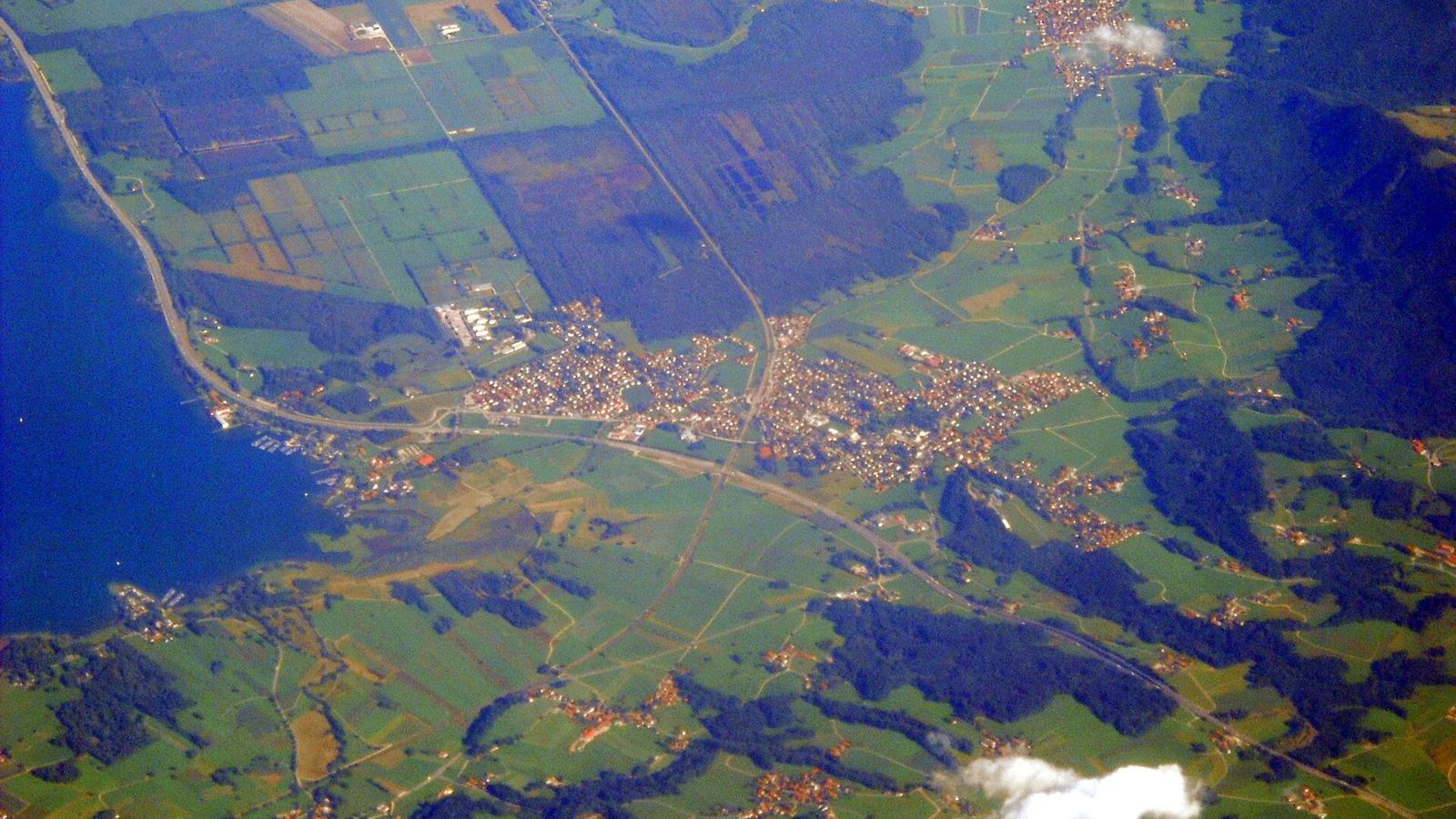
Photograph: Sterntreter — “Bernau Chiemsee, Sterntreter, kontrastverstärkt.jpeg” (CC BY 3.0), via Wikimedia Commons. Resized and converted to JPEG for editorial display. Source: https://commons.wikimedia.org/wiki/File:Bernau_Chiemsee,_Sterntreter,_kontrastverst%C3%A4rkt.jpeg. Licence: https://creativecommons.org/licenses/by/3.0. Original rights remain with the credited creator or as specified by the source and licence.
