
A detailed small-boat cruising guide to Lake Champlain, covering Burton Island marina, Valcour Island history, launching, seasonal operations, weather and clean-water precautions.
The lake that rewards a slower kind of boating
Lake Champlain offers small-boat owners a style of holiday that combines open-water passages with quiet island landings, historic shorelines and welcoming towns. The lake extends through Vermont and New York toward the Canadian border, so it has more variety than a single sheltered reservoir. Its long stretches of water can feel remarkably spacious from a compact cabin cruiser, but the weather and navigation deserve the same attention as any serious cruising ground.
For a weekend launch or several days aboard, the appeal is the ability to shape a trip around islands rather than clocking miles. The Adirondack shoreline, Vermont’s island parks and the bustle around Burlington create different moods within the same region. A thoughtful plan leaves time to walk a trail, stop for lunch, check the wind and return to an agreed berth without trying to visit every famous place in one day.
Choosing the right boat and launch base
A small motorboat, trailerable cruiser or modest sailing boat can all work on Champlain, provided the vessel suits the planned distance and forecast. A day boat might be ideal for a short island picnic near a reliable launch, while a cabin cruiser with cooking and toilet facilities gives the crew more flexibility to stay overnight. Good fenders, correctly sized ground tackle, lifejackets and a dependable means of communication matter much more than an aggressive top speed.
The New York Department of Environmental Conservation lists several formal boat launches serving its Lake Champlain Islands Complex, including Peru Dock, Port Douglas, Willsboro Bay and Westport. They differ in location and can place a crew close to different islands, but the suitability of any ramp depends on trailer, boat draft, current water level and whether seasonal docks remain installed. The department says launch docks are normally removed in late October.
Those launching on the Vermont side should investigate local park and municipal facilities as well as the distance to a planned mooring. A cross-lake route can appear simple on a map but become uncomfortable if the wind strengthens along the lake’s long axis. Before departure, check weather, water conditions, fuel range, ramp access and a practical place to return if a planned island stop becomes unsuitable.
Burton Island: a proper island marina experience
Burton Island State Park is an attractive objective for boaters who want the feeling of an island destination without relying entirely on a primitive anchorage. Vermont State Parks operates a marina here and describes a boat-access-only island with trails, picnic areas and seasonal visitor facilities. The marina publishes a capacity of 100 slips and offers transient dockage and electricity, making it relevant to both small cruisers and some larger family boats.
This is a seasonal operation rather than a guaranteed year-round refuge. Vermont State Parks lists the park season from the Friday of Memorial Day weekend through Labor Day weekend, and advises boaters to call for reservations because weekends can fill. All arriving vessels must register and obtain a slip assignment before proceeding. A berth request should include the boat’s exact length, beam, draft and electrical needs rather than an assumption based only on the headline slip count.
Burton Island is particularly pleasant when treated as a place to linger. After securing the boat, visitors can explore generally easy trails, take a picnic ashore or simply enjoy being away from the busy mainland. The park’s marina has rules covering speed, noise, swimming and other activities. Owners travelling with dogs should note that pets are not allowed in the marina or designated swimming area, even though they may be permitted elsewhere in the park under the applicable rules.
The approach also requires a chart and an understanding of local navigation. Vermont State Parks describes an access route through The Gut and refers to the Grand Isle drawbridge schedule, but a published schedule should never replace a current bridge notice. A skipper needs to verify opening arrangements and avoid planning a tight arrival around times copied from an old webpage.
Valcour Island: history and a quieter shore
On the New York side, Valcour Island introduces a different experience. The Department of Environmental Conservation describes it as a large island with wooded trails, designated primitive campsites and connections to the 1776 naval battle that shaped Lake Champlain’s history. Bluff Point Lighthouse and the shoreline around Valcour Bay give a boating trip a strong sense of place even for visitors who are not planning to camp.
Valcour is not a marina holiday. DEC notes that there is currently only one usable public dock on the island, at the Seton House near its southern end, while small boats and paddlers can reach certain shore areas from suitable bays. Landing conditions and rocks vary, so a boat should never be driven into an unfamiliar beach simply because visitors can see a trail. Tender or dinghy operations need their own safety plan.
Those who wish to stay in a tent must check the camping rules separately from the boating plan. During the published peak season, Valcour’s designated campsites use a permit process administered on the island, with limited spaces and no advance reservation of a specific site. A day-boat party should avoid taking up camping facilities unnecessarily, and visitors must never tie vessels to trees or damage the shoreline to create makeshift moorings.
DEC also identifies Schuyler Island and other islands in the complex as destinations for boating and paddling. Some are popular anchorages for cabin cruisers, but an anchorage recommendation is not a substitute for charts and a forecast. Vessels that swing differently in the wind need enough room to remain clear of rocks and other boats, particularly overnight.
Practical day-trip ideas
One attractive trip is a short morning passage to a designated landing on Valcour, followed by a walk with views across the lake. The crew can return to the boat for lunch, leaving the afternoon uncommitted. Another plan might centre on a reserved Burton Island marina visit, with time for a shore walk and a comfortable overnight on board during the operating season. These are examples to shape around conditions, not fixed routes that should be followed regardless of weather.
Families with younger children often enjoy a modest programme more than a long itinerary. A sheltered swimming stop, a wildlife-viewing pause and a well-equipped picnic can create a memorable holiday if everyone is warm, rested and wearing appropriate safety equipment. The boat’s owner should brief passengers on moving around the deck, boarding from a dock and remaining clear of the propeller whenever the engine is in use.
Boaters interested in history can connect island visits with the wider Revolutionary War story of Champlain, but they should distinguish public visitor sites from protected archaeological locations. Collecting objects, damaging shoreline features or making unapproved landings undermines the sites that make the area special. A guidebook or interpretation visit ashore is a better way to take the story home.
Wind, water quality and the safety margin
Lake Champlain can develop challenging waves when winds blow along its length. New York’s DEC explicitly warns that conditions may become severe enough to create significant risk for paddlers, and the same forecast can make a small open powerboat uncomfortable. A good skipper chooses a sheltered route, watches for local wind shifts and does not assume that a lake is automatically safer than the sea.
Water quality also belongs in the daily briefing. In October 2026 the U.S. Geological Survey described research into the forecasting of harmful cyanobacterial blooms at Lake Champlain beaches. Such blooms can affect where people should swim or allow pets into the water, and conditions vary by location and time. Before swimming or letting anyone paddle in a sheltered bay, consult the relevant public-health and local water-quality advisories rather than relying on the colour of the water.
Like any busy inland waterway, Champlain demands awareness of ferries, commercial and recreational traffic, fishing boats and paddlers. Keep clear of restricted areas and avoid making a wake near docks or small craft. Navigation lights, a suitable throwable flotation device where required, lifejackets and an effective anchor should all be checked before departure. The trip is far more enjoyable when the crew has a plan for a deteriorating forecast.
A boating holiday that respects the border
Lake Champlain also reaches into Canada, adding an international dimension for those tempted to extend a cruise northward. Crossing a national boundary by water is not an informal shortcut: operators must check the current entry, customs and immigration procedures for everyone aboard and any goods being carried. The vessel’s documents, permissions and communication arrangements should be verified with the competent border authorities before departure.
For a short family holiday there is no need to turn the trip into a border crossing. The U.S. side offers a rich selection of islands and shore visits, and the distances between them can be enough for several days of satisfying cruising. A boat should return with a comfortable fuel and daylight reserve, and its operator should resist adding a last-minute destination because the previous anchorage was pleasant.
Planning the next season with official information
The best time to consider Vermont’s marina services is within the published operating season, while a late-autumn trip requires more independent arrangements and careful weather judgement. Dock removals and closures can affect New York launch sites as the season ends. Owners should use the latest park pages, local harbour information and marine forecasts when selecting dates for a future holiday; this feature does not establish that any specific marina or ramp is open today.
A practical plan begins with a suitable launch or overnight berth, then adds one or two destinations that suit the craft and crew. Keep a spare option, pack for changing conditions and allow enough time to enjoy the islands without rushing. Lake Champlain is at its best when small-boat owners combine freedom on the water with respect for its shore communities, park facilities and fragile natural environment.
Official sources and photo credit
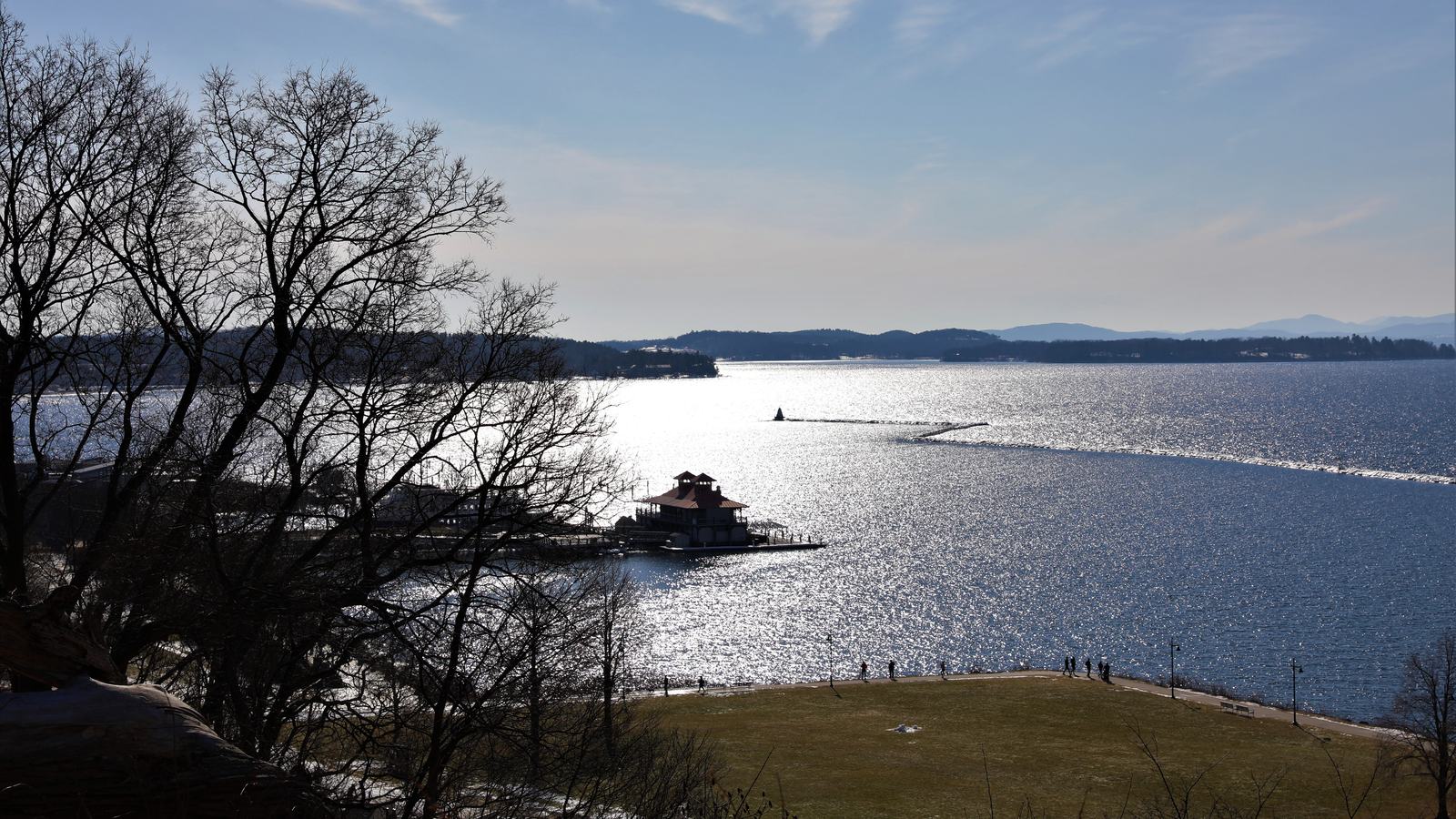
The New York DEC Lake Champlain Islands Complex explains Valcour and Schuyler Island access, trails, launches and camping rules. Vermont State Parks' Burton Island Marina page provides operating dates, slip procedures and rules; its park guide describes shoreline activities. The U.S. Geological Survey photograph used for this feature is a public-domain view from Burlington and depicts Lake Champlain itself.
Check the official sources again immediately before using the lake because access, water levels and safety information can change. This editorial guide is intended to help small-boat owners ask the right questions, not to replace local navigation charts, current notices or the captain’s judgement on the day.