
A practical canoeing guide to Lake Cerknica in Slovenia, covering Notranjska Regional Park's canoe safaris, variable water levels, habitats and safe access.
Lake Cerknica in Slovenia is unlike a conventional lake holiday destination. Its waters expand across the karst plain in wetter periods and can recede dramatically as water drains through underground passages, transforming the landscape between the seasons. Notranjska Regional Park offers guided canoe safaris and rental opportunities when water levels and weather allow, making this unusual environment accessible to visitors who want to understand it from a small craft. A canoe trip here is inseparable from the behaviour of the lake itself. Unlike a permanent reservoir, it cannot be assumed that a launch used in spring will be practical in midsummer. Sensible travellers begin with the park’s latest guidance and regard flexibility as part of the experience.
A lake that comes and goes
Lake Cerknica occupies a karst landscape, where water enters and leaves through a system of streams, sinkholes and subterranean channels. During wet periods it becomes one of Slovenia’s most striking expanses of inland water, while in drier weather sections may look like meadows and reedbeds rather than a boating destination. This unusual rhythm is what makes the area attractive to curious travellers. The park’s official visitor information highlights how the landscape changes through the year and explains why kayaking depends on conditions. Rather than treating a photograph as a fixed promise, visitors should think of Cerknica as a living natural system whose appearance determines what activities are appropriate.
What the regional park offers
Notranjska Regional Park advertises a canoe safari that introduces visitors to the lake with local guidance. The park also lists canoe rental when the water level and forecast are suitable, with weekend availability described in its visitor information. These are useful starting points, not guarantees that a canoe can be collected every day. A safari may combine paddling with explanations of the area's plants, animals and hydrology, giving an educational dimension to the excursion. Anyone planning to visit should contact the operator or park to confirm the meeting point, duration, participant requirements and any restrictions before travelling. A seasonal, condition-dependent experience is best booked with realistic expectations.
Understanding the water-level check
The park publishes a water-level page with readings from hydrological monitoring stations and makes the current level part of visitor planning. That is not simply a technical service for scientists; it matters directly to whether small-boat travel is practical. A route that is navigable after rain might be shallow or completely dry several weeks later. The same system can affect where a canoe is launched and how much of the lake is available for a guided excursion. Visitors should ask whether the planned outing can proceed on the intended date rather than relying on measurements taken much earlier. Even when the reading looks favourable, local advice remains necessary because depth alone cannot describe wind, access or ecological restrictions.
Why a guide is particularly valuable
A guide can help distinguish between recognised paddling areas and sections that should remain undisturbed. Reeds, channels and shallow water create a landscape where apparent shortcuts may be unsuitable or restricted. Local knowledge is especially valuable when the lake is changing from one phase to another. The guide can also explain why certain places fill or drain and identify wildlife without encouraging visitors to approach it too closely. For a family with limited paddling experience, this support may offer a better introduction than trying to interpret a complex wetland with a generic navigation app. A guided safari makes the lake's unusual characteristics part of the pleasure rather than a source of uncertainty.
The importance of designated paddling areas
Notranjska Regional Park protects sensitive habitats, so recreational canoeing should be confined to areas permitted by the current rules. A shallow-draft canoe can float in places inaccessible to a larger boat, but that capability does not create a right to travel through reedbeds or nesting areas. The park’s guidance on where privately owned canoes may operate is worth reading even if a rental provider has supplied equipment. A paddler should avoid improvising a channel simply because there seems to be enough water. Conservation boundaries can be more significant than depth. Using authorised access is a practical contribution to preserving the lake for both wildlife and future visitors.
Birdwatching from water level
Cerknica’s wetlands support a rich variety of birds, making quiet paddling an appealing way to observe wildlife where access is allowed. A canoe can move with relatively little noise, but it still presents a disturbance if used to pursue birds or approach nesting sites. Binoculars are a better tool than an attempt to close the final distance for a photograph. The crew should stop or change course if animals show signs of alarm. A guide can help identify species while explaining seasonal behaviour without disrupting it. The best observation is one in which the birds continue to feed, rest or move naturally after the boat has passed.
Reeds, islands and changing shorelines
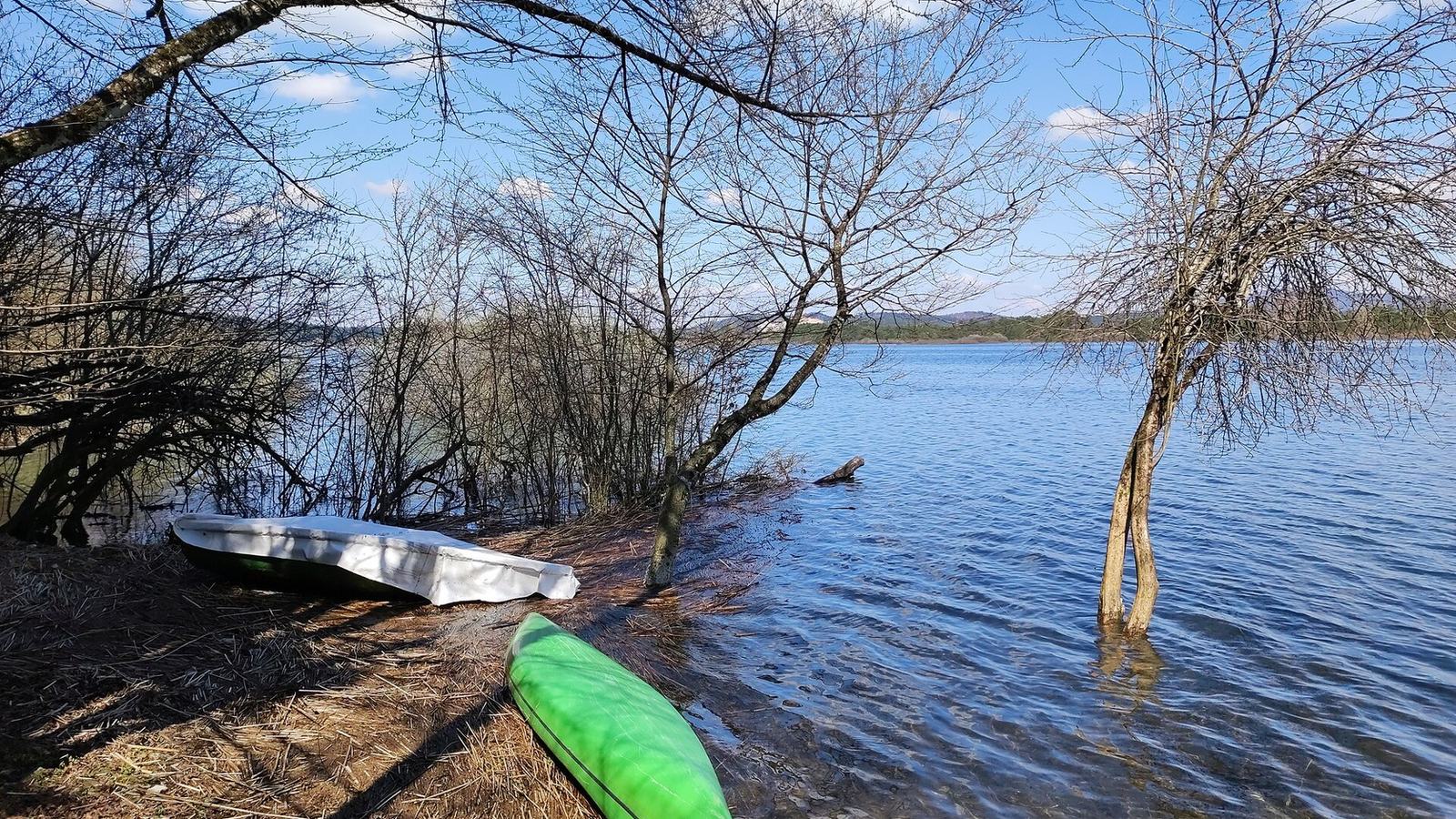
A high-water view of Cerknica can contain reed-lined passages and patches of raised ground that appear island-like. As the water recedes, their relationship to the lake changes. This is part of the landscape’s fascination, yet it creates a risk for paddlers who assume that a familiar route remains navigable. A narrow passage may end in shallow water, while a seemingly safe bank can be muddy or environmentally sensitive. The park’s canoe-safari approach offers a way to appreciate the landscape without turning the trip into an unplanned navigation challenge. There is no need to enter every channel for an outing to be memorable.
How to prepare for a canoe safari
Visitors should ask the operator what equipment is provided, including buoyancy aids or lifejackets, paddles and any waterproof storage. Comfortable clothing that can tolerate spray, suitable footwear and protection against sun or rain help make the experience enjoyable. A small bag of essentials should be secured inside the craft rather than carried loosely where it can shift. The briefing should explain how to sit, paddle and keep the boat balanced. Families need to check the minimum ages and physical requirements rather than assume every child can join. Preparation is particularly valuable on a guided group trip, where the whole party needs to be comfortable keeping a safe pace.
An intermittent lake still has boating hazards
The existence of shallow sections does not mean an outing is free of risk. Wind can affect exposed water, submerged objects may lie beneath a calm surface and changing depth can make landing awkward. A boat can become grounded where paddlers expected a continuous channel, while high water may create unfamiliar currents near inflows or outflows. A guide should make a route decision based on the actual conditions. Independent paddlers must be equally conservative and should not enter water whose flow or access is uncertain. A short, safely completed route is more rewarding than an effort to reach a distant viewpoint by forcing a canoe through unsuitable shallows.
Following the clean-equipment principle
Freshwater ecosystems can be affected by organisms carried between lakes on wet hulls, paddles and footwear. Anyone bringing a private canoe should clean and dry it carefully before entering Cerknica and again before using it elsewhere. This includes fittings, storage compartments and anything that has been in contact with water. Operators generally manage their own rental equipment, but visitors should still avoid introducing loose waste or material from another water body. A wildlife-rich regional park benefits from simple habits that reduce avoidable pollution and ecological disturbance. Caring for the boat between destinations is part of responsible small-craft travel, not merely a task to complete after the holiday.
Learning about the traditional drevak
The park's Lake Cerknica museum introduces visitors to the drevak, a distinctive traditional wooden boat associated with local life on the lake. Seeing how people adapted their vessels and travel to changing conditions helps connect modern canoeing with the region’s history. A museum visit can be particularly useful when the water level is too low for recreational paddling. It provides context for the wetland's ecology and the way residents have understood its intermittent character over time. The cultural story offers more depth than simply labelling the lake as a curiosity. Small boats have played a practical role here long before modern outdoor tourism.
A shore-based alternative is not a failure
There will be days when the lake cannot be explored by canoe. The park promotes walking, viewpoints and visitor experiences that reveal the same natural processes from land. A dry phase can offer a completely different opportunity to understand how the landscape works, especially when guided by someone familiar with the karst terrain. Visitors should not be tempted to push a boat across an unsuitable surface simply because the trip was originally planned as a canoe outing. Instead, keep time available for trails or a museum visit. A flexible itinerary makes the most of the lake's variability and avoids placing unnecessary pressure on guides or equipment providers.
Photography and respectful observation
A flooded karst plain can create extraordinary reflections, while reeds and distant hills provide beautiful shapes from the low viewpoint of a canoe. Photography is most successful when someone remains responsible for steering and keeping the group within the permitted route. A passenger should not lean dangerously over the side to capture a close-up of water plants. Avoid disturbing birds, and do not land on a sensitive patch of vegetation merely to position a tripod. The best photographs often show the wider relationship between water, meadow and forest. They can communicate why Cerknica is unusual without requiring intrusive behaviour or putting the crew at risk.
A family outing with realistic limits
Children may enjoy the novelty of paddling through a landscape that looks different each season, but not everyone has the same endurance or comfort in a canoe. Select the operator’s appropriate introductory experience and explain to young passengers how to remain balanced. A properly sized buoyancy aid should be worn and checked before launch. The outing should leave enough time for rest, food and any educational stops that are part of a guided safari. A longer route is not necessarily a better family experience. The goal is to develop curiosity about the place while ensuring that participants remain warm, comfortable and confident throughout the excursion.
Seasonal planning for a November publication
A November article should not suggest that canoe rental will be available on demand throughout winter. The park makes water level and weather explicit conditions for boating, and operating arrangements may also depend on season and advance bookings. Check both the official water-level information and the current activity listing close to the intended visit. If the canoe safari cannot take place, the surrounding trails and cultural attractions may offer a different perspective. Anyone travelling internationally should arrange accommodation and transport with enough flexibility for changes. Cerknica’s changing nature is precisely what makes rigid boating plans inappropriate.
Experiencing a living karst lake
Lake Cerknica offers an unusually rewarding alternative to a conventional canoe holiday because the water itself is part of the story. A guided safari can reveal habitats and natural processes that remain invisible in a standard photograph, while a museum visit explains the relationship between local communities and the changing lake. The essential preparation is to verify water level, use authorised routes, choose suitable equipment and avoid disturbing sensitive habitats. Travellers who accept that the best experience may vary by season will find more to appreciate. The lake rewards patience and curiosity far more than distance covered under paddle.
Sources and photograph attribution
Official destination and boating guidance: Notranjska Regional Park — Canoe Safari. Current access, rules, weather and reservations must be checked independently before travel.
Photograph: Ajznponar — “Lake Cerknica, view from Skadulca 03.jpg” (CC0), via Wikimedia Commons. Resized and converted to JPEG for editorial display. Source: https://commons.wikimedia.org/wiki/File:Lake_Cerknica,_view_from_Skadulca_03.jpg. Licence: http://creativecommons.org/publicdomain/zero/1.0/deed.en. Original rights remain with the credited creator or as specified by the source and licence.
