
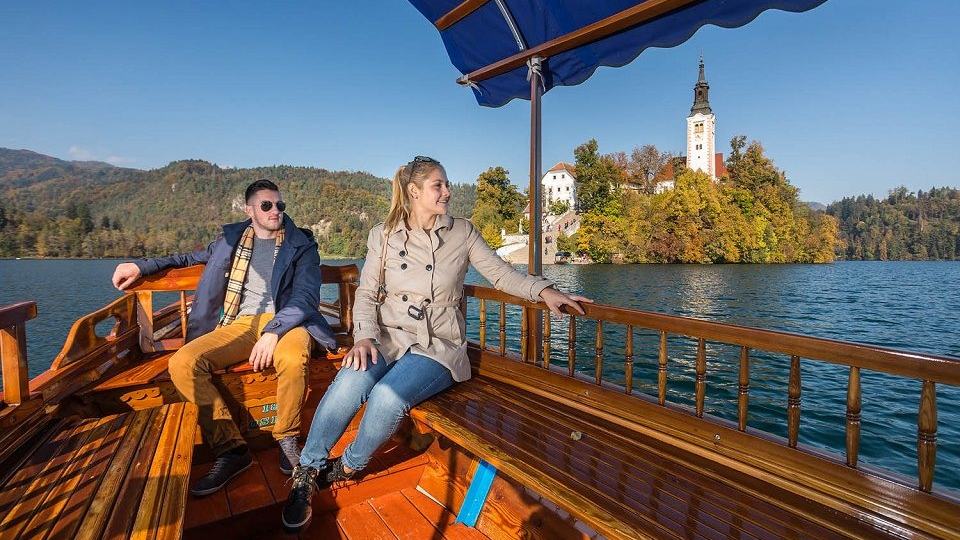
Lake Bled's traditional wooden pletna boats offer a distinctive way to reach Slovenia's celebrated island, with navigation and landing rules visitors should understand before setting out.
A short voyage with a long local memory
There are lakes where the most interesting experience is travelling quickly across open water, and then there is Lake Bled. Here the approach to the island is almost the point of the excursion: a shallow wooden boat moves steadily across the water while the church tower, villas and wooded slopes arrange themselves into a scene that changes with every stroke. For boating enthusiasts accustomed to engines and electronics, the slow, human scale of a pletna crossing is a refreshing reminder that seamanship takes different forms.
Bled Tourism identifies the pletna as a craft built by local makers and closely connected with the area's history. The characteristic coloured awning makes it recognisable before its passengers come into view. Its relatively flat bottom and the oarsman's standing position set it apart from a conventional rowing boat, and its purpose is practical as well as picturesque: taking guests from established shoreline departure points to the small island in the centre of the lake.
What makes the pletna different
A pletna is not simply a decorated dinghy hired for an afternoon. Bled Tourism describes a roughly seven-metre wooden vessel with a distinctive hull, an awning and a raised boarding arrangement, rowed by a trained local operator using a specialised technique. The boatman stands while moving two oars, controlling the craft with an ease that can mask the physical effort involved. Watching the approach to a landing makes an engaging lesson in speed control and careful handling at close quarters.
The role of the pletnar is part of an established local tradition rather than an activity that anyone can casually take up. Rights and skills passed through families, helping sustain a specialist boat service around the lake for generations. Visitors do not need to understand the intricacies of that history to enjoy the crossing, but recognising it gives the journey more meaning. The operator is not only transporting passengers; the craft and its handling are part of Bled's living maritime heritage.
Choose a boarding point and allow time
The official tourism information places pletna departure opportunities around the inhabited shores, including Mlino and Velika Zaka. The boats generally work as shared passenger crossings, so a traveller should not assume an immediate private departure or a timetable that behaves like a train service. A sensible plan allows spare time for boarding, the passage itself and a walk on the island before returning. Asking locally about departure arrangements is better than building an itinerary around an unconfirmed minute-by-minute schedule.
A calm day makes it especially pleasant to sit under the awning and study the changing views. However, the lake can look different in rain, wind or intense seasonal visitor traffic, and operators remain the best source of current conditions. Travelling early may appeal to photographers who want softer light, while families with young children may prefer a less tightly scheduled visit. Whichever approach suits the group, allow the water crossing to be an experience rather than treating it as a transfer to be rushed.
Understand the island's landing rules
One of the most important practical points is that not every type of small craft may land at Bled Island. Official guidance from Bled Tourism explains that the island's limited landing infrastructure is reserved for authorised services, including traditional pletnas and other specified passenger or supply boats. Visitors using their own hired rowing boat, kayak or paddleboard should not treat the island's shore as a general-purpose beach where they may pull a hull up and step ashore.
That restriction protects a very small and heavily visited island from erosion and unmanaged landings. It also gives boaters a useful distinction between permission to travel on a body of water and permission to berth at a particular destination. A passenger whose main ambition is to walk on Bled Island should arrange an authorised crossing. Those who would rather paddle independently can still enjoy lake-level perspectives, provided they follow the designated launching and navigation rules and do not attempt an unauthorised landing.
A boating itinerary beyond the crossing
The traditional boat ride can anchor a relaxed day on the shore. A walk around selected lakeside paths reveals how the water changes colour with light and cloud, while viewpoints above the lake reward anyone interested in photographing the pattern of boats and buildings from higher ground. The presence of historic villas and formal gardens gives the waterfront a composed atmosphere quite different from an open-water beach resort. Keeping the day unhurried suits the scale of the lake and its villages.
If a rowing session appeals, ask a recognised rental operator where private self-propelled craft may launch and travel. The local rules distinguish the permitted use of sporting vessels from the tightly controlled island landings, and powered boards are subject to explicit restrictions. Avoid assuming that a battery-powered personal craft is automatically acceptable because it is quiet. Using authorised services and checking local instructions preserves the peaceful character that makes Bled attractive in the first place.
The small-craft lesson to take away
Lake Bled is an excellent example of how boat type, local tradition and environmental management fit together. The pletna is designed around its specific job and surroundings, with a knowledgeable operator whose judgement remains central to the crossing. The experience is enjoyable for non-boaters, but someone who spends time on water will notice the precise movements, the balance of the hull and the different rhythm created when propulsion comes from oars instead of a throttle.
For the best experience, verify current boarding details with the official destination website or a local operator, choose appropriate clothing for the weather and keep sufficient time for the island visit. Do not arrive with an assumption that your own small craft can land wherever it pleases. The reward is a memorable, low-key passage that connects a striking Alpine landscape with a continuing wooden-boat tradition, without asking the setting to behave like a conventional motorboat playground.