
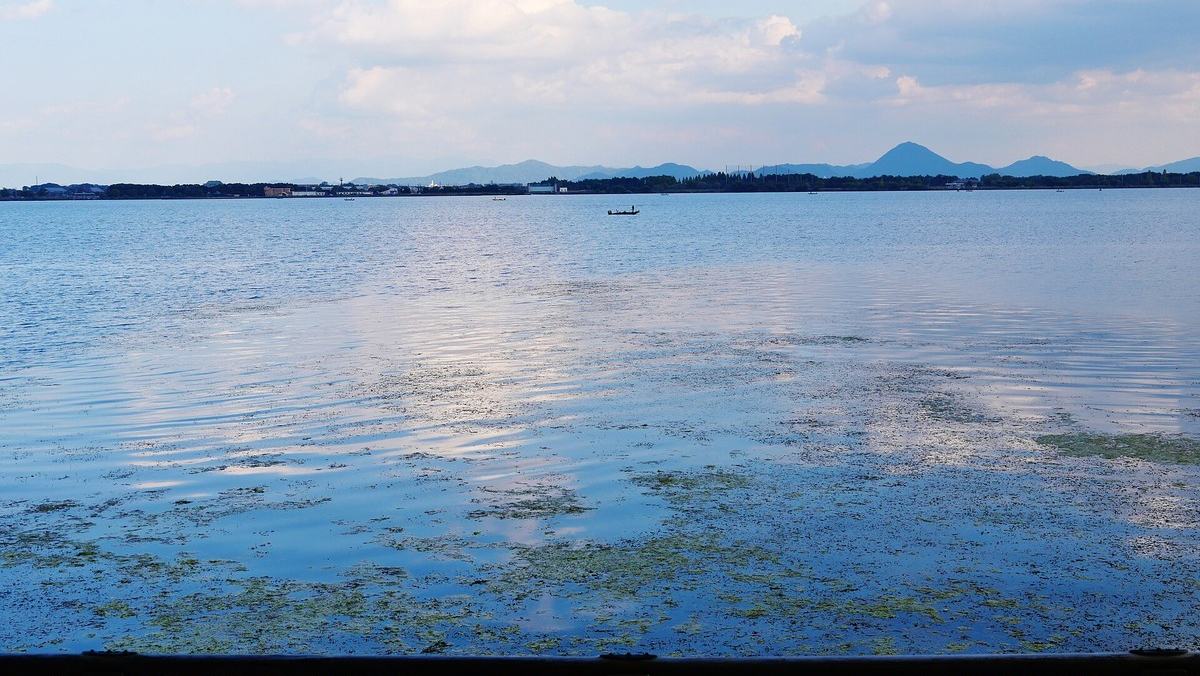
A Japan Lake Biwa kayaking guide to Good Times guided activities, Shirahige Shrine, O'PAL watersports in Otsu and the contrasting Michigan passenger cruise.
Japan's largest lake from a smaller boat
Lake Biwa in Shiga Prefecture, Japan, is a remarkably varied destination for small-craft recreation. Travellers may know it for the views from Otsu, traditional temples and passenger cruises, but guided kayaking also provides a way to approach the water more personally. Shiga's official visitor organisation describes canoeing and other watersports around the lake, while the local outdoor operator Good Times offers guided kayak experiences in the Takashima area, including outings associated with Shirahige Shrine.
The difference between a guided kayak excursion and simply renting a boat deserves attention. This is a major inland lake with changing winds, commercial passenger traffic and shore areas subject to local rules. A visitor unfamiliar with the conditions should select an activity suited to their experience, confirm the exact launch and respect places of cultural significance. Japan's scenic waters are most rewarding when approached with both curiosity and restraint.
Otsu as the gateway
Otsu sits at the southern end of Lake Biwa and is a convenient base for visitors travelling from Kyoto. Shiga's official tourism material includes lake attractions such as the Michigan sightseeing cruise from Otsu Port, alongside kayaking and other local outdoor activities. A traveller staying in Otsu can therefore choose between a passenger excursion with established boarding arrangements and a more active small-craft activity through a specialist provider.
Not every boat trip described as a Lake Biwa experience departs from Otsu. The lake stretches a considerable distance north, and a kayaking tour near Takashima or a watersports centre at Ogoto may require a separate journey. Ask for the precise meeting point before booking. Planning transport around the actual operator is more useful than assuming the lakefront is a single compact marina.
Good Times and a guided trip toward Shirahige
Good Times publishes an English-language website describing outdoor experiences in Shiga, including kayak activities around Lake Biwa. The operator promotes kayaking connected with the famous Shirahige Shrine area, where a torii gate stands in the lake near the western shore. A guided experience can be appealing to visitors who want advice about the conditions and a carefully selected route rather than navigating independently from an unfamiliar beach.
Before paying, establish the actual itinerary, duration, group size and safety equipment. Ask whether beginners are welcome and whether the tour includes instruction in paddling and recovery. The advertised presence of a cultural landmark does not guarantee every trip will approach it closely; weather, navigation restrictions and local advice determine what is safe on the day. An experienced guide can help set appropriate expectations.
Viewing a lakeside torii responsibly
The Shirahige Shrine torii is one of Lake Biwa's most photographed sights. From land it appears just offshore, and visitors may find that a boat gives an unusual perspective on the structure. However, the desire for a dramatic photograph must not override navigation or cultural respect. A kayak should not be used to approach, touch or circle a shrine structure contrary to local rules or the guide's instructions.
Visitors should also avoid stopping in unsafe positions where traffic or waves can make the boat difficult to control. Photographing from a seated, stable position is more sensible than standing or leaning in a kayak. The landmark's importance is not diminished by viewing it from a respectful distance. The experience should be treated as an encounter with a living religious landscape, not an unrestricted watersports obstacle.
Canoeing at O'PAL in Ogoto
Shiga's official English visitor material identifies O'PAL at Ogoto, Otsu, as a provider of kayaking, canoeing and SUP experiences. This represents another way to use the lake beyond the guided shrine route. A watersports centre can be a convenient setting for learning technique, especially when the group includes people who have never paddled a kayak. The precise programme, availability and operating calendar should be checked with the business.
Ask whether the planned activity is a lesson, guided journey or independent rental. The distinction affects how much support visitors receive and how they should prepare. Some people may prefer a short supervised experience before attempting a more exposed route. A qualified introduction to boat control can make the holiday more comfortable without requiring a long or demanding trip.
The Michigan cruise as a different experience
The official Shiga visitor guide describes the Michigan sightseeing vessel as an option for exploring the southern section of Lake Biwa from Otsu Port. That service offers a very different perspective from a kayak. Passengers can enjoy a larger vessel and elevated views without needing to steer, paddle or recover a small craft. Families whose members have different levels of mobility or enthusiasm for watersports may find this a better fit.
A cruise timetable is not a kayaking schedule, and an operator's published example service may vary by season. Confirm the actual date and boarding point separately. Visitors should also recognise that the presence of a larger sightseeing boat is a reason for kayakers to pay attention to navigation and wash. Choosing a small craft comes with responsibility for staying clear of the routes used by other vessels.
Why a guided introduction makes sense
An unfamiliar large lake can look inviting from the shore while containing challenges that are not obvious to a tourist. Wind direction, waves, other craft and the location of permitted landing points all influence what can be done safely. A local guide can select a route appropriate to the weather and the group's ability, explain basic technique and keep everyone moving together. For beginners, that support may be more valuable than the freedom of an independent hire.
A guided tour still requires participation. Listen to the safety briefing, use the flotation equipment properly and tell the guide if a participant becomes tired or uncomfortable. Do not leave the group for a photograph or decide independently to visit a distant landmark. The best guided experience combines local knowledge with the willingness of visitors to follow sensible instructions.
Paddling at a measured pace
A kayak allows a traveller to experience the lake from very close to the surface. Small waves, reflections and the colours of the shoreline become more noticeable when the journey is human-powered. Begin with a short period of practice near the permitted departure point. Learn how to turn, stop and maintain a straight course before moving farther along the water.
For a mixed-ability group, choose a route that can be shortened without creating difficulty. The slowest participant should set the realistic pace. In a tandem kayak, two people need to communicate about direction and how strongly they paddle. A brief successful excursion is better than a long trip that ends with exhausted passengers or a stressful return.
Wind and conditions on Lake Biwa
Lake Biwa's size means that some areas are more exposed to wind than a visitor might expect from a sheltered watersports centre. A light breeze can increase the effort needed to return, while a stronger wind may make an open crossing inappropriate for beginners. Check the latest forecast and ask a guide how it affects the specific planned route. Conditions at Otsu are not necessarily identical to those near Takashima.
If the water becomes uncomfortable, return early or follow the operator's alternative plan. The fact that a holiday schedule includes a kayak tour does not justify continuing into unsafe weather. A family can choose a museum, temple or passenger cruise on another occasion rather than insist on being afloat regardless of conditions.
Clothing and cold-water thinking
A warm day beside the lake does not guarantee comfortable water temperature. Dress with the possibility of immersion in mind, and use a correctly fitted personal flotation device. Bring drinking water, suitable sun protection and clothing that will not become a serious hazard when wet. Secure glasses, phones and cameras so they do not fall overboard.
A visitor who cannot swim confidently or who has mobility concerns should discuss those matters with the provider in advance. A guide can explain which activities are suitable and whether any support is available. The right excursion matches the actual participants rather than assuming that all kayaking advertised for tourists is equally demanding.
Protecting a culturally significant shore
Lake Biwa has a long relationship with Shiga's communities, temples and shrines. The shoreline is not merely an adventure playground, and visitors should treat important places with respect. Avoid landing without permission near cultural sites, do not touch sacred structures and follow any signs restricting access. A photograph taken from the correct public viewpoint can be more appropriate than attempting an unusual perspective from the water.
The same care extends to private waterfronts and harbours. A sandy patch is not automatically a public place to pull a kayak ashore. Ask the operator where stopping is permitted and keep a sensible distance from fishing activity or other water users. Considerate behaviour is part of enjoying Japan's lake culture.
The natural setting beyond the landmarks
While the famous torii and city cruises are popular, Lake Biwa also rewards attention to ordinary shoreline scenery. A paddler may notice changing vegetation, waterbirds and the shapes of distant mountains. Those details can make a short journey memorable even when the group does not reach a particular destination. From a low kayak, the landscape feels quite different from the view through a train window or from the deck of a large sightseeing vessel.
Wildlife should be observed at a distance rather than pursued. Avoid entering sensitive reeds, and do not throw food into the lake. A quiet boat can still disturb animals when it approaches too closely. Responsible paddlers appreciate the surroundings without treating the environment as an unrestricted site for collecting photographs.
Keeping the equipment and water clean
Japan's major freshwater environments face pressures from pollution and the movement of organisms between waterways. Visitors with privately owned kayaks or paddleboards should follow current local advice about cleaning equipment and permitted launching. Rental operators may have their own procedures for maintaining craft, but customers still have responsibility not to leave rubbish or damage shore vegetation.
At a crowded departure point, organise gear away from the immediate launch and return it promptly after the outing. Do not abandon disposable packaging or use an unauthorised shoreline shortcut. These small decisions help preserve access for other people who wish to enjoy the lake.
Combining boating with a Shiga itinerary
A practical itinerary could include a supervised kayak activity on one day and a different form of sightseeing on another. A visitor based in Otsu might take the Michigan cruise and spend time ashore, while a more active day could involve travelling to a Good Times guided trip or an Ogoto watersports session. The two experiences are complementary rather than redundant.
Allow enough travel time between towns and do not assume two providers can fit easily into one afternoon. The most effective programme leaves room for weather changes and for enjoying cultural attractions without rushing back to a boat. If the wind makes paddling unsuitable, there are many reasons to explore Shiga from land.
Confirm the current service and rules
Good Times' own website is a first-party source for its kayak experiences. The official Shiga tourism organisation also documents canoeing, kayaking and passenger cruises elsewhere around Lake Biwa. These references establish real options but are not live booking confirmations. Check prices, operating dates, meeting points, permitted routes and any current safety restrictions directly before travelling.
The same applies to access near Shirahige Shrine. A tour's route may change to respect weather, traffic or local requirements. A sensible visitor regards that flexibility as part of operating safely, not as a reason to push the guide toward a risky excursion.
Seeing Lake Biwa differently
Lake Biwa offers a rare combination of large-lake scenery, Japanese cultural landmarks and accessible organised watersports. A guided kayak can provide an intimate perspective on the shore, while a passenger cruise allows a broader view without the responsibilities of handling a small boat. The choice should reflect the group, weather and purpose of the visit.
With a trustworthy provider, suitable equipment and respect for cultural and environmental rules, even a modest paddle can become a memorable element of a Shiga holiday. The value lies in moving slowly enough to see the lake as a place with its own history and living communities, not simply as a background for photographs.
Sources and photograph attribution
Official destination and boating guidance: Good Times Shiga — Shirahige Kayak Tour Operator Booking Page on Asoview. Current access, rules, weather and reservations must be checked independently before travel.
Photograph: Zairon — “Otsu Mangetsu-ji Ukimido View to Lake Biwa 6.jpg” (CC BY 4.0), via Wikimedia Commons. Resized to JPEG 1200×800 for editorial display. Source: https://commons.wikimedia.org/wiki/File:Otsu_Mangetsu-ji_Ukimido_View_to_Lake_Biwa_6.jpg. Licence: https://creativecommons.org/licenses/by/4.0. Original rights remain with the credited creator or as specified by the source and licence.
