
Explore Lake Berryessa by kayak or small motorboat, with official access-area choices, current invasive mussel seal rules and useful planning advice for a safe Napa County lake holiday.
A lake holiday that begins with the launch decision
Lake Berryessa in Napa County offers a compelling alternative to the familiar image of a California wine-country holiday. The attraction for a small-boat visitor is not a hotel terrace or a tasting itinerary but a substantial inland reservoir with coves, distant hills and room to choose between a paddle and a modest dayboat. The practical detail matters as much as the scenery. Lake Berryessa is managed by the United States Bureau of Reclamation, and its current boating advice includes a vessel inspection and seal system designed to stop invasive mussels. A pleasant outing therefore starts by selecting the type of craft, understanding the applicable entry procedure and identifying a realistic launch location rather than assuming every ramp is ready for an immediate departure.
For an under-twelve-metre leisure boat, this is a destination where careful preparation improves the whole experience. Larger motorboats and simple unpowered kayaks do not face identical inspection arrangements. That difference can determine whether a spontaneous visit is possible, whether an owner should make advance calls and how much time to allow before the first hour on the water. The lake rewards patience, short exploratory legs and an itinerary that does not depend upon crossing open water in a rising afternoon breeze.
Choosing between a kayak and a motorboat
A kayak gives a visitor the chance to work along the edges of Lake Berryessa without committing to a long engine-powered passage. The reward is a closer view of the meeting place between water and shore, provided the paddler respects private boundaries, watercraft traffic and any local closures. A small motorboat offers greater range and room for family equipment, yet it also introduces launching requirements, engine checks, navigation responsibilities and a stronger need to understand local speed and safety rules. Neither choice is automatically better: the right craft depends on weather, ability, party size and whether the intended activity is paddling, fishing or simply enjoying a quiet inlet.
A mixed group may be tempted to take several craft and improvise a meeting point. It is wiser to agree on one sheltered area, a turnaround time and a shore contact before leaving. Paddlers should not assume they can keep pace with a powered dayboat or that everyone will be comfortable when the wind changes. The shortest enjoyable outing is frequently the best first introduction, leaving enough reserve energy and daylight for the return.
Five named boating access areas
The Bureau of Reclamation names Markley Cove Resort, Pleasure Cove Marina, Steele Canyon Recreation Area, Putah Canyon Recreation Area and Spanish Flat Recreation Area among facilities associated with camping and boat launching. This gives prospective visitors a useful starting list, but it is not a promise that every ramp, service or concession is operating in the same way on a chosen date. Reservoir levels and site arrangements can alter the practicality of a launch. Telephone confirmation with the relevant operator is essential before loading a trailer, arranging a boat hire or committing to a long drive.
The setting of each access point will influence the sort of day a crew enjoys. A convenient road approach may be more valuable than an ambitious route to a distant cove; a paddler with limited experience should favour straightforward entry and recovery. The Bureau's page deliberately refers travellers to concession operators for their facilities and reservations. That is the correct place to establish launch rules, parking arrangements, available equipment, local maps and whether a particular boat can be accommodated.
The golden mussel issue cannot be ignored
Lake Berryessa's inspection and seal policy is especially important because it distinguishes craft by their design and method of use. The Bureau states that vessels wishing to launch are subject to its invasive-mussel programme and describes a thirty-day quarantine seal system for affected vessels. Approved hot-water decontamination can provide an alternative route to launch. Owners should not treat a recent cleaning at an unrelated site as sufficient: Reclamation says that decontamination requires an accepted seal. The rules are intended to protect water infrastructure and the ecosystem rather than to create an optional inconvenience.
There is a significant exception for straightforward paddling. According to Reclamation's March 2026 update, non-motorized kayaks and paddleboards are not subject to inspection, although complimentary inspection is encouraged. A hand-launched fishing kayak fitted with an electric motor does require inspection. This distinction means equipment choices can materially change arrival logistics. Before travelling, check the current official notice rather than relying on an old internet discussion, because invasive species controls can tighten or change with little relevance to a visitor's existing booking.
Planning a realistic paddling route
An appealing route on a reservoir need not be described in nautical miles to be useful. Start by examining the launch area, prevailing weather, the location of nearby arms and the amount of open water between the departure point and the intended shore. Choose a protected section where the group can make progress without depending upon a strong following wind. Even a seemingly uncomplicated paddle should include an agreed point at which the crew turns for home, because the same distance can take much longer when the breeze becomes a headwind.
Keep away from dam infrastructure, restricted zones and active ramp channels unless signs and local instructions clearly permit passage. The paddler's view at water level can make distances appear shorter than they are. A better plan is to select one or two shoreline features, maintain a comfortable margin from other traffic and return before tiredness becomes the deciding factor. Carry a proper chart or reliable offline mapping for orientation, but treat local notices and markers as the authority on where boats may actually travel.
What makes a small-boat day comfortable
A family dayboat should be organised for exposure rather than simply packed for leisure. A broad sunhat, drinking water, weather-appropriate clothing and a safe place for electronic devices matter on an open reservoir. Each person needs a suitable, properly fitted personal flotation device as required by law and good practice; spare devices that remain hidden beneath bags are no substitute for deliberate preparation. A small first-aid kit, means of communication and a practical method for returning to shore should accompany even an apparently easy afternoon.
For a kayak party, the essentials are similarly straightforward: a suitable lifejacket, paddle, appropriate clothing, ability to reboard or reach safety and a plan for separation. Children should not be expected to judge conditions independently. Organisers ought to confirm that each participant understands what happens if a boat capsizes, a paddle is lost or the weather changes. A successful holiday is measured by everyone returning pleased with the experience, not by covering the maximum amount of water.
Wind, wakes and the afternoon return
Calm morning conditions can create a false sense of certainty on large inland water. A breeze moving down a reservoir can produce short, uncomfortable waves for a low-freeboard craft. The wake of a passing powered vessel may also be more disruptive to a lightweight kayak than it looks from a helm several metres above the surface. Study an up-to-date forecast, observe the water before launching and ask a local operator about the exposed stretches most relevant to your route. Build a large margin into the return rather than using every available minute on the outward leg.
In a small motorboat, reducing speed when passing paddlers is both courteous and sensible. It is equally important to recognise when water conditions make a sheltered cove a better choice than a crossing. A party may decide not to launch at all; that is sound seamanship, not an unsuccessful holiday. Having a shore-side alternative makes the decision easier and reduces pressure to press on merely because equipment has been hired.
Nature watching without disturbing the shoreline
A reservoir landscape is a living setting rather than an empty backdrop. Distant birds, changing shadows, vegetation on the banks and the texture of the water offer enough interest for a slow afternoon. A kayak is well suited to this pace because it makes less noise than a powered craft, but quietness is not permission to approach wildlife closely. Watch from a distance, avoid chasing animals for photographs and give nesting or resting areas space. Treat uncertain shore ownership and protected habitats cautiously.
There is a difference between looking at an interesting beach from the water and having permission to land on it. Do not assume that an inviting slope is public access, a designated campsite or a safe place for a picnic. Levels may hide sharp drop-offs or unstable edges. If a group wants time ashore, use a recognised recreation area and confirm its rules. The best photographs usually come from a patient position that leaves both the habitat and the boat's safe handling undisturbed.
A wine-country itinerary with the lake at its centre
The region around Lake Berryessa invites a longer holiday, but a boating day should remain the anchor of the plan rather than a hurried extra between appointments. Stay close enough to the chosen launch to arrive without stress and allow time to buy food and check equipment before departure. People who have never used a kayak could begin with a short guided or supervised session from an operator where such services are available. Owners can spend their first hour inspecting the area rather than attempting a circuit on unfamiliar water.
Returning to accommodation with a little daylight left has advantages. Gear can dry, the group can discuss what worked and the following day's activity can be adapted to the conditions. The landscape is different from a crowded coastal anchorage, yet the same principles apply: respectful navigation, conservative weather judgement and a clear understanding of where a vessel can safely stop. The best itinerary remains flexible enough to accommodate closure notices, revised launch rules or simply an irresistible quiet morning.
Launch preparation for trailer-boats
Owners bringing a small powered vessel should prepare paperwork and mechanical checks before leaving home. Confirm the boat's registration and operator qualifications as applicable, inspect the trailer tyres and lights, check fuel and battery systems, and make sure drain plugs, lines and fenders are ready. For Lake Berryessa, however, the distinctive pre-departure issue is the seal and inspection process. A vessel that has not satisfied the current programme may not launch immediately even if every other part of the trip has been prepared correctly.
Do not take a chance on a different site performing an unrecognised decontamination. The Bureau specifies approved staff and an accepted seal as part of the system. Ask the operator where and when inspection or recognised decontamination can be arranged, and check whether the intended ramp can accommodate the trailer. This is particularly important for travellers crossing several counties or states; the preparation that feels excessive at home can save an entire holiday day at the waterfront.
Respectful use of shared recreation space
Lake Berryessa serves several kinds of visitor at once, including people launching trailers, fishing, paddling or visiting a developed recreation area. A little courtesy at the ramp has a disproportionately positive effect. Secure loose items and finish preparation away from the launch lane. Move promptly when it is safe to do so, but never rush safety checks to satisfy someone behind the vehicle. Paddlers should avoid blocking the space needed for a trailer to reverse and should be easy for powerboat operators to see.
Once afloat, keep watch all around, moderate wash and avoid stopping in a narrow approach to a marina. Those responsible for a small vessel should know the relevant navigation rules and local law rather than assume that a reservoir has no meaningful traffic discipline. When preparing to land, check that the recovery point remains usable and that the group has time for an orderly exit. These ordinary habits protect a shared amenity and make repeat visits more pleasant.
What to check the evening before
A practical checklist for the preceding evening begins with Reclamation's current boating notice and the chosen concession's opening arrangements. Reconfirm whether your actual craft falls within inspection requirements, whether the launch or hire facility is operating, what time departure is possible and whether weather conditions favour the proposed sheltered route. Also check the latest reservoir and public safety notices. This page is a planning guide, not an official notice of real-time operating conditions; a reader should always return to the authority for the most recent rules.
If the trip involves a paddle rather than a powered vessel, the exemption from inspection is welcome but should not crowd out attention to hygiene. Cleaning and drying equipment helps reduce the risk of moving organisms between waterways. Tell someone on land where you plan to go and when to expect your return. With that preparation complete, the pleasures of Berryessa become refreshingly simple: water, landscape, a manageable boat and the freedom to spend an unhurried day outside.
Sources and photograph attribution
Official destination and boating guidance: US Bureau of Reclamation — Lake Berryessa Boating. Current access, rules, weather and reservations must be checked independently before travel.
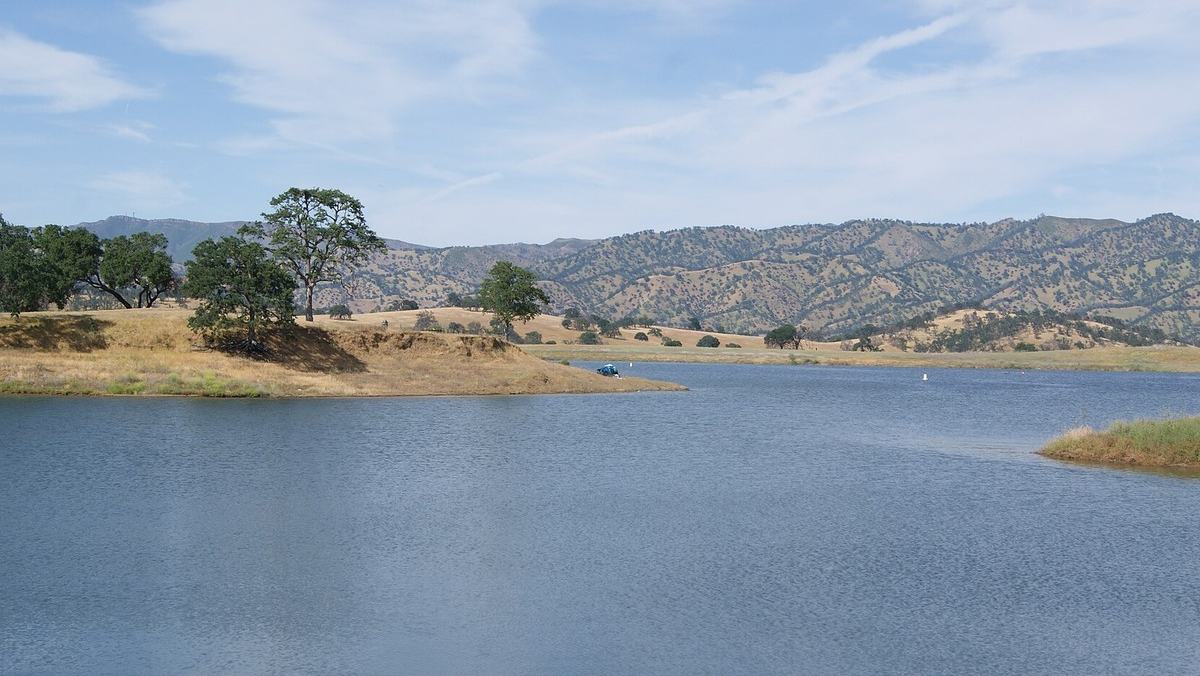
Photograph: James Postema — “Lake Berryessa, California, looking northeast from Oak Shore.jpg” (CC BY 4.0), via Wikimedia Commons. Resized to JPEG 1200×800 for editorial display. Source: https://commons.wikimedia.org/wiki/File:Lake_Berryessa,_California,_looking_northeast_from_Oak_Shore.jpg. Licence: https://creativecommons.org/licenses/by/4.0. Original rights remain with the credited creator or as specified by the source and licence.
