
A practical kayak holiday guide to Lac de Nantua in France's Ain department, including canoe and SUP hire, the local sailing club, seasonal access and lake safety.
Lac de Nantua in eastern France combines an attractive mountain-framed freshwater setting with accessible summer activities based around canoeing, kayaking and stand-up paddleboarding. The official Ain tourism organisation identifies the Club de voile de Nantua at Route de Port as a provider of kayaks, canoes and stand-up paddleboards for hire, alongside sailing and other water activities. Its published 2026 rental season ran from 5 July to 31 August, a useful reminder that services may not operate throughout the year. Visitors planning from November 2026 should therefore look ahead to confirmed future dates rather than assume the club is open today. The lake offers a rewarding opportunity to combine a modest paddle with a walk and an afternoon enjoying the Jura foothills.
A glacial lake framed by steep hills
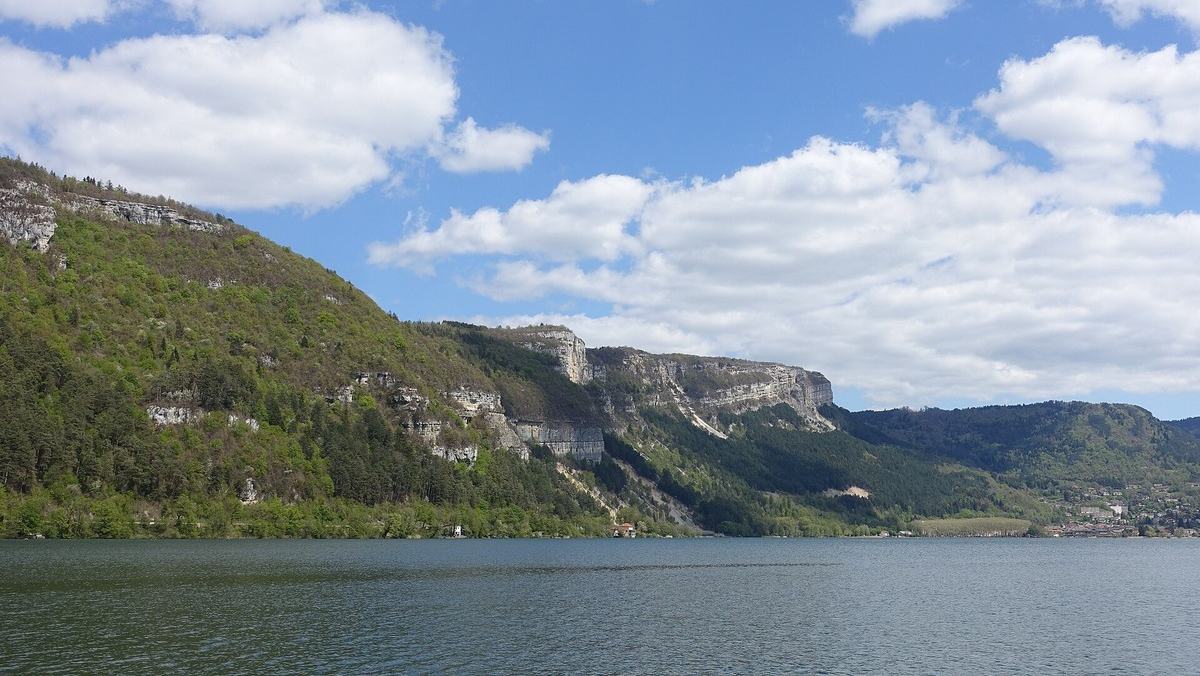
Nantua's landscape is defined by the contrast between its water and the wooded limestone slopes that rise around it. The municipality describes Lac de Nantua as a lake of glacial origin, while local tourist information emphasises the variety of activities possible on the water and along its shore. A small kayak is a pleasant way to see how the scenery changes as the boat moves, with steep hills sometimes reflected in the surface. It is important not to mistake a sheltered viewpoint for evidence that all parts of the lake will remain calm. Wind, temperature and the distance to a safe landing should guide the actual route.
The local sailing club offers more than sailing
The regional tourism listing is specifically for canoeing, yoga kayaking, paddleboarding and windsurfing on Lac de Nantua. It names the Club de voile de Nantua as the activity provider, giving visitors a real organisation to contact about equipment and instruction. The English description says canoes, yoga kayaks and stand-up paddleboards are available to hire for an hour or longer. A general destination article cannot confirm which boats remain available on any particular date. Visitors should obtain current information about rental equipment, lessons and safety requirements directly from the club, particularly if they have never handled a kayak or board before.
An hour can be a complete experience
A short rental often suits people who want to enjoy the lake without organising a long adventure. In sixty minutes, a paddler can practise basic strokes, follow a suitable section of shoreline and spend a few moments observing the mountains from water level. The distance covered is less important than having enough time to return safely. A first-time visitor should ask the club about a route appropriate to the day's weather and the chosen craft. Attempting to reach a distant landmark may be unnecessary, especially if wind makes the return slower than the outward journey. A short, comfortable session leaves time for other activities ashore.
Canoeing and kayaking are not identical
An open canoe can allow two people to work together, while a kayak often offers more individual control, depending on its design. These differences affect balance, seating and the techniques used for turning. A newcomer should learn which craft is available and whether it suits the intended route before choosing on appearance alone. The club may provide advice or instruction, but it is not safe to assume that every rental includes a formal lesson. Properly fitting buoyancy equipment and understanding the boat's capacity are essential. A small lake still deserves the same respect that a paddler would give any other body of open water.
Yoga kayaking is a specialist offering
The official Ain tourism listing includes an activity described as yoga kayaking, which suggests a water-based wellness format in addition to ordinary canoe hire. Travellers should ask the club what the activity involves, what type of craft is used and whether an instructor supervises participants. No one should assume that a yoga session involves standing or moving freely on a normal kayak; equipment and stability requirements may be specific. It is important to distinguish an operator's advertised experience from a generic idea of exercising on the water. A safe lesson should match movements to the craft, participants and prevailing conditions.
Stand-up paddling requires balance and judgement
SUP is also among the club's published offerings. A paddleboard can be enjoyable near a sheltered launch, providing an upright perspective on the surrounding hills. But beginners may struggle with steering and balance when wind picks up, and a board can drift surprisingly quickly. Visitors should ask about suitable flotation equipment, the correct use of a leash and the authorised operating area. A short introductory session that includes recovery after falling may be more valuable than an ambitious tour. The aim is to become comfortable and aware of surroundings rather than to travel as far as possible during a rental period.
Sailing introduces a different relationship with the lake
Because the provider is a sailing club, guests may find opportunities to learn on small sailing craft in addition to renting paddle equipment, subject to the current programme. Sailing requires understanding of wind direction, the sail's response and the way a boat turns, and it should be learned through suitable instruction rather than improvised. A lake with steep surrounding hills may have variable breezes that affect the handling of a small dinghy. Even experienced sailors should ask about local rules and restricted areas. A family holiday can include a first sailing lesson on one day and a calm kayak outing on another.
The 2026 season is already past
The current Ain tourism listing gives opening dates from 5 July to 31 August 2026, with daily summer operation indicated. Since this article is being prepared on 23 November 2026, those dates are historical, not an invitation to arrive for a rental this week. Travellers considering 2027 should ask the club or tourism office for the next confirmed season, current prices and any age or booking rules. Do not rely on an old timetable, particularly for a watersports activity that depends on staffing and weather. A little advance planning can prevent an unnecessary journey to a closed facility.
Minimum age is an important detail
The official listing identifies a minimum age of seven years for the advertised activity. That is a starting condition for this specific provider, not a statement that every seven-year-old will necessarily be comfortable paddling independently. A parent should discuss the child's size, water confidence and the appropriate equipment with the club. Some participants may require direct adult supervision or an instructor. Properly sized flotation aids should be used throughout the outing, and children should understand the importance of staying seated and following directions. The quality of a family experience depends on the comfort of its youngest participant.
Local safety rules are available from the municipality
The town of Nantua publishes guidance on navigation and responsible use of the lake. Visitors should review the current rules and ask the club where rented boats may travel, how swimmers are separated from other craft and whether any sections are restricted. A general statement that a lake is open for recreation does not mean every shore can be used as a landing. The operator should explain safe return procedures and any restrictions connected with conditions on the day. Respecting local rules protects visitors as well as the quieter areas that make the destination attractive.
Swimming needs a designated place
The regional tourism website refers to a managed lakeside swimming area with lawns and pontoons, providing another option for families enjoying a day at Nantua. Swimming, however, is not something to improvise from a moving kayak. Use authorised bathing areas, follow posted instructions and consider water temperature and depth. Small children need close supervision even where facilities are established. Kayaks should stay clear of swimmers and should not cut through a marked bathing zone on their return to the club. A safe day can combine a paddle and a swim, but each should be treated as a separate activity with its own precautions.
A walk reveals a different view of the water
The municipality and Ain tourism organisation describe walking opportunities around the lake, including routes that reveal the surrounding hills and shoreline. An outing on foot can complement the view from a kayak, allowing visitors to appreciate how the lake fits into the broader valley. Route length and difficulty should be checked before setting off, especially for families or people unused to uneven ground. A walk may offer a useful alternative when the weather is too windy or wet for paddle sports. The possibility of changing plans makes a short lake holiday more resilient and enjoyable.
Food and village life complete the day
Nantua is a town rather than an isolated watersports site, and this gives visitors opportunities to eat, rest and explore after returning rental equipment. A simple lunch may be a welcome break after an hour of paddling, especially if the group has been exposed to wind or strong sun. Restaurant opening times and menus should be checked for the intended season rather than assumed from summer tourism material. Travellers may also enjoy walking through the town and learning about its regional culture. Boating becomes more memorable when it is connected to an actual place, not treated as an interchangeable recreational activity.
Water temperature can surprise visitors
A mountain-framed lake may remain cool even on a warm afternoon, and the danger of an accidental immersion should not be underestimated. Wear the personal flotation equipment specified by the club and dress for both weather and water conditions. A person with limited swimming ability should discuss that with staff before booking. Secure essential belongings in waterproof storage rather than leaving them loose in the kayak. If conditions become uncomfortable or the group is tiring, return promptly. A pleasant lake outing depends on managing ordinary risks early rather than waiting until someone is exhausted or cold.
Wind and waves change the experience
A kayak can be affected significantly by wind, particularly during the return journey. On a lake surrounded by hills, the conditions encountered near the shore may differ from those in more open water. Check the local forecast on the day and follow the club's advice about which route remains suitable. A beginner should never assume that the lake's relatively modest dimensions remove all hazards. The correct turnaround point may be much closer than a scenic viewpoint suggests. If a thunderstorm approaches or visibility deteriorates, the safe decision is to stop or postpone the activity.
Wildlife is best observed from a distance
Lake Nantua's shores and surrounding countryside form a natural environment that should be enjoyed without disturbance. A quiet craft may let visitors notice birds or shoreline vegetation, but it should not be used to approach nesting or feeding animals closely. Keep out of sensitive reed beds and follow any conservation notices. Litter from a picnic or equipment packaging should be taken away, and boats should land only where permitted. Responsible behaviour can help ensure that the lake remains appealing to residents, visitors and wildlife alike. The small size of a kayak does not remove the impact of repeated careless landings.
Photography should remain safe and uncomplicated
The contrast between dark slopes, open water and the town of Nantua creates opportunities for memorable photographs. From a small craft, however, a camera can distract the paddler from steering and from other users. Secure devices in waterproof cases and avoid leaning out of the boat for a better angle. Photographing from an authorised shore viewpoint may provide a clearer picture without creating any risk. If someone else is taking photographs from a two-person craft, both participants should still understand how the boat will be handled. The most valuable image is never worth an avoidable capsize.
The lead photograph depicts the real lake
The accompanying image, “Nantua Lake @ Port @ Hike around Lac de Nantua,” was taken by Guilhem Vellut from Annecy, France, and released on Wikimedia Commons under Creative Commons Attribution 2.0. It shows the actual lake and its mountainous setting, rather than a stock image of another French destination. The photograph is credited with the creator and original licence and does not depict the club's present hire fleet or prove the conditions on 23 November 2026. Current boating opportunities and the historical 2026 opening dates come from Ain tourism's official listing, with municipal guidance providing additional context for safe use.
A realistic plan for the next season
Begin with Ain tourism's activity page and contact the Club de voile de Nantua to obtain future opening dates, current prices, the exact equipment offered and the rules for children. Choose an hour-long paddle or introductory lesson if the group is new to kayaking, and decide on a short route based on the forecast. Allow time for a managed swim, a walk or a leisurely meal afterward. Lac de Nantua rewards this simple approach. Its appeal lies in discovering a mountain lake from water level while retaining the flexibility and comfort of a town-based holiday.
Sources and photograph attribution
Official destination and boating guidance: Ain Tourism — Club de voile de Nantua canoe, kayak and paddle hire. Current access, rules, weather and reservations must be checked independently before travel.
Photograph: Guilhem Vellut from Annecy, France — “Nantua Lake @ Port @ Hike around Lac de Nantua (47828740572).jpg” (CC BY 2.0), via Wikimedia Commons. Resized to JPEG 1200×800 for editorial display. Source: https://commons.wikimedia.org/wiki/File:Nantua_Lake_@_Port_@_Hike_around_Lac_de_Nantua_(47828740572).jpg. Licence: https://creativecommons.org/licenses/by/2.0. Original rights remain with the credited creator or as specified by the source and licence.
