
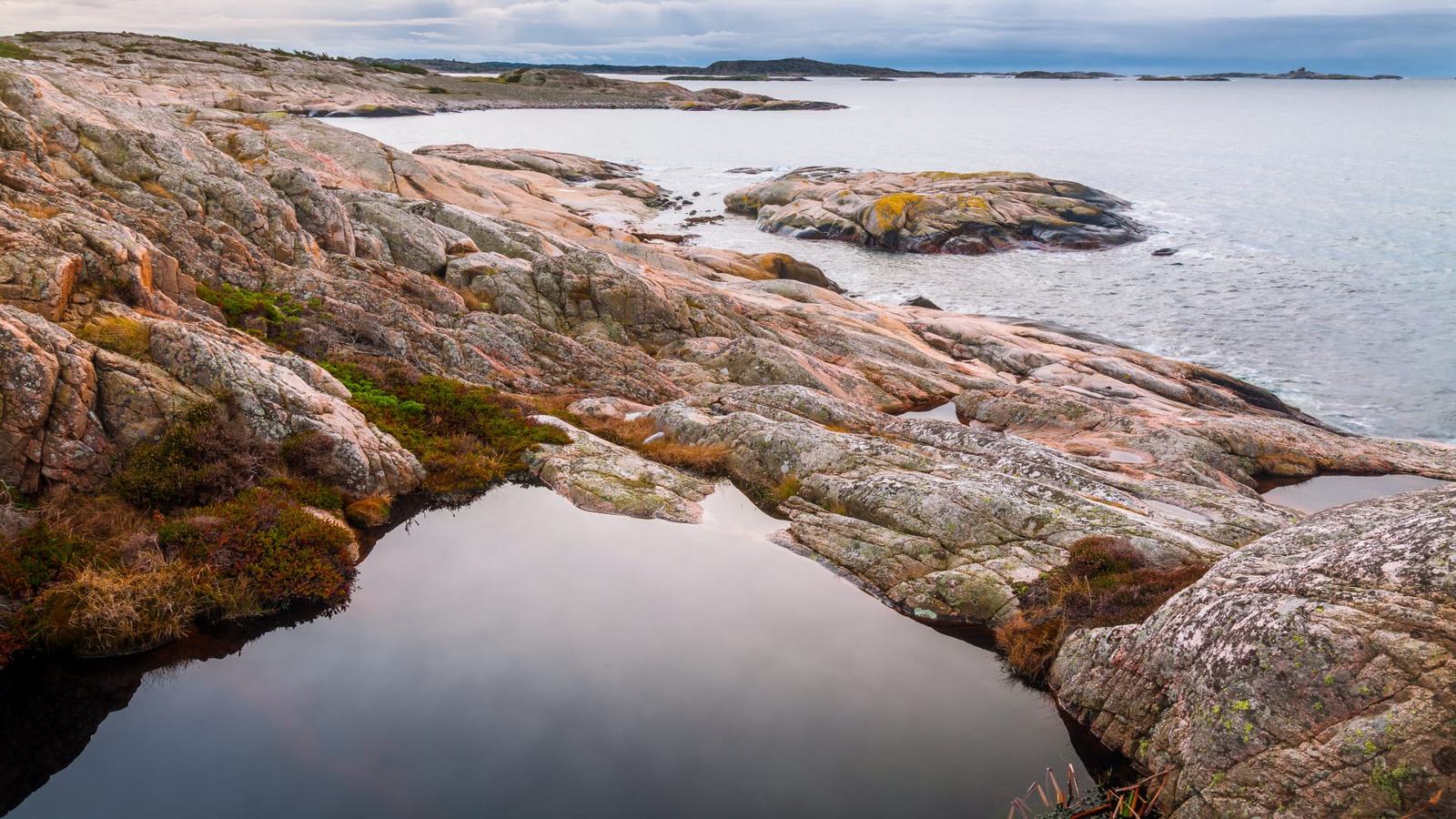
A practical small-boat guide to North and South Koster on Sweden's west coast, including guest harbours, island walks, ferries, wildlife and national park restrictions.
An archipelago that invites a slower pace
At the northern end of Sweden's Bohuslän coast, the Koster Islands open onto a landscape of granite, low islands and remarkably varied marine life. The journey feels different from an ordinary beach holiday: the passage across Kosterfjorden is part of the experience, and the destination rewards time spent walking, observing and understanding the water as much as swimming in it. For a small-boat crew, the pleasure lies in unhurried island visits backed by careful preparation.
The two principal islands are North Koster, or Nordkoster, and South Koster, or Sydkoster. They sit within the wider Kosterhavet marine environment off Strömstad, where the protected landscape extends far beyond the shorelines visible from a boat. West Sweden's official visitor information confirms that private craft can reach the islands and that guest harbours serve both North and South Koster. An appealing photograph, however, is not evidence of available berthing or safe approach depths.
Choose an itinerary that respects the weather and the crew's experience. Even when the distances look compact on a tourist map, the Skagerrak coast can be exposed to changing wind and sea state. Consult current charts, forecasts, navigational warnings, harbour details and engine range before setting out. Those new to the area can start with the year-round passenger ferry from Strömstad and reserve independent navigation for a later visit.
Arriving from Strömstad and choosing a landing
Strömstad is the natural mainland base for exploring Koster. The national park authority says scheduled Koster boats operate from the town throughout the year, with a crossing of roughly 45 minutes. West Sweden lists landing points at Kilesand, Ekenäs and Långegärde on South Koster and Västra Bryggan on North Koster. These are useful landmarks for an initial plan, but the current ferry timetable and the facilities for visiting craft should be checked separately.
A private boat needs a different arrival checklist from a passenger ferry. Confirm where visiting boats may berth, whether reservations are possible, what depth and berth dimensions apply, and the availability of water, electricity, rubbish disposal and fuel. Many seasonal facilities change their opening arrangements outside the main holiday period. A crew that has planned a comfortable overnight can still be disappointed if it assumes every island service is open year-round.
The value of a proper harbour stop is time ashore without improvising a landing. Guest harbours can allow a family to put away the ropes, walk to a café or make a picnic, and explore under its own steam. Avoid using a ferry pier, private pontoon or protected shoreline as an ad hoc berth. When in doubt, ask the harbour operator or local tourist office before entering.
South Koster: cycling, shoreline walks and naturum
South Koster is the larger and comparatively flatter of the two main islands, making it suited to a relaxed day of cycling and walking. The official regional tourism service points visitors towards island lanes, coastal viewpoints and beaches, while the national park authority identifies Ekenäs as the location of naturum Kosterhavet, the park's visitor centre. That is an especially valuable first stop for anyone interested in the marine ecosystem beneath the boat.
Naturum offers an opportunity to make sense of the wider protected area rather than treating the scenery as a succession of anchorages. Exhibits and local guidance help explain why seagrass meadows, rocky reefs and deep-water environments need different forms of care. Travellers can use the centre to ask which areas are suitable for snorkelling, where walking trails begin and which seasonal restrictions matter at the time of their visit.
Plan the shore day to match the return journey. A short walk with time for a seafood lunch may be more satisfying than trying to circle the island and catch a fixed departure. Carry water and layers even in summer, and bear in mind that cycling routes do not remove the need to respect pedestrians or local road restrictions. If a ferry is part of the plan, book or check the latest departure time before disappearing down a quiet lane.
North Koster: paths, viewpoints and a quieter rhythm
North Koster is smaller and hillier, with a character better suited to walking than cycling. West Sweden describes marked trails across varied landscapes, including routes leading towards Högen and its historic lighthouse setting. Rather than rushing towards a single photograph, allow time to notice the varied rock formations, low vegetation and shifting views back towards the neighbouring islands.
An outing here can appeal to families with older children or couples who want a day largely free from traffic and timetable pressure. A picnic is worth carrying when travelling outside the peak season, because restaurants and services can be limited. The official tourism service says South Koster has a year-round grocery shop, but that does not mean every smaller business on both islands remains open through autumn and winter.
Between North and South Koster runs the Koster Strait, with a cable ferry connection in the warmer months and other boat services at different times. The official visitor information describes seasonal operation, so visitors should verify the current arrangement before assuming they can cross spontaneously. If the two islands form a single day trip, build a realistic margin for the transfer and the return passage.
Kosterhavet: a marine national park, not a free anchorage
Kosterhavet is Sweden's first marine national park and is known for the richness of life below the surface. The national park authority describes deep underwater habitats, reefs, kelp forests, seagrass meadows and a trench connecting its waters to the Skagerrak. Visitors usually see only the attractive islands and coastal rock, but the main reason for protection lies partly in environments a casual boater will never glimpse from the deck.
The distinction changes how a responsible small boat is handled. Do not assume that a naturally sheltered bay allows unrestricted anchoring, swimming or shore access. Official park rules include special provisions for sensitive seabeds, beaches and wildlife areas, while speed limits and other restrictions may apply seasonally in designated parts of the park. Use the current official park map and notices to decide where the boat may go and where it must not stop.
Avoid approaching seal haul-outs or bird nesting areas for close photographs. The park's published rules require distance from designated seal and bird protection areas, and the safest response to wildlife is generally to slow down, keep a lookout and let animals maintain their own space. Even a low-wake craft can disturb a sensitive habitat or another visitor's quiet experience. The quality of the visit improves when the boat behaves as a guest.
For snorkelling and paddling, seek a place designated or locally recommended for the activity and check the weather immediately beforehand. Cold water, boat traffic and exposure can matter even on a sunny day. A suitable flotation device, clear return plan, buddy arrangements and a respectful distance from sensitive habitats are basic precautions. The park offers excellent nature experiences without any need to touch wildlife, collect specimens or leave objects behind.
An easy two-day plan, with room to change it
A balanced weekend could begin in Strömstad, continue by boat to South Koster and devote the first afternoon to naturum, a shoreline walk and an early meal. The second day might be spent on North Koster with a gentle trail and a viewpoint before returning to the mainland. Private-boat crews can adapt the order around confirmed guest-harbour availability, while ferry travellers should plan against actual published sailing times.
Travellers who prefer an even quieter pace can add a third day for a guided nature excursion or a short kayak trip in suitable conditions. The national park authority suggests that autumn can be rewarding for paddling and wildlife watching, but any specific departure must be judged against temperature, wind, visibility and the experience of the participants. A local operator familiar with protected areas offers a practical way to explore without guessing where access is allowed.
The most memorable lesson from Koster is that a boating holiday does not need long passages or a succession of famous ports. It needs a sensible base, good seamanship and curiosity about the coast beyond the marina. With an officially permitted berth and a willingness to keep the day flexible, the Koster Islands offer a rare blend of accessible island life and serious marine conservation. Small boats are a wonderful way to experience it when used with that respect.